
Christmas in Iceland is a season built around long dark evenings, food shared over several days, and a few customs you won't find anywhere else in the Nordics. If you're planning a winter self-drive trip and want to understand what's actually happening around you in late December, this guide covers the traditions themselves and what they mean for a visitor on the road.
Short answer: Icelandic Christmas traditions centre on almond rice pudding (jólagrautur) eaten with a hidden candy almond, a book-giving custom known as the Christmas Book Flood, a run of gatherings across three official Christmas days including Boxing Day, and a New Year's fireworks display that funds Iceland's volunteer search and rescue teams. Most of it revolves around food, family, and reading, the loud part is reserved for New Year's Eve.
What are the main Christmas traditions in Iceland?
Icelandic Christmas customs are less about spectacle and more about ritual, the same foods, the same gifts, the same gatherings, repeated every year. The core traditions are the almond rice pudding game, the tradition of giving books on Christmas Eve, a structured run of family meals across Christmas Day and Boxing Day, and fireworks at New Year's that double as a fundraiser for search and rescue.
| Tradition | When it happens | What it involves |
|---|---|---|
| Rice pudding with candy almond | Christmas Eve or in the days before | A bowl of almond rice pudding hides one candy almond; whoever finds it wins a small prize |
| Jólabókaflóð (Christmas Book Flood) | Early December through Christmas Eve | Icelandic books are released ahead of Christmas and given as gifts, often read that same evening |
| Boxing Day dinner | 26 December | An extra family gathering, often the third big meal in three days |
| New Year's fireworks | 31 December | Fireworks sold by ICE-SAR (Icelandic Association for Search and Rescue) fund their volunteer operations |
Rice pudding and the candy almond
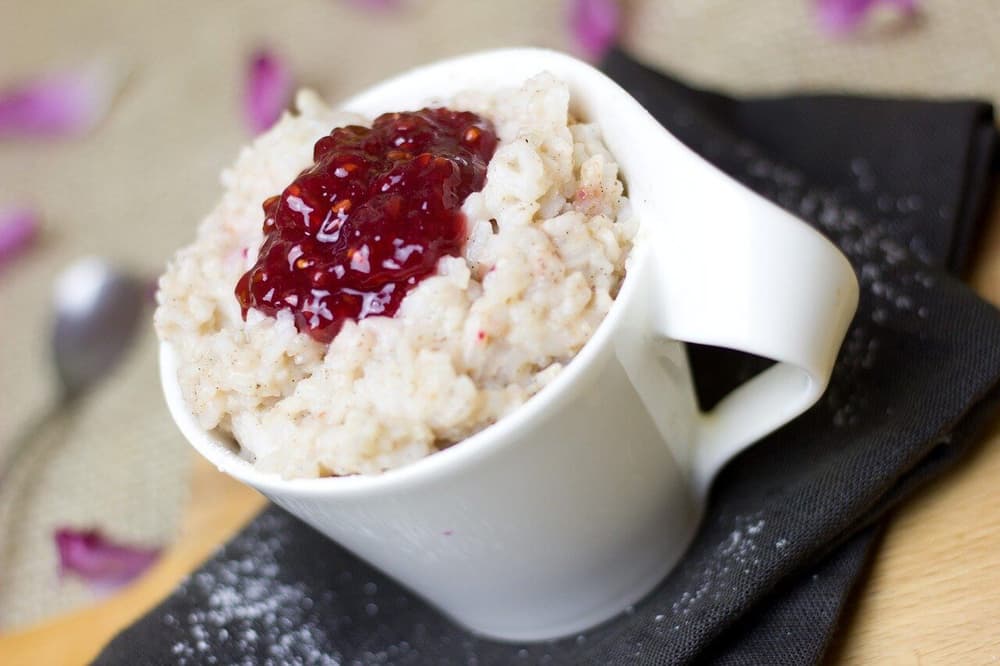
Icelandic rice pudding, jólagrautur, is a cinnamon-dusted rice pudding served during the Christmas period with one candy almond hidden inside, whoever finds it in their bowl wins a small prize. It's not to be confused with risalamande, the cold Danish version some visitors expect.
The prize varies by household. Some families quietly make sure a child wins it; in others, the reward is something everyone benefits from, such as a board game to play together over the holidays. It's a small, low-stakes tradition, but it's one almost every Icelandic family observes in some form, which is part of why "rice pudding Iceland" is one of the things visitors ask about most when researching Icelandic Christmas food traditions.
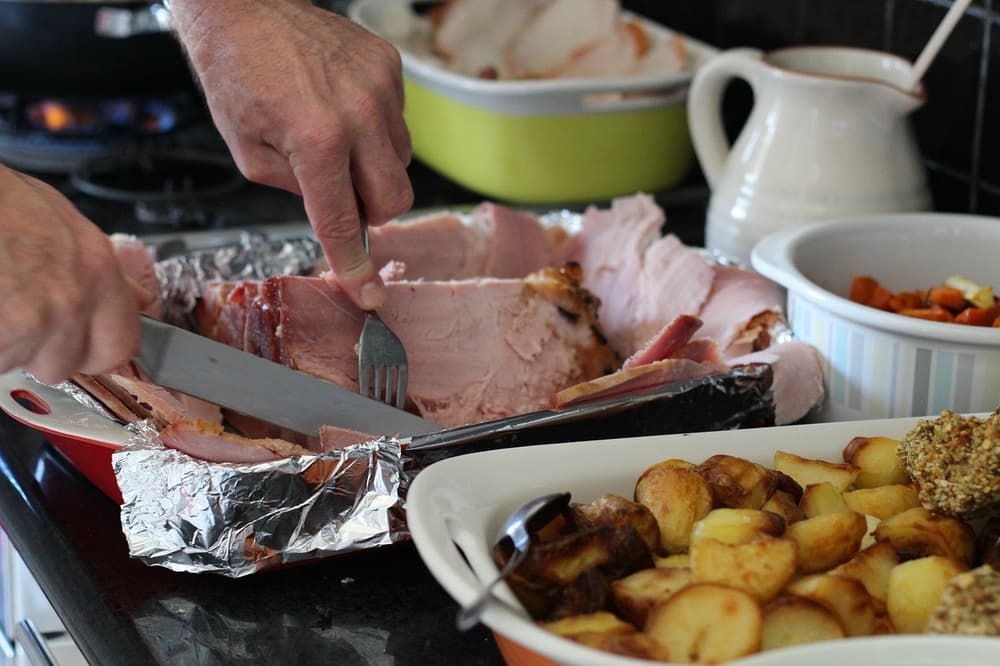
Beyond the pudding, a traditional Icelandic Christmas table often includes hangikjöt (smoke-cured lamb), laufabrauð (thin, decoratively cut fried bread), and, in some regions, ptarmigan. None of these are performed for tourists, they're simply what's on the table at home, which means you're more likely to encounter them in a guesthouse or through a local host than at a typical restaurant.
Giving books on Christmas Eve
Icelanders give books as Christmas gifts and often begin reading them that same evening, a custom known as Jólabókaflóð, the "Christmas Book Flood." Most Icelandic literature is published in the run-up to Christmas, which means the list of new titles to choose from each year is long. Crime fiction has dominated in recent decades, with authors like Arnaldur Indriðason, Yrsa Sigurðardóttir, and Ragnar Jónasson selling tens of millions of copies worldwide between them.
To help people choose, a booklet listing most of the year's new releases is distributed before Christmas, a kind of catalogue for the flood of titles hitting shelves at once. The custom itself is simple: many Icelanders open at least one book on Christmas Eve and spend part of the evening reading it, often alongside the rice pudding.
Boxing Day and the three days of Christmas
Icelandic Christmas isn't a single day, it typically stretches across three, and larger families often can't fit everyone into one gathering. That's where Boxing Day comes in: for many households, 26 December means hosting or attending a third dinner party, on top of Christmas Eve and Christmas Day.
By the time Boxing Day arrives, most people are running on the momentum of two prior days of eating (and, for some, drinking). If you're travelling with Icelandic friends or family over the holidays, don't be surprised if the Boxing Day gathering feels a little more relaxed and a little more tired than the ones before it, that's normal, not a sign you're missing something.
Fireworks and New Year's Eve
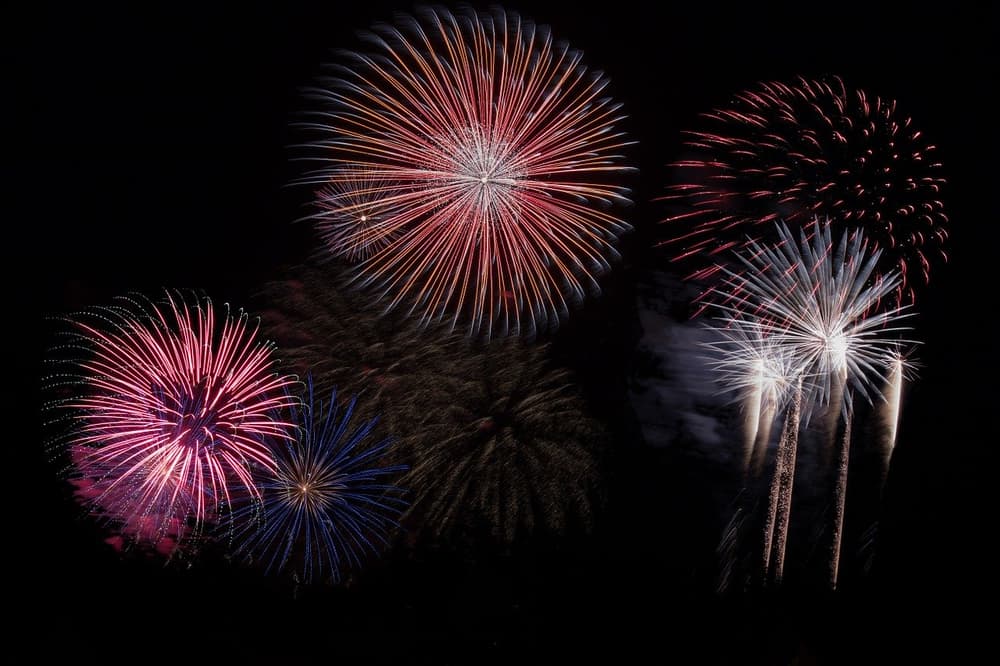
New Year's Eve in Iceland is when the quiet, food-and-books version of the holidays gives way to something much louder. Icelanders buy and set off large quantities of fireworks, and the scale surprises most first-time visitors, filmmaker Quentin Tarantino has reportedly compared the atmosphere to a war zone after spending New Year's in Iceland.
The fireworks aren't just for show. Sales are the primary way ICE-SAR (Icelandic Association for Search and Rescue) funds its operations, even though the organisation itself runs entirely on volunteer work. Buying fireworks from an ICE-SAR stand is effectively a direct donation to the same teams who assist travellers who get into difficulty in Iceland's backcountry.
Driving in Iceland during the Christmas season
If your visit overlaps with late December, the traditions above matter less for your itinerary than the season itself: short daylight hours, changeable weather, and roads that can shift condition quickly. Daylight around Christmas is limited to only a few hours in the middle of the day, and conditions on routes like the Ring Road can vary between clear tarmac and snow-covered stretches within the same drive.
Before setting out, it's worth building your route around what's realistic in low light and checking current conditions rather than assuming a road will be clear because it was the day before. The Icelandic Road Administration (umferdin.is / umferðin.is) and the Icelandic Met Office (vedur.is) are the two sources to check before any winter drive, and our own guide to driving in Iceland in winter walks through what changes once snow and ice are part of the picture.
Vehicle choice matters more in December than in July. If you're unsure whether a 4x4 makes sense for your route, this rundown of questions to ask yourself before booking a 4x4 is a useful starting point, and our own fleet page shows the range of 2WD, 4x4, and other vehicle classes available if you want to match the car to your planned roads before you commit. For arrival logistics, online check-in lets you complete paperwork ahead of time so you're not standing at a counter after a delayed flight with only a few hours of daylight left to make the most of.
If you're weighing whether the holiday period is the right time to visit at all, it helps to compare it against Iceland's other travel seasons, our piece on visiting Iceland outside the peak summer months covers how weather, crowds, and driving conditions shift across the year.
Mistakes to avoid around an Icelandic Christmas visit
Most issues travellers run into during the holidays are logistical rather than cultural. Assuming shops, restaurants, or tour operators will be open on Christmas Eve, Christmas Day, or New Year's Day is a common one, many businesses close or run reduced hours across these dates, so it's worth confirming opening times in advance rather than building a tight itinerary around them.
Another is underestimating how early it gets dark. Planning a long driving day in late December the way you might in June will leave you finishing in darkness, often on roads you haven't driven before. Building in extra time, and checking umferdin.is before you leave each morning, avoids most of the stress that catches first-time winter visitors off guard.
 HOW BLUE CAR RENTAL SUPPORTS LOCAL COMMUNITIES IN ICELAND