
Road safety in Iceland isn't a single gadget or product, it's a combination of checking the right official sources, matching your vehicle to your route and season, and adjusting your driving to conditions that change faster than most visitors expect. This guide covers where to get real-time road and weather information, the hazards that catch first-time drivers off guard, and how vehicle choice and insurance fit into the picture.
Short answer: Iceland's roads are generally safe to self-drive for cautious, well-prepared travellers, but conditions vary sharply by season and region. The main safety habits are: check umferdin.is and vedur.is before and during your trip, choose a vehicle suited to your route (a 4x4 for F-roads and winter driving is strongly advisable), slow down on gravel and at single-lane bridges, and turn back rather than push through if a river crossing, storm, or closed road looks uncertain.
Where official road safety information comes from
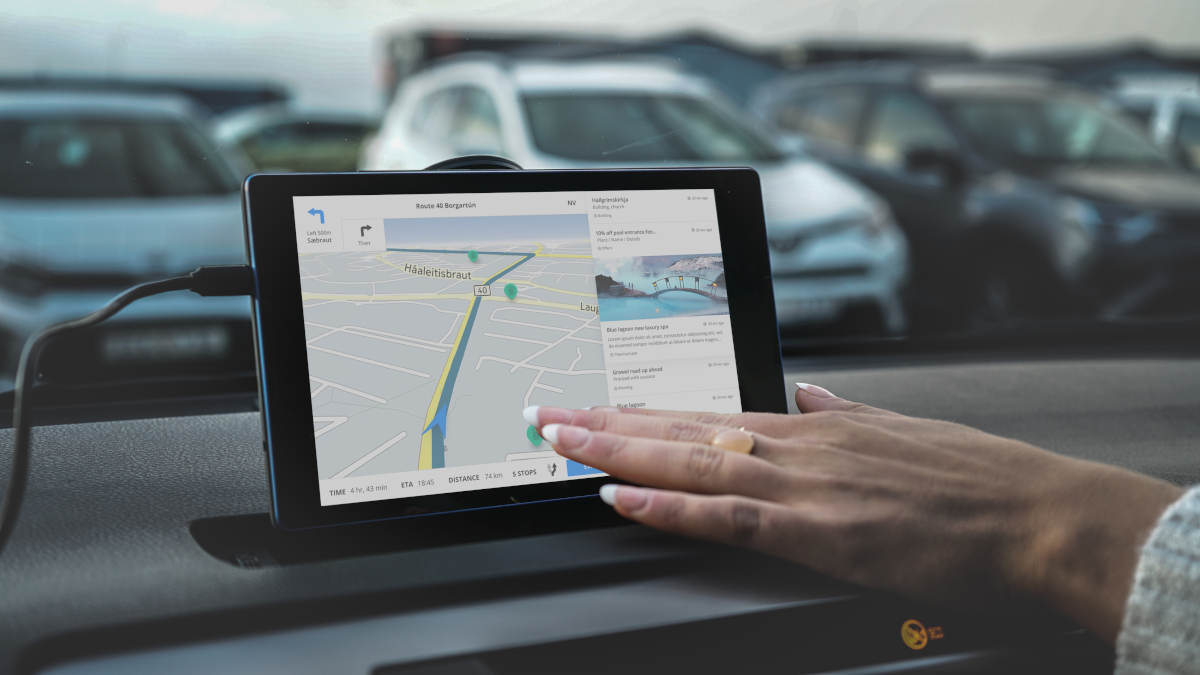
Iceland has three main official sources for road and weather conditions, and checking them is the single most useful road safety habit for any self-drive visitor.
- umferdin.is, run by Vegagerðin, the Icelandic Road Administration. This shows live road conditions, closures, webcams, and gravel vs. paved sections. It's the first place to check before any drive outside Reykjavik, and again each morning during a multi-day trip.
- safetravel.is, run by the Icelandic Association for Search and Rescue (ICE-SAR). It publishes travel alerts and lets you register your route so rescue teams know where to look if something goes wrong.
- vedur.is, the Icelandic Met Office. Iceland's weather can change within a few hours, especially wind speed, which is often a bigger driving hazard here than snow or rain.
None of these replace judgement, but together they're the closest thing Iceland has to a real-time safety system, and they're free and available on any phone.
The most common road hazards for visiting drivers
Most incidents involving rental cars in Iceland come from a handful of predictable situations, not from Iceland's roads being inherently unsafe.
| Hazard | Where it's common | What helps |
|---|---|---|
| Single-lane bridges | Ring Road (Route 1), especially the south and east | Slow down, yield to the car already on the bridge |
| Loose gravel surfaces | Secondary roads, some Ring Road sections outside the capital area | Reduce speed, avoid sudden braking or steering |
| Sheep and other livestock on the road | Rural roads nationwide, especially summer | Slow down early, they move unpredictably |
| Strong wind | Nationwide, worse in open areas and mountain passes | Check vedur.is, hold the door when opening it, reduce speed |
| Sudden weather shifts | Nationwide, all seasons | Check umferdin.is and vedur.is daily, not just once before the trip |
| River crossings on F-roads | Highland F-roads (e.g. F35 Kjölur, F208 Landmannalaugar) | Only with a proper 4x4, and only if you're confident; turn around if unsure |
| Reduced daylight and ice | Nationwide, October–March | Plan shorter driving days, allow extra time |
River crossings deserve a note of caution on their own: they're one of the few hazards in Iceland where the safest advice is genuinely simple, if you're not certain, don't attempt it. Check umferdin.is and safetravel.is for current conditions, and if a route regularly involves crossings you're unsure about, consider a guided highland tour with an experienced operator instead of self-driving that stretch.
Does vehicle choice affect road safety?
Yes, vehicle choice is one of the most direct ways to manage risk in Iceland, and it depends almost entirely on your route and season rather than personal preference.
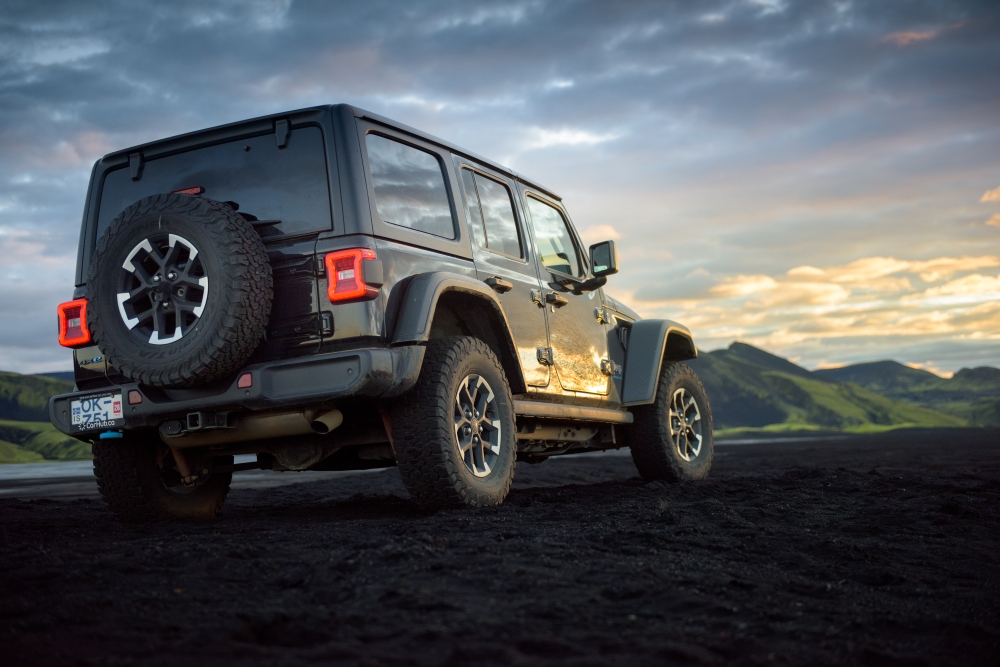
A standard 2WD car is generally adequate for the paved Ring Road in good summer conditions. Once you add gravel side roads, winter weather, or any F-road, a 4x4 becomes either strongly advisable or a legal requirement. F-roads in particular are restricted to 4x4 vehicles by law, this isn't a suggestion, it's how the roads are classified. Driving them in a 2WD, or leaving the marked road at any point, is against Icelandic law regardless of vehicle. If you're weighing this up for your own trip, our guide on choosing between 4x4 and 2WD and seven questions to ask before booking a 4x4 walk through the decision in more detail, and the F-road guide to the highlands covers which routes require what vehicle class.
Winter changes the calculation again: even Ring Road driving in December–March benefits from a 4x4's traction on icy or snow-packed surfaces, on top of winter tyres. Our winter driving guide for first-time visitors goes through what to expect month by month.
How weather and season change the safety picture
Iceland's driving conditions are genuinely a different experience in winter than in summer, and treating them the same is a common mistake among first-time visitors.
Winter (roughly November–March): short daylight hours, ice, snow, and higher wind speeds are the main factors. Roads that are simple in July can require winter tyres and slower, shorter driving days. Storm warnings from vedur.is should be taken seriously, Icelanders themselves adjust travel plans around them.
Summer (June–August): long daylight hours reduce one risk but introduce others, fatigue from driving too far because "it's still light," more traffic on popular routes, and F-roads opening up (typically from June, though exact dates vary by road and year and should always be confirmed on umferdin.is before travelling).
Shoulder seasons (April–May, September–October): arguably the least predictable. A single day can include rain, wind, and near-freezing temperatures. Checking umferdin.is and vedur.is daily matters more here than in either winter or summer.
What's covered if something goes wrong
Rental terms and insurance are part of road safety in a practical sense, knowing what's covered affects how you drive and how much stress an incident causes. Every Blue Car Rental booking includes CDW, SCDW, Gravel Protection, Theft Protection, and Third-Party Liability as standard, with a Liability Waiver available that covers water damage, including legal river crossings, underbody damage, tyres, wind-related door damage, and sand or ash damage. Illegal river crossings or any off-road driving fall outside all cover, which is one more reason to treat "stay on the marked road" as a firm rule rather than a suggestion, off-road driving is illegal in Iceland, not just discouraged.
Rather than a cash deposit, Blue Car Rental takes a credit card imprint as security, meaning no funds are actually held or blocked on your card. You can review the full detail on the insurance options page, and if you want to understand where extra charges sometimes catch renters out, the hidden costs guide is worth reading before you book. Picking up your car is also part of the safety routine in a small way, arriving tired after a long flight and rushing through paperwork is when mistakes happen, so completing online check-in in advance and using key-box pickup (for customers who add the Liability Waiver and complete online check-in) at Keflavik Airport means less to think about before you're on the road.
Mistakes to avoid
A short list of the patterns that most often turn a manageable situation into an unsafe one:
- Driving an F-road in a 2WD, or assuming a "4x4-recommended" road is optional in winter
- Skipping the daily umferdin.is / vedur.is check after only looking once before the trip
- Opening a car door into strong wind without holding it (a common cause of damage in Iceland)
- Attempting a river crossing you're not confident about instead of turning around
- Speeding on gravel roads because they "look" like tarmac from a distance
- Leaving the marked road for photos, this is off-road driving and is illegal in Iceland
Conclusion: is it actually safe to drive yourself in Iceland?
For most visitors the honest answer is yes, self-driving in Iceland is manageable and enjoyable, provided you treat road safety as a daily routine rather than a one-time checklist. Check official sources before you leave and again each morning, match your vehicle to your actual route and season, slow down for bridges, gravel, and sheep, and turn around rather than push through when a river crossing or storm looks uncertain. The roads themselves aren't the risk, driving them the same way you'd drive at home, regardless of what umferdin.is or vedur.is is showing that day, is.
 RENTING A CAR IN REYKJAVÍK: A COMPLETE GUIDE FOR TRAVELERS