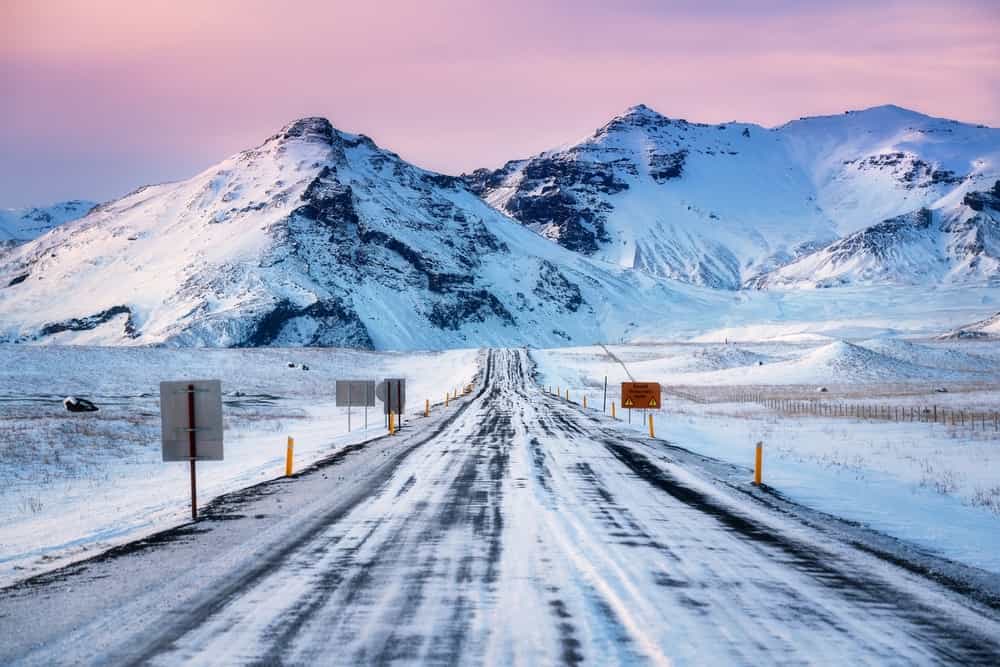
Winter driving in Iceland offers stunning views of snow-covered landscapes, the Northern Lights, and frosted coastlines — but it also requires preparation, flexibility, and respect for unpredictable conditions.
In this guide, we cover:
- Choosing the right vehicle
- Iceland’s winter road conditions
- Local driving laws and safety tips
- Must-know weather tools and route suggestions
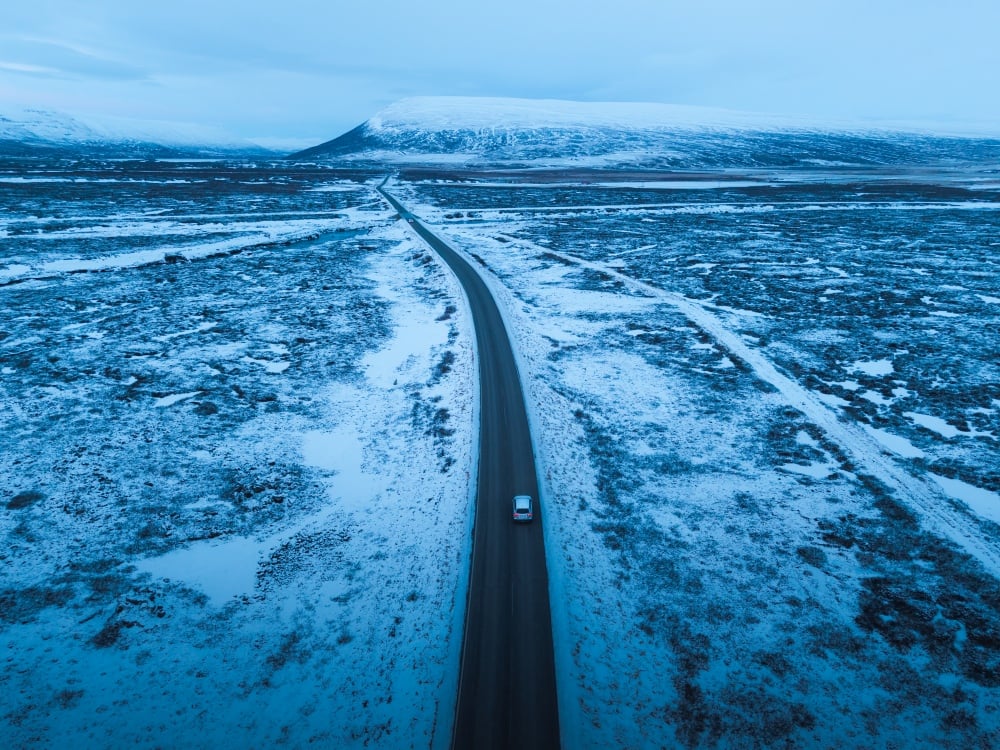
Is It Safe to Drive in Iceland During Winter?
Yes, driving in Iceland in winter is generally safe — if you’re well-prepared. Roads can be icy, winds extreme, and daylight limited. However, thousands of travelers self-drive each winter successfully by following local guidelines.
Choosing the Right Vehicle – Do You Need a 4x4?
In most cases: Yes. A 4x4 vehicle is recommended for:
- Driving outside of Reykjavík or the Golden Circle
- Exploring South Coast, Eastfjords, or North Iceland
- Rural gravel roads and mountain passes
Some smaller 2WD cars may suffice for city driving, but winter tires are required by law, and a 4WD offers better control.
Recommended Car Rental Features in Winter:
- 4WD/4x4 drivetrain
- Heated seats & mirrors
- Snow tires (studded or winter-grade)
- Emergency kit included
- GPS or offline navigation system
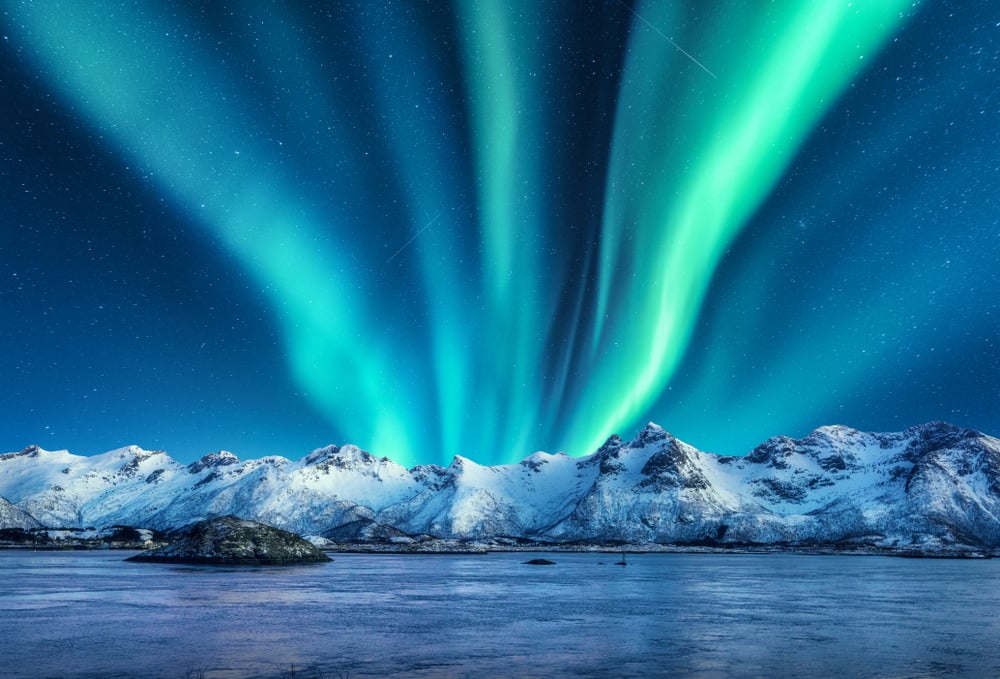
What Are Iceland’s Winter Driving Conditions Like?
Icelandic weather can change rapidly — you may experience blizzards, fog, black ice, wind gusts over 50 mph, and sudden snow squalls.
Key considerations:
- Short daylight hours (4–7 hours in mid-winter)
- Snow-covered signs and roads
- Slippery surfaces and sudden weather shifts
- Some roads may close without notice
Always check the road.is website before driving.
Essential Driving Tips for Winter in Iceland
✅ 1. Check Road & Weather Forecasts Daily
✅ 2. Drive Slowly and Defensively
- Allow longer braking time
- Watch for ice on bridges, hills, and open plains
✅ 3. Don’t Rely on Google Maps Alone
- Use offline maps or GPS provided by rental companies
✅ 4. Respect Wind Warnings
- Winds can reach hurricane force — don’t drive if orange or red alerts are active
✅ 5. Use Headlights at All Times
Even during daylight hours — it’s required by law.
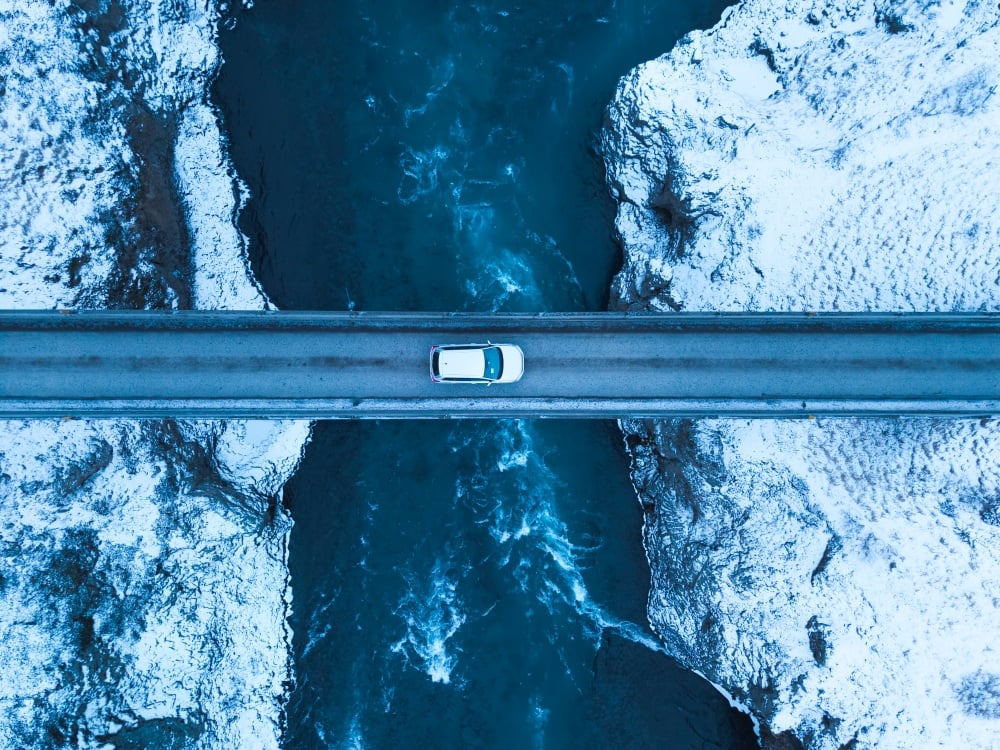
Should You Drive the Ring Road in Winter?
Yes, but with caution. Iceland’s Ring Road (Route 1) is open year-round but:
- East and North sections can be icy and remote
- Limited gas stations and emergency services in rural areas
- Some fjord roads may be impassable or closed
Recommended Winter Driving Itineraries:
- Golden Circle (1 day): Þingvellir, Geysir, Gullfoss
- South Coast (2–3 days): Seljalandsfoss, Skógafoss, Vik, Jökulsárlón
- Snæfellsnes Peninsula (1–2 days): For those with extra winter experience
What Roads Are Off-Limits in Winter?
F-roads (mountain roads) are closed in winter — these are only open in summer with 4x4.
Avoid:
- Highland roads (e.g., F35, F26)
- Unmarked rural paths
- Steep gravel switchbacks without experience
Stick to paved, marked routes unless weather is ideal and you’re with a local guide.
Winter Road Hazards to Watch For
|
Hazard |
Description |
|
Black Ice |
Invisible layer of ice, especially at dawn/dusk |
|
Wind Gusts |
Can knock over vehicles or damage doors |
|
Snow Drifts |
Pile-ups on roads — reduce visibility & traction |
|
Blind Hills |
Don't overtake — you can’t see what’s ahead |
|
Animals |
Sheep or reindeer can appear unexpectedly |
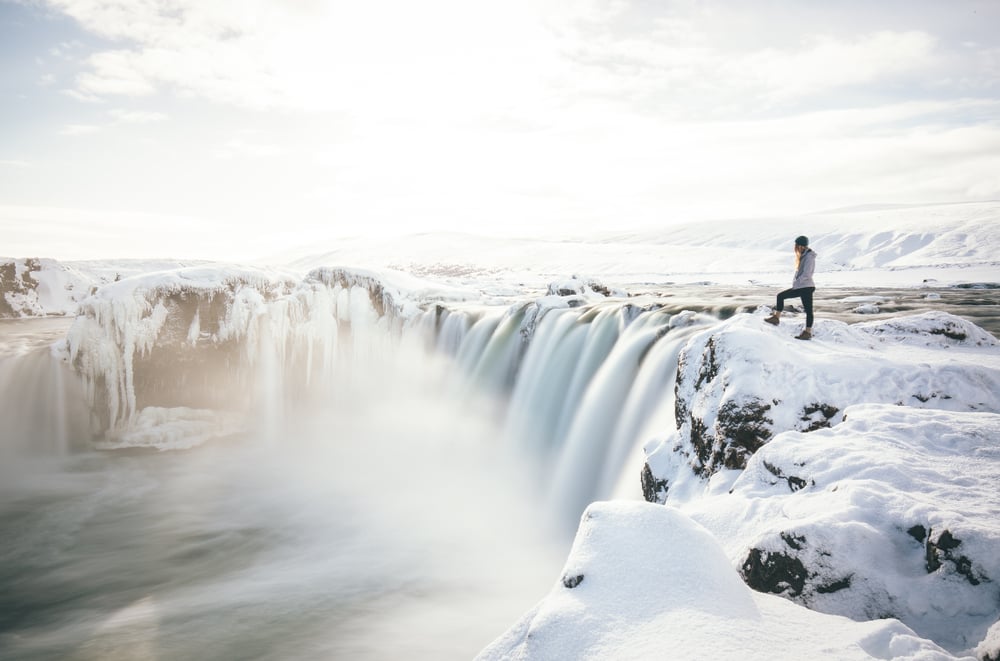
Is Driving Better Than Taking Tours in Winter?
That depends. Self-driving gives you freedom, but:
Choose tours if:
- You’re not confident driving in snow
- You’re unfamiliar with Nordic road etiquette
- You want to relax and focus on photography
- You plan to visit ice caves, glacier lagoons, or northern areas
If you're experienced and comfortable with winter conditions, renting a car can give you access to unique places at your own pace.
Driving Etiquette and Laws in Iceland
- 🚦 Seat belts are mandatory
- 🚗 No mobile phone use while driving
- 🛑 Speed limits:
- Urban: 50 km/h
- Gravel roads: 80 km/h
- Paved roads: 90 km/h
- ⚠️ No off-road driving (strictly illegal)
- 🚨 Accidents? Call 112 – the emergency number
What to Pack in the Car
|
Item |
Why You Need It |
|
Winter clothing |
Layers, hat, gloves, scarf, waterproof gear |
|
Snacks & water |
Remote stretches have no shops |
|
Phone power bank |
Cold drains battery quickly |
|
Blanket & flashlight |
Safety during delays or breakdowns |
|
Snow brush & scraper |
Provided by most rental companies |
|
Printed maps |
In case GPS or phone fails |
Best Time to Drive in Winter Months
|
Month |
Conditions |
|
Early snow, variable roads |
|
|
Very dark, icy roads likely |
|
|
Coldest month, Northern Lights |
|
|
Still icy, more daylight |
|
|
Increasing light, better roads |
Drive during midday hours for the best visibility. See our month by month weather guide.
 HOW MANY DAYS IN ICELAND IS ENOUGH? PLAN THE PERFECT TRIP LENGTH