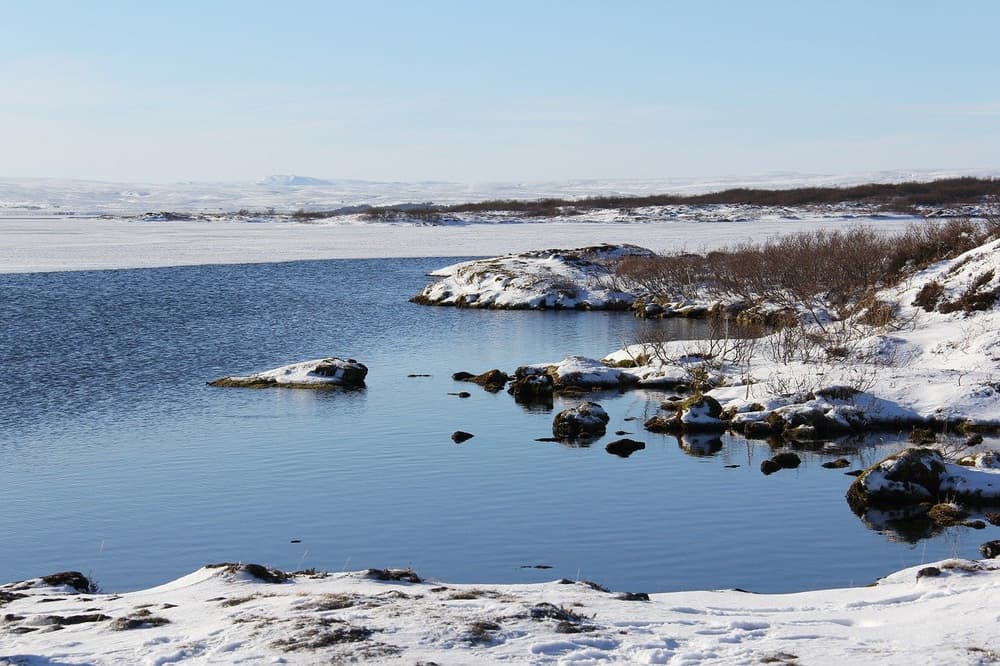

February sits between the darkest weeks of winter and the first real signs of spring, which makes it a practical month for a self-drive trip: daylight is increasing, crowds are thinner than summer, and many classic sights, geothermal pools, the South Coast, Reykjavik's museums, are fully open.
Short answer: In February you can realistically do geothermal bathing (Secret Lagoon, Golden Circle), Northern Lights hunting, a South Coast day trip to Seljalandsfoss, Skógafoss and Diamond Beach, museum visits in Reykjavik and Keflavik, and guided ice cave or glacier tours. Self-driving works well with a vehicle suited to winter conditions, but F-roads into the highlands remain closed, and daylight, while improving through the month, still shapes how far you can drive in a day.
Is February a good time to visit Iceland?
Yes, with realistic expectations. February brings noticeably longer days than December or January, fewer tourists than summer, and lower rates on flights and accommodation in many cases (see our guide to the low-season months for how the shoulder months compare). The trade-off is that this is still winter: snow, ice, and sudden wind events are all possible, and some routes, particularly F-roads and mountain passes, stay closed or unpredictable.
If you're comfortable driving in winter conditions, or willing to plan a flexible itinerary around the weather, February is a genuinely good month to see Iceland without the summer crowds.
Best things to do in Iceland in February
Soak in a geothermal pool
If you're doing the Golden Circle, Þingvellir, Geysir, Gullfoss, a natural hot spring pool is a good way to end the day. The Secret Lagoon near Flúðir has been used by locals for generations and was renovated with modern changing rooms while keeping its natural feel. You don't need to book ahead, though it's appreciated during busier periods.
Look for the Northern Lights
February is still within the aurora season, which generally runs from autumn through early spring, when nights are dark enough and long enough for viewing. Clear, dark skies away from Reykjavik's light pollution give the best chance, and forecasts from the Icelandic Met Office (vedur.is) are worth checking each evening you're out. There's no guarantee on any given night, this is a natural phenomenon, not a scheduled show, but February's darkness works in your favour compared with April or May.
Drive the South Coast
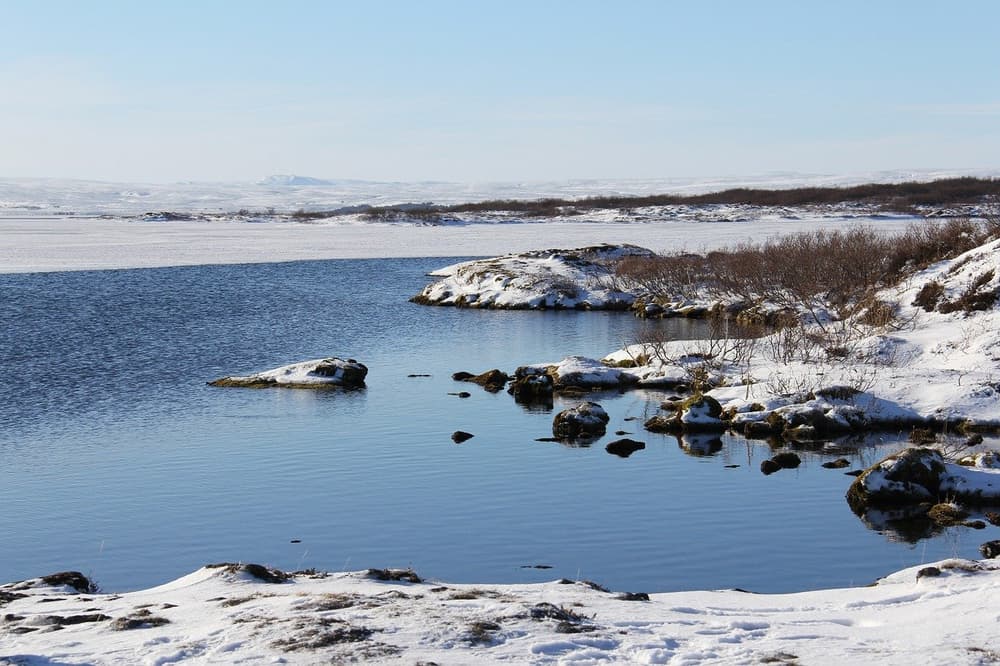
Route 1 along the South Coast is one of Iceland's most rewarding day trips, with Seljalandsfoss and Skógafoss waterfalls, black sand at Reynisfjara, and, further east, the Diamond Beach and Jökulsárlón glacier lagoon. In February this route is usually driveable, but conditions vary day to day, and short daylight hours mean it's worth starting early and checking umferdin.is and safetravel.is before you leave.
Visit Reykjavik and Keflavik museums
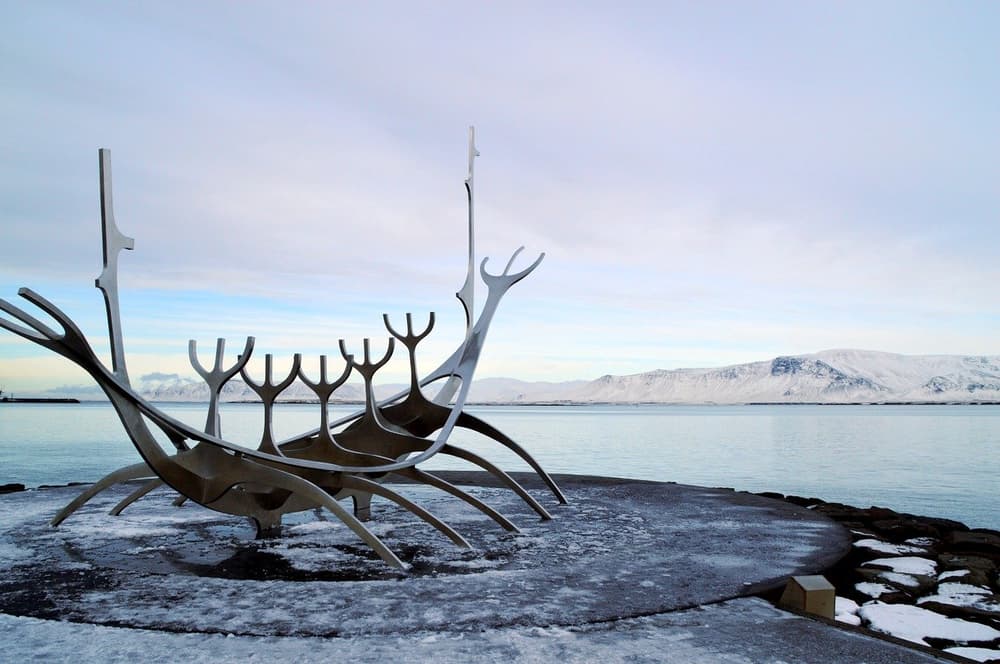
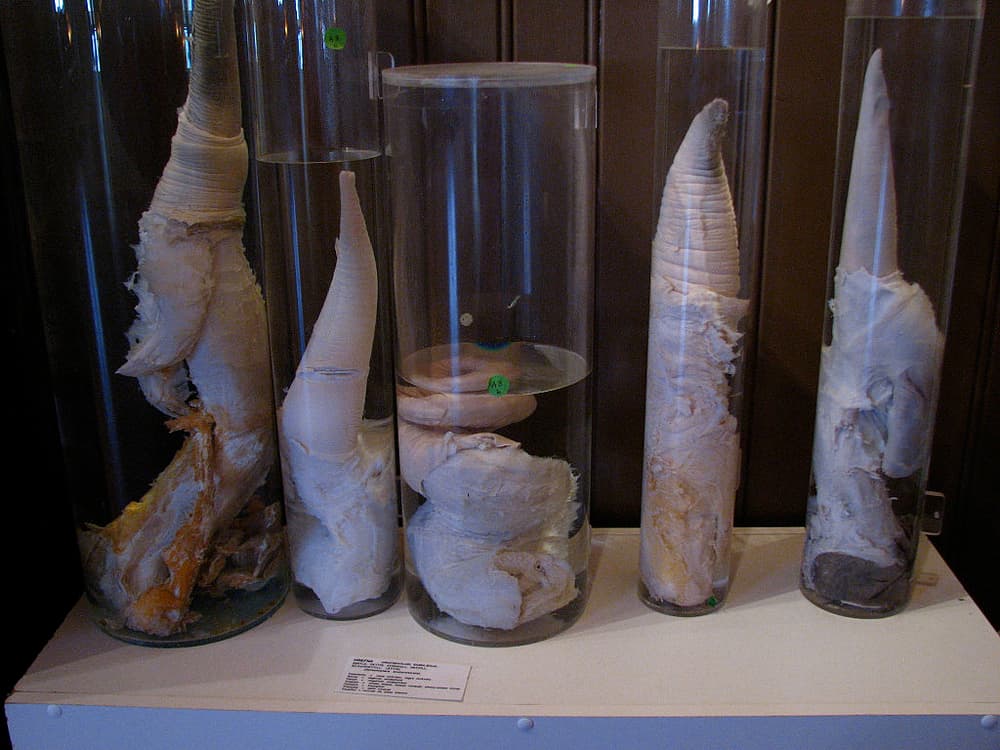
Museums are a reliable option when the weather isn't cooperating. Viking World in Keflavík houses an exact replica of the Gokstad ship along with an exhibition on North Atlantic Viking history. In central Reykjavík, near Hlemmur, the Icelandic Phallological Museum is an unusual but genuinely popular stop, likely the only museum of its kind collecting specimens across Iceland's animal life. Both are indoor, weather-proof, and easy to combine with a day spent closer to the capital.
Try a glacier or ice cave tour
Guided ice cave tours, typically run out of Vatnajökull or Skaftafell, are seasonal and access-dependent, cave stability changes through winter, so these trips only run with a qualified guide and cannot be done independently. Book through a licensed operator and expect the itinerary to be confirmed closer to the date, since conditions decide which caves are safe to enter.
Catch a winter festival, if the timing lines up
February often overlaps with Iceland's winter cultural calendar, including Reykjavík's Winter Lights Festival and, depending on the year, parts of the Þorrablót midwinter feasting season. Exact dates shift from year to year, so check current listings from Visit Reykjavik or your accommodation once your travel dates are set rather than planning around a fixed date.
Where to go and what you'll need
| Activity | Region | Typical vehicle | Note |
|---|---|---|---|
| Secret Lagoon & Golden Circle | Southwest Iceland | 2WD usually manageable; 4x4 adds confidence in snow | Roads paved and well maintained |
| South Coast day trip (Seljalandsfoss to Jökulsárlón) | South Iceland | 4x4 recommended in winter | Long driving day; start early given limited daylight |
| Reykjavik & Keflavik museums | Capital area | Any rental car | City driving, metered/zoned parking applies |
| Northern Lights drives | Anywhere away from city lights | 2WD or 4x4 depending on route | Check vedur.is aurora forecast |
| Glacier or ice cave tours | Vatnajökull / Skaftafell | Guided transport, not self-drive | Book with a licensed operator |
| Highland routes (F-roads) | Central Iceland | Not accessible | F-roads are closed in February |
Driving considerations in February
Winter driving in Iceland is manageable for most visitors, but it rewards preparation. Roads are generally kept clear by Vegagerðin (the Icelandic Road Administration), yet conditions can change within hours depending on wind and precipitation. Before any drive outside the capital, check current status on umferdin.is and any weather warnings on safetravel.is.
F-roads into the highlands are closed in February and typically don't open until summer, so routes like F208, or the Kjölur highland road (road 35), aren't part of a February itinerary regardless of vehicle. For a fuller picture of what's realistic in winter, see our guide to F-roads in Iceland and our broader winter driving guide.
If you're unsure whether you need four-wheel drive for your route, our article on whether you need a 4x4 rental in Iceland walks through the questions worth asking based on your itinerary and comfort level.
Choosing a rental car for February
A 2WD car can be sufficient for a Golden Circle day trip or time spent mainly around Reykjavik, but a 4x4 gives more margin on the South Coast or anywhere snow and ice are likely. Blue Car Rental's full fleet covers both, along with electric and premium options, so the choice comes down to your route rather than a blanket rule, our comparison of 4x4 vs 2WD in Iceland breaks this down further.
Since pickup happens at Keflavík Airport after a long-haul flight, online check-in and key-box collection (for customers who add the Liability Waiver and complete online check-in) are worth arranging in advance so you're not sorting paperwork after landing in the dark. Blue Car Rental provides 24/7 roadside and breakdown assistance, and the optional Roadside Assistance Waiver (1,300 ISK per day, last checked September 2026) reduces the charges if you need it, which matters more in February than in July.
Planning tips for February driving
Don't plan a driving day around summer daylight hours: February's shorter days mean a South Coast loop that feels easy in June can run tight in winter light. Build in buffer time, and treat sunset as your deadline for finishing outdoor stops rather than for arriving back at accommodation.
And don't skip the road and weather updates because a route "looked fine" the previous day. Conditions on open roads like Route 1 can shift quickly with wind or snow, so checking umferdin.is and vedur.is each morning is worth the two minutes it takes.
Is February worth it despite the short days and cold?
If your worry is that February means a diminished Iceland trip, that's not quite right. Daylight is genuinely shorter than summer, but it's improving week by week, and most of the country's signature sights, waterfalls, hot springs, museums, the aurora, are either unaffected by the season or better suited to it. What February takes away in daylight hours, it gives back in quieter roads, fewer crowds at major stops, and a better shot at the Northern Lights than you'll get in summer.
 HOW BLUE CAR RENTAL SUPPORTS LOCAL COMMUNITIES IN ICELAND