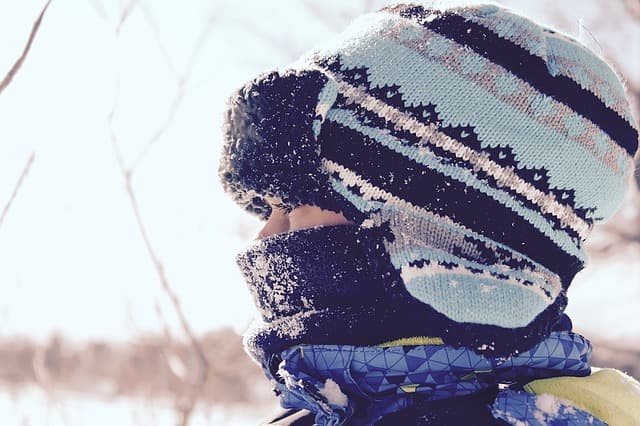

Winter in Iceland can swing from a wet, mild 8-9°C afternoon to a freezing, wind-driven snow squall within the same day, so the right outfit is built around layers and waterproofing rather than a single "winter coat." This matters for a self-drive trip because you'll be getting in and out of the car at viewpoints, waterfalls, and fuel stops in whatever weather shows up, often with icy ground underfoot. Below is a practical breakdown of what actually earns a place in your suitcase.
Short answer: what to pack for Iceland in winter
Bring a waterproof, windproof outer shell, a warm mid layer (wool or fleece), and a base layer you can add or remove as temperatures shift through the day. Pair that with waterproof, insulated boots that have real tread, plus gloves, a hat, and something to cover your face in wind. Slip-on ice grips (crampons) for your boots are worth the small cost given how often footpaths and car parks ice over between December and March.
Why layering matters more than any single item
Icelandic winter weather changes quickly, and long-range forecasts only give you a rough idea of what's coming. A single heavy coat leaves you either sweating in a heated car and shop, or cold the moment you step outside into wind off the North Atlantic. Layers let you adjust as you move between the car, a windy waterfall path, and a warm guesthouse.
The three-layer system used by most people living in Iceland works well for visitors too:
- Base layer, wool or synthetic thermal underwear that manages moisture against your skin
- Mid layer, a fleece or wool sweater for insulation
- Outer layer, a waterproof, windproof jacket and pants that block the elements without trapping too much heat
You can check current conditions and short-term forecasts on Vedur.is, the Icelandic Met Office site, before you head out each day, it's more reliable than a general weather app for local wind and precipitation patterns.
The essential winter packing list
| Item | Why it matters | What to look for |
|---|---|---|
| Waterproof, windproof jacket | Blocks rain, sleet, and coastal wind; roomy enough for a sweater underneath | Sealed seams, adjustable hood |
| Fleece or wool sweater | Main insulation layer, easy to remove indoors | Wool retains warmth even when damp |
| Waterproof hiking boots | Icelandic ground is wet, muddy, or icy for much of winter | Ankle support, deep tread, insulated lining |
| Warm hiking socks | Cold feet end a day out faster than anything else | Wool blend, and boots sized to fit them |
| Slip-on ice grips (crampons) | Footpaths, car parks, and viewpoints ice over often in winter | Basic traction cleats, not mountaineering spikes |
| Waterproof pants | Keeps wind and wet snow off your legs | Windproof lining, roomy fit |
| Thermal base layer / long johns | Extra warmth under pants on colder days | Merino wool or synthetic thermal fabric |
| Hat, gloves, scarf or buff | Wind chill affects extremities fastest | Windproof gloves, a layer that covers the lower face |
Nice-to-have extras that regularly earn their space in a suitcase: a headlamp or flashlight for short daylight hours, lip balm, sunglasses (the low winter sun can be dazzling, especially while driving), a swimsuit for geothermal pools, and a waterproof cover for your backpack or camera bag.
Iceland boots: what actually works underfoot
The single most important item on this list is footwear. Sneakers, fashion boots, or anything without real tread will struggle on icy pavements, gravel car parks, and muddy trails, and wet feet are hard to warm back up once you're outside for a few hours.
Look for boots that are:
- Waterproof, not just water-resistant
- Insulated, since Icelandic winter ground temperatures sit near or below freezing for weeks at a time
- Fitted with deep, aggressive tread for grip on ice and packed snow
- Roomy enough for a thick wool sock without pinching your foot and cutting circulation
If you're stopping at multiple sights along the Ring Road or a South Coast day trip, you'll be walking on gravel, ice, and sometimes packed snow in the same afternoon, good boots make that far more comfortable than trying to switch footwear at every stop.
Dressing differently for driving, hiking, and city walking
Your outfit needs shift a little depending on what you're doing that day, even within the same trip.
Driving days: You'll spend long stretches in a heated car, so it helps to dress in layers you can shed easily rather than one bulky coat you're stuck wearing at the wheel. Sunglasses are genuinely useful here, since low winter sun angles can make oncoming glare a real issue on open roads. If you're new to winter roads, our guide to driving in Iceland in winter covers road conditions and what to expect beyond clothing.
Waterfalls, glacier viewpoints, and hiking stops: This is where full waterproofing and ice grips matter most, since spray from waterfalls and packed snow on trails make surfaces slick. A 4x4 rental can also make reaching some of these spots more manageable in winter conditions, alongside the right footwear.
Reykjavik streets: Pavements in the capital get cleared, but ice patches form quickly after freeze-thaw cycles, so grippy boots are still worth wearing around town. If you're renting a car for part of your stay, our Reykjavik parking guide is useful for working out where to leave the car while you explore on foot.
What to leave at home
A few things people over-pack for Icelandic winter:
- A single heavy parka instead of layers, it's harder to regulate temperature between a cold outdoor stop and a heated car or cafe
- Cotton base layers, cotton holds moisture and stays cold once damp; wool or synthetic performs far better
- Non-waterproof "fashion" boots, they look fine in photos and struggle on ice within a day
- Full mountaineering crampons, unless you're doing a guided glacier walk, basic slip-on ice grips are enough for footpaths and viewpoints
Mistakes to avoid when packing for winter in Iceland
Two mistakes come up often. First, relying on a 10-day or 14-day forecast as if it's fixed, Icelandic winter weather is genuinely changeable, so treat any long-range forecast as a rough guide and check Vedur.is again closer to each day. Second, assuming city-style boots are "good enough" because most of the trip is by car, the walk from a car park to a waterfall or viewpoint is still outdoors, often on ice, and that's exactly where the wrong footwear causes problems.
How your rental car fits into a winter outfit
Clothing gets you through the wind and ice on foot; the vehicle you choose affects how comfortably and safely you handle the roads between stops. Winter self-drive routes call for a vehicle suited to the season and to your specific route, whether that's a 4x4 for higher routes and gravel side roads or a well-equipped 2WD for main paved roads, our 4x4 vs 2WD guide walks through when each makes sense.
At Blue Car Rental, pickup at Keflavik Airport is designed to be straightforward even after a long winter flight: online check-in lets you complete paperwork in advance, with key-box collection (for customers who add the Liability Waiver and complete online check-in) so you're not standing around in the cold waiting at a counter. Every rental includes core coverage such as CDW, gravel protection, and theft protection, and 24/7 roadside assistance is available if winter weather or road conditions cause an issue en route, with the optional Roadside Assistance Waiver (1,300 ISK per day, last checked September 2026) reducing the charges. You can browse the current range of vehicles to match your route, group size, and the season you're travelling in.

 PARKING IN REYKJAVÍK: ZONES, PAYMENT, AND WHERE TO LEAVE YOUR CAR