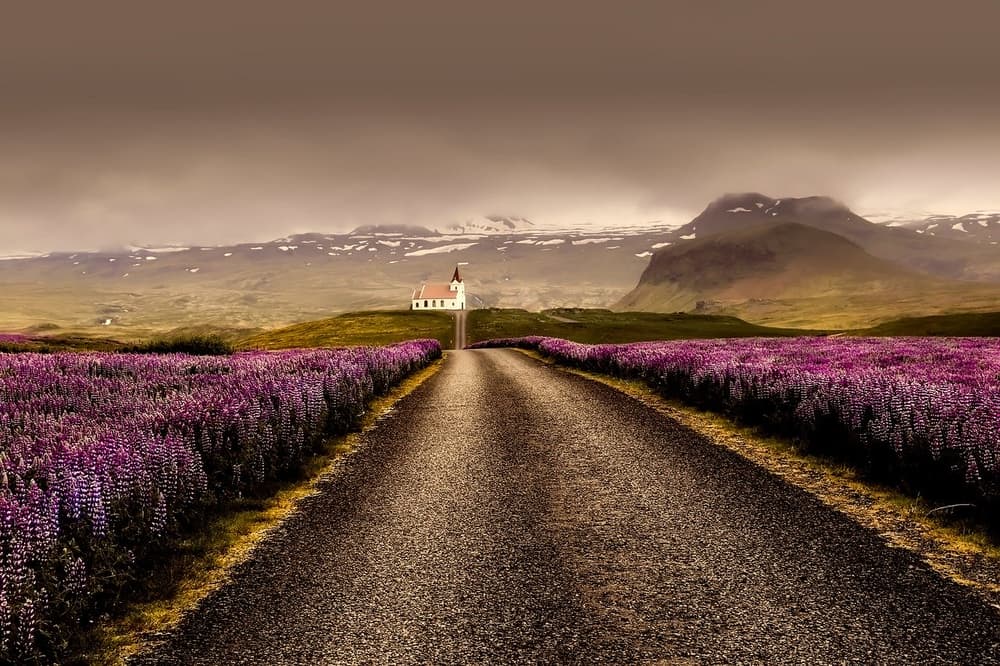

Most visitors who want to see beyond Reykjavik end up asking the same question: do I actually need a car in Iceland, or can I get by with tours and buses? For a self-drive trip covering the Ring Road, the South Coast, or a peninsula like Snaefellsnes, a car in Iceland is generally the most practical option, because public transport outside the capital is limited and many of the country's best stops sit well off any bus route.
Short answer
Yes, for most itineraries a rental car is the best way to travel in Iceland, it gives you control over timing, weather-dependent detours, and stops that organized tours skip. The exception is a short Reykjavik-only trip, where day tours or the city bus system can cover the main sights without a car. Which vehicle you need depends on the season and the roads you plan to drive: a small 2WD car suits summer driving on paved routes, while winter conditions or gravel and mountain roads call for a 4x4.
Why most travellers choose a car in Iceland over tours or transfers
A car in Iceland lets you set your own pace instead of working around a bus schedule or a group itinerary. This matters here more than in most countries, because weather and daylight change plans constantly, and some of the country's best viewpoints have no scheduled transport at all.
Iceland's public transport network is built for locals moving between towns, not for sightseeing. Long-distance buses run limited routes, often once a day outside summer, and they don't stop at the pull-offs where you'd want to photograph a waterfall or walk five minutes to a canyon rim. Renting your own vehicle solves this without the cost or rigidity of private tours, and it's the main reason to explore Iceland by rental car rather than by bus.
That said, a car isn't automatically the right call for everyone. If your whole trip is three days in Reykjavik with day tours to the Golden Circle and South Coast, guided transport can work fine and removes the need to think about winter tyres or F-road rules. Once your plan includes multiple regions, early starts, or flexible detours, a car in Iceland becomes the more sensible choice.
What kind of car do you actually need?
The right vehicle depends on season and route, not personal preference. Iceland's paved Ring Road (Route 1) is manageable in a small 2WD car in summer, but winter conditions, gravel detours, and any road numbered with an "F" change that calculation.
| Season / route | Typical vehicle | Notes |
|---|---|---|
| Summer, Ring Road and paved roads | 2WD compact (e.g. Kia Rio, Toyota Yaris) | Comfortable and economical on tarmac; fine for the Golden Circle, South Coast, Snaefellsnes in good weather |
| Winter, anywhere outside central Reykjavik | 4x4 (e.g. Toyota RAV4, Suzuki Vitara, Dacia Duster) | Snow, ice and cross-winds are common; 4x4 gives better traction and stability |
| Highland F-roads (e.g. F208 Landmannalaugar) | 4x4 only | Legally required, 2WD cars are not permitted on F-roads |
| Family trips or extra luggage | Larger SUV or estate | More space for car seats, luggage, and gear |
| City-only or short stays | 2WD compact or EV | Adequate if you're not leaving the Reykjavik area |
Blue Car Rental's full fleet spans 2WD, 4x4, electric, family and premium vehicles, so the choice comes down to matching the car to your actual route rather than defaulting to the biggest 4x4 available.
If you're still unsure whether your itinerary needs four-wheel drive, the 4x4 vs 2WD comparison and the seven questions to ask before booking a 4x4 walk through it route by route.
Summer driving vs winter driving in Iceland
Summer and winter are different driving environments in Iceland, and the vehicle that's fine in July can be underpowered in January. In summer (roughly June to August), most of the Ring Road, the Golden Circle, and coastal routes are dry, paved, and drivable in a small 2WD car. Daylight is long, and gravel sections are generally well maintained.
Winter driving is a different equation. Snow, ice, sudden wind gusts, and short daylight hours are all normal, and the Icelandic Road Administration (Vegagerðin) and Icelandic Met Office frequently update road and weather conditions that can close or restrict routes with little notice. A 4x4 with good winter tyres handles these conditions more confidently than a 2WD car, and it's worth reading a dedicated winter driving guide before a trip between roughly October and April. Regardless of season, always check current conditions on umferdin.is and safetravel.is before setting out, particularly on any route away from the capital.
Where a car takes you that a tour bus doesn't
A car in Iceland opens up regions that day tours rarely cover in depth, because they're either too far from Reykjavik for a single-day loop or too spread out for a group bus schedule. Three examples:
- The East Fjords, narrow valleys, steep cliffs, and small fishing villages strung along Route 1's eastern stretch, reachable at your own pace only with your own vehicle.
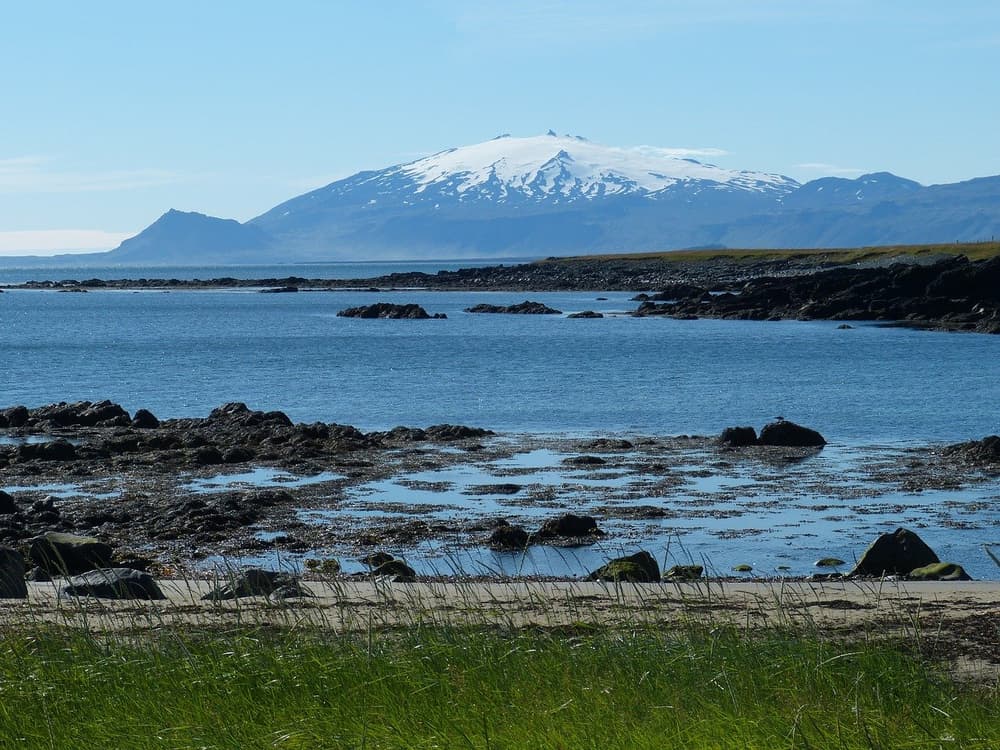
- Snaefellsnes Peninsula, often called a miniature version of Iceland, with coastline, lava fields, and mountain views within a day's drive of Reykjavik, but awkward to see properly on a fixed tour schedule.
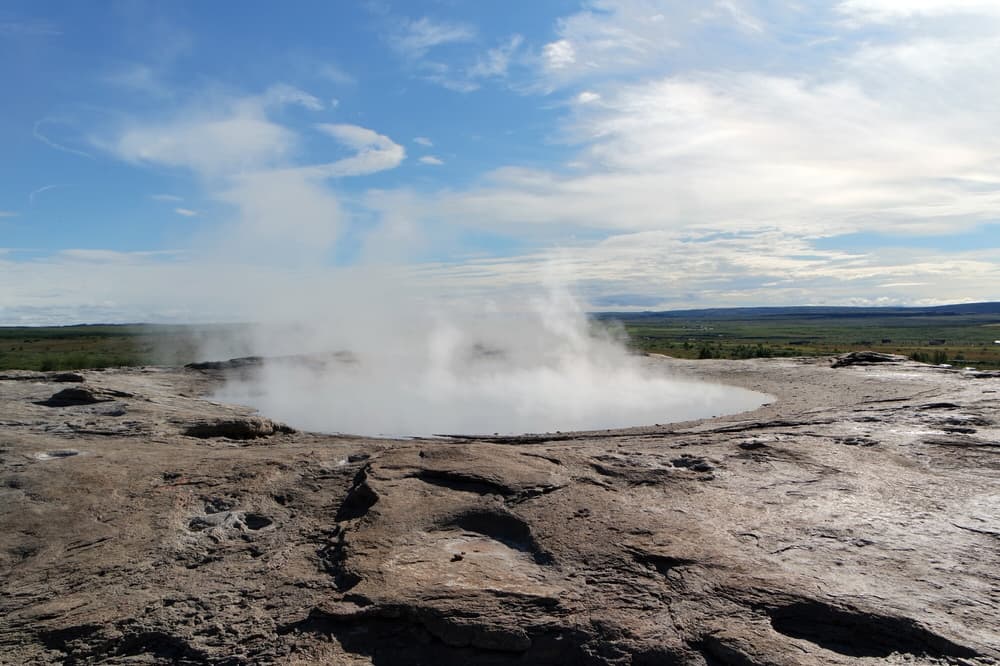
- The Golden Circle, doable as a tour, but a rental car lets you linger at Geysir or Gullfoss without a bus waiting, and adjust for weather.
For anything involving highland F-roads, note that a 4x4 is a legal requirement, not just a recommendation, see the guide to F-roads and the highlands for which routes typically open by season and what that means for vehicle choice.
What's included when you rent a car in Iceland
Rental terms vary by company, so it's worth knowing what's standard before you compare quotes. At Blue Car Rental, every rental includes CDW, SCDW, Gravel Protection, Theft Protection, and Third-Party Liability as standard. Instead of holding a cash deposit, Blue takes a credit-card imprint as security, no funds are actually withheld or blocked. The car rental deposit guide explains how this works.
| Coverage | Included as standard | What it covers |
|---|---|---|
| CDW / SCDW | Yes | Collision damage, with reduced excess under SCDW |
| Gravel Protection | Yes | Damage from loose gravel, common on unpaved roads |
| Theft Protection | Yes | Theft of the vehicle |
| Third-Party Liability | Yes | Damage or injury caused to others |
| Tyre cover | Liability Waiver (LW) only | Tyre damage, plus water damage including legal river crossings, underbody, wind-door, sand and ash |
The Liability Waiver is the add-on to look at if your route includes gravel roads, coastal wind exposure, or a legal river crossing on an F-road, it does not cover illegal crossings or off-road driving, which fall outside any protection. Full details are on the insurance and coverage page, and the pricing and hidden-costs guide is worth a read if you want to understand what typically shows up as an extra charge and what doesn't.
Picking up your car at Keflavik Airport
Most self-drive trips start the moment you land, so pickup speed matters. Blue Car Rental offers online check-in ahead of arrival, and customers who add the Liability Waiver and complete online check-in can collect their keys from the key box at Keflavik Airport, which is designed to cut down on queueing after a long flight. If it's your first time renting in Iceland, the Keflavik Airport pickup guide or the online check-in page explains what to expect on arrival. Most valid foreign driver's licences are accepted for tourists renting in Iceland, though requirements can vary by country of issue, so check the requirements for your licence before booking.
Does having a car in Iceland change your budget?
It usually does, but not always in the direction people expect. A rental car adds a daily cost plus fuel, but it often replaces several individual day-tour bookings, which can add up over a week-long trip. Costs vary with season, vehicle class, and how far in advance you book, the car hire pricing guide breaks down what typically drives the price up or down, and it's worth checking current rates directly rather than relying on last year's figures. Parking is part of the cost too if you drive into central Reykjavik, which uses a zone-based paid parking system, see the Reykjavik parking guide before your first day driving in. Loyalty discounts are also available through Blue+, with tiered savings for returning customers.
The bottom line
If your Iceland trip involves more than Reykjavik itself, a car is generally the most practical way to see it, and the real decision isn't whether to rent but which vehicle fits your season and route. Match the car to summer or winter conditions, understand what your insurance actually covers, and check road and weather updates before any drive outside the capital. Beyond that, driving in Iceland is straightforward for most visitors who plan sensibly for the season they're travelling in.
 DRIVING ICELAND'S RING ROAD IN WINTER: WHAT TO EXPECT