
Is Iceland in the EU? It’s one of the most common questions travelers ask when planning a trip to this unique Nordic island. Iceland is geographically part of Europe and shares many cultural and economic ties with EU countries, but the answer is not as simple as yes or no. To better understand its location, you can explore where Iceland is on the map and how it connects to the rest of Europe.
While many nearby nations like Sweden, Denmark, and Finland are members of the European Union, Iceland has chosen a different path. Understanding Iceland’s relationship with the EU, the European Economic Area (EEA), and the Schengen Area can help you better prepare for your trip—especially when it comes to travel rules, currency, and planning a smooth self-drive adventure.
In this complete guide, we’ll explain Iceland’s political and economic position in Europe, what it means for travelers, and how it affects everything from border control to car rental in Iceland.
Is Iceland Part of the European Union?
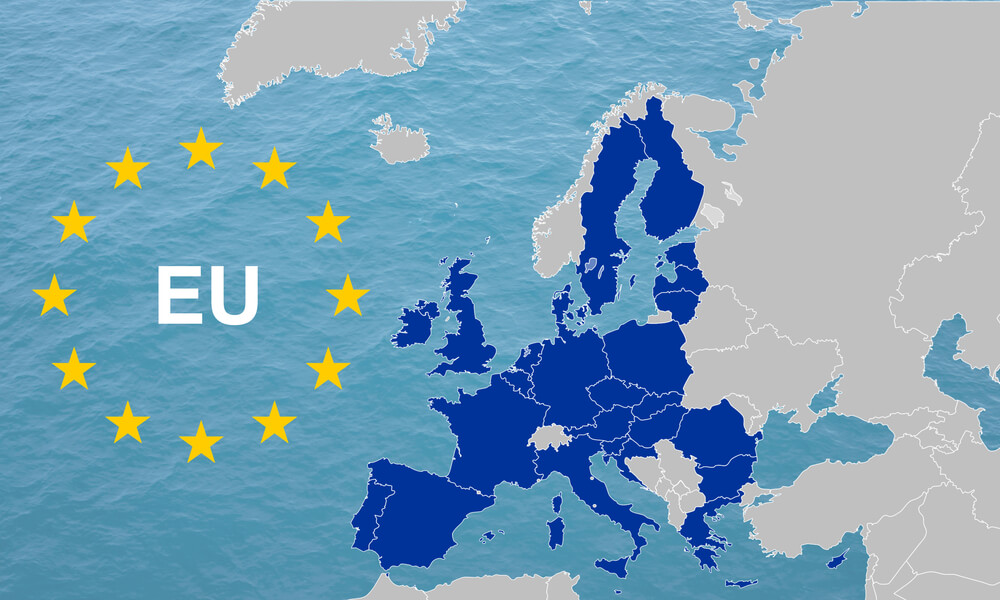
No, Iceland is not a member of the European Union. Despite being closely connected to Europe in many ways, Iceland has never fully joined the EU.
The question “is Iceland in the EU” often comes up because the country participates in several European agreements that make it feel similar to EU member states. However, Iceland remains independent when it comes to political decisions, agriculture, fisheries, and monetary policy.
The country did apply for EU membership in 2009 following the financial crisis, but negotiations were paused in 2013 and have not resumed since. Today, there is no active plan for Iceland to join the European Union.
Why Is Iceland Not in the EU?
The debate about whether Iceland should join the European Union has been ongoing for decades. The main reasons Iceland has stayed outside the EU are largely economic and political.
- Control over fisheries: Iceland relies heavily on its fishing industry and prefers to manage its own waters rather than follow EU regulations.
- Agricultural independence: Iceland maintains its own policies to protect local farmers and production.
- Currency control: Keeping the Icelandic króna allows flexibility in economic policy.
- Public opinion: Support for joining the EU has fluctuated, but there is currently no strong majority in favor.
Although Iceland is not in the EU, it still benefits from close cooperation with European countries through other agreements.
Iceland and the European Economic Area (EEA)
Even though Iceland is not part of the European Union, it is a member of the European Economic Area (EEA). This agreement plays a crucial role in Iceland’s relationship with EU countries.
The EEA includes all EU member states plus Iceland, Norway, and Liechtenstein. Through this agreement, Iceland participates in the EU single market.
This means:
- Free movement of goods between Iceland and EU countries
- Freedom to provide services across borders
- Movement of people for work and travel
- Access to many EU programs and regulations
However, Iceland does not have voting power in EU decision-making, which is a key difference from full EU membership.

Is Iceland in the Schengen Area?
Yes, Iceland is part of the Schengen Area. This is another reason why many travelers assume Iceland is in the EU.
The Schengen Agreement allows passport-free travel between participating countries. So if you are traveling from another Schengen country, you typically won’t go through passport control when entering Iceland.
For travelers, this means:
- Smooth border crossings within Europe
- No passport checks between Schengen countries
- Simplified travel logistics
This is especially convenient if you are combining Iceland with other European destinations.
Quick Comparison: EU vs EEA vs Schengen
| Feature | European Union (EU) | EEA Membership | Schengen Area |
|---|---|---|---|
| Political union | Yes | No | No |
| Single market access | Yes | Yes | No |
| Free movement of people | Yes | Yes | Yes |
| Common currency (Euro) | Some members | No | No |
| Passport-free travel | Partially | Partially | Yes |
| Iceland included? | No | Yes | Yes |

Does Iceland Use the Euro?
No, Iceland does not use the euro. The official currency is the Icelandic króna (ISK).
The króna is considered a small or “micro-currency,” used by a population of fewer than 400,000 people. While the euro is widely used across many EU countries, Iceland has chosen to keep its own currency to maintain economic independence. If you’re wondering whether you can pay with euros in Iceland, the answer depends on the situation—but local currency is always preferred.
For travelers, this means:
- You’ll need to pay in Icelandic króna
- Credit and debit cards are widely accepted
- Cash is rarely needed
There has been ongoing discussion about adopting the euro, but this would likely require EU membership, which is not currently on the agenda.
What This Means for Travelers to Iceland
Understanding whether Iceland is in the EU helps you better prepare for your trip. While the differences may seem technical, they can affect your travel experience in several ways. For a full overview, check out these travel tips for first-time visitors.
1. Border and Entry Requirements
Since Iceland is part of the Schengen Area, travelers from other Schengen countries can enter freely without passport checks. However, visitors from outside Europe should still check visa requirements.
2. Currency and Payments
You won’t use euros in Iceland. Instead, you’ll pay in króna, although nearly all businesses accept international cards. It’s also helpful to understand how expensive Iceland can be for travelers when planning your budget.
3. Mobile Roaming
EU roaming rules may not fully apply in Iceland. Some providers include Iceland in their European coverage, but it’s best to check before traveling.
4. Driving and Car Rental in Iceland
If you’re planning a road trip, understanding Iceland’s status can help with documentation and expectations. EU driver’s licenses are generally accepted, making it easy to pick up your vehicle and start exploring. You can also learn more about how to explore Iceland in a rental car before your trip.
For a smooth experience, consider booking your car rental in Iceland in advance. With flexible vehicle options and full insurance coverage, it’s the best way to explore Iceland’s landscapes at your own pace. If you’re planning routes, this self-drive Iceland itinerary is a great place to start.
Iceland’s Trade and Economic Relationship with the EU
Even though Iceland is not in the EU, it maintains strong economic ties with European Union countries. The EU is Iceland’s largest trading partner, accounting for a significant portion of exports and imports.
Through the EEA agreement, Iceland follows many EU regulations related to the single market. This allows businesses to operate smoothly across borders while maintaining national independence in key sectors.
This balance between cooperation and independence is central to Iceland’s current position.
Could Iceland Join the EU in the Future?
The possibility of Iceland joining the European Union remains open, but it is not actively being pursued.
Factors that could influence future membership include:
- Economic conditions
- Public opinion
- Global political changes
- Currency stability
For now, Iceland continues to benefit from its EEA membership while maintaining full sovereignty.

Iceland and European Culture
Despite not being in the EU, Iceland is deeply connected to European culture. From language and history to music and traditions, Iceland shares strong ties with the continent. To dive deeper, explore Icelandic culture and traditions and learn what language people speak in Iceland.
A fun example is Iceland’s participation in Eurovision. Although not an EU institution, the contest highlights how Iceland actively engages with Europe culturally.
Iceland has been part of Eurovision since 1986 and remains one of the most enthusiastic participants.
Planning Your Trip to Iceland
Whether Iceland is in the EU or not, one thing is certain—it’s one of the most incredible destinations in Europe.
To make the most of your trip:
- Plan a self-drive itinerary to explore beyond Reykjavík
- Prepare for changing weather conditions
- Understand local driving rules and road types
- Book your car rental early for the best availability
For more travel insights, explore our practical information guides and learn more about Icelandic culture before your trip.
Final Answer: Is Iceland in the EU?
To sum it up clearly: Iceland is not in the EU, but it is closely connected through the European Economic Area and the Schengen Area.
This unique position allows Iceland to enjoy many of the benefits of EU cooperation while remaining independent. For travelers, it means easy access, smooth travel, and a slightly different—but simple—experience when it comes to currency and regulations.
Understanding this relationship helps you travel smarter and enjoy everything Iceland has to offer.
 HOW BLUE CAR RENTAL SUPPORTS LOCAL COMMUNITIES IN ICELAND