
East Iceland rarely gets the crowds of the Golden Circle or the South Coast, and that's part of its appeal. This guide covers the attractions that locals and repeat visitors actually point to when asked what to see in the East Fjords, plus practical notes on driving times, road conditions and vehicle choice so you can plan the route realistically.
Short answer: there isn't one single official "best" attraction in East Iceland, the region rewards a slower pace rather than a checklist. That said, if you only have time for a handful of stops, most travellers and locals point to the fjord-side drive through the East Fjords itself, the colourful town of Seyðisfjörður, Petra's Stone Collection in Stöðvarfjörður, and the old spar mine at Helgustaðanáma near Eskifjörður. Each of these can be reached by paved road (Route 1 and its connecting fjord roads) in normal summer conditions, though winter travel requires more caution and current road checks.
Seyðisfjörður: the town most people photograph
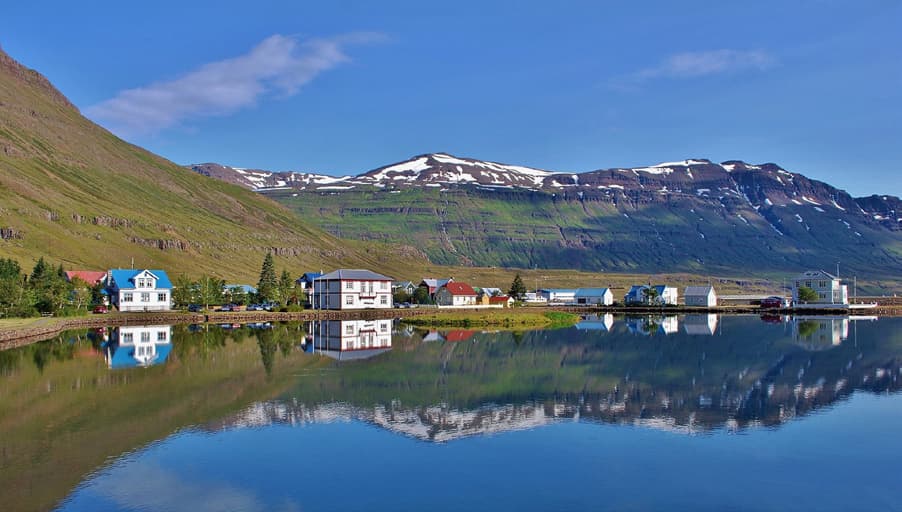
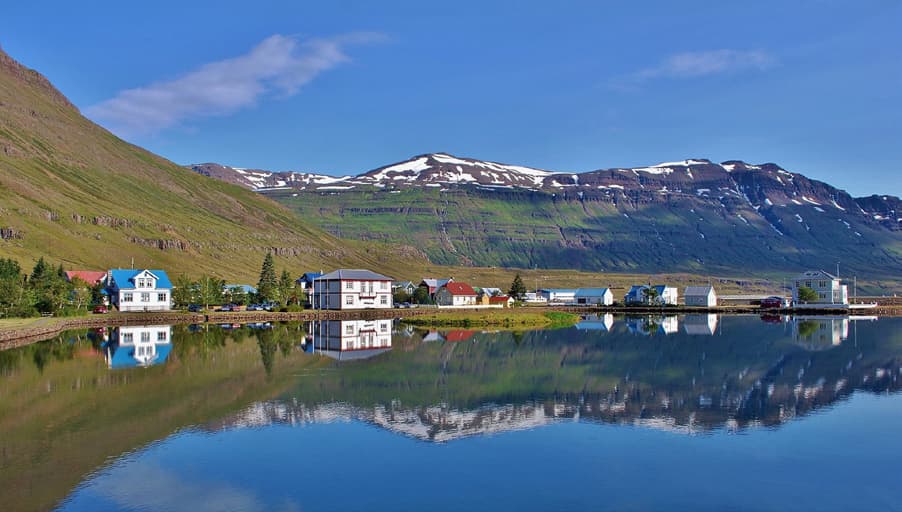
Seyðisfjörður is usually the single most-photographed stop in East Iceland, and for good reason. This is the town where the Norröna ferry docks on its route around Scandinavia and the Faroe Islands, so many visitors arrive here rather than by plane.
The town centre has a distinctive blue church, a scatter of colourful timber and corrugated-iron houses, and a small, walkable collection of cafés and shops. It sits at the end of a long fjord road that drops down from a mountain pass, which is itself part of the experience, the descent into Seyðisfjörður offers one of the more memorable viewpoints in the East Fjords. In winter, this pass can close or require snow tyres and caution, so it's worth checking conditions before driving it outside summer.
Petra's Stone Collection and the old spar mine at Helgustaðanáma
If gemstones and minerals interest you, these two stops pair naturally and sit close together on the same stretch of coast.
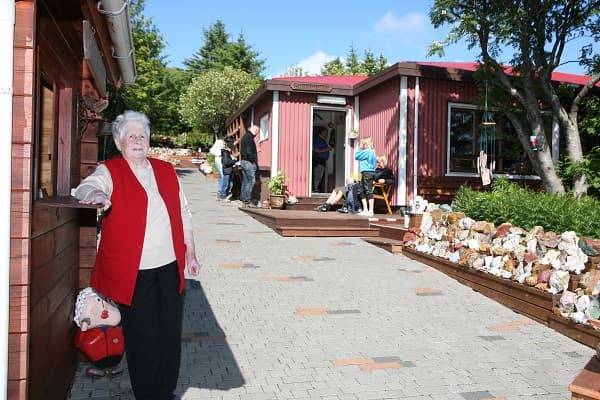
Petra's Stone Collection, in the village of Stöðvarfjörður, is the private home and garden of Petra Sveinsdóttir, who spent decades collecting stones, crystals and minerals from across the East Fjords. The collection fills her house and yard and is one of the more unusual private museums in Iceland.
A short drive away, near Eskifjörður, is Helgustaðanáma, a historic spar mine that once supplied optical-grade calcite used in scientific instruments elsewhere in Europe. It's a protected site, visitors are asked not to remove any stones or crystals, since ongoing souvenir-taking has damaged the site over the years. This is also the answer, indirectly, to the occasional search for "Iceland mines", Helgustaðanáma is the East Fjords' best-known historical mining site.
Kárahnjúkavirkjun and the wild reindeer of the highlands
Near Reyðarfjörður sits Kárahnjúkavirkjun, the largest hydroelectric power plant in Iceland and among the largest of its type in Europe. It's an unusual stop compared with the region's fishing villages and coastal scenery, worth a look if industrial engineering or dramatic highland terrain interests you.
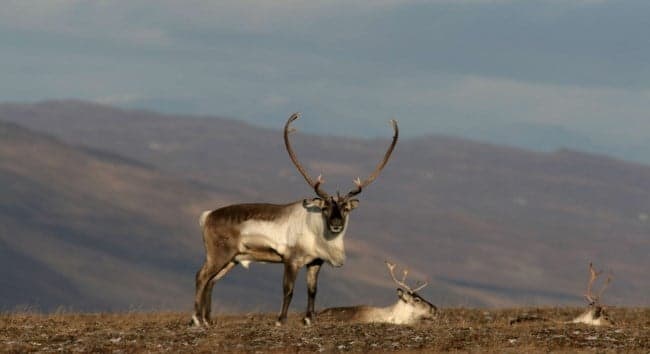
The highlands above the East Fjords are also home to the majority of Iceland's wild reindeer population. Reindeer aren't native to Iceland; they were introduced in the 18th century with plans to domesticate them, but the plan was quietly abandoned and the herds have been wild ever since. Sightings aren't guaranteed, but reindeer sometimes come down close to the smaller towns, particularly outside summer.
Hallormsstaðaskógur and Borgarfjörður Eystri
Near Egilsstaðir, Hallormsstaðaskógur is Iceland's largest forest, a genuine novelty in a country where trees are famously scarce. It's a good stop for a short walk if you're passing through the Egilsstaðir area, which functions as the main hub of East Iceland.
Further north, Borgarfjörður Eystri is a small, remote village known for its puffin colony, hiking trails, and local folklore about elves and hidden people. It also hosts Bræðslan, one of Iceland's better-known music festivals, held in a converted fish factory. Getting there involves a detour off the Ring Road, so it suits travellers with a bit of extra time rather than a tight one-day itinerary.
Driving the East Fjords itself, the destination is the road
Ask locals what the single best thing to see in East Iceland is, and many will say: the drive itself, without a fixed destination. The East Fjords road system winds along fjord after fjord, past small fishing villages, without the tour-bus traffic common elsewhere in Iceland.
Rather than plotting every stop in advance, it's worth building slack into your itinerary to pull over at a viewpoint, wander into an unplanned village, or take a short detour, this is where places like the small village of Djúpivogur, or the dramatic peaks of Vestrahorn, tend to get discovered. For more on Iceland's landscapes generally, our guide to natural wonders covers what makes different regions distinct.
East Iceland attractions at a glance
| Attraction | Type | Where | Good to know |
|---|---|---|---|
| Seyðisfjörður | Town, architecture, viewpoint | End of fjord road, ferry terminal | Mountain pass in; check conditions in winter |
| Petra's Stone Collection | Private museum, minerals | Stöðvarfjörður | Small, walkable, unusual private collection |
| Helgustaðanáma | Historic spar mine | Near Eskifjörður | Protected site, no removing stones |
| Kárahnjúkavirkjun | Hydroelectric plant | Near Reyðarfjörður | Iceland's largest hydro plant |
| Wild reindeer | Wildlife | East Fjords highlands | Sightings not guaranteed, more likely outside summer |
| Hallormsstaðaskógur | Forest, short walks | Near Egilsstaðir | Iceland's largest forest |
| Borgarfjörður Eystri | Village, hiking, puffins | North of the main fjord road | Detour off Route 1; needs extra time |
Getting to East Iceland and choosing the right vehicle
Most visitors reach East Iceland either by driving the Ring Road (Route 1) around from the south or by arriving on the Norröna ferry into Seyðisfjörður. Either way, the East Fjords roads are mostly paved, and a standard 2WD car is generally sufficient in summer for the main sights covered here. Some travellers do also combine an East Iceland leg with a highlands detour, in which case an F-road-capable 4x4 becomes relevant, our 4x4 vs 2WD comparison walks through when each makes sense.
Winter changes the picture. Mountain passes around Seyðisfjörður and some of the smaller fjord roads can be affected by snow, wind or ice, and closures are possible. If you're planning an East Iceland trip outside summer, it's worth reading our winter driving guide before you go, and checking current conditions on umferdin.is (Vegagerðin) and vedur.is (the Icelandic Met Office) as you travel.
Because East Iceland often forms one leg of a longer Ring Road trip, it's worth choosing a rental car that suits the whole itinerary rather than just this region, Blue Car Rental's vehicle range covers 2WD, 4x4, and other options, and online check-in with key-box pickup (for customers who add the Liability Waiver and complete online check-in) at Keflavik Airport means you can collect the car and start driving without waiting in a counter queue.
Mistakes to avoid when planning an East Iceland trip
A few patterns come up repeatedly with first-time visitors to the region:
- Trying to see everything in one day. East Iceland's fjord roads are winding and slower than they look on a map. Building in fewer stops with more time at each usually works better than a packed list.
- Skipping Seyðisfjörður because it's "just" a ferry town. The town itself, and the drive down to it, is one of the more distinctive stops in the region even if you're not arriving by ferry.
- Assuming winter roads behave like summer roads. Mountain passes near Seyðisfjörður and some fjord connectors can close or require extra caution outside the summer months.
- Not checking fuel stops. East Iceland's villages are small and spaced out; it's sensible to top up fuel when you see a station rather than assuming the next town will have one nearby.
- Underestimating detours like Borgarfjörður Eystri. These are rewarding but add real driving time, factor them in rather than squeezing them into a tight schedule.
For related route planning, our piece on hiking in Iceland's canyons covers other regions worth combining with an East Fjords itinerary if you're building a longer road trip.
 CAN YOU DRINK TAP WATER IN ICELAND?