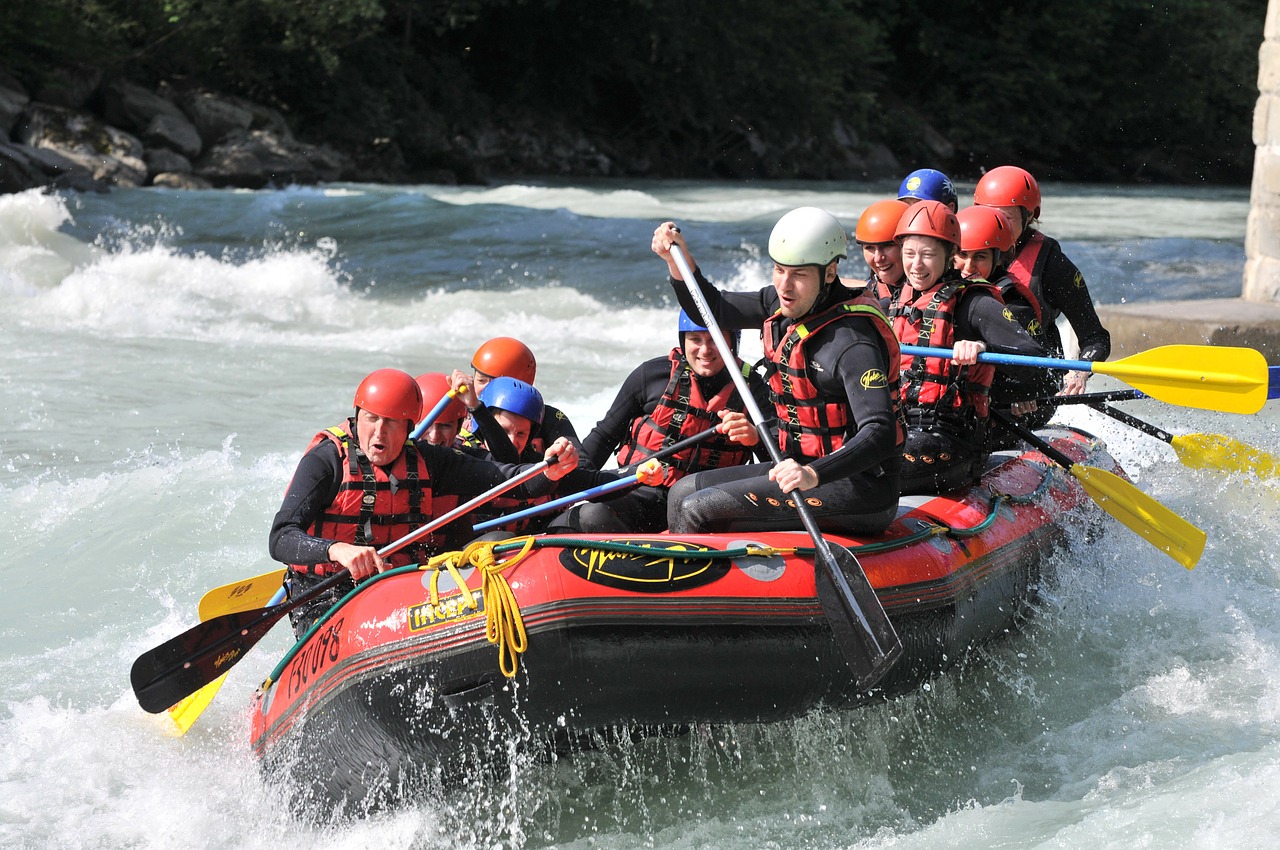

River rafting is one of the more accessible outdoor adventures for self-drive travellers in Iceland, with operators running trips on glacial rivers near Reykjavik, in north Iceland, and in the east. This guide covers where the main rafting rivers are, how family-friendly and whitewater trips differ, what gear and safety standards to expect, and how to reach meeting points by rental car.
Is river rafting in Iceland worth doing, and where should you start?
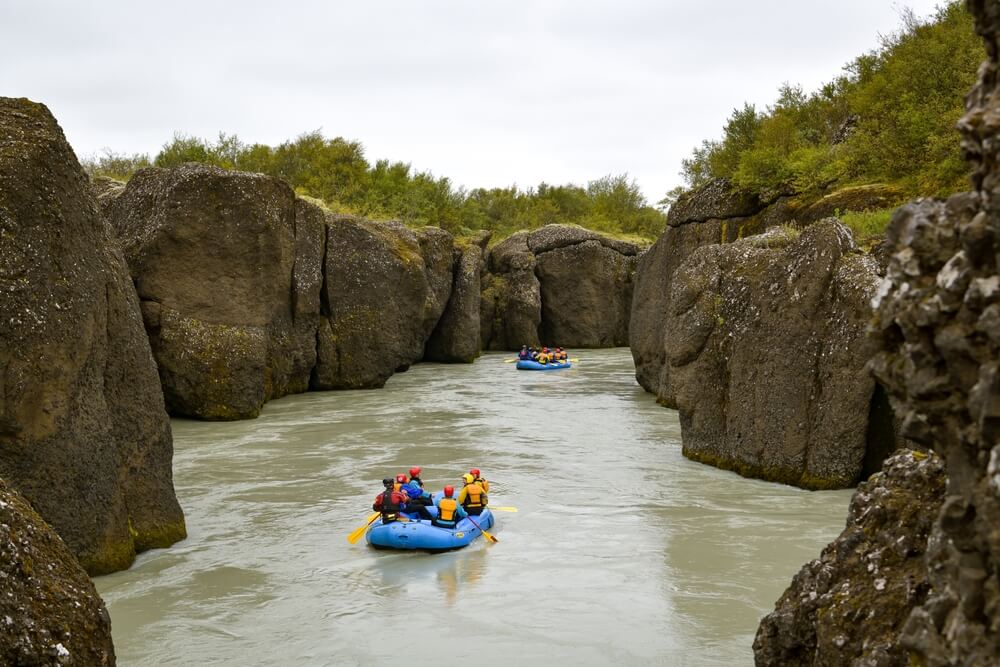
Yes, river rafting in Iceland is worth considering if you want a hands-on way to experience a glacial river and canyon scenery up close, rather than just viewing them from a lookout. The best-known and most accessible option is the Hvítá River near the Golden Circle, about 90 minutes from Reykjavik, which suits both first-timers and families. Rivers further north and east, such as those near Húsavík, offer a quieter, less crowded alternative for travellers already road-tripping that part of the Ring Road.
Most tours run from spring through early autumn, when water levels and daylight are more favourable; exact operating dates vary by operator and by river, so it's worth checking directly with the tour company before building your itinerary around it.
Where in Iceland can you go river rafting?
River rafting tours in Iceland are concentrated around a handful of glacial rivers, each with a different character. The most popular is the Hvítá ("White River") near Gullfoss and the Golden Circle, but options also exist further afield for travellers driving the Ring Road.
- Hvítá River (South/Golden Circle): The classic choice, roughly 90 minutes' drive from Reykjavik. It runs through a canyon near Gullfoss, with sections ranging from calmer floats to whitewater typically rated around grade 2–3 by operators (check current trip descriptions, as ratings can vary by operator and season). This is the river most commonly paired with combo tours.
- Skjálfandafljót (North Iceland, near Húsavík): A quieter alternative for travellers who are already exploring north Iceland, often combined with whale watching or the Diamond Circle route.
- Jökulsá á Fjöllum area (Northeast/East Iceland): Less frequently run and more dependent on operator availability and season, this glacial river drains from Vatnajökull and offers a wilder, more remote setting.
| Region | River | Typical trip style | Best season | Approx. distance from Reykjavik |
|---|---|---|---|---|
| South / Golden Circle | Hvítá | Family float to grade 2–3 whitewater | Spring–autumn | ~90 minutes |
| North Iceland | Skjálfandafljót | Moderate whitewater | Summer | ~5–6 hours (via Ring Road) |
| Northeast / East Iceland | Jökulsá á Fjöllum area | Whitewater, more remote | Summer (availability varies) | ~6+ hours |
Distances and drive times are approximate and vary with route and stops; check current road conditions before a long drive to any of these areas.
Family rafting versus whitewater rafting, which should you choose?
Both are available in Iceland, and the right choice depends on who's travelling and how much adrenaline you're after. Family rafting trips on the Hvítá typically use calmer stretches of river, shorter routes, and a gentler pace, making them workable for children and less experienced travellers. Whitewater trips take on the canyon's faster sections and are better suited to travellers who want a more physical, splashier experience.
If you're travelling with a mixed group, some wanting adrenaline, others preferring a scenic float, it's worth asking the operator directly whether they can separate groups by comfort level, since this varies by company and by day's water conditions.
What combo tours are available with rafting in Iceland?
Combo tours pairing rafting with another activity are common on the Hvítá River and can be a practical way to fit more into a single day near the Golden Circle.
- ATV + rafting: A guided quad bike ride followed by a rafting run down the Hvítá.
- Horse riding + rafting: A ride on an Icelandic horse, followed by the same river trip.
Both combos are run by tour operators rather than by car rental companies, so you'll book them separately, but if you're self-driving the Golden Circle, it's straightforward to build a rafting stop into a day that also covers Geysir and Gullfoss, since the meeting points sit close to that route.
How cold is the water, and what safety gear is provided?
Iceland's glacial rivers are cold even in summer, since they're fed by meltwater from ice caps and glaciers rather than warmed by ambient air temperature. Reputable operators account for this as standard practice: you'll be issued a drysuit or wetsuit, a helmet, and a life jacket, and given a safety briefing before getting on the water. Guides are experienced with the specific river they run and will assess conditions on the day.
Because trips depend on qualified guides and gear you won't have with you as a self-driver, this is one adventure where booking through an established operator, rather than attempting anything independently on a glacial river, is the sensible approach. If you're prepping generally for cold, wet conditions in Iceland, it's also worth glancing at what to pack for changeable weather, since layers under a rental drysuit make a noticeable difference in comfort.
How do you get to a rafting tour if you're self-driving?
Most rafting meeting points are reachable on paved or well-maintained gravel roads, and a standard rental car is usually sufficient for the Golden Circle area around the Hvítá. If your rafting day is combined with a longer detour into north or east Iceland, or if you're adding gravel stretches off the main Ring Road, it's worth thinking through vehicle choice in advance, our guide on whether you need a 4x4 rental in Iceland walks through the questions that actually matter for route planning.
A few practical points for self-drivers:
- Gravel roads leading to some rafting bases can kick up loose stone, so it's worth understanding what Gravel Protection covers before you drive them, see the insurance options page for how coverage is structured.
- If your route to a northern or eastern rafting river crosses any F-roads, check our F-road guide to the highlands first, since F-roads legally require a 4x4 and conditions change through the season.
- Picking up your car with online check-in before arriving at Keflavik Airport can save time on a day you're trying to reach a rafting meeting point on schedule.
- If your trip starts or ends in Reykjavik, our parking guide covers the city's zone system so you're not scrambling for a spot before an early departure.
Choosing between a 2WD and 4x4 for a trip that includes rafting plus other stops is also covered in our breakdown of when a smaller car is enough, which is worth reading if your itinerary mixes paved Golden Circle roads with gravel detours further out.
Mistakes to avoid when planning a rafting day
A few recurring issues catch travellers out when booking rafting in Iceland:
- Underestimating drive time to northern or eastern rivers. These are genuine day-trip distances from Reykjavik, not quick detours, factor in the return drive, especially if you also want daylight for sightseeing.
- Not checking the season. Rafting availability is weather- and water-level dependent and generally runs spring through early autumn; operators may pause trips outside this window.
- Skipping the weather check. Before any long drive to a rafting base, it's worth checking vedur.is for forecasts and umferdin.is for road conditions, particularly if you're heading north or east.
- Assuming any rental car handles any access road. Some rafting bases sit down gravel side roads; if in doubt, ask the operator what vehicle their meeting point requires.
Should you book a rafting tour on your Iceland trip?
If the worry is whether river rafting in Iceland is manageable for an average traveller, not just extreme-sports enthusiasts, the answer is yes, provided you book with an established operator and pick a trip level (family float or whitewater) that matches your group. The main planning task on your end is logistics: getting yourself to the meeting point with enough time, in a vehicle suited to the access road, and with an eye on the weather if you're driving any distance. For most visitors basing a day around the Hvítá and the Golden Circle, that's a modest ask, for those extending to rivers in the north or east, a bit more route planning pays off. Either way, it remains one of the more memorable ways to get close to Iceland's glacial rivers rather than just photographing them from a bridge.
 CAN YOU DRINK TAP WATER IN ICELAND?