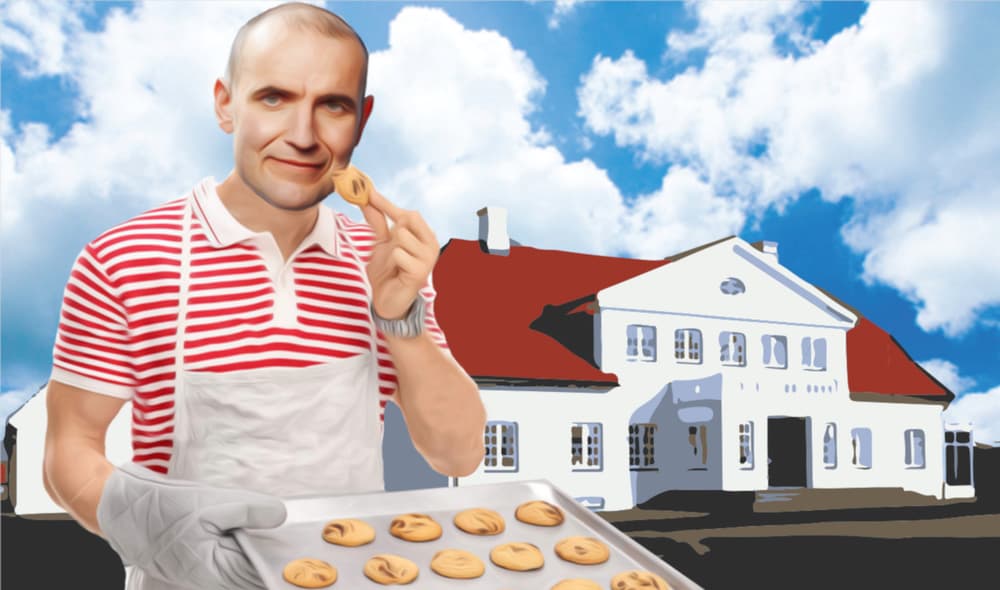

Bessastaðakökur are a simple, buttery Icelandic biscuit named after Bessastaðir, the official residence of Iceland's president, located on the Álftanes peninsula a short drive from Reykjavik. This guide covers where the name comes from, the full recipe, how it compares to other biscuits travellers often ask about, and a few practical notes for anyone planning a self-drive trip past Bessastaðir itself.
What are bessastaðakökur, in short
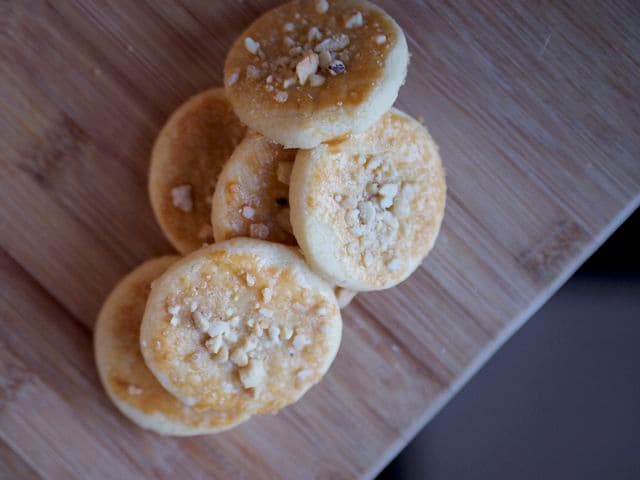
Bessastaðakökur are a rolled shortbread-style biscuit made from butter, flour, icing sugar, egg, and chopped almonds, baked at a low enough temperature that they stay pale rather than browning. The recipe is traditionally traced to Jakobína Thomsen, wife of the poet Grímur Thomsen, who lived at Bessastaðir in the late 1800s, and the biscuits became a fixture at the presidential residence under Vigdís Finnbogadóttir (president 1980–1996), who brought her family's recipe with her and often served them to guests. They're one of the more distinctive entries in the broader family of Icelandic cookies, and a good one to try if you're curious about what's actually served in Icelandic homes rather than what's marketed to tourists.
Where does the name come from?
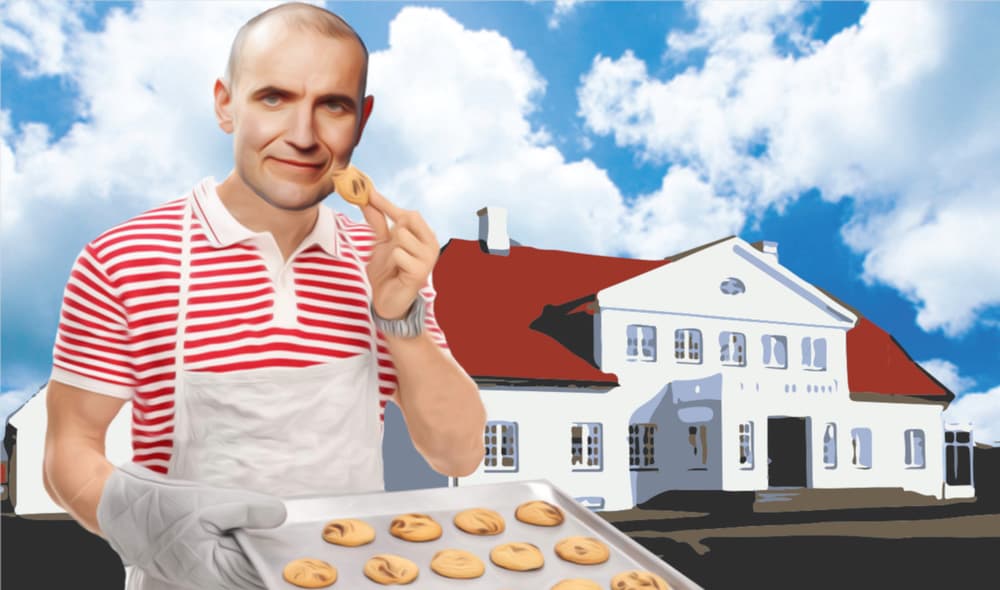
The name simply means "cakes of Bessastaðir." Bessastaðir has been inhabited since the settlement of Iceland, and over the centuries it has housed poets, governors, and other notable Icelanders, something like the Icelandic equivalent of the White House or 10 Downing Street. When Iceland became a republic in 1944 and elected its first president, Bessastaðir became the presidential residence, and it remains so today. The biscuits are said to take their name from Jakobína Thomsen's time there, though accounts of their origin differ, and it was Vigdís Finnbogadóttir who made them a regular treat for presidential guests.
A Reykjavik-area day trip: Bessastaðir by rental car
Bessastaðir sits on the Álftanes peninsula, roughly a 15–20 minute drive from central Reykjavik, making it an easy detour if you're exploring the capital area by rental car. It's a working presidential residence rather than a museum, so public access to the grounds is limited and can change depending on official use, it's worth checking current visiting arrangements before planning a stop rather than assuming you can walk in. Even without going inside, driving along the peninsula gives you a quiet, low-traffic stretch of coastline that's a nice contrast to the busier parts of Reykjavik.
If you're picking up your car at Keflavik and planning a short loop around the capital area before heading further out, online check-in can save time at the Keflavik Airport pickup location, and it's worth reading up on parking in Reykjavik if you're combining a Bessastaðir detour with time in the city centre. A compact or mid-size car from our range of vehicles is plenty for this kind of day trip, there's no need for anything larger unless you're heading further afield afterward.
The bessastaðakökur recipe
This is the classic version, sized for a full batch. It's straightforward enough for a home kitchen and doesn't require any specialised equipment, just a bowl, a baking sheet, and a conventional oven.
Ingredients
- 500 g butter, melted and then cooled in the refrigerator
- 500 g plain flour
- 500 g icing sugar
- 1 egg
- 150 g raw, chopped almonds
Method
- Heat the oven to 180°C (170°C for a fan oven).
- Melt the butter in a pot, then cool it in the fridge until firm enough to cube.
- Cube the cooled butter so it's easier to work into the dry ingredients.
- In a bowl, roughly mix the flour and icing sugar together.
- Add the cubed butter and mix until it comes together. If it's not combining well, work it by hand to soften the butter slightly.
- Roll out a portion of the dough to about 1 cm thick.
- Use a small glass to cut circles roughly 4 cm in diameter and place them on a baking sheet, keeping the dough cool rather than letting it warm up.
- Whisk the egg.
- Use a teaspoon to place a few drops of whisked egg in the centre of each biscuit, smoothing it slightly with the back of the spoon over about 2 cm.
- Sprinkle a few chopped almonds on top of each one.
- Bake for about 15 minutes. The biscuits should stay pale, they're not meant to brown.
- Cool completely before eating.
A few tips
- Keep the room on the cooler side while you work; warm butter makes the dough harder to handle.
- This is a large batch, halving everything to 250 g of butter, flour, and icing sugar is easy and still gives a decent number of biscuits.
- Some home bakers crush sugar cubes roughly and mix them with the almonds before sprinkling, for a bit of extra crunch and shine.
How bessastaðakökur compare to other biscuits
If you're trying to place bessastaðakökur alongside biscuits you might already know, including other Icelandic cookies, or things like Anzac biscuits and sugar cookies, here's a quick comparison.
| Biscuit | Origin | Key ingredients | Texture | Typically served |
|---|---|---|---|---|
| Bessastaðakökur | Iceland | Butter, flour, icing sugar, almonds, egg wash | Short, pale, slightly crumbly | Christmas, guests, special occasions |
| Piparkökur | Iceland | Flour, syrup, spices (ginger, cinnamon, cloves) | Thin, crisp, spiced | Christmas |
| Sugar cookies | US / UK | Flour, butter, sugar, vanilla | Firm, sweet, often iced | Everyday baking, holidays |
| Anzac biscuits | Australia / New Zealand | Oats, golden syrup, coconut, butter | Chewy or crisp, denser | ANZAC Day, everyday baking |
The main thing that sets bessastaðakökur apart is the near-equal ratio of butter, flour, and icing sugar, and the fact that they're baked pale rather than golden, a detail that trips up a lot of first-time bakers who instinctively want to brown them like a sugar cookie.
Mistakes to avoid when baking bessastaðakökur
The most common issue is letting the dough get too warm before baking, which makes it spread and lose its shape, keep the butter properly chilled and the room cool while you're rolling and cutting. The second common mistake is baking too long or at too high a heat, since these biscuits are meant to come out pale, not golden; if they're browning, pull them out. Finally, using a fan oven at the same temperature as a conventional one can overbake them quickly, so drop to 170°C if that's what you're working with. A bread maker isn't needed either, this is a rolled, cut biscuit dough baked in a conventional oven, not a kneaded or proved bread-machine mixture, so stick to a mixing bowl, rolling pin, and baking sheet.
Bringing a taste of Iceland home
For most travellers, the appeal of bessastaðakökur isn't really about the biscuit on its own, it's about a small, tangible piece of Icelandic culture and presidential history that's easy to recreate at home once you've had a taste of it in Iceland, or before you go to get a feel for what you'll encounter. If you're planning a wider self-drive trip and want more context on the culture behind everyday Icelandic food and traditions, the Icelandic culture section of the blog covers more of this ground, and if you're budgeting for ingredients or meals while you're there, it's worth a quick read on currency in Iceland before you shop.
 HOW BLUE CAR RENTAL SUPPORTS LOCAL COMMUNITIES IN ICELAND