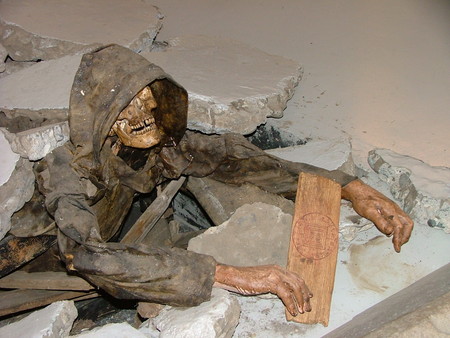

The Museum of Icelandic Sorcery and Witchcraft (Galdrasýning á Ströndum) is a small, well-researched museum in the village of Hólmavík in the Westfjords, dedicated to Iceland's 16th- and 17th-century witch trials. It's one of the more unusual stops on a self-drive trip through the Westfjords, and worth planning your route around if you're heading that way.
Short answer: is it worth the detour?
Yes, if you're already driving through the Westfjords or the Strandir region on Route 61. The Museum of Icelandic Sorcery and Witchcraft covers a genuinely distinct chapter of Icelandic history, one where accused sorcerers were mostly men, not women, unlike the rest of Europe, through runes, curse staves, and reconstructed artifacts including the infamous necropants. It's a modest-sized museum, not a full day out on its own, but it pairs naturally with other Strandir-area stops and gives real context to a part of the country most visitors skip entirely.
What is the Museum of Icelandic Sorcery and Witchcraft?
The museum, often searched for as the Icelandic Sorcery and Witchcraft Museum or simply the witchcraft museum in Iceland, documents the period when sorcery accusations and executions were common in Iceland, roughly the same era as the European witch trials. It's run as a local heritage exhibition in Hólmavík, the main village of the Strandir region on Iceland's Westfjords peninsula.
Unlike a lot of Iceland's larger museums, this one is deliberately focused: it doesn't try to cover all of Icelandic history, just this one strange and dark period, told through reconstructed objects, translated texts, and explanations of how magic was believed to work.
Witchcraft and sorcery in Iceland's history
During the 16th and 17th centuries, Iceland went through a period of witch-hunting at the same time as much of Europe. What sets Iceland apart is who was accused: while European witch trials overwhelmingly targeted women, in Iceland it was mostly men who were accused of sorcery and burned alive.
The accusations followed a familiar pattern, laying curses on neighbors, causing illness or death, attempting to seduce women, killing livestock, or trying to control the weather through magic. Sorcery itself was mostly practiced through magical runes and symbols, inscribed and placed to bring about a specific effect, rather than the potions-and-broomsticks imagery associated with witchcraft elsewhere.
| Iceland | Rest of Europe | |
|---|---|---|
| Who was typically accused | Mostly men | Mostly women |
| Common accusations | Curses, causing illness/death, controlling weather, harming livestock | Similar accusations, often framed around consorting with the devil |
| Method of sorcery | Magical runes and symbols | Varied, potions, rituals, pacts |
| Punishment | Burned alive | Burned alive or hanged, depending on region |
| Period | 16th–17th centuries | Roughly the same period |
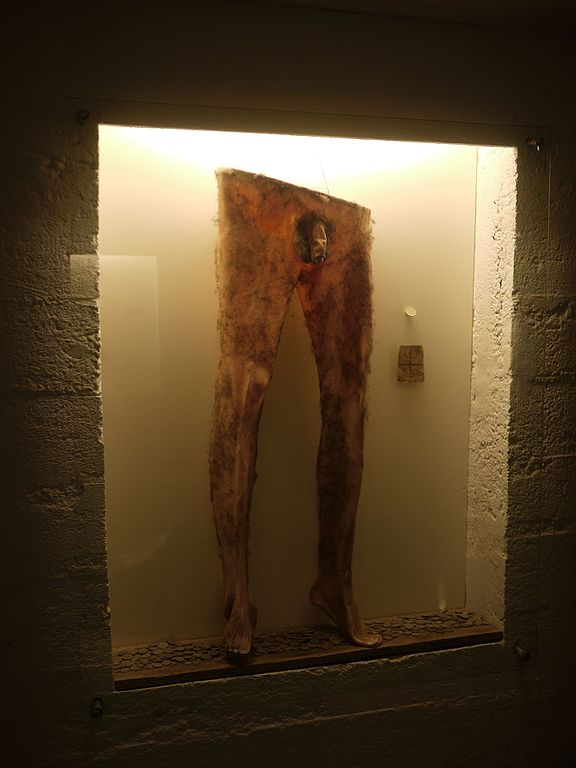
The necropants (nábrók) exhibit
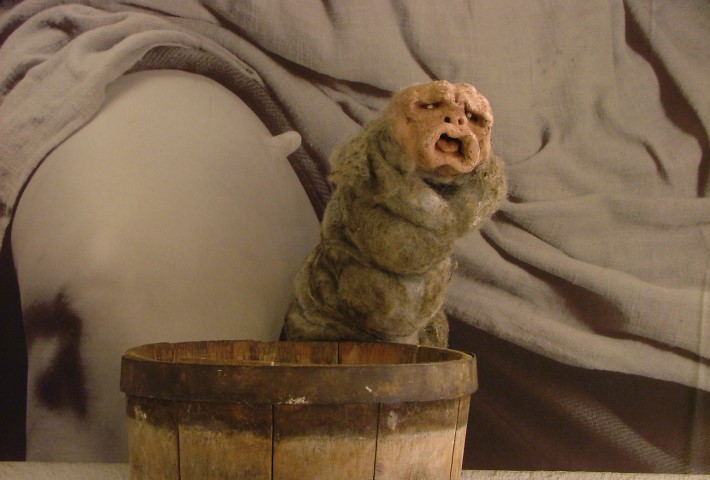
The museum's best-known, and most talked-about, exhibit is the reconstruction of necropants (nábrók), a piece of sorcery said to provide an endless supply of coins to whoever wore them. According to the tradition, you needed a dead man's permission (given before he died) to use his skin, then you'd skin his lower body to make the "pants," place a coin stolen from a poor widow into the scrotum along with a magical rune written on parchment, and wear them against your own skin.
It's grim, strange, and exactly the kind of story that makes more sense once you understand the lack of general education and the social pressures of the time, which is really what the museum does well: it explains why people believed this could work, not just what they believed.
Where is Hólmavík and how do you get there?
Hólmavík sits in the Strandir region of the Westfjords, reached from Reykjavík via Route 1 (the Ring Road) and then Route 61, which loops through the Westfjords. It's a route best suited to travellers who've already built the Westfjords into their itinerary rather than a quick detour from Reykjavík, the drive involves winding fjord roads and, in places, gravel sections, so it rewards a bit of extra time on the road rather than rushing.
If you're planning to combine the museum with other Strandir-area activities, an ATV tour up Mount Hagafell or an ice cave tour are both options travellers sometimes pair with a Hólmavík stop when routing through this part of the country.
Because parts of the Westfjords road network include gravel stretches and can be affected by weather outside of summer, it's worth checking current conditions on umferdin.is (Vegagerðin) and safetravel.is before you set off, particularly if you're travelling in the shoulder or winter season. Our guide to driving in Iceland in winter covers what changes once snow and ice become part of the equation on routes like this.
Choosing the right rental car for a Westfjords route
A route through the Westfjords involves more gravel and more variable road surfaces than a Golden Circle day trip, so it's worth thinking about vehicle choice before you book. Our comparison of 4x4 vs 2WD in Iceland and the checklist in do you need a 4x4 rental in Iceland? both walk through how to decide based on season and route rather than guessing.
Every Blue Car Rental booking includes CDW, SCDW, Gravel Protection, Theft Protection and Third-Party Liability as standard, which is relevant for a route like this one where gravel roads are part of the drive. You can browse the current range of vehicles to match the car to your route, and pickup at Keflavík is set up for online check-in, so you're not spending your first Iceland morning in a queue before the long drive north.
What else is at the museum?
Beyond the sorcery exhibits themselves, the museum in Hólmavík has a small restaurant and sells souvenirs connected to the exhibition, useful to know if you're timing a stop around a meal on a long driving day. It's a modest, locally run operation rather than a large visitor attraction, which is part of its appeal: it feels like a genuine piece of local heritage rather than a packaged tourist stop.
If you're carrying Icelandic krónur or cards for smaller purchases like this, our guide to currency in Iceland covers what's practical to have on hand outside Reykjavík.
Mistakes to avoid when planning a visit
Treating Hólmavík as a quick stop on the way to somewhere else is the most common miscalculation, the Westfjords loop takes longer than the map suggests, and rushing the drive doesn't leave room to actually enjoy the museum or the region around it. It's also worth not underestimating road conditions: gravel sections and fjord-side roads are a normal part of Westfjords driving, and travelling outside summer without checking umferdin.is or vedur.is first is the kind of thing that turns a pleasant detour into a stressful one.
Finally, don't assume every rental car is equally suited to this kind of route. A car chosen for city driving and short day trips may not be the ideal pick for the Westfjords; our F-roads and highlands guide and the 2WD/4x4/insurance booking guide are useful even though Route 61 itself isn't an F-road, since the same logic of matching vehicle to terrain applies.
 HOW BLUE CAR RENTAL SUPPORTS LOCAL COMMUNITIES IN ICELAND