Iceland has no army, navy, or air force, and it never declared war on anyone. Yet World War 2 changed the country more than almost any other event in its modern history. This guide answers the practical version of the question travellers actually ask, was Iceland invaded, did Icelanders fight, and has Iceland ever been in a war at all, with the dates and numbers that matter.
Short answer
Iceland did not fight in World War 2, but it was occupied. Britain invaded the officially neutral country on 10 May 1940 to keep it out of German hands, and the United States took over occupation duties in 1941. Iceland never raised a military and no Icelandic army fought in the war, but according to historical estimates (figures vary by source, such as Iceland's National Archives / Þjóðskjalasafn Íslands), between roughly 159 and 220 Icelanders died as a direct result of the conflict, most of them sailors lost at sea. Iceland has never had a standing military and has not fought a war of its own since the medieval period, aside from a peaceful mid-20th-century fishing dispute with Britain known as the Cod Wars.
Was Iceland invaded during World War 2?
Yes. Iceland was invaded by British forces on 10 May 1940, not by Germany. Iceland had declared itself neutral when the war began in Europe in September 1939, but neutrality didn't guarantee safety. After Germany invaded Denmark and Norway in April 1940, both the Allies and Germany understood how useful Iceland's position in the North Atlantic could be for controlling shipping lanes and hunting submarines.
Britain moved first. Early on the morning of 10 May 1940, Reykjavík residents woke to the unfamiliar sound of aircraft overhead. People went down to the harbour to see what was happening, and there was reportedly a collective sense of relief once it became clear the ships and troops belonged to Britain rather than Germany. Iceland's government protested the occupation as a violation of its neutrality, but offered no armed resistance, it had no military to resist with.
Did Iceland have a military during the war?
No. Iceland did not have a standing military in 1940 and still doesn't today. This is one of the few facts that makes Iceland's WW2 experience unusual compared with almost every other European country: it was occupied, strategically important, and directly affected by the war's casualties, without ever fielding a single soldier of its own.
Did any Icelanders die in World War 2?
Yes. Even without a military, Iceland's war losses were real. According to historical estimates (figures vary by source, such as Iceland's National Archives / Þjóðskjalasafn Íslands), between roughly 159 and 220 Icelanders died as a direct result of the war, and of those, an estimated 130 to 170 were killed at sea, most shot down by submarines while working merchant or fishing vessels that kept Iceland supplied and connected to Britain. For a country with a small population, these were significant losses felt across many communities.
From British to American occupation
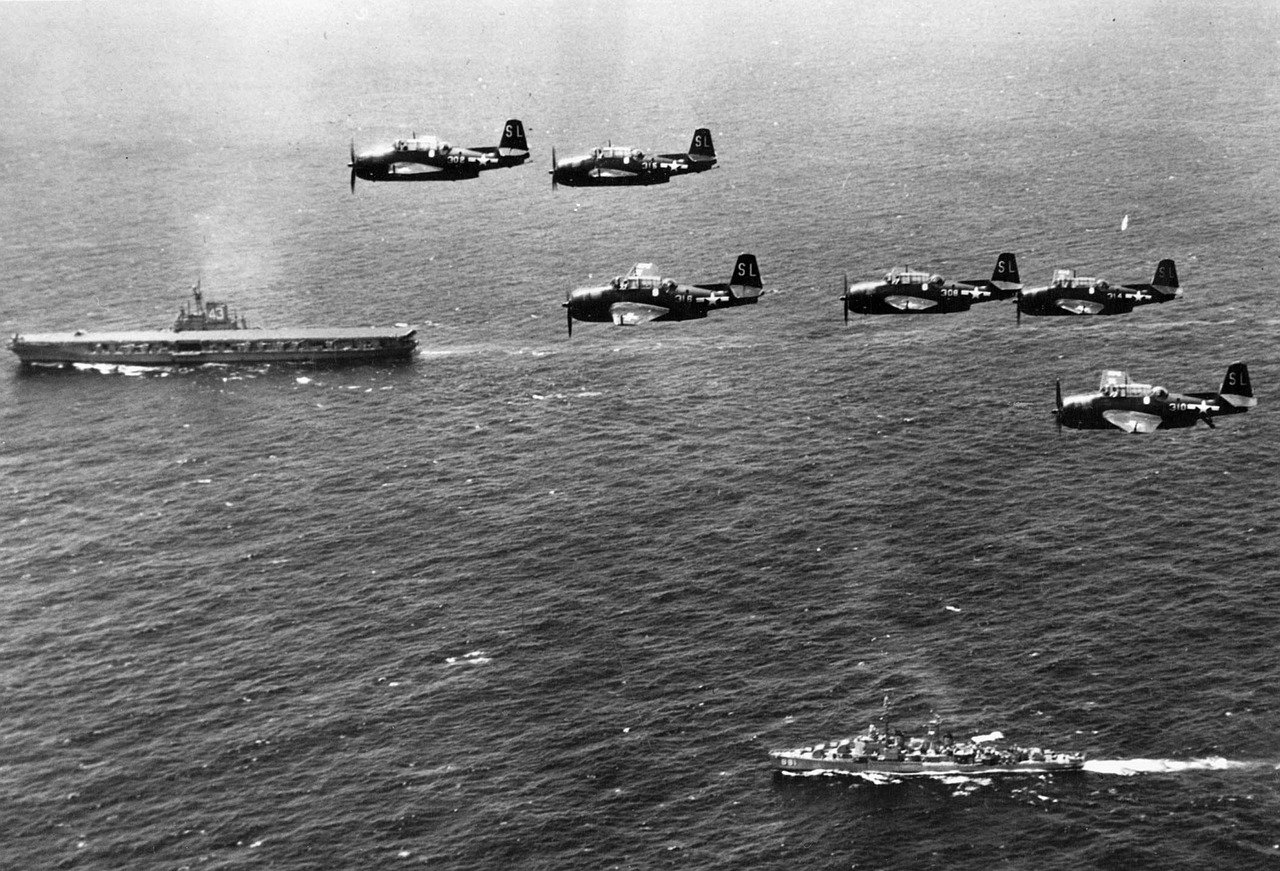
Britain's occupation force grew quickly, and by 1941 the burden of housing and supplying tens of thousands of troops had shifted to the United States, which took over occupation duties from Britain that year under an agreement with Iceland's government. At its peak, the combined foreign military presence numbered around 50,000 soldiers according to historical estimates (figures vary by source), remarkable considering Iceland's entire population at the time was about 120,000. For a period, foreign troops made up close to half the number of people in the country.
This military presence reshaped the economy almost overnight. Britain imported thousands of prefabricated barracks, known as Nissen huts, and Icelanders were hired in large numbers to help build and maintain them, along with roads, docks, and airfields. Some historians consider Iceland one of the few countries that came out of World War 2 economically better off than it went in, largely because of this construction boom and the wages that came with it.
| Period | Event | Foreign forces in Iceland | Icelandic military role |
|---|---|---|---|
| Sept 1939 | World War 2 begins in Europe | None | Iceland declares neutrality |
| April 1940 | Germany invades Denmark and Norway | None yet | Concern grows over Iceland's exposure |
| 10 May 1940 | Britain invades and occupies Iceland | British troops arrive, numbers building toward roughly 25,000 (estimates vary by source) | No Icelandic army existed |
| 1941 | US takes over occupation from Britain | Combined peak of around 50,000 troops (estimates vary by source) | None |
| 1944 | Iceland becomes a fully independent republic | Occupying forces remain present | None |
Did Icelanders fight in World War 2?
Not in any organised, official sense. Because Iceland had no military, there was no Icelandic army, navy, or air force unit fighting in the war. A small number of Icelanders were caught up directly in the conflict, some were held in German camps after being stranded abroad or captured at sea, but there was no formal Icelandic combat role.
There is one loose thread worth knowing about: West-Icelanders, meaning Icelanders who emigrated to Canada in the 19th century, or their descendants, had a history of enlisting in Canadian forces going back to World War 1. It's reasonable to assume some fought for Canada in World War 2 as well, though this is a story about the Icelandic diaspora abroad rather than about Iceland as a country taking part in the war.
Has Iceland ever been in a war?
Iceland has essentially no history of fighting wars in the modern sense. Since it was settled in the Viking age, Iceland has not maintained an army, and it has not fought a war of its own in the modern era. The closest thing to armed conflict in Iceland's recent history is the Cod Wars, a series of fishing rights disputes with the United Kingdom in the mid-20th century that involved confrontations between Icelandic coast guard vessels and British trawlers and warships, but never escalated into a declared war. Combined with the WW2 occupation, this gives Iceland an unusual profile: a country that has been directly touched by conflict, but has essentially never initiated or fought one with its own forces.
What WW2-era traces can you still see in Iceland today?
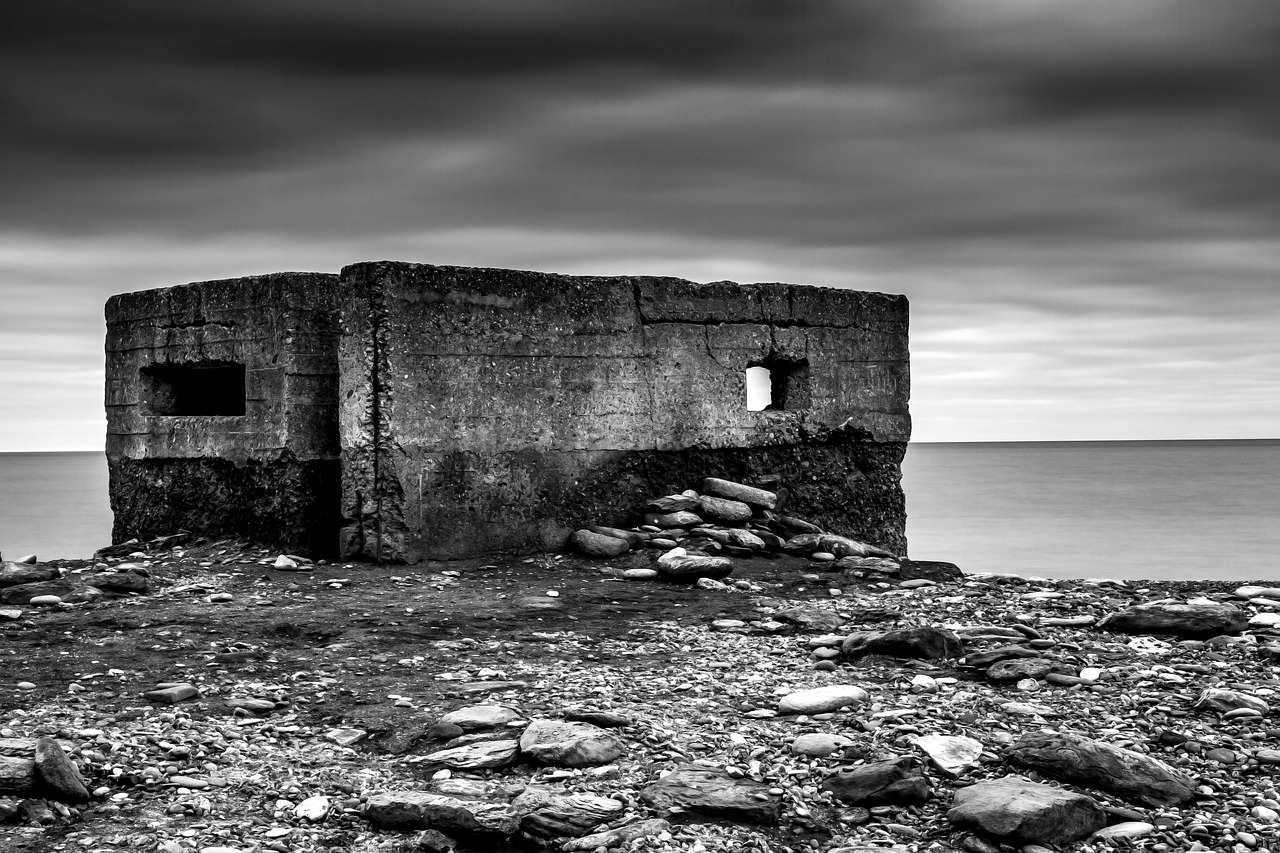
If you're planning a self-drive trip, you'll come across small physical reminders of this period without having to seek them out specifically. Remnants of wartime infrastructure, old barracks foundations, airstrips, and Nissen hut shapes, still turn up around the Reykjavík area and the wider Reykjanes peninsula, a legacy of the British and American construction boom of the early 1940s. None of this requires special routing; it's simply part of the landscape you'll pass through on an ordinary Ring Road or Reykjanes itinerary.
For travellers combining this kind of history stop with a longer road trip, it helps to plan the vehicle and season around your actual route rather than the other way round. If you're driving between October and April, it's worth reading up on driving in Iceland in winter before you go, and if your trip centres on Reykjavík, our parking guide for Reykjavík covers the city's zone system so you're not caught out. For the wider picture of Iceland's history and traditions beyond WW2, our Icelandic culture articles are a good next stop, and if you're still deciding what to drive, our vehicle fleet overview covers the range from small 2WD cars to 4x4s.
Mistakes to avoid when researching Iceland's WW2 history
A few misconceptions come up often enough to flag directly:
- Assuming Germany invaded Iceland. It was Britain, on 10 May 1940, precisely to prevent a German occupation.
- Assuming Iceland fought in the war. Iceland had no military and did not take part militarily; it was occupied, not a combatant.
- Assuming the occupation was brief. Foreign troops remained in Iceland from 1940 through the end of the war and beyond, with the US taking over from Britain in 1941.
- Confusing wartime occupation with Iceland's broader war history. Iceland's only other notable conflict-adjacent episode, the Cod Wars, happened decades later and was a fishing dispute, not a world war.
 HOW BLUE CAR RENTAL SUPPORTS LOCAL COMMUNITIES IN ICELAND