
Packing for an Icelandic summer trip is less about volume and more about layering, the weather can shift from sunny and mild to windy and wet within the same afternoon. This guide covers what actually earns a spot in your suitcase, what you can skip, and how to pack around a self-drive itinerary rather than a fixed hotel base.
Short answer: Pack layers, not a single heavy coat, a waterproof/windproof outer shell, a warm mid-layer (fleece or wool), quick-dry hiking clothes, sturdy waterproof footwear, and swimwear for geothermal pools. Summer temperatures in Iceland typically run from around 10°C to 15°C (50-59°F), occasionally warmer, so you're dressing for "cool and changeable," not for heat.
What is summer weather actually like in Iceland?
Icelandic summers (June to August) are mild and long on daylight rather than hot. Daytime temperatures generally sit between 10-15°C (50-59°F), with occasional warmer spells, and nights rarely get properly dark thanks to the midnight sun. Rain, wind, and sudden temperature drops are normal even in July and August, especially near the coast or up on higher ground.
Snow at sea level in July is unusual, but it's not impossible on mountain passes or in the highlands, where patches can linger well into summer. If your route includes highland F-roads or a glacier walk, check conditions before you go, the Icelandic Road Administration (umferdin.is) and Icelandic Met Office (vedur.is) both publish current road and weather status. If you're planning to drive into the highlands rather than just look at them, our guide to F-roads and the highlands covers what's typically open and when.
Clothing to pack for an Icelandic summer
The core idea is layering: a base layer, a warm mid-layer, and a waterproof/windproof outer shell that you can add or remove as the day changes. This one system covers a sunny afternoon in Reykjavik, a windy black-sand beach, and a rainy waterfall hike, without needing separate outfits for each.
| Item | Purpose | Skip if... |
|---|---|---|
| Waterproof, windproof jacket with hood | Core piece, wind and light rain are near-daily possibilities | Never skip this one |
| Fleece or wool mid-layer | Warmth without bulk; layers under the shell | You're only doing city days in July |
| Weatherproof hiking pants | Keeps you dry and warm near waterfalls and on trails | You're mostly sightseeing from the car |
| Sturdy, waterproof hiking boots + wool socks | Lava fields, gravel paths, and wet ground are hard on sneakers | Your trip is entirely urban |
| Shorts and a t-shirt | For genuinely warm, sunny stretches, they do happen | Only if you're travelling in shoulder-season chill |
| Swimwear | For town swimming pools, geothermal spas, and hot pots | Never skip if you're visiting any pool |
| Windproof hat and thin gloves | Coastal wind and higher elevations can feel colder than the forecast suggests | Short, low-altitude trip in a warm spell |
| Sunglasses | Long daylight hours and reflective landscapes (glaciers, water) | Rarely needed to skip |
| Reusable water bottle | Tap water is drinkable everywhere, including most trailheads | Never skip |
A genuine four-season rain shell and a decent mid-layer will get you through more of an Icelandic summer than any single heavy coat.
Gear for waterfalls, hikes, and canyons
If your itinerary includes waterfalls, canyons, or longer trails, plan to get wet or windblown at some point, it's part of the experience, not a sign anything went wrong. Waterproof pants and a jacket with a snug hood matter more here than anywhere else on the trip.
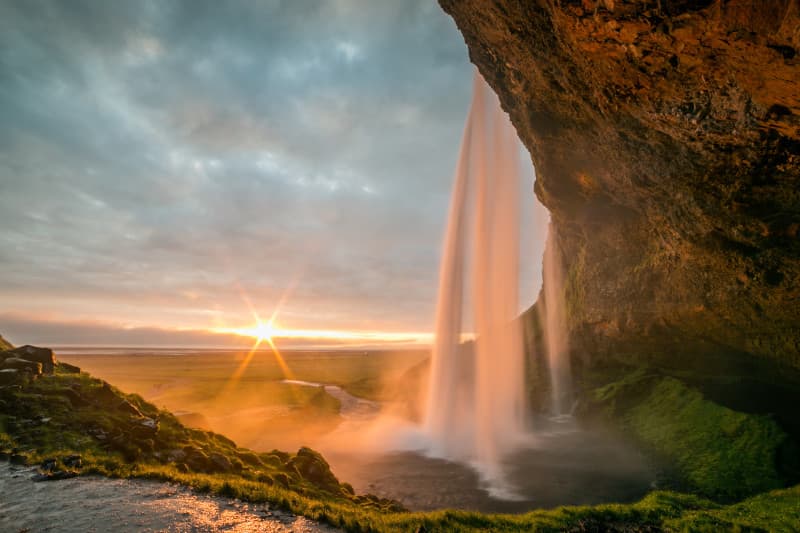
Walking up to Skógafoss or behind Seljalandsfoss will spray you regardless of how sunny it looked from the car park. The same goes for canyon trails like Stuðlagil or Fjaðrárgljúfur, where wind funnels through the gorge even on calm days. If canyons and gorges are on your list, our Iceland canyons guide is worth reading before you pack your boots, since terrain varies from paved viewpoints to uneven scrambling paths.
A small daypack for water, snacks, and a camera is worth bringing separately from your main luggage, you don't want to be digging through a suitcase at a trailhead.
What to pack for a self-drive road trip
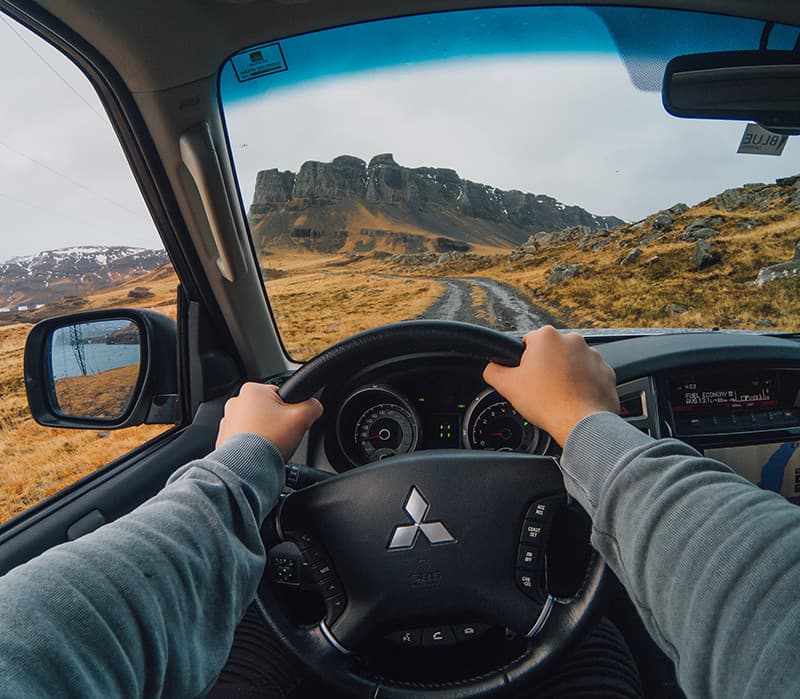
A self-drive trip adds a short list of items that have nothing to do with weather but make long driving days easier. None of these are dramatic, but they're the kind of thing people forget until they're on Route 1 with a dying phone.
- Car charger or power bank, for GPS and photos on long stretches between towns
- Offline maps or a downloaded map app, mobile signal thins out in rural areas
- Sleep mask, genuinely useful in June/July when it never gets properly dark, even at midnight
- Snacks and a refillable water bottle, service stations exist but aren't always frequent on quieter routes
- A physical or digital copy of your booking and driving licence, useful at pickup and for any roadside checks
If you're picking up at Keflavik, Blue Car Rental's online check-in lets you complete paperwork in advance and collect your keys from a key box (for customers who add the Liability Waiver and complete online check-in), which is one less thing to manage after a long flight. Choosing the right vehicle for your route also matters more than most packing decisions, a compact car suits a Golden Circle loop, while a longer Ring Road trip with gravel side-roads may call for something with more clearance. Our 2WD vs 4x4 comparison breaks this down by route and season, and the full fleet overview shows what's available by size and drivetrain.
What you probably don't need to pack
Skip heavy winter gear (thick down parkas, insulated snow boots, thermal base layers) unless you're heading to higher elevations or glaciers specifically, for most summer itineraries at sea level, they're dead weight. You also don't need an umbrella; wind makes them useless within minutes, and a hooded jacket does the job better.
There's no need to over-pack toiletries or a first-aid kit beyond the basics, pharmacies and supermarkets are well stocked in Reykjavik and most larger towns along the Ring Road.
A note on money and currency
Iceland's currency is the Icelandic króna (ISK), but cash is rarely needed, most purchases, including fuel, parking, and small cafés, are handled by card, and contactless payment is widely accepted. It's still worth carrying a card with no foreign transaction fees, and keeping a small amount of cash for the rare exception is a reasonable precaution rather than a necessity.
Packing around must-see stops
If your route includes classic stops, the Golden Circle, the South Coast waterfalls, the Snæfellsnes peninsula, or a canyon detour, pack for the wettest and windiest version of each, since that's the version you're more likely to get. Swimwear deserves a permanent spot in the bag too: almost every town has a public pool, and geothermal bathing is one of the more relaxing ways to end a driving day.
Mistakes to avoid when packing for Iceland
The most common mistake is packing for temperature alone and ignoring wind and rain, a warm jacket that isn't windproof will still leave you cold on the coast. The second is bringing only sneakers, which struggle on lava rock, gravel, and wet trail sections. The third is under-packing charging and navigation tools for a road trip, assuming mobile signal will be constant, it isn't, especially in the east and highlands.
It's also easy to over-pack "just in case" outerwear that duplicates your rain shell. One good waterproof/windproof jacket, one mid-layer, and swap-in pieces (shorts, gloves, hat) cover almost every scenario a summer trip throws at you.
 PARKING IN REYKJAVÍK: ZONES, PAYMENT, AND WHERE TO LEAVE YOUR CAR