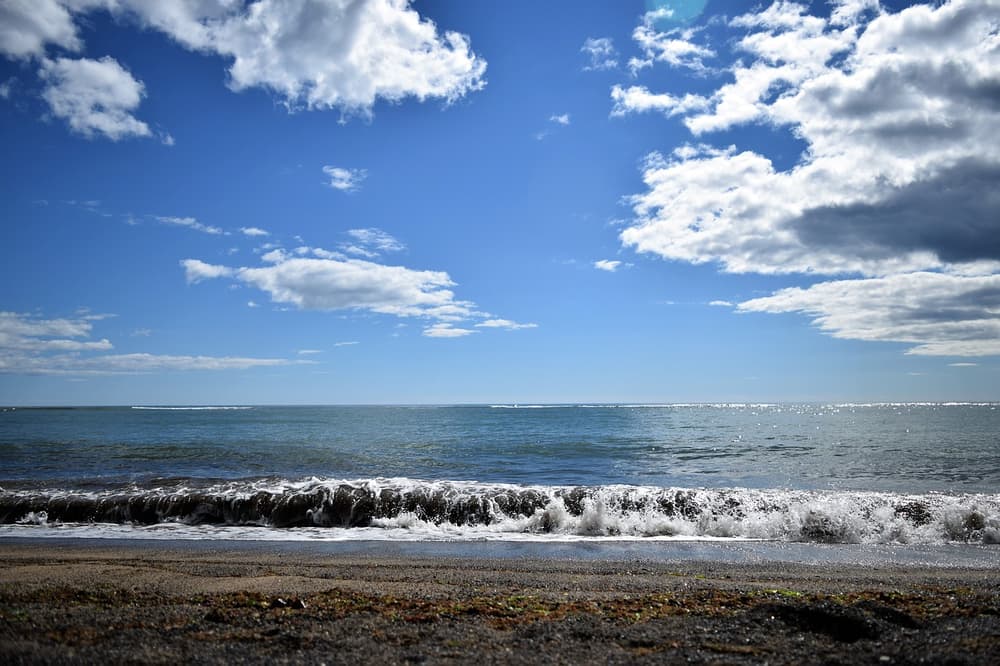

Yes, surfing is possible in Iceland, and a small but growing community of locals and visiting surfers rides waves along the south and southwest coasts year-round. Conditions are cold, changeable, and best suited to travellers with the right gear or a guided lesson, but you don't need to live near the ocean to give it a try. This guide covers where people actually surf, what the water and weather are like by season, and how to get to the coast safely if you're driving yourself around Iceland.
Is there surfing in Iceland?
Yes. Iceland has a functioning, if niche, surf scene, mostly concentrated on the Reykjanes peninsula and the south coast, with a handful of surf schools operating out of Reykjavík. It's not a mainstream stop on most itineraries, which is part of the appeal, breaks are quiet, uncrowded, and set against dramatic black-sand or lava-rock coastline.
The Atlantic swell that hits Iceland's south and southwest shores is consistent enough to produce rideable waves most of the year, and a small number of local surf schools run lessons for visitors who want to try it without bringing their own board.
Where are the best places to surf in Iceland?
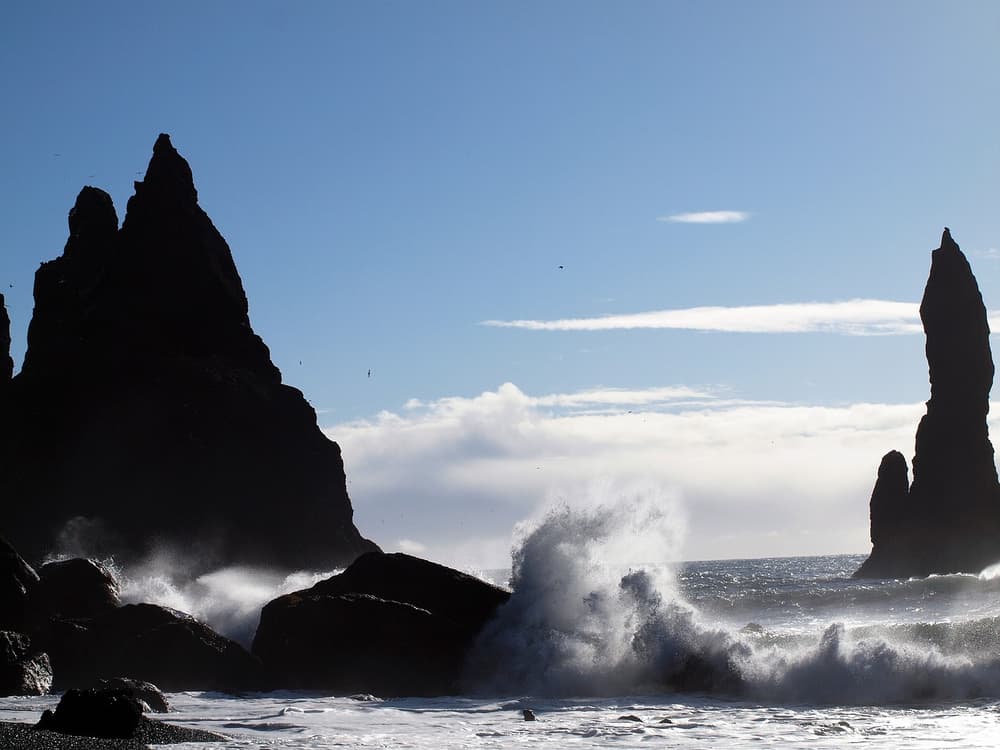
The most accessible and commonly surfed spots are all within roughly an hour of Reykjavík: Stóra-Sandvík on the Reykjanes peninsula, which suits beginners as well as experienced surfers, Þorlákshöfn on the south coast, and Grótta in Seltjarnarnes, a shallow reef best left to experienced surfers. Reynisfjara, despite its dramatic waves, is not a surf spot, it's known for sneaker waves that have caused fatalities and should be avoided for surfing or wading of any kind.
| Location | Approx. distance from Reykjavík | Suited to | Notes |
|---|---|---|---|
| Grótta (Seltjarnarnes) | ~10–15 min drive | Experienced only | Closest break to the capital; shallow, rocky reef, so go with someone who knows it |
| Stóra-Sandvík (Reykjanes peninsula) | ~1 hour drive | Beginners to experienced | Open to Atlantic swell; wind and current can pick up quickly |
| Þorlákshöfn | ~45–50 min drive | Intermediate | Often called Iceland's most popular, most consistent wave, so expect company; harbour land-reclamation works may affect the main break |
| Reynisfjara (Vík) | ~2.5 hr drive | Not recommended | Sneaker waves make this beach unsafe for surfing, swimming, or standing near the shoreline at any skill level |
Distances and drive times are approximate and will vary with traffic, season, and starting point in Reykjavík.
What about "Reykjavík ocean", can you surf near the capital?
You can't surf directly in downtown Reykjavík. The closest break, Grótta in Seltjarnarnes, is a short drive from the centre but is a shallow reef for experienced surfers only (Iceland Review), and several operators run pickups or lessons from Reykjavík itself. If you'd rather stay in the water without paddling out, Nauthólsvík, the geothermal beach near the city centre, offers a heated seawater lagoon for swimming rather than surfing, a good option on a day when the ocean swell isn't cooperating.
For travellers self-driving around the capital area, it's worth knowing how parking works in Reykjavík before heading out toward the coast, since some beach access points have limited roadside space rather than formal car parks.
Surfing in Iceland in the summer vs. other seasons
Summer (June–August) offers the most daylight and the calmest general weather for a first-time visit to the water, but it's not necessarily when the swell is biggest. Autumn and winter often bring larger, more consistent waves, but also colder temperatures, shorter days, and rougher driving conditions to reach the coast.
Water temperature in Iceland stays cold year-round, noticeably cold even in July, so a full wetsuit, boots, and often a hood and gloves are standard gear regardless of the season. Surfing in Iceland in the summer is generally the more comfortable entry point for visitors, since air temperatures are milder and daylight is long, but experienced surfers chasing bigger swell often prefer autumn and winter.
If you're planning a winter trip that combines surfing with general sightseeing, it's worth reading up on driving in Iceland in winter beforehand, since reaching coastal breaks outside Reykjavík can mean driving on icy or wind-exposed roads.
Do you need experience to surf or kayak in Iceland?
No, several operators around Reykjavík and the Reykjanes peninsula run lessons for complete beginners, supplying board, wetsuit, and instruction. You don't need to own equipment or have surfed before to try it as a one-off activity during your trip.
The same applies to kayaking, which is offered along parts of the coast and on some glacial lagoons and fjords, usually with a guide and full safety briefing. Both activities are commonly booked as half-day tours rather than something you'd attempt independently without local knowledge of the water.
What about currents and safety?
Iceland's coastline includes some genuinely dangerous stretches of water, and choosing the right beach matters more than general swimming or surfing ability. Reynisfjara, near Vík, is the clearest example: its waves look impressive but include unpredictable sneaker waves that can pull people into the ocean with little warning, and it is not treated as a surf or swimming beach by locals or tour operators.
If you're ever unsure about conditions at a given beach or stretch of coast, the safest approach is to turn back rather than test it. For general route and weather conditions before a coastal drive, check umferdin.is and safetravel.is, and consult vedur.is for the Icelandic Met Office's marine and wind forecasts. Guided surf and kayak operators know local conditions at their specific launch points, which is a large part of why lessons are the more common way visitors get into the water here.
Getting to the coast: what to think about with a rental car
Most surf spots and kayak launch points sit outside central Reykjavík, so having your own vehicle makes it far easier to reach them on your own schedule rather than relying on tour pickups alone. A standard 2WD car is generally sufficient for reaching Grótta, Stóra-Sandvík or Þorlákshöfn, since these routes stay on paved roads, this isn't F-road or highland driving. If you're combining a surf day with a longer Ring Road trip or highland detour, it's worth checking whether you'll need something with more clearance; our guide on choosing between a 2WD and 4x4 in Iceland covers that decision in more detail.
Carrying a surfboard or sea kayak on a rental car isn't something every vehicle is set up for by default, so if that's part of your plan, it's worth checking roof-rack compatibility when you browse available cars or ask directly before pickup. For travellers landing at Keflavík and heading straight to Reykjanes for a first surf session, Blue Car Rental's online check-in can shorten the time between landing and getting on the road.
Mistakes to avoid
- Treating Reynisfjara as a surf or swim beach. It isn't one, the sneaker wave risk is real and has caused fatalities.
- Skipping the wetsuit. Even in summer, water temperatures are cold enough that a short dip without proper gear is genuinely uncomfortable and risky.
- Assuming summer means the best waves. Summer is often the calmest and most comfortable season for beginners, but larger swell is more common in autumn and winter.
- Not checking conditions before driving to a coastal spot. Wind and swell can change quickly; checking safetravel.is or a local operator's forecast beforehand saves a wasted trip.
- Going out without local knowledge on an unfamiliar beach. Currents vary a lot along the Icelandic coast, a lesson or guided session is the simplest way to get local insight on your first outing.
 CAN YOU DRINK TAP WATER IN ICELAND?