
Iceland doesn't have trains, and long-distance buses run on a limited schedule, so most visitors see the country by self-drive car. This guide covers four road trips that consistently deliver on that promise without requiring specialist off-road experience: the Golden Circle, the drive from Reykjavík to Vík along the south coast, a short detour around the Reykjanes Peninsula near Keflavík Airport, and a quieter route inland to the Viking ruins at Stöng.
Short answer: The Golden Circle (Þingvellir, Geysir, Gullfoss) and the Reykjavík–Vík south coast drive are the two road trips most visitors do first, and both are manageable in a 2WD car for most of the year. The Reykjanes Peninsula suits a first or last day near Keflavík Airport, and Stöng in Þjórsárdalur valley is a good pick if you want history and fewer crowds. All four start and largely stay on paved roads, though winter conditions and short gravel stretches can change what vehicle makes sense, always check umferdin.is and safetravel.is before you set off.
The Golden Circle: Iceland's classic day route
The Golden Circle is a loop east of Reykjavík that takes in three signature sights: Þingvellir National Park, the Geysir geothermal area, and Gullfoss waterfall. It's the most-driven route in the country for good reason, the distances are short, the road is paved and well maintained, and the three stops give a genuine sample of Iceland's geology in a single day.
Most people drive the loop as a day trip from Reykjavík, since the core route covers roughly 250–300 km round trip from Reykjavík, depending on stops, once you factor in the driving between stops and back to the capital. If you'd rather not rush it, there are hotels and campsites along the way that let you spread the loop over two days and add extra stops such as the Kerið crater or Faxi waterfall.
Because the main Golden Circle road is paved year-round, a standard 2WD car is normally enough. Winter is the exception: snow and ice can change conditions quickly on this route too, so it's worth reading through what to know about driving in Iceland in winter before a cold-season visit.
Reykjavík to Vík: the south coast drive
The drive from Reykjavík to the village of Vík is about two and a half hours one-way on Route 1, and it's the backbone of most south coast itineraries. Along the way you'll pass some of Iceland's most photographed landmarks, plus a genuine slice of small-town Iceland at the halfway point.
Selfoss: the gateway to the south
Selfoss is the first sizeable town you reach heading east from Reykjavík on Route 1, and it works well as a natural break in the drive, fuel, food, and facilities before the road continues south and east. Selfoss iceland trips often stop here on the way out and again on the way back, since it sits at a convenient point on the route rather than requiring a detour. It's also a reasonable base if you'd rather split the south coast over two days instead of doing Reykjavík–Vík as a single long push.
What you'll see between Selfoss and Vík
Past Selfoss, Route 1 runs along the south coast past Seljalandsfoss and Skógafoss waterfalls, both accessible right off the main road, before reaching Vík itself. Vík is known for its black sand beach, dramatic sea stacks at nearby Reynisfjara, and, a little further back along the road, the wreck of a small aircraft that's become a popular, if unofficial, photo stop.
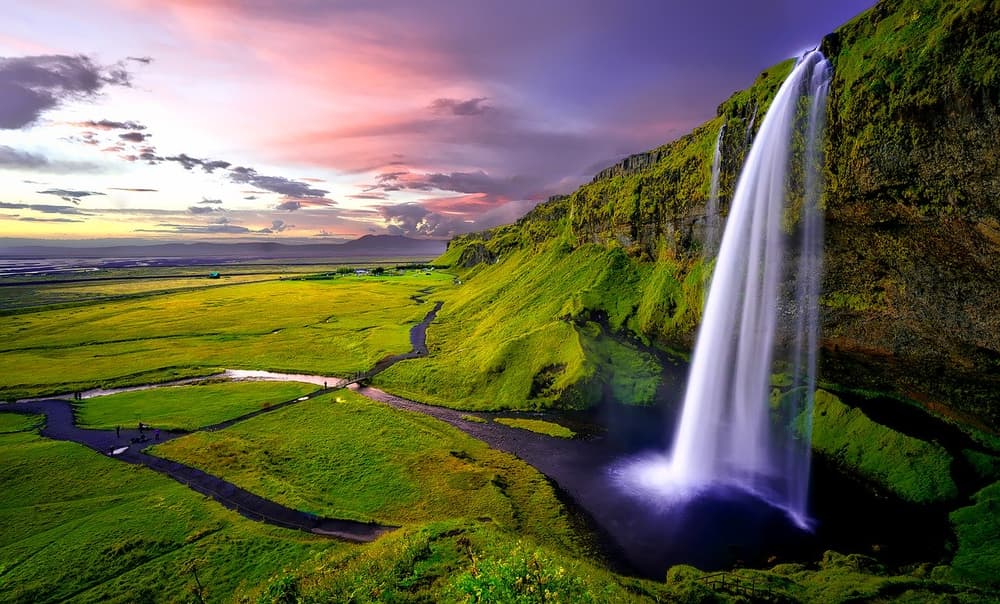
The south coast has enough to fill more than one day. Many visitors treat Vík as a turnaround point for a long day trip, while others continue further east toward Jökulsárlón and use Vík as an overnight stop instead. Route 1 is paved the whole way, but weather and wind can affect driving conditions, particularly in the exposed stretches near the coast, check current conditions before you go, and see the 4x4 vs 2WD comparison if you're deciding what to book for this route in winter.
Reykjanes Peninsula: a first-day detour near Keflavík
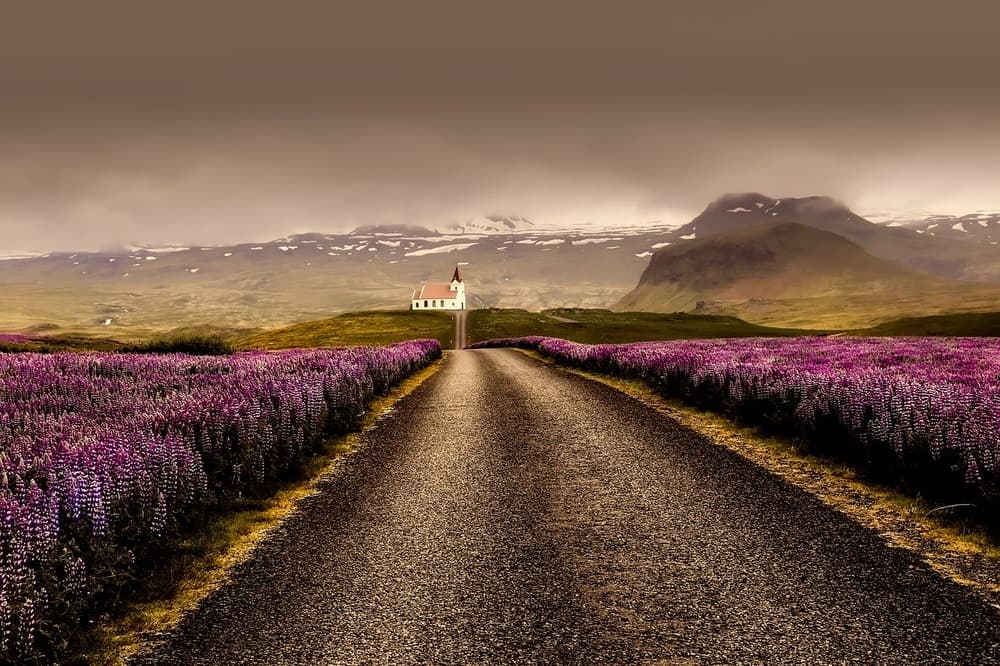
If you're picking up your car at Keflavík Airport, you're already driving through the Reykjanes Peninsula, the question is just whether you take the direct road to Reykjavík or a slightly longer route with more to see. The direct main road passes mostly lava field with little to stop for; a secondary route around the peninsula adds geothermal areas, coastline, and short walking trails without a major detour.
This makes Reykjanes a practical option for travellers who land in the morning and don't want to check into a hotel immediately, or who have an evening flight out and want one more stop before returning the car. If you're using Blue Car Rental's online check-in and key-box pickup (for customers who add the Liability Waiver and complete online check-in) at the Keflavík Airport location, you can be on the road quickly enough to make this kind of detour worthwhile even on an arrival day.
Stöng and Þjórsárdalur: a quieter route into Viking history
Stöng is the site of a reconstructed Viking-age farmstead in the Þjórsárdalur valley, just over an hour's drive from Reykjavík. It's a good choice for travellers who want a shorter, less crowded outing, particularly if this is an early trip and you'd rather build driving confidence before tackling longer routes.
Some sections of road into the valley are gravel rather than paved, and access can vary depending on the season, so it's worth checking umferdin.is before you drive. Outside summer, a 4x4 is the safer choice for this kind of route, the 4x4 rental questions guide is a useful read if you're not sure whether your itinerary needs one.
Comparing the four routes
| Route | One-way drive time | Road surface | Best season | Vehicle to consider |
|---|---|---|---|---|
| Golden Circle loop | Full day with stops (loop back to Reykjavík) | Paved | Year-round, conditions vary in winter | 2WD generally sufficient |
| Reykjavík to Vík | About 2.5 hours | Paved (Route 1) | Year-round, weather-dependent | 2WD in summer; check conditions in winter |
| Reykjanes Peninsula | Short detour from Keflavík | Mostly paved | Year-round | 2WD generally sufficient |
| Stöng / Þjórsárdalur | Just over an hour | Paved plus gravel sections | Best in summer | 4x4 recommended outside summer |
Which vehicle suits these road trips?
For the Golden Circle, the Reykjavík–Vík drive, and the Reykjanes Peninsula, a 2WD car is usually adequate for most of the year, since all three stay on paved main roads. Stöng is the outlier: its gravel sections make a 4x4 the more comfortable and often safer choice outside the summer months.
If your trip combines several of these routes with anything further afield, the highlands, F-roads, or a longer winter itinerary, it's worth reviewing Iceland's F-roads and what a rental car guide covers and browsing the full vehicle lineup to match the car to the season and route rather than the other way around. Every booking includes CDW, SCDW, Gravel Protection, Theft Protection, and Third-Party Liability as standard. Tyre cover is not part of this base package, it's available through the optional Liability Waiver (LW), which is worth considering for gravel-heavy detours like Stöng.
Mistakes to avoid when planning an Iceland road trip
The most common planning mistake is underestimating how much time each stop actually takes, waterfalls, black sand beaches, and geothermal areas all invite longer visits than a quick photo. Building in buffer time, rather than a tight back-to-back schedule, makes for a calmer trip.
A second common issue is choosing a vehicle based on summer conditions and then travelling in winter, when snow, ice, and shorter daylight hours change what's realistic. If there's any chance your dates shift into the colder months, it's worth reading the winter driving safety guide before you finalise a booking.
Finally, travellers sometimes assume every road on a map is open and paved. Short gravel stretches, like the one into Þjórsárdalur, and seasonal closures on higher routes are normal in Iceland, checking umferdin.is and safetravel.is the morning you drive is a habit worth building in, not just a one-time check before the trip.
 CAN YOU DRINK TAP WATER IN ICELAND?