Iceland packs an unusual amount of variety into a fairly small country: glaciers, geothermal fields, waterfalls, fjords, and volcanic coastline are often only a few hours' drive apart. This guide covers the best sites to visit in Iceland, the famous landmarks most visitors build a trip around, plus a handful of quieter local favourites worth the detour, and how to link them together on a self-drive route.
Short answer: the classic must-visit places in Iceland are the Golden Circle (Þingvellir National Park, the geysers at Haukadalur, and Gullfoss waterfall), the Blue Lagoon, and Reykjavik. For quieter stops with fewer crowds, the Westfjords and glacier experiences such as the ice tunnels in Langjökull are worth the extra driving time. Most of these sites are reachable by car in a day or two from Reykjavik, though winter conditions and road closures can change what's realistic, always check umferdin.is (Vegagerðin) and vedur.is before setting out.
What are the most famous landmarks in Iceland?
The landmarks below account for most first-time visitors' itineraries, and for good reason, they're accessible, well signposted, and show off different sides of the country's geology in a single day trip.
The Golden Circle is Iceland's most popular sightseeing route and can be driven in a few hours from Reykjavik, or spread over a couple of days if you want time for extra stops. It covers three main sites:
- Þingvellir National Park, the site of Iceland's original parliament and a visible rift where the North American and Eurasian tectonic plates meet.
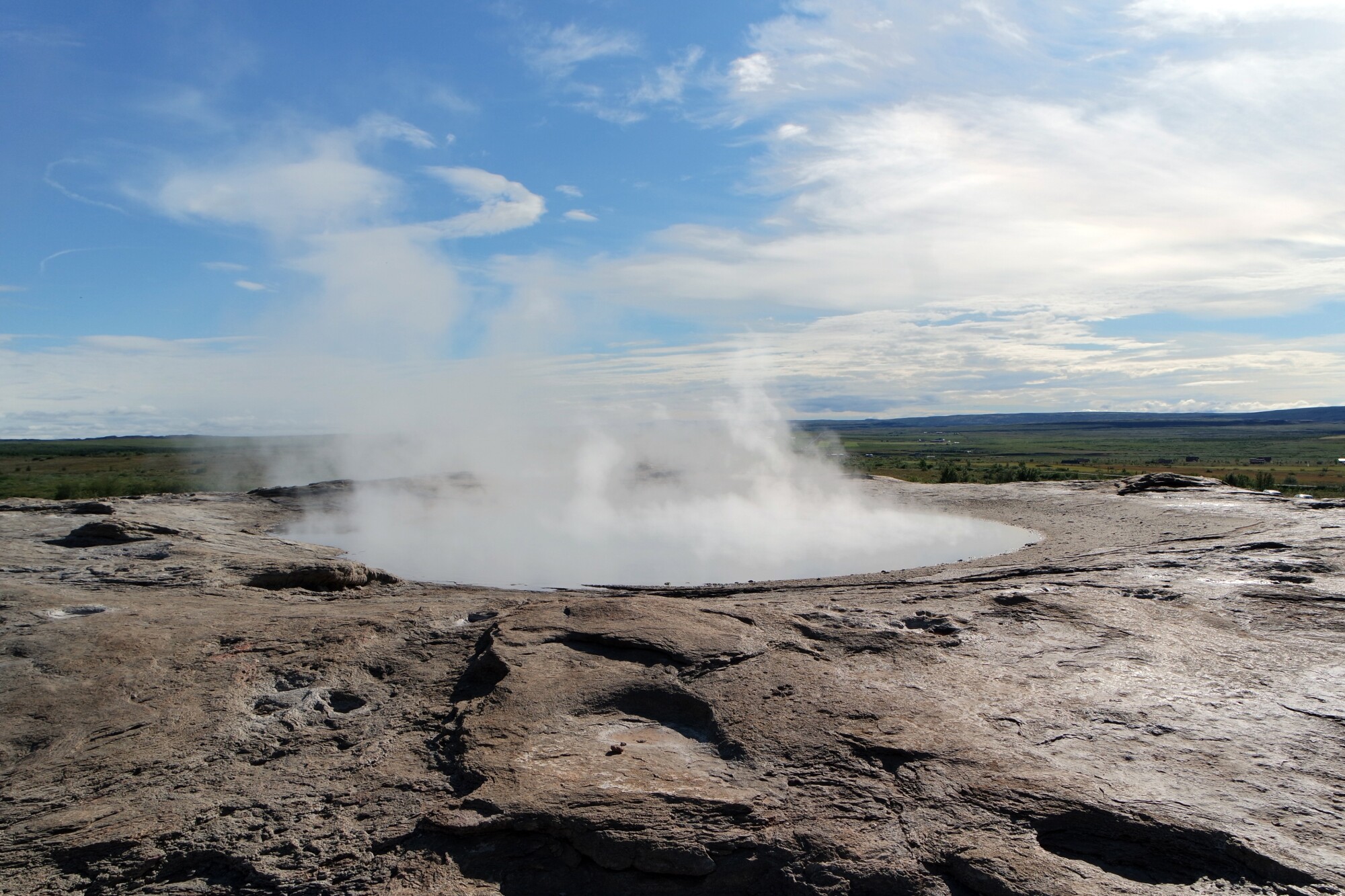
- Geysir, Haukadalur geothermal valley, home to the geysers that gave the English word "geyser" its name.
- Gullfoss waterfall, a two-tiered waterfall on the Hvítá river, one of the most photographed in the country.
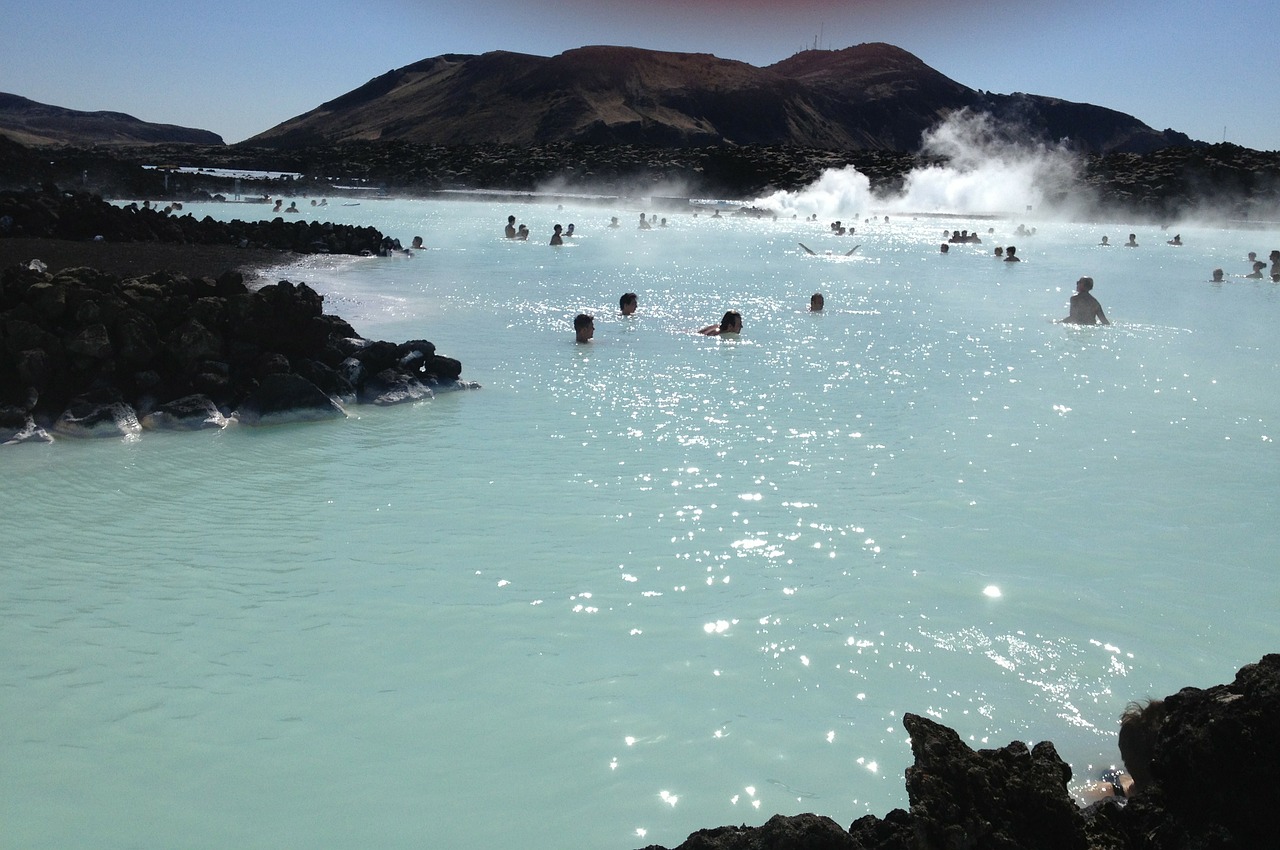
The Blue Lagoon is Iceland's best-known spa, fed by geothermal water and known for its silica mud and steady warm temperature year-round, including in the middle of winter. It sits close to Keflavik Airport, which makes it an easy stop on arrival or departure day.
Reykjavik itself is worth a slower look before or after your road trip, Hallgrímskirkja church, the old harbour, and the Sun Voyager sculpture are all walkable from the centre. If you're driving in and out of the city, it helps to understand the parking system in Reykjavik before you arrive, since zones and payment rules vary by street.
Glacier experiences add a different kind of landmark to the list. The Into the Glacier tour takes visitors into man-made ice tunnels inside Langjökull, Iceland's second-largest glacier, travelling up in a specialised vehicle before walking through illuminated tunnels with a guide. It's a useful reminder of scale, glaciers cover roughly 11% of Iceland's landmass, and seeing one from the inside is a different experience than viewing it from the road.
Which Iceland lesser-known spots are worth the detour?
The sites below are quieter than the Golden Circle or Blue Lagoon and usually require more driving time, but they reward visitors who have the extra day or two to spare.
The Westfjords are the clearest example of an Iceland overlooked place. The region sees far fewer visitors than the south coast simply because it's further out of the way, but it offers dramatic sea cliffs, waterfalls, and Drangajökull, the country's northernmost glacier. It's also rich in local folklore and history, from tales of sorcery to isolated fishing villages that have changed little in decades. Roads into the Westfjords are mostly paved on main routes but can be narrow and winding, so it's worth building in extra driving time compared to what a map suggests, particularly outside summer.
Seltjarnarnes peninsula, on the northwestern edge of Reykjavik, is a practical quiet corner for anyone chasing the northern lights without leaving the capital area entirely. Light pollution makes the aurora harder to spot from downtown Reykjavik, and Seltjarnarnes, with the Grotta lighthouse as a backdrop, is one of the closest spots with genuinely dark skies. Aurora visibility still depends on solar activity and cloud cover, so it's worth checking a forecast rather than counting on any single night.
Canyons and hiking trails away from the main ring of tourist stops are another category of less-visited site. If hiking is part of your plans, our guide to Iceland's canyons worth hiking covers a few of the better-known trails that see far less foot traffic than the Golden Circle sites.
Iceland must-visit places, by region
Because Iceland's landmarks are spread across the whole country, it helps to think in regions rather than a single checklist. The table below is a rough guide to what each area offers and when it's typically easiest to visit.
| Region | What you'll find | Best suited to | Road/driving notes |
|---|---|---|---|
| Golden Circle | Þingvellir, Geysir, Gullfoss | Short trips, first-time visitors | Paved roads, manageable year-round in normal conditions |
| Reykjavik & Blue Lagoon | Hallgrímskirkja, old harbour, Blue Lagoon spa | Arrival/departure days | Close to Keflavik Airport |
| Langjökull area | Into the Glacier ice tunnels | Travellers wanting a glacier experience without heading into the Highlands | Access point reached by regular road; tour operator handles the glacier itself |
| Westfjords | Sea cliffs, waterfalls, Drangajökull, folklore sites | Travellers with extra days who want fewer crowds | Mostly paved main routes, narrow in places; allow more time than the map suggests |
| Seltjarnarnes | Northern lights viewing, Grotta lighthouse | Aurora hunting near Reykjavik | Short drive from the city centre |
How to plan a driving route between these sites
A rental car is the most practical way to link these landmarks together, since public transport between regions is limited and tour buses tie you to fixed schedules. Renting gives you the flexibility to stop for a viewpoint, wait out weather, or add a detour like Seltjarnarnes on the way back into town.
For the Golden Circle, Reykjavik day trips, and the Blue Lagoon, a standard 2WD car is generally sufficient on paved roads in normal summer conditions. If your plans stretch further, into the Westfjords, toward the Highlands, or into winter months, it's worth reading our breakdown of when a 2WD is enough and when it isn't, and our guide to whether you need a 4x4 for your specific route.
If any part of your itinerary involves F-roads, the marked mountain and Highland routes, a 4x4 is a legal requirement, not just a recommendation, and these roads are typically only open in summer. Our F-roads guide covers what's involved before you commit to that kind of route.
Winter changes the picture for almost every region on this list. Daylight is shorter, some roads may close temporarily after storms, and driving technique differs from summer conditions. If you're visiting between roughly October and April, it's worth reading our winter driving guide before finalising which landmarks are realistic to fit into your trip.
At pickup, Blue Car Rental's online check-in lets you complete the paperwork in advance and shortens pickup at Keflavik Airport, which helps if you're planning to reach the Blue Lagoon or Golden Circle on arrival day. Every rental includes CDW, SCDW, Gravel Protection, Theft Protection, and Third-Party Liability as standard, and the vehicle range covers everything from 2WD compacts for the Golden Circle to 4x4s suited to the Westfjords or Highland routes.
Mistakes to avoid when planning your Iceland sightseeing route
Trying to fit too much into one day. Distances on a map can be misleading, a Westfjords loop or a Highland detour takes longer in practice than the kilometres suggest, especially with photo stops.
Assuming all roads are open year-round. Some routes, particularly F-roads and parts of the Westfjords, are seasonal or weather-dependent. Check umferdin.is (Vegagerðin) and safetravel.is before driving anything outside the main paved network.
Skipping the northern lights forecast. The aurora isn't guaranteed on any given night, checking vedur.is for cloud cover and solar activity before heading to a dark-sky spot like Seltjarnarnes saves a wasted evening.
Renting the wrong vehicle for the route. A 2WD is fine for the Golden Circle and Blue Lagoon, but not for F-roads, and can be limiting in the Westfjords in winter. Matching the car to the actual route avoids both overspending and getting stuck somewhere unsuitable.

 CAN YOU DRINK TAP WATER IN ICELAND?