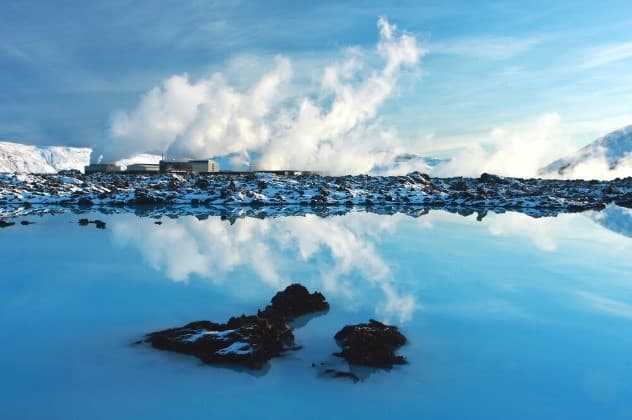

Iceland's version of "wild swimming" rarely means jumping into a river or lake the way it might in Scandinavia or the UK. It usually means something better suited to the country's geology: geothermally heated outdoor pools and nature baths, many built into cliffsides, lava fields or fjords, alongside a strong local tradition of municipal swimming pools (sundlaug) in almost every town. The five worth building a route around are Mývatn Nature Baths, Laugardalslaug in Reykjavík, the hillside pool at Hofsós, Krossneslaug on the Westfjords shore and the Akureyri Thermal Pool.
Nature baths and outdoor pools worth building a route around
A handful of geothermal baths and pools stand out enough to plan a driving day around, particularly in the north and the Westfjords. Below is a comparison to help with route planning.
| Pool / bath | Region | Type | Notable feature | Good to know |
|---|---|---|---|---|
| Mývatn Nature Baths | North Iceland, near Krafla | Geothermal lagoon | Alkaline water at roughly 36–40°C from a National Power Company borehole | Open all year; swimwear and towel rental available |
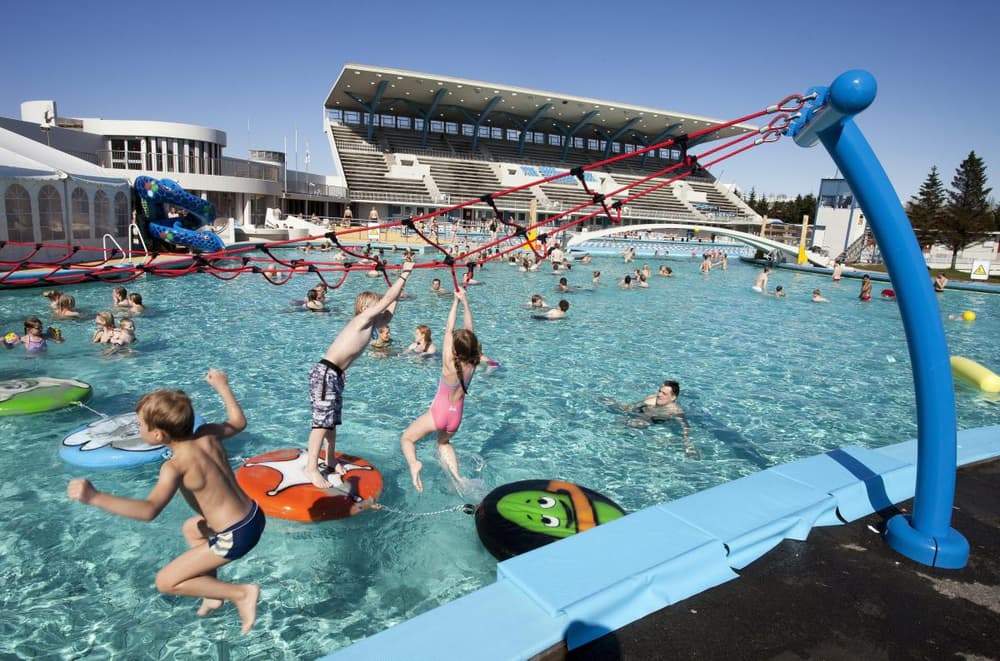
| Laugardalslaug | Reykjavík | Municipal pool complex | 50m pool, multiple heated pools, slides | Reykjavík City Card covers entry; the pool's car park is outside the city's paid parking zones |
| Hofsós swimming pool | Skagafjörður, North Iceland | Infinity-style pool | Hillside setting with wide fjord views | Opening hours vary seasonally; check before driving out |
| Krossneslaug | Westfjords, near Norðurfjörður | Geothermal infinity pool by the sea | Right on the shoreline; striking at sunrise or sunset | Reached via gravel roads; hours shorten in winter |
| Akureyri Thermal Pool | Akureyri, North Iceland | Municipal pool complex | Two 25m pools, hot pots, jacuzzis, waterslides | Open year-round, close to Akureyri's town centre |
As of August 2026, adult admission to Mývatn Nature Baths was roughly 4,200–5,000 ISK depending on season; prices change, so check the official site before you go.
What counts as "wild swimming" in Iceland?
In Iceland, the closest thing to wild swimming is bathing in naturally or geothermally heated outdoor water in a semi-natural setting, rather than swimming in cold rivers, lakes or the sea, which is only for the well-prepared and rarely comfortable. Genuine wild rivers and glacial lakes are cold, often fast-moving, and not something to swim in casually.
What travellers usually mean by "wild swimming Iceland" falls into two categories:
- Nature baths and geothermal lagoons, man-made or semi-natural pools fed by hot springs or boreholes, often in dramatic settings (lava fields, fjords, hillsides).
- Municipal swimming pools (sundlaug), heated outdoor pools found in nearly every Icelandic town, used daily by locals, not just tourists.
Both are worth building into a road trip itinerary. Neither involves swimming in genuinely wild, unheated water.
Iceland's swimming pool culture, explained
Nearly every town in Iceland, no matter how small, has its own outdoor heated swimming pool, and locals use them year-round, including in winter. This isn't a tourist add-on; it's a core part of Icelandic daily life, and visiting one is one of the more authentic ways to experience the culture on a driving trip.
A few things that surprise first-time visitors:
- Pools are outdoors and heated with geothermal water, so swimming in winter with snow on the ground is normal, not unusual.
- You're expected to shower thoroughly without swimwear in the communal showers before entering the pool. This is enforced, not optional, and signage explains the process in English.
- Most pools have a mix of lap pools, hot pots (heitir pottar) at varying temperatures, and sometimes slides for children.
- Swimwear and towels can usually be rented if you're travelling light, though this varies by location.
Planning the drive: season, roads and vehicle choice
Reaching pools like Krossneslaug or Hofsós usually means driving well outside Reykjavík, often on gravel or narrower roads, and conditions change with the season. This matters more for route planning than most people expect, especially outside summer.
A few practical points:
- Westfjords roads to Krossneslaug include gravel stretches, which is normal for the region but worth factoring into your choice of vehicle. If you're unsure whether a smaller car is enough for the roads you're planning, our guide on whether you need a 4x4 rental in Iceland walks through the main questions to ask yourself.
- Winter driving to northern pools like Mývatn or Akureyri is generally manageable on main roads, but side roads and rural routes can close or become icy with little warning. Check current conditions on umferdin.is (Vegagerðin) and safetravel.is before setting out, and see our guide to driving in Iceland in winter for what to expect.
- Opening hours vary seasonally for smaller pools like Hofsós and Krossneslaug, sometimes shrinking significantly in winter. Confirm hours before building them into a tight itinerary.
- Parking in Reykjavík: Laugardalslaug's car park is outside the city's paid parking zones, but most central streets are paid; our Reykjavík parking guide covers how the zone system works if you're staying in the capital before heading out.
If your itinerary includes several pools across different regions, picking a vehicle that matches your route, a smaller car for paved ring-road driving, something more capable for gravel detours into the Westfjords or the north, makes the trip smoother; our 4x4 vs 2WD comparison shows where a small car is enough. Blue Car Rental's vehicle range covers both, and online check-in lets you finish the paperwork before you land, so you don't lose daylight on arrival day; customers who also add the Liability Waiver can collect their keys from a key box at Keflavík Airport.
 CAN YOU DRINK TAP WATER IN ICELAND?