
Why Supermarkets in Iceland Matter for Travelers
Traveling in Iceland can be expensive. Fuel, accommodation, tours, and dining out quickly add up. But one area where you can control your budget is food.
Supermarkets in Iceland make it possible to travel well without overspending. Whether you are planning a short city break or a full self-drive in Iceland, grocery shopping helps you manage your Iceland travel budget in a simple way.
And the good news is this: grocery stores in Iceland often have better selection and quality than many visitors expect. If you're curious about how Iceland’s food culture has evolved, you can also explore the broader Icelandic food scene here: Icelandic food scene and local cuisine culture.
Key Points Summary
Here are the most important things to remember:
- Supermarkets in Iceland are high quality and well stocked
- Prices in large chains are the same across the country
- Alcohol above 2.25% is not sold in supermarkets
- Smaller town stores are more expensive
- Grocery shopping can cut your daily food budget by half
- Planning ahead is important in remote areas
- Renting a car from Blue Car rental in Iceland
Grocery Store Culture in Iceland
Iceland has a practical and down‑to‑earth grocery culture. Most people shop regularly and cook at home, so supermarkets play an important role in daily life. You’ll see locals picking up fresh dairy, meat, fish, bread, and everyday imported goods just like anywhere else in Europe. It’s simple, efficient, and focused on quality rather than excess.
A few things stand out:
- Supermarkets are clean and well organized
- Quality standards are high
- Fresh dairy and bakery products are reliable
- Imported goods are widely available
- Prices are consistent within national chains
Most Icelanders shop at larger chains like:
These are the main budget-friendly supermarket brands in Iceland.
Smaller towns may also have:
- Krambúðin
- Kjörbúðin
- Independent local shops
These smaller stores usually have higher prices and less selection. But they are important in rural communities.
The Big Three: Bónus, Krónan, and Nettó
If you want to save money in Iceland, this is where most locals go. These are the stores you’ll see again and again when driving around the country, and they’re usually your safest bet for fair prices and solid selection.
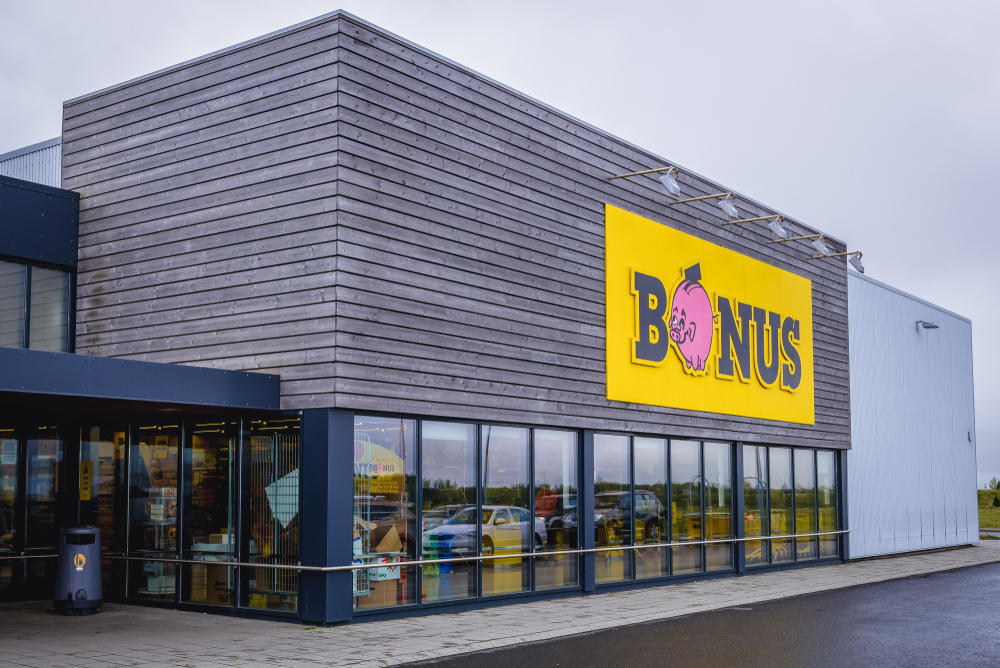
1. Bónus
Bónus is often the cheapest supermarket in Iceland. It has a simple layout, fewer brand options, and strong focus on low prices.
You will find:
- Basic groceries
- Dairy and meat
- Pasta and rice
- Frozen foods
- Snacks and household items
Prices are the same across the country. That means milk in Reykjavík costs the same as milk in Akureyri or Vestmannaeyjar.
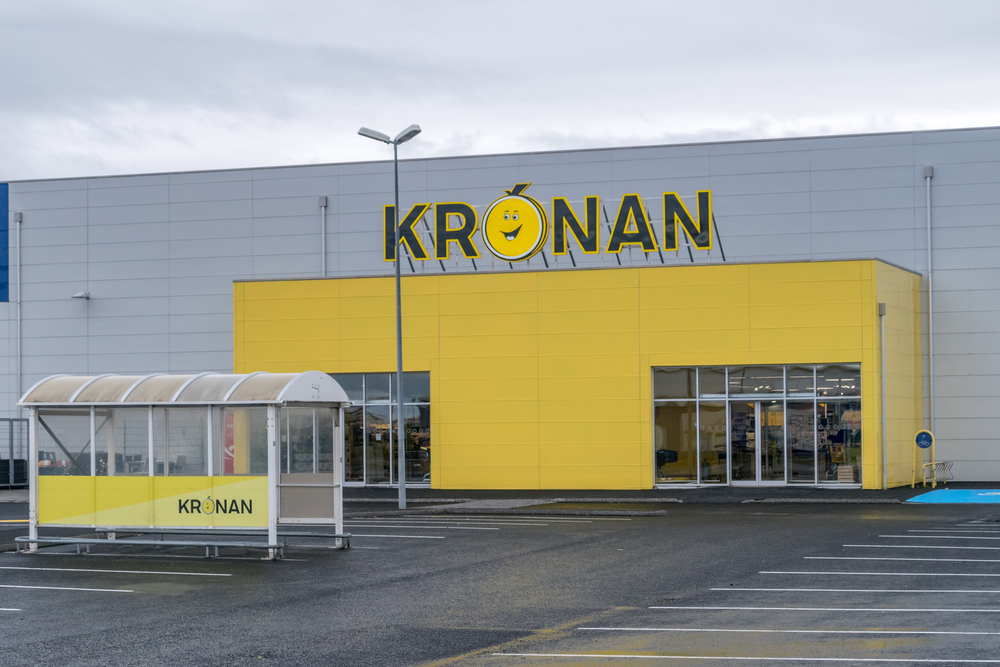
2. Krónan
Krónan offers slightly more variety. It often has:
- Organic options
- Health products
- Wider imported selection
- Good fresh produce section
Prices are still competitive, though usually a little higher than Bónus.
3. Nettó
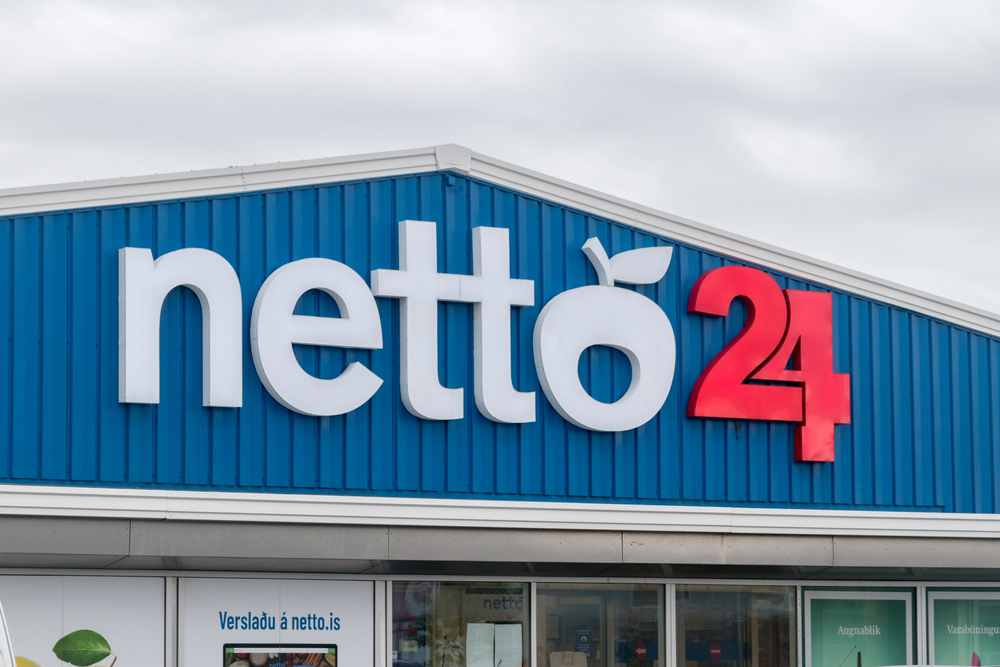
Nettó combines grocery store and small warehouse style shopping. Selection is broad. Prices are moderate.
One advantage of Nettó is longer opening hours. Some locations are open 24/7, which is useful for late arrivals or early departures.
It’s common in larger towns, but not everywhere.
Same Price Across Iceland – Why That Matters
One important fact about supermarkets in Iceland is national pricing.
Bónus, Krónan, and Nettó keep the same price across all locations. Reykjavík, Akureyri, Selfoss, Vestmannaeyjar – it does not matter.
This is important for travelers doing a road trip.
You do not need to worry about food being more expensive in smaller cities under the same chain. That makes planning much easier. When you’re mapping out a self-drive in Iceland, it’s nice to know the milk and pasta won’t suddenly cost more just because you’re farther from Reykjavík.
Costco in Iceland
Iceland also has one Costco location, located in the Reykjavík capital area (Garðabær).
For travelers who are already Costco members in their home country, your membership card works in Iceland. That makes it an option for bulk shopping at lower unit prices.
Costco is especially useful for:
- Large families traveling together
- Longer stays
- Buying fuel, snacks, and bulk groceries
It is not as centrally located as Bónus or Krónan, and it requires membership. But for some travelers, it can offer good value.
Smaller Town Stores: What to Expect
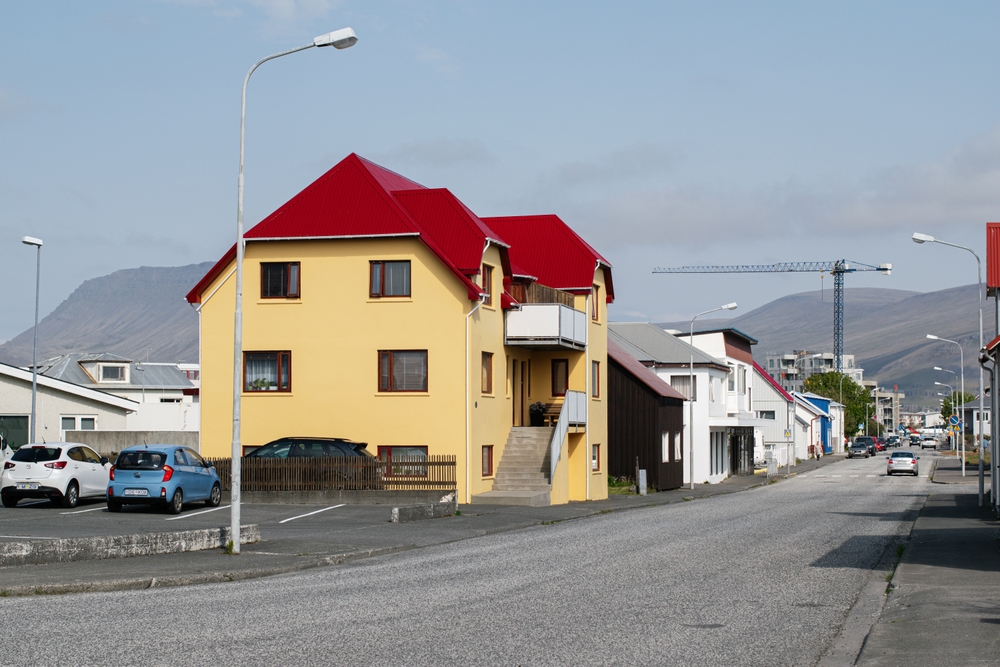
Not every town has a large supermarket, especially once you leave the main towns and head into more rural areas.
In smaller communities you will often find:
- Krambúðin
- Kjörbúðin
- Other local grocery shops
These stores:
- Have smaller selection
- Have higher prices
- Focus on convenience
- Serve local residents
They are useful when you need quick supplies. But they are not ideal for budget shopping.
Still, they are part of Iceland’s grocery culture. And sometimes they’re exactly what you need after a long drive when you just want to grab something quickly and move on.
Local Stores That Still Exist
In recent years, many independent grocery stores have closed. Competition from large chains and online supply systems changed the market.
But a few local stores remain. And honestly, they’re worth a stop if you pass by. They feel more personal and a bit less rushed. If you're interested in understanding more about daily life in Iceland and how small communities function, this guide gives helpful context: daily life in Iceland and local communities.
Examples include:
- Verslun Einars Ólafssonar (Einarsbúð) in Akranes
- Kassinn in Ólafsvík
These stores offer:
- Personal service
- Local products
- Community atmosphere
- A different shopping experience
You may pay slightly more. But the experience feels more local and personal.
Alcohol Rules in Icelandic Supermarkets
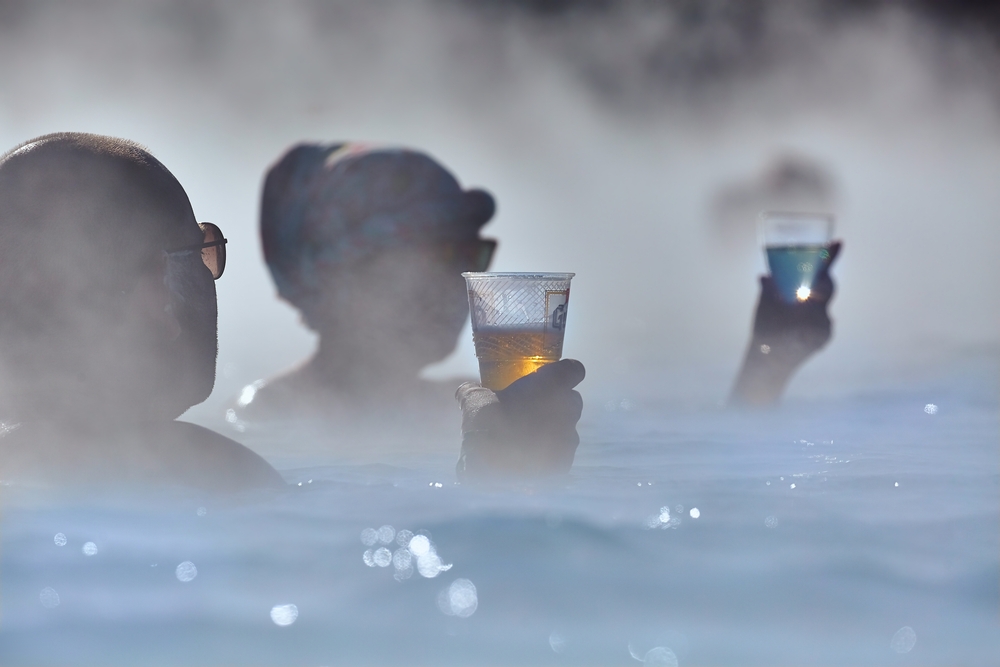
This surprises many visitors, especially those who are used to buying wine or beer along with their groceries at home. In Iceland, the system works differently.
You cannot buy regular alcohol in supermarkets in Iceland. Anything stronger than light beer is sold only through the state-run liquor stores. It’s not complicated once you know, but it’s something worth remembering so you don’t end up looking for a bottle of wine in the dairy aisle.
What you will find:
- Beer under 2.25% alcohol (light beer)
- Non-alcoholic beer
- Non-alcoholic wine
For stronger alcohol, you must visit:
- Vínbúðin, the state-run alcohol store
These stores have limited opening hours and are closed on Sundays.
So if alcohol is part of your travel plans, plan ahead. It’s one of those small Iceland details that can catch visitors off guard.
Average Food Prices in Iceland (2026 Guide)
Food prices in Iceland are higher than in many European countries. But they’re not as extreme as many travelers fear. Once you see the numbers, it usually feels more manageable than the rumors suggest.
Here are average supermarket prices for basic items:
|
Product |
Average Price (ISK) |
Approx. EUR |
Approx. USD |
|
1L Milk |
210–240 ISK |
1.40–1.60 € |
1.50–1.70 $ |
|
500g Pasta |
300–450 ISK |
2.00–3.00 € |
2.10–3.20 $ |
|
1kg Rice |
350–500 ISK |
2.30–3.30 € |
2.50–3.50 $ |
|
12 Eggs |
750–950 ISK |
5.00–6.30 € |
5.40–6.80 $ |
|
1kg Chicken |
1,800–2,500 ISK |
12–17 € |
13–18 $ |
|
Bread (loaf) |
400–600 ISK |
2.70–4.00 € |
3–4.30 $ |
|
1kg Apples |
500–700 ISK |
3.30–4.70 € |
3.60–5.00 $ |
|
1kg Potatoes |
350–500 ISK |
2.30–3.30 € |
2.50–3.50 $ |
Prices vary slightly, but within large chains they remain stable across the country.
How Much Can You Save by Shopping at Supermarkets?
Eating out in Iceland is expensive. Not just a little more than you might expect, but noticeably higher than in many other countries. A simple burger and fries can feel like a full dinner budget elsewhere. It’s part of traveling here, but it’s also the reason many visitors mix restaurant meals with supermarket shopping to keep things balanced.
Average restaurant prices:
- Burger meal: 3,000–4,000 ISK
- Pizza: 2,500–4,500 ISK
- Main dish in restaurant: 4,000–6,000 ISK
- Coffee: 600–900 ISK
If you cook instead, daily food cost can look like this:
|
Type of Traveler |
Daily Grocery Budget |
|
Budget traveler |
2,000–3,000 ISK |
|
Couple |
4,000–6,000 ISK |
|
Family of four |
7,000–10,000 ISK |
The savings over a 7-day trip can be significant. And over two weeks, it really adds up.
Especially for longer self-drive trips around the Ring Road. And when you do decide to eat out, it helps to know your options. Here’s a guide to fast food places in Reykjavík: fast food places in Reykjavík you should know about and a look at Iceland’s most popular fast food, the famous hot dog: Iceland’s famous hot dog (pylsa) and other popular fast food.
Smart Grocery Tips for Self-Drive in Iceland
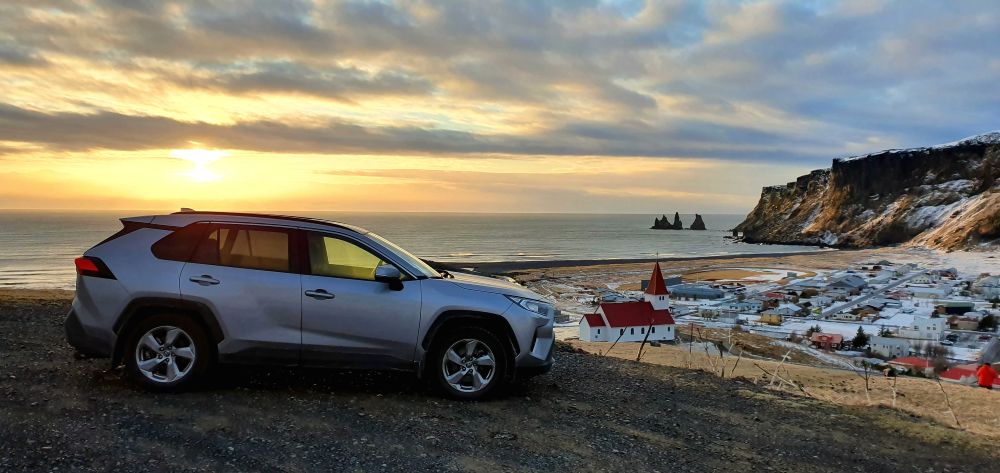
If you are renting a car in Iceland, grocery shopping becomes much easier. You’re not limited to what’s near your hotel, and you can plan your stops along the way.
Here are practical tips:
1. Shop Before Leaving Reykjavík
The capital has the most selection and often the best access to Bónus and Krónan.
2. Plan for Remote Areas
Some regions have limited grocery options:
- Westfjords
- Eastfjords
- Highlands (no stores at all)
Stock up before long drives.
3. Use Supermarkets for Breakfast and Lunch
Many travelers:
- Buy skyr, bread, fruit for breakfast
- Prepare sandwiches for lunch
- Eat out only for dinner
That balances budget and experience. You can also plan a few food stops along the way with this must-try road food guide: must-try Icelandic foods for the road.
4. Bring Reusable Bags
Plastic bags cost extra in Iceland.
Quality and Selection: Better Than Expected
Many visitors assume Iceland will have limited food selection, especially because it’s a small island in the North Atlantic. But that’s usually not the case at all. Once you walk inside a supermarket here, it feels surprisingly normal. You’ll see full shelves, familiar brands, and plenty of fresh options. Most travelers end up saying the same thing: it’s much better stocked than they expected. It doesn’t feel remote or restricted. It just feels like a solid, everyday supermarket.
You will find:
- Fresh dairy products
- Traditional specialties (yes, even things like sheep head in jelly, which you can read about here: traditional Icelandic foods like sheep head in jelly )
- Good bread and bakery items
- Imported pasta and sauces
- Frozen vegetables
- Vegan and vegetarian options (finding plant-based food is easier than many expect – more on that here: how easy it is to find vegan food in Iceland )
- Gluten-free options
In larger stores, selection can feel similar to mid-sized European supermarkets.
Grocery Shopping and the Iceland Travel Budget
Food is one of the easiest areas to control when planning Iceland travel cost. Unlike fuel or accommodation, which are mostly fixed, your daily food spending is flexible. You can choose when to cook, when to grab something simple, and when to sit down for a restaurant meal. That flexibility makes a real difference over a week or two. And if you want even more ways to lower your overall Iceland travel cost, including tax tips and VAT refunds, this guide is useful: Iceland travel tips, VAT refunds, and ways to save money. Even small choices, like buying breakfast at a supermarket instead of a café every morning, can noticeably lower your total travel budget.
Fixed expenses:
- Car rental
- Accommodation
- Fuel
Flexible expenses:
- Food
- Coffee stops
- Snacks
Supermarkets in Iceland give flexibility. You can decide when to save and when to spend.
For many travelers doing a full self-drive in Iceland, this balance makes the trip more affordable overall. It gives you control, which matters when other costs are fixed.
Urban vs Rural Grocery Experience
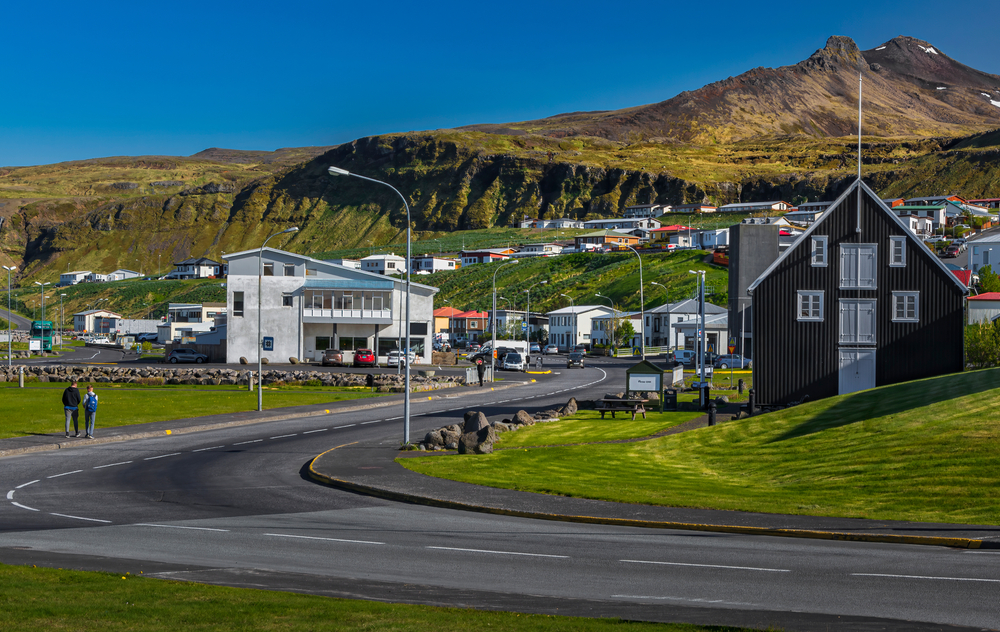
There is a difference between Reykjavík and smaller towns. It’s not dramatic, but you will notice it once you’ve visited both. In the capital area, supermarkets feel larger, more modern, and more varied. You’ll have multiple options within a short drive, longer opening hours, and a wider range of international products. In smaller towns, things move at a slower pace. The stores are usually smaller, the selection is more basic, and the focus is on everyday essentials rather than variety. It’s not a problem, just something to be aware of when planning your stops along the way.
In Reykjavík:
- Multiple Bónus locations
- Large Krónan stores
- Specialty stores
- International selection
In Smaller Towns:
- One small grocery store
- Limited opening hours
- Higher prices
- Basic essentials
Still, even small towns are usually stocked with what you need.
Opening Hours in Iceland
Opening hours vary, and they’re worth checking in advance, especially outside the capital area. In Reykjavík and larger towns, supermarkets are usually open until the evening, and some Nettó locations even operate 24/7. But once you head into smaller towns or more rural regions, stores may close earlier than you expect, sometimes around 18:00 or 19:00. Sundays can also have shorter hours. If you’re driving long distances, it’s a good habit to quickly check opening times before you arrive so you don’t end up in an empty parking lot after a long day on the road.
Large supermarkets:
- 10:00–20:00 or 21:00
- Some open earlier
- Some Nettó stores open 24/7
Smaller town stores:
- Shorter hours
- Often closed earlier
- Limited Sunday hours
Always check ahead in rural areas.
Environmental Awareness in Icelandic Supermarkets
Iceland places strong focus on sustainability, and you notice it pretty quickly when you start shopping. It’s not just a slogan on a wall or something printed on a bag. It’s part of everyday life here. Recycling, reducing waste, and supporting local production are normal habits for most people, not trends. Supermarkets reflect that mindset in simple, practical ways.
You will notice:
- Deposit system for bottles and cans
- Reusable bag encouragement
- Local dairy dominance
- Limited plastic packaging in some categories
Travelers can easily participate in the recycling system.
Renting a Car in Iceland Makes Grocery Shopping Easy
If you really want to make the most of supermarkets in Iceland, having a rental car changes everything. Public transport outside Reykjavík is limited, and many smaller towns don’t have frequent bus connections. In some rural areas, there are no practical public transport options at all.
With a car, you’re not stuck buying food near your hotel or relying on expensive convenience stores. You can:
- Stop at Bónus, Krónan, or Nettó before heading out of town
- Stock up before driving into remote regions
- Store groceries easily for longer road trips
- Choose where and when to shop based on your route
For many travelers, self-drive in Iceland isn’t just the best option. It’s often the only realistic way to explore waterfalls, black sand beaches, small fishing villages, and national parks at your own pace. And once you’re already driving around the country, stopping at a supermarket along the way just becomes part of the rhythm of the trip.
Having your own car also means you can balance your budget more easily. You might cook dinner at your accommodation one night, then treat yourself to a restaurant the next. That flexibility makes a big difference over a week or two.
Why Choose Blue Car Rental for Your Iceland Trip
If you’re planning a road trip around Iceland, choosing the right rental company matters just as much as choosing the right route.
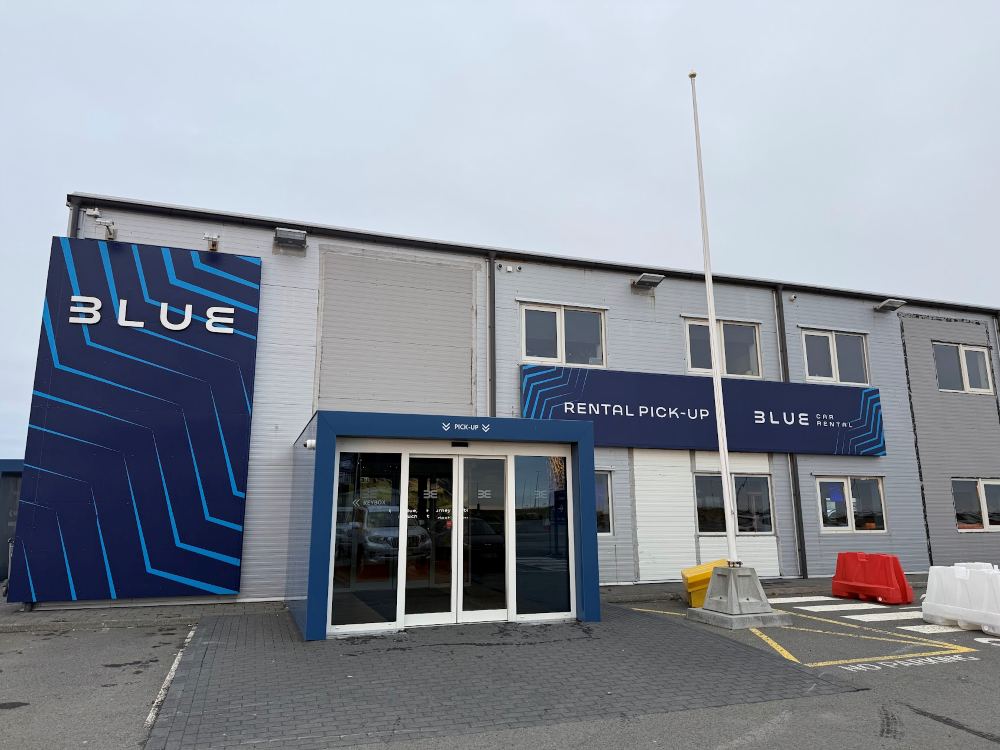
Blue Car Rental is a local Icelandic company with years of experience helping travelers explore the country safely and comfortably. Choosing a local company in Iceland makes a difference, and you can read more about that here: why you should choose a local company in Iceland and here: why local experts beat global car rental brands in Iceland. Being local means understanding road conditions, weather changes, and what visitors actually need when driving in Iceland.
With Blue Car Rental, you get:
And if you're looking to reduce rental costs, this guide on finding coupon codes can help: finding coupon codes for car rental in Iceland.
- A wide range of vehicles, from small city cars to 4x4 SUVs
- Options suited for both summer road trips and winter driving
- Clear insurance options with strong coverage
- Fast pickup and drop-off processes
- Support from a team that knows Iceland inside and out
When you combine a reliable rental car with smart supermarket shopping, you get the best of both worlds. You stay flexible, control your budget, and travel at your own pace.
Iceland is a country built for road trips. And when you have the freedom to drive where you want, stop where you want, and shop where you want, the whole experience feels easier.
Final Thoughts: Simple Ways to Travel Smarter
Iceland is not a cheap destination. But it is manageable. A little planning goes a long way.
Supermarkets in Iceland make it possible to travel longer and spend smarter. The quality is good. Selection is better than many expect. And pricing in national chains is predictable.
If you are planning a road trip, grocery shopping becomes part of the experience. You stop, explore local towns, and prepare meals along the way.
And sometimes that simple sandwich with Icelandic skyr and fresh bread tastes better than an expensive restaurant meal. Especially after a long day of driving through waterfalls, lava fields, and coastal roads.
 ELECTRIC CARS AND CLEAN ENERGY IN ICELAND: AN EV TRAVEL GUIDE