
Pricing confusion is one of the most common frustrations travellers run into when booking a rental car in Iceland. A headline rate looks reasonable, then a string of add-ons appears at checkout, and by the time you reach the payment screen the total looks very different. This article explains how Blue Car Rental structures its car rental pricing, what a deposit actually involves, how the insurance tiers work in plain language, and what happens if there is damage to the vehicle.
What "all-inclusive" actually means on a Blue Car Rental booking
When Blue Car Rental describes a booking as all-inclusive, it means the quoted price covers the core costs you need to drive legally and without surprise. That includes VAT, unlimited mileage, airport or city pickup, and the base level of insurance cover.
What it does not automatically mean is that every possible add-on or upgrade is bundled in. Optional extras, child seats, additional drivers, GPS, a higher insurance tier, are priced separately and shown clearly before you confirm. The principle is that you should be able to read the checkout summary and understand exactly what each line is.
Here is a breakdown of what is typically included versus what is optional:
| Item | Included in base price | Optional add-on |
|---|---|---|
| VAT | Yes | |
| Unlimited mileage | Yes | |
| Keflavik Airport pickup | Yes | |
| Basic insurance (CDW) | Yes | |
| Gravel protection (SAAP) | No | Yes |
| Additional driver | No | Yes |
| Child seat | No | Yes |
| GPS / Wi-Fi device | No | Yes |
| Full cover / zero-excess insurance | No | Yes |
| Roadside assistance upgrade | No | Yes |
If you want to understand the full list of available extras before booking, the useful information extras page lists what is available and how each one works.
No-deposit car rental in Iceland: how it actually works
Blue Car Rental does not require a traditional cash deposit. Instead, the standard process involves a pre-authorisation hold on a credit or debit card at the time of pickup. This is a temporary ring-fence on funds, not an actual charge, and it is released at the end of the rental once the vehicle is returned in the agreed condition.
Pre-authorisation amounts vary depending on the vehicle category and the insurance level chosen. A higher-tier vehicle or a lower insurance cover level will typically require a higher hold. Choosing a full-cover or zero-excess insurance option reduces or removes this requirement in many cases.
A few practical points worth knowing:
- Credit cards generally process pre-authorisations more smoothly than debit cards. Debit cards are usually accepted, but the funds can take longer to release, depending on your bank.
- The hold is placed at pickup, not at booking. Your card only needs to cover the pre-authorisation amount at the time you collect the car.
- The hold is released automatically after return, though your bank's processing time varies (typically 3–10 business days).
For a full explanation of how deposits and pre-authorisations work in Iceland more broadly, the car rental deposit in Iceland guide covers the options in detail.

Insurance tiers in plain language
Iceland's roads introduce risks that are less common in other destinations: loose gravel on rural roads, sudden weather changes, river crossings on F-roads, and strong winds that can move a car door faster than expected. Understanding what your insurance actually covers before you drive matters.
Blue Car Rental offers several insurance levels. Here is what each one covers and, importantly, what it does not:
CDW (Collision Damage Waiver): The base level included with every booking. Covers damage to the rental vehicle in most collision scenarios, subject to an excess. Does not cover gravel damage, sand and ash damage, or damage to the undercarriage, tyres, or windscreen.
SAAP (Sand and Ash Protection): Covers damage caused by sand and volcanic ash, which is a genuine risk in Iceland, particularly in the south and around the Highlands. Not included in CDW. Available as a standalone add-on. Details on the SAAP insurance page.
Super CDW / Zero Excess: Reduces or eliminates the excess you would pay in the event of a claim. Covers most collision scenarios. Still typically excludes wilful damage and off-road driving in unauthorised areas.
Full Cover: The most comprehensive option. Typically combines CDW, SAAP, gravel protection, windscreen, and tyres, check the full terms on the insurance overview page for the exact items included in your booking. The pre-authorisation hold at pickup is generally lower at this tier. A practical choice if you plan to drive on gravel roads or in poor weather.
For a side-by-side view of what each tier covers, the insurance overview page lays out the full comparison.
It is also worth reading the liability waiver information if you are relying on coverage from a credit card or travel insurance policy, as the conditions vary significantly between providers.
Why most Blue Car Rental clients add the Liability Waiver and Roadside Assistance
More than three quarters of Blue Car Rental clients add the Liability Waiver and Roadside Assistance cover to their booking. That figure reflects something real: driving in Iceland involves conditions that are genuinely different from driving at home, and having both pieces of cover in place removes the anxiety of working out what you owe or who to call if something goes wrong.
The Liability Waiver limits your financial exposure in the event of damage beyond what standard CDW covers. For travellers who want a clear ceiling on any potential cost, it is the most direct way to achieve that. You can review exactly what it covers and how it works on the liability waiver information page.
Roadside Assistance means that if the vehicle becomes undriveable, whether through a mechanical fault, a flat tyre on a remote gravel road, or a weather-related incident, you have direct access to help. The alternative, arranging recovery independently in Iceland, can be both complicated and expensive. Details on the roadside assistance page.
Neither option is required, and not every itinerary carries the same level of exposure. But if you want a carefree rental, these are the two additions most consistently valued by clients who have driven Iceland before. The insurance overview page shows how both fit within the full range of cover options.
What happens if there is damage
If your vehicle is involved in an incident during the rental, here is the process:
- Document the damage immediately. Take clear photographs from multiple angles before moving the vehicle if it is safe to do so. This protects you as much as it informs the claim.
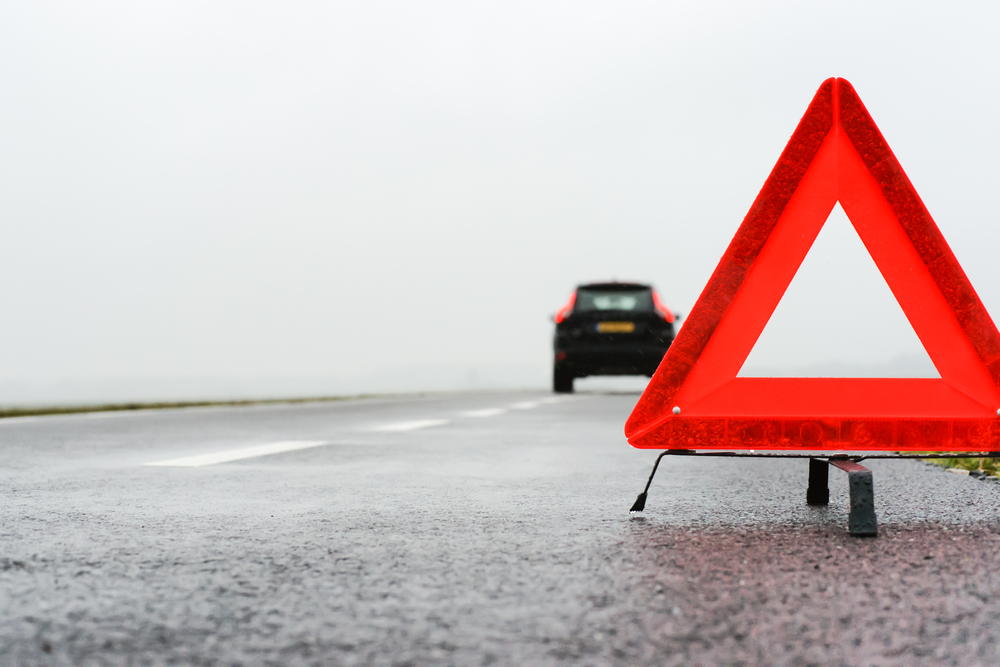
- Report to Blue Car Rental. Contact the team as soon as possible. Do not wait until return. If the situation is serious or the vehicle is undriveable, the roadside assistance service is available to help.
- File a police report if required. For third-party incidents, theft, or significant damage, a police report may be required to process the claim.
- Return the vehicle and complete the damage report. At return, a member of staff will inspect the vehicle and note any new damage against the condition recorded at pickup.
- Excess charge or insurance claim. If the damage falls within the scope of your insurance tier, the claim is processed accordingly. If the excess applies, it will be charged to the card on file.
One thing worth noting: Blue Car Rental photographs vehicles at both pickup and return. This pre- and post-rental inspection record is there to protect both parties, and it means pre-existing damage noted at pickup cannot be attributed to you at return.
For guidance on what to do in a roadside emergency more broadly, the breakdown and emergency page covers the steps clearly.
Keeping costs predictable
Car rental transparency is not just about the booking screen. It also means understanding what choices you make during the trip can affect what you owe at return. A few practical points:
- Returning the car with less fuel than it had at pickup will result in a refuelling charge. Refuelling tips for Iceland rental cars explains how fuel grades and station availability work around the country.
- Driving on F-roads (highland tracks) with a vehicle not rated for them is both a road safety issue and a contractual one. Damage sustained off-road in an unauthorised vehicle is typically not covered by any insurance tier. See the F-roads guide for what is required.
- Road tolls and any traffic fines incurred during the rental are the driver's responsibility. The road tolls page covers where Iceland's tolls apply.
If you want a broader picture of what Iceland car rental actually costs, the hidden costs blog is worth reading alongside this one.
 RENTING A CAR IN ICELAND FOR A WEEK: WHAT TO PLAN AND BUDGET