
Understanding Iceland car rental costs is the most reliable way to avoid spending more than you planned. It's easy to overpay if you don't know where the costs actually come from, but the main factors are identifiable and manageable. This guide breaks down timing, vehicle choice, insurance, and extras, and explains how to make sensible decisions at each step.
What actually drives the price of a rental car in Iceland
The base rental rate is only part of what you'll pay. The total cost of renting a car in Iceland depends on four main things: when you book, which vehicle you choose, what insurance you add, and which extras you opt into (or get upsold on). Get these right, and the savings are real. Miss them, and your "low-cost" booking can end up costing more than a mid-range one.
For a solid overview of what to expect across all these categories, Iceland car hire costs and what to expect is worth reading before you book.
Book early, but know that late booking sometimes works too
Booking 6–10 weeks in advance generally gives you access to the best base rates and the widest vehicle selection, but late booking can work outside peak season. This is especially true for summer (June–August), which is peak season in Iceland, and for school holiday periods like Easter and Christmas.
That said, last-minute inventory does occasionally open up, cancellations happen. If your travel dates are flexible and you're not arriving during peak season, checking rates a week or two out can sometimes work in your favour. But if you have a specific vehicle class in mind (a small 4x4 or a larger family SUV), don't count on it being available late.
For a step-by-step look at how the booking process works, including 2WD vs 4x4 decisions, insurance choices, and pickup logistics, the How To Book A Car In Iceland 2wd 4x4 Insurance & Pickup Guide is a useful companion read.
Choose the right vehicle class for your actual route
Matching the vehicle to your route is one of the most effective ways to control costs, upgrading beyond what you need is money spent for no benefit. Here's a straightforward way to think about it:
Driving the Ring Road or South Coast in summer? A city car or small 2WD handles these routes perfectly well. Route 1 (the Ring Road) is a paved highway, and the main tourist sites along the South Coast, Seljalandsfoss, Skógafoss, Jökulsárlón, are all accessible on surfaced roads. The guide to choosing the right car for your Iceland road trip walks through this decision in detail, including a breakdown of when each vehicle class makes sense.
Planning to visit the Highlands or F-roads? Then a 4x4 is not just advisable, it's legally required. F-roads like F35 (Kjölur) and F208 (to Landmannalaugar) involve river crossings and rough terrain that will damage a 2WD and void your insurance. A mid-range 4x4 is enough for most highland routes, you don't automatically need a heavy-duty Land Cruiser unless you're doing very remote or technical driving.
Travelling as a family or group? Renting one larger vehicle is almost always less expensive than renting two smaller ones. Compare costs honestly before defaulting to the smaller option.
Understand insurance before you assume you're covered
Insurance is where many travellers either overspend (by double-covering themselves) or underspend (by skipping coverage they actually need), and both mistakes cost money. Understanding your options before you arrive is the most reliable way to avoid either outcome.
Every rental in Iceland comes with basic third-party liability as a minimum. Beyond that, you'll typically be offered a Collision Damage Waiver (CDW), gravel protection (SAAP), and sometimes a Super Collision Damage Waiver that reduces or eliminates your excess. Understanding Iceland car rental insurance is worth reading in full before you arrive.
A few points to check before declining any coverage:
- Your credit card's rental insurance may cover CDW, but rarely covers gravel, sand, or ash damage, significant risks in Iceland. Verify your specific card's terms in writing before declining rental company coverage, as policies vary significantly between issuers and card tiers.
- Your travel insurance might include some rental car cover, but limits, excesses, and what's excluded vary widely.
- Bundled insurance packages sometimes offer better value than adding cover piece by piece. Insurance bundles with zero-excess options can make the maths cleaner if you want peace of mind without complexity.
The goal isn't to buy everything on offer, it's to understand what your existing cover does and doesn't include, then fill the gaps.
Watch for the costs that don't show up in the headline rate
The gap between the advertised rate and what you actually pay is where most rental cost surprises live, and most of them are avoidable once you know to look for them. The full breakdown of hidden costs covers these in detail, but the main ones to watch for are:
- Additional driver fees, often charged per day, per driver. If two of you plan to share driving, factor this in upfront.
- Young driver surcharges, typically applied to drivers under 25.
- One-way rental fees, if you want to pick up in Keflavik and drop off in Akureyri, expect a fee.
- Child seat rentals, necessary if you're travelling with young children. Rental companies can supply them, but there's usually a daily or weekly charge. Child seat rental in Iceland explains what's available.
- Fuel policy, most Iceland rentals are full-to-full. Return the car on fumes and you'll be charged for a full tank at the rental company's rate, which is almost always higher than a petrol station. Refuelling tips for Iceland rental cars are worth reading before your trip.
- Mileage caps, some lower-priced rentals come with a daily kilometre limit. The Ring Road runs approximately 1,300–1,340 km depending on the route taken, so if you're covering significant ground, make sure your rental includes unlimited mileage or calculate whether the cap works for your itinerary. Blue Car Rental includes unlimited mileage as standard, which matters on a longer trip.
- Roadside assistance, some base rates exclude this, leaving you liable for call-out costs if you get stuck. It's worth checking whether roadside assistance is included or available as an add-on before you sign.
Pick up your car efficiently at Keflavik
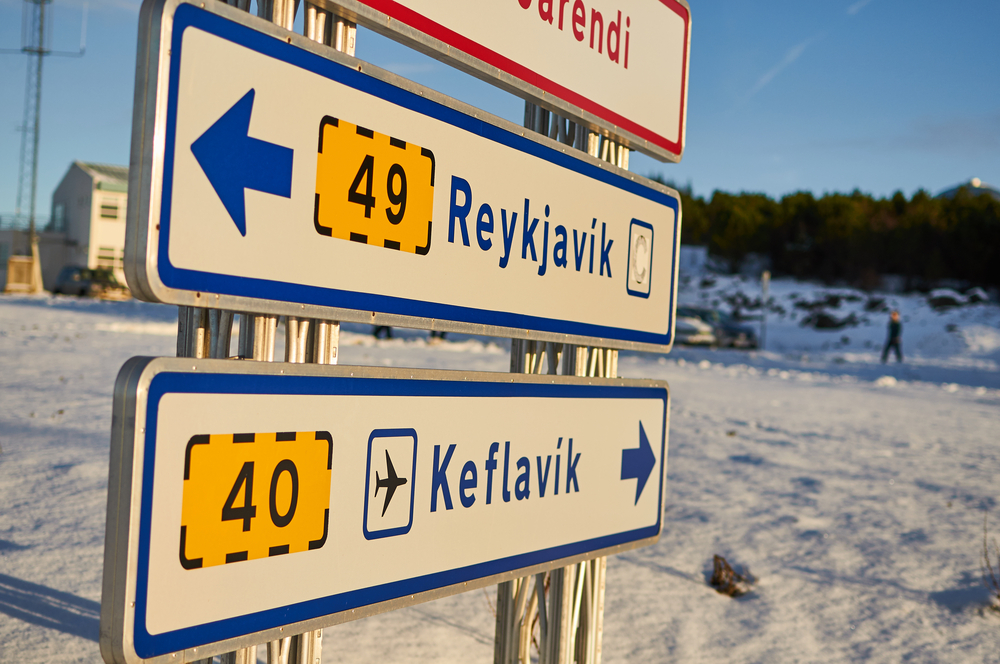
A smooth airport pickup doesn't reduce the rental rate, but it does affect the real value of your trip, particularly if you land late and want to get moving straight away. At Keflavik Airport, some rental companies require a shuttle to an off-site depot; others offer key-box pickup that lets you collect your car without waiting for a desk to open. Understanding how car rental pickup works at Keflavik Airport helps you compare options before you book.
Blue Car Rental offers online check-in and key-box pickup at Keflavik, which means you can complete your paperwork before you arrive and collect the keys from a secure box whenever you land, no queue, no waiting for staff. For early morning or late-night arrivals, this makes a practical difference.
If you'd like to explore vehicle options and availability before committing, the Car Rental Iceland overview page is a good starting point.
Consider whether discount codes or loyalty programmes are genuinely worth it
Coupon codes and promotional offers can reduce your costs, but they're worth examining carefully before assuming they represent a genuine saving. Codes are often applied to base rates that may already be inflated, or come with conditions that limit their usefulness. Finding genuine Iceland car rental discount codes gives a clear-eyed view of when they help and when they don't.
A loyalty or rewards programme can provide more consistent savings, particularly if you're visiting more than once or travelling as part of a group. Blue Car Rental has a rewards programme that offers benefits across multiple bookings, worth looking at if you plan to return.

Mistakes that quietly inflate the cost
A few common patterns that push up the real price of a rental:
- Booking through a third-party aggregator and assuming the price shown is final. Aggregator prices often exclude local taxes, airport surcharges, mandatory fees, and insurance. The gap between the headline price and the final total can be significant. Booking directly with the rental company gives you a cleaner picture of the final cost.
- Declining all insurance to save money, then paying a large excess after a gravel chip. A single windscreen claim can cost more than a week of full-cover insurance.
- Upgrading to a 4x4 "just in case" without checking whether your itinerary actually needs one. If you're staying on paved roads in summer, a smaller car is a legitimate saving, not a compromise.
- Returning with less than a full tank. Avoidable, and always expensive.
For a broader list, things not to do when renting a car in Iceland covers the most common mistakes in detail. And if you're weighing up providers, the Blue Car Rental safety and satisfaction overview sets out what to look for when comparing companies on more than price alone.
A note on value vs. price
The most cost-effective car rental in Iceland is not always the one with the lowest headline rate. It's the one where the total cost, base rate, insurance, extras, and any unexpected charges, is lowest relative to what you actually need. A well-insured, right-sized vehicle from a company with transparent pricing and decent roadside assistance cover often costs less in practice than a stripped-back booking that develops problems on the road.
That doesn't mean paying more than necessary. It means knowing what you're comparing before you commit.
 PARKING IN REYKJAVÍK: ZONES, PAYMENT, AND WHERE TO LEAVE YOUR CAR