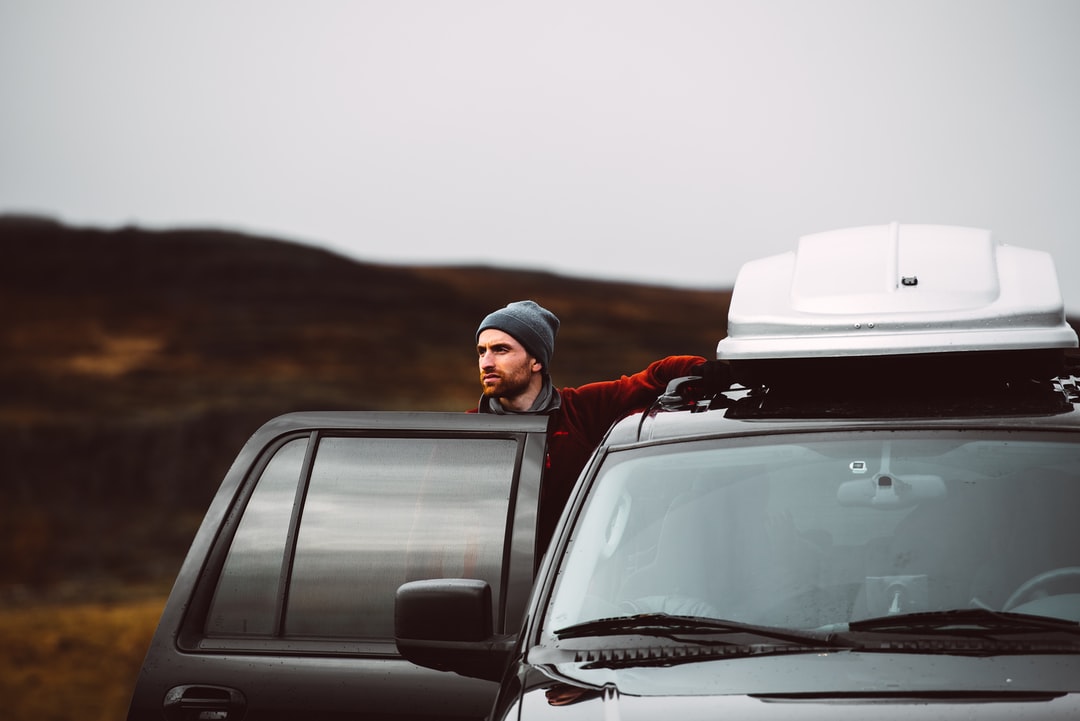

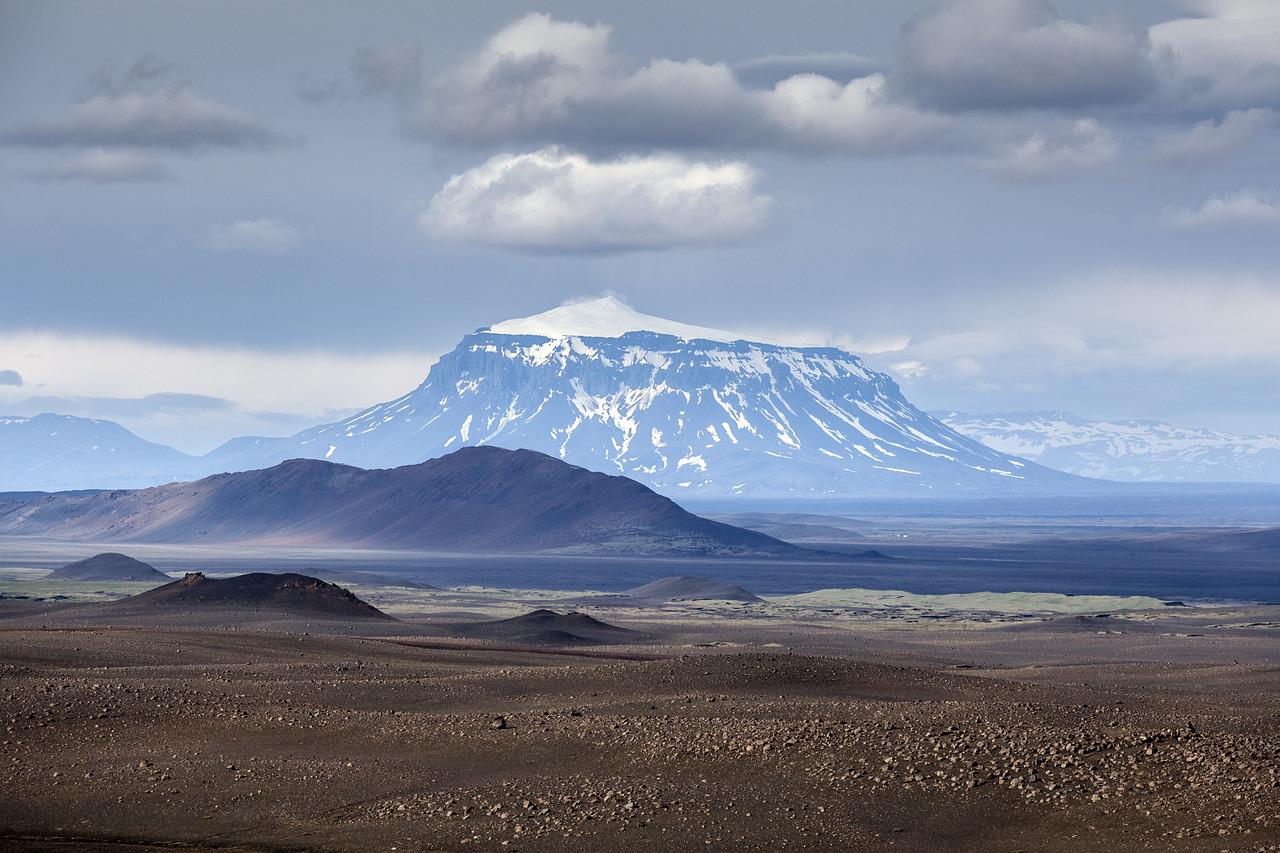
In recent years, Iceland has become one of the most sought-after travel destinations in the world. Dramatic volcanic landscapes, majestic waterfalls, black sand beaches, glacier lagoons, geothermal spas, and endless scenic drives make visiting Iceland an unforgettable experience. Whether you’re planning your first visit or returning for a deeper exploration, proper preparation is essential — especially if you plan to explore by car.
Iceland is one of the best countries in the world for a self-drive adventure. The famous 830-mile Ring Road circles the entire island, connecting waterfalls, glaciers, lava fields, fjords, and charming fishing villages. If a road trip through raw Nordic nature sounds appealing, this complete guide will help you prepare for a safe, efficient, and unforgettable Iceland journey.
Key Travel Notice for Iceland Road Trips:
- Book your rental car, accommodation, and tours well in advance (especially June–August).
- Check daily weather and road conditions before driving.
- Choose the right vehicle type for your route (2WD vs. 4x4 for F-roads).
- Pack layers in every season — Icelandic weather changes quickly.
- Respect nature: stay on marked roads and follow local safety guidance.
When Is the Best Time to Visit Iceland?
The best time to visit Iceland depends on what you want to experience. Summer (June to August) is peak season — and for good reason. The Midnight Sun provides nearly 24 hours of daylight, giving you maximum flexibility for sightseeing and photography. Roads are generally clear, hiking trails are accessible, and the Highlands open for adventure.
If you’re planning a full loop around the country, our detailed 7-day Ring Road itinerary guide explains how to structure your drive efficiently while maximizing scenic stops.
Fall and spring offer fewer crowds and better prices. Winter (November–March) transforms Iceland into a snow-covered wonderland and offers Northern Lights opportunities. However, winter driving requires preparation and confidence. If you’re considering a cold-season visit, review this complete guide to driving in Iceland in winter for safety tips, vehicle advice, and road condition planning.
Choosing the Right Vehicle for Your Route
Your vehicle choice should match your route and travel season. The Ring Road is fully paved and accessible year-round, making it suitable for most 2WD vehicles during summer. However, if you plan to explore F-roads in the Highlands (open only in summer), you must rent a 4x4 vehicle.
If you’re unsure about distances and timing, this in-depth breakdown of how long it takes to drive around Iceland will help you plan realistic daily driving segments.
Travelers focusing on the southwest often prioritize the Golden Circle. If that’s on your list, consult this practical guide to Golden Circle directions for route planning and hidden stops along the way.
What to Pack for Iceland (All Seasons)
Regardless of when you visit, Iceland’s weather is unpredictable. Even in July, average temperatures rarely exceed 14°C (57°F). Strong winds and sudden rain showers are common.
Layering is essential. Waterproof outerwear, thermal base layers, and proper hiking boots should always be in your suitcase. Don’t forget a swimsuit — geothermal pools and hot springs are part of Icelandic culture.
| Item | Why You Need It | Season |
|---|---|---|
| Waterproof Jacket | Protection from sudden rain & wind | All year |
| Thermal Base Layers | Insulation in cool temperatures | All year |
| Hiking Boots | Traction on gravel & uneven terrain | All year |
| Swimsuit | Hot springs & geothermal pools | All year |
| Eye Mask | Midnight Sun sleep support | Summer |
| Ice Scraper & Gloves | Windshield frost removal | Winter |
Packing correctly ensures comfort and safety throughout your journey, especially when traveling between remote regions.
Eating in Iceland: Budget and Expectations
Dining out in Iceland can be expensive due to import costs and high-quality local ingredients. Many travelers reduce expenses by shopping at grocery stores and preparing simple meals. Bringing snacks from home is also a smart strategy.
That said, Reykjavík’s culinary scene is worth experiencing at least once. From fresh seafood to modern Nordic cuisine, the capital offers world-class dining in a relaxed setting. Road tripping gives you flexibility — you can picnic by waterfalls one day and enjoy fine dining the next.
Driving in Iceland: Essential Preparation
Driving is the most efficient way to explore Iceland’s natural attractions. However, conditions can change quickly. Gravel roads, single-lane bridges, strong crosswinds, and sheep crossing highways are common realities.
Before your trip, familiarize yourself with safe driving practices. This helpful guide explaining what not to do when driving in Iceland outlines common mistakes visitors make and how to avoid them.
Here are essential driving tips:
- Always check weather and road conditions before departing.
- Slow down on gravel and blind hills.
- Never stop in the middle of the road for photos.
- Respect speed limits and local signage.
- Use designated parking areas at attractions.
Book Everything in Advance (Especially in Summer)
Iceland’s tourism infrastructure is excellent, but availability becomes limited during peak season. Rental cars, accommodations, glacier tours, and even restaurant reservations can sell out weeks or months ahead.
Booking early gives you more vehicle options, better pricing, and greater itinerary flexibility. Planning ahead is particularly important if you intend to drive the full Ring Road or venture into the Highlands.
Why a Self-Drive Trip Is the Best Way to Explore Iceland
Public transportation in Iceland is limited outside major towns. Guided tours are convenient but follow fixed schedules. A rental car allows you to travel at your own pace, stop at hidden viewpoints, adjust plans according to weather, and explore lesser-known regions beyond the main tourist routes.
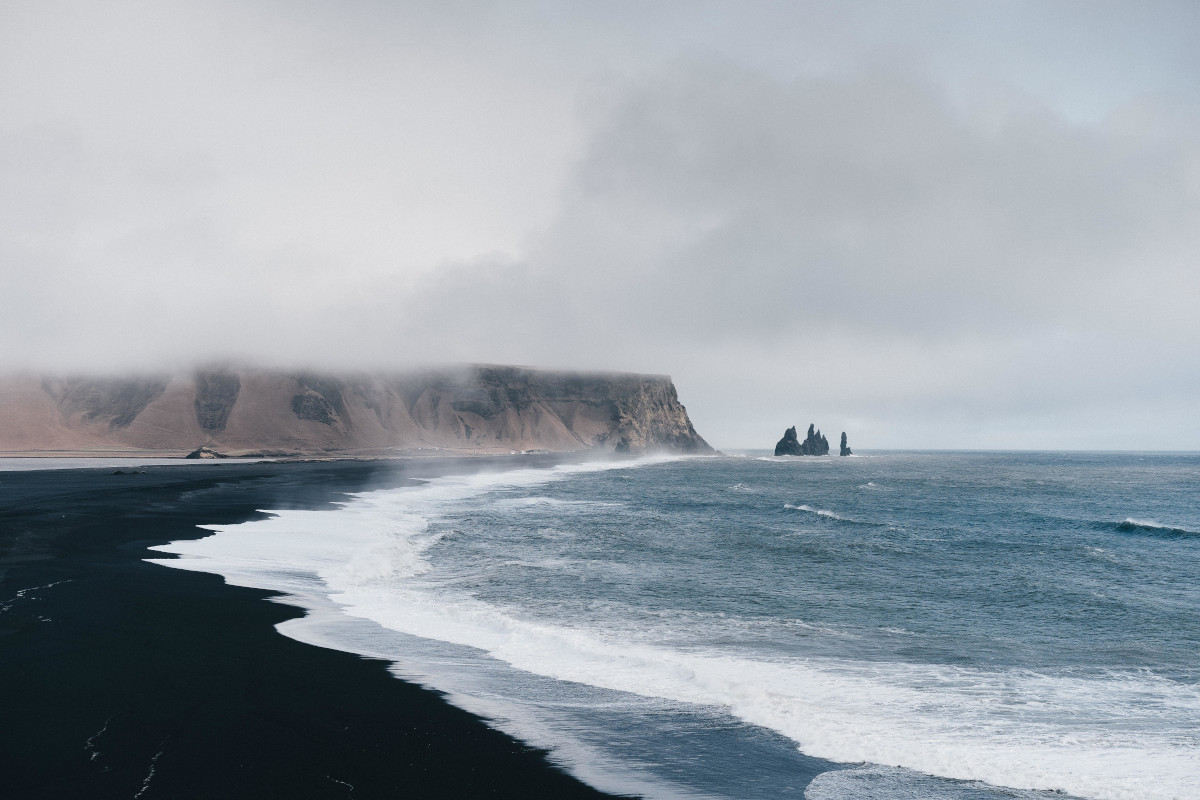
From black sand beaches in the south to waterfalls in the west and geothermal areas in the north, Iceland rewards independent travelers who value flexibility and spontaneity.
Final Thoughts: Prepare Smart, Travel Safely
An Iceland road trip is one of the most rewarding travel experiences in the world. With proper preparation — choosing the right season, packing smart, selecting the correct vehicle, and understanding driving conditions — you can explore confidently and safely.
Plan your route, book early, monitor weather updates, and allow time for unexpected stops. Iceland’s beauty lies not only in its famous landmarks but in the quiet moments between them — lava fields stretching endlessly, mist rising from waterfalls, and open roads leading into untouched landscapes.
With thoughtful planning and responsible driving, your Iceland adventure will be unforgettable from the first mile to the last.
 DRIVING IN WINTER: ICELAND’S CAR RENTAL SAFETY GUIDE FOR FIRST-TIME VISITORS