
Why Shoulder Season Is a Smart Time for Car Hire in Iceland
Car hire in Iceland changes depending on the time of year. Prices shift. Road conditions change. Daylight hours increase or decrease. And the overall travel experience feels different.
The shoulder season (spring and autumn) sits between the busy summer months and the darker winter season. For many travelers, this is the most balanced time to visit.
If you are planning Iceland travel and want a better price, fewer crowds, and flexible driving conditions, the shoulder season is worth considering.
This guide explains what to expect, how to choose the right vehicle, and how to plan your budget.
What Is the Shoulder Season in Iceland?
In Iceland, the shoulder season usually means:
- Spring: April and May
- Autumn: September and October
These months sit between peak summer tourism and the winter low season.
During this period:
- Car hire prices are often lower than summer
- Tourist traffic decreases
- Accommodation availability improves
- Weather is more stable than winter
For travelers focused on budget and value, this period offers a strong balance between cost and experience.
Car Hire Price in Spring and Autumn
One of the main reasons travelers choose the shoulder season is price.
During summer, demand for car hire in Iceland is high. Vehicles book out quickly. Rates increase. The same applies to hotels and tours.
In spring and autumn:
- Daily car hire price is generally lower
- There is more vehicle availability
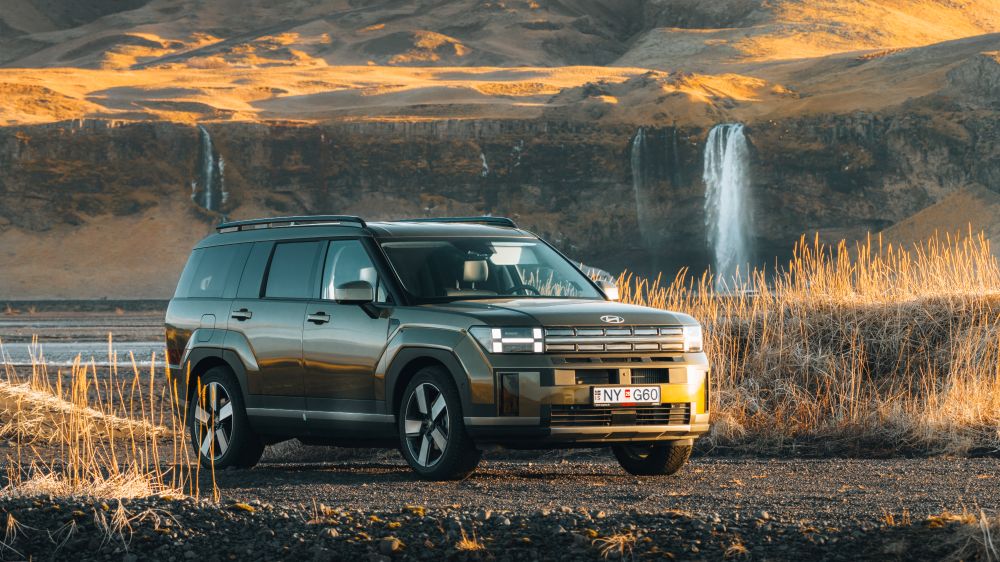
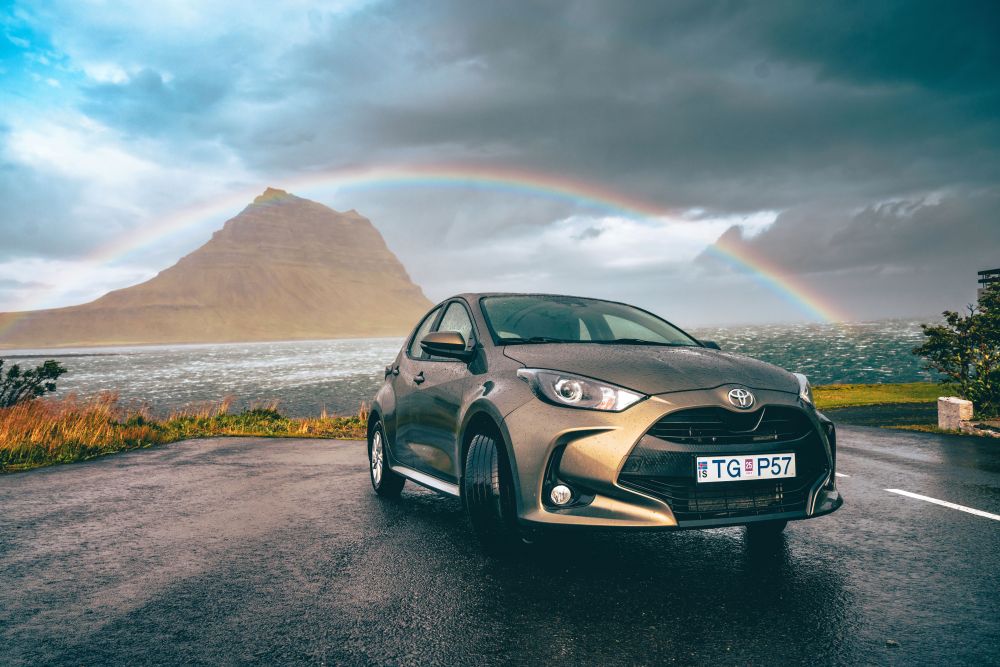
- You have greater flexibility in choosing 2WD or 4x4
This makes shoulder season ideal for cheap travel planning without sacrificing safety or comfort.
While Iceland is never considered a low-cost destination, choosing the right travel period can significantly reduce your overall Iceland travel cost.
Why Car Hire Is Essential for Iceland Travel
Iceland’s main attractions are spread across the country. Public transport outside Reykjavík is limited. Guided tours operate on fixed schedules.
Car hire gives you independence. With Blue Car Rental, you also benefit from local expertise, fast online check-in, and a wide selection of vehicles suited for Icelandic road conditions.
You decide:
- When to leave
- Where to stop
- How long to stay
- When to change plans due to weather
And weather matters in Iceland.
Spring and autumn conditions can shift quickly. Having your own vehicle allows you to adapt without stress.
For many travelers, car hire is not just convenient. It is practical.
Driving Conditions in Spring
Spring in Iceland is a transition season.
Snow begins to melt in lowland areas. Waterfalls are strong due to increased runoff. Landscapes slowly turn green.
Typical spring conditions include:
- Temperatures between 0°C and 10°C
- Occasional frost in early mornings
- Wind in open areas
- Mostly clear main roads
The Ring Road is accessible. For a detailed route breakdown, see our complete Ring Road driving guide. The South Coast is easy to explore. The Golden Circle is fully open. You can also explore additional stops in our Golden Circle self-drive guide.
Highland F-roads usually remain closed until early summer. If you are planning future Highland travel, read our F-road guide. This means a 4x4 is not required for most standard travel routes in spring.
For budget-focused Iceland travel, this is a good time to secure a lower car hire price while avoiding winter driving conditions.
Driving Conditions in Autumn
Autumn offers different advantages.
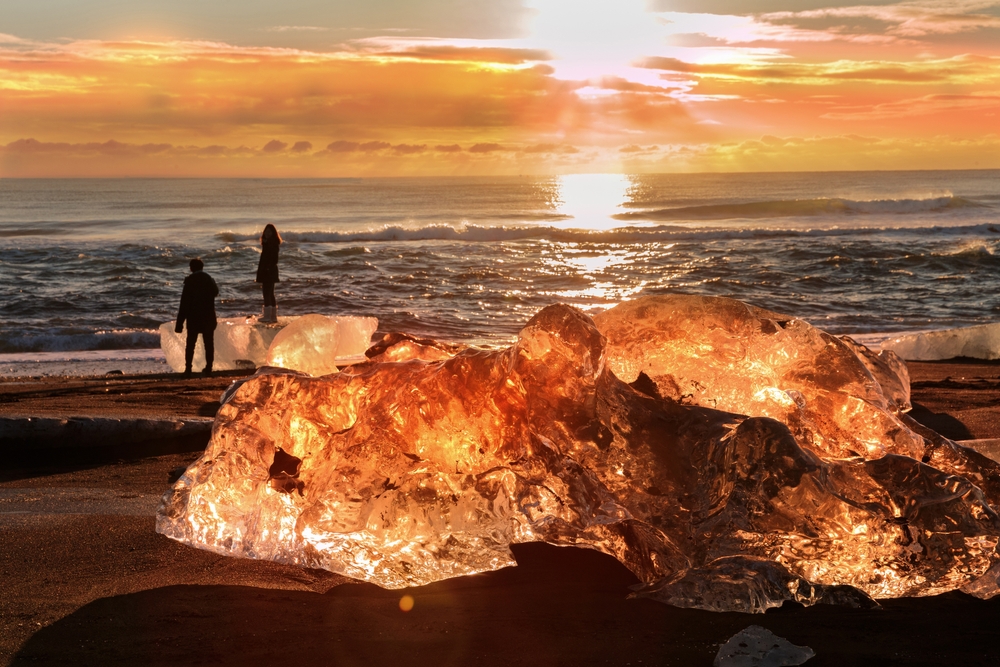
The landscape changes color. Light becomes softer. And from September onward, the Northern Lights return.
Driving conditions in early autumn are generally stable. By October, weather becomes more unpredictable.
You may experience:
- Rain and strong wind
- Shorter daylight hours
- Occasional early snowfall in late October
Main roads remain well maintained. But drivers should always check weather and road updates before departure.
Autumn car hire in Iceland works well for travelers who want fewer crowds while still maintaining reasonable driving conditions.
Do You Need a 4x4 During the Shoulder Season?
This depends on your travel plans.
If you are:
- Driving the Ring Road
- Visiting the Golden Circle
- Exploring the South Coast
- Staying on paved roads
A standard 2WD vehicle is usually sufficient in spring and early autumn.
However, a 4x4 can offer:
- Better stability in wind
- More comfort on gravel roads
- Added confidence during unpredictable weather
Check out the weather forecast from Iceland's met office.
If you are traveling later in autumn or prefer extra security, a 4x4 may be the better option. If you are unsure whether you need one, read our detailed guide on choosing the right 4x4.
Highland driving is not possible during most of the shoulder season, as F-roads remain closed.
Choosing between a small car and a 4x4 often comes down to budget, luggage space, and driving comfort.

Budget Planning for Shoulder Season Travel
Iceland travel requires planning. Costs can add up quickly.
The shoulder season helps manage your budget in several ways:
- Lower car hire price compared to peak summer
- More competitive accommodation rates
- Cheaper flight options outside peak months
- Better availability for last-minute bookings
Fuel prices remain consistent year-round. Food prices in Iceland do not change significantly by season.
But the biggest savings often come from car hire and accommodation.
For travelers looking for cheap travel options in Iceland, spring and autumn are practical choices.
Popular Routes During the Shoulder Season
Most major routes remain accessible.
The Golden Circle
Open year-round and easy to drive. Less crowded in spring and autumn.
The South Coast
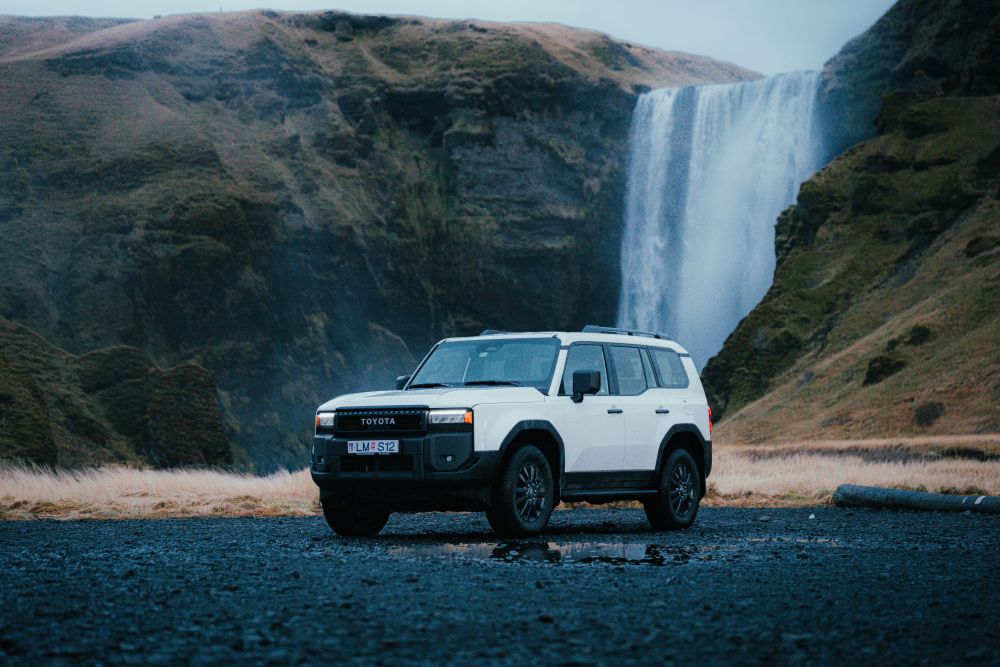
Waterfalls, glaciers, and black sand beaches remain accessible. Roads are paved and maintained.
The Ring Road
Possible in both spring and autumn with normal planning. Always monitor road updates.
With car hire in Iceland, these routes become flexible. You are not tied to tour schedules. You can adjust based on weather and daylight.
Shoulder Season vs High Season: Self-Drive Travel Comparison
Choosing when to visit Iceland affects your budget, driving conditions, and overall experience. The table below shows the main differences between shoulder season and high season self-drive travel.
|
Factor |
Shoulder Season (Spring & Autumn) |
High Season (Summer) |
|
Car Hire Price |
Lower daily rates |
Highest rates of the year |
|
Vehicle Availability |
More flexibility in vehicle choice |
Popular models book out early |
|
Tourist Crowds |
Fewer visitors at major sites |
Busy at popular attractions |
|
Accommodation Cost |
More competitive pricing |
Peak pricing and limited availability |
|
Daylight Hours |
Moderate daylight |
Midnight sun and very long days |
|
Driving Conditions |
Stable but variable weather |
Most stable road conditions |
|
Northern Lights |
Possible in autumn |
Not visible in summer |
|
Flexibility |
Easier last-minute planning |
Requires early booking |
What This Means for Your Trip
If your priority is long daylight hours and the warmest temperatures, high season makes sense. Summer offers the most predictable road conditions and access to the Highlands once F-roads open.
But if your focus is better price, fewer crowds, and a balanced driving experience, the shoulder season often delivers more value.
Car hire in Iceland during spring and autumn allows you to:
- Reduce overall travel cost
- Avoid peak tourist congestion
- Maintain flexibility in your itinerary
- Still access major routes like the Ring Road and Golden Circle
For many self-drive travelers, shoulder season provides the best mix of affordability and accessibility without the intensity of peak summer tourism.
Insurance and Practical Considerations
Weather in Iceland can change quickly, even in spring and autumn.
When booking car hire in Iceland, consider:
- Gravel protection
- Wind damage coverage
- Full insurance options
Strong wind is common year-round. Gravel roads exist across the country.
Choosing proper coverage reduces financial risk and allows you to focus on the experience instead of potential repair costs. Blue Car Rental offers full coverage insurance options designed specifically for Icelandic weather and gravel conditions. You can learn more in our insurance guide.
Who Should Choose Shoulder Season Car Hire?
The shoulder season works best for travelers who:
- Want better car hire price
- Prefer fewer crowds
- Are comfortable with variable weather
- Want flexibility without peak summer costs
If your priority is warmest temperatures and midnight sun, summer may be better.
But if you want balance between cost and experience, spring and autumn often deliver better value.
Final Thoughts: Car Hire in Iceland at the Right Time
Timing matters.
Car hire in Iceland during the shoulder season offers practical advantages. You reduce your overall travel price. You avoid peak tourist traffic. And you still access the country’s main highlights.
Spring brings strong waterfalls and longer days. Autumn offers color and Northern Lights opportunities. For seasonal tips, see our Northern Lights driving guide.
Both seasons allow you to explore Iceland with flexibility and control.
With careful planning, realistic expectations, and the right vehicle choice, shoulder season travel can be one of the most balanced ways to experience Iceland. Choosing a local provider like Blue Car Rental ensures transparent pricing, modern vehicles, and support from a team that understands Iceland’s seasonal road conditions.
If you want to dive deeper into the subject check out best rental cars for a spring road trip and best places for autumn road trip in Iceland.
 DRIVING IN WINTER: ICELAND’S CAR RENTAL SAFETY GUIDE FOR FIRST-TIME VISITORS