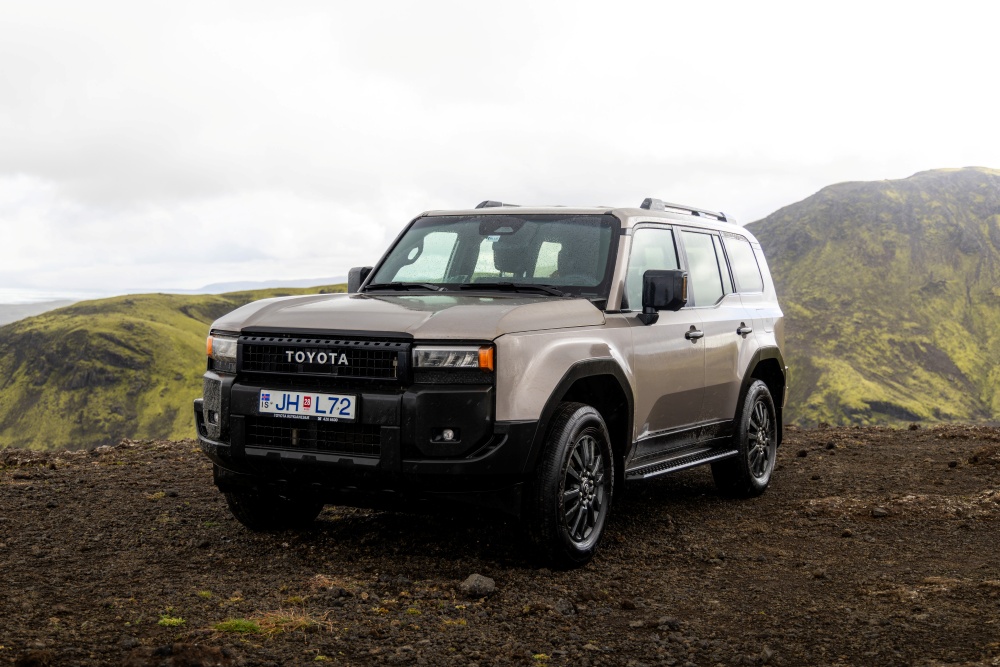

F-roads are Iceland's mountain tracks into the Highlands, unpaved, seasonal, and legally restricted to four-wheel-drive vehicles. This guide explains what qualifies as an F-road, which 4x4 suits which route, when these roads typically open and close, and how insurance actually works if you're planning to include one in a self-drive itinerary.
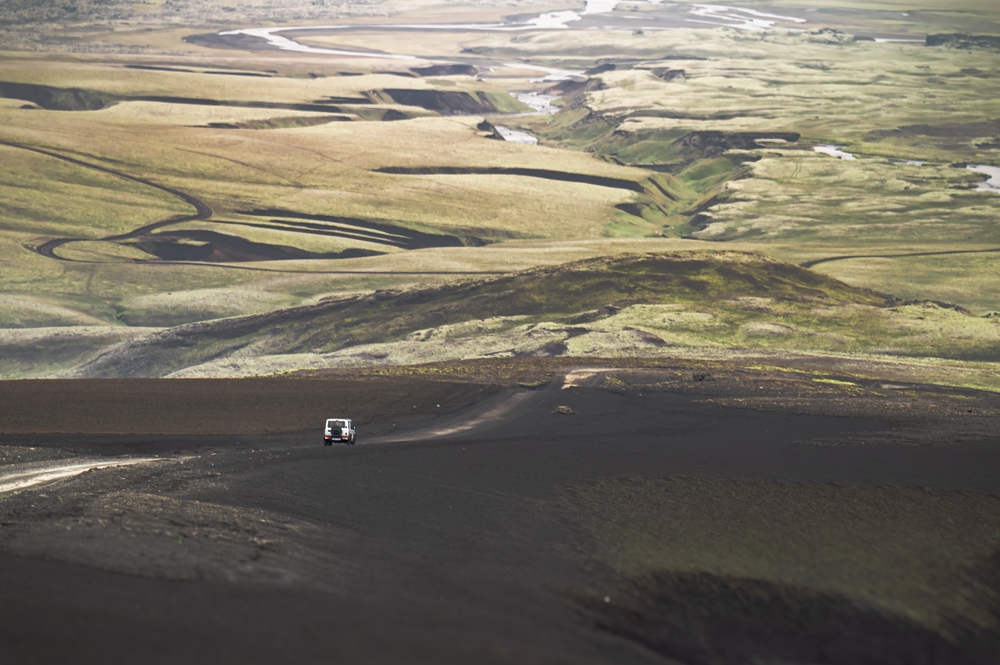
Short answer: F-roads (marked with an "F" before the route number, such as F35 or F208) are unpaved highland roads open only in summer, roughly mid-June to late September depending on snowmelt and conditions. Driving them legally requires a four-wheel-drive vehicle, a 2WD car is prohibited and any damage sustained while driving one there is not covered. Which 4x4 you need depends on the specific route: a mid-size SUV is fine for F35, but rivers on routes like F88 or F249 call for a large, high-clearance 4x4, and some of the toughest fords are best left to specialist tour operators rather than a self-drive rental.
What is an F-road in Iceland?
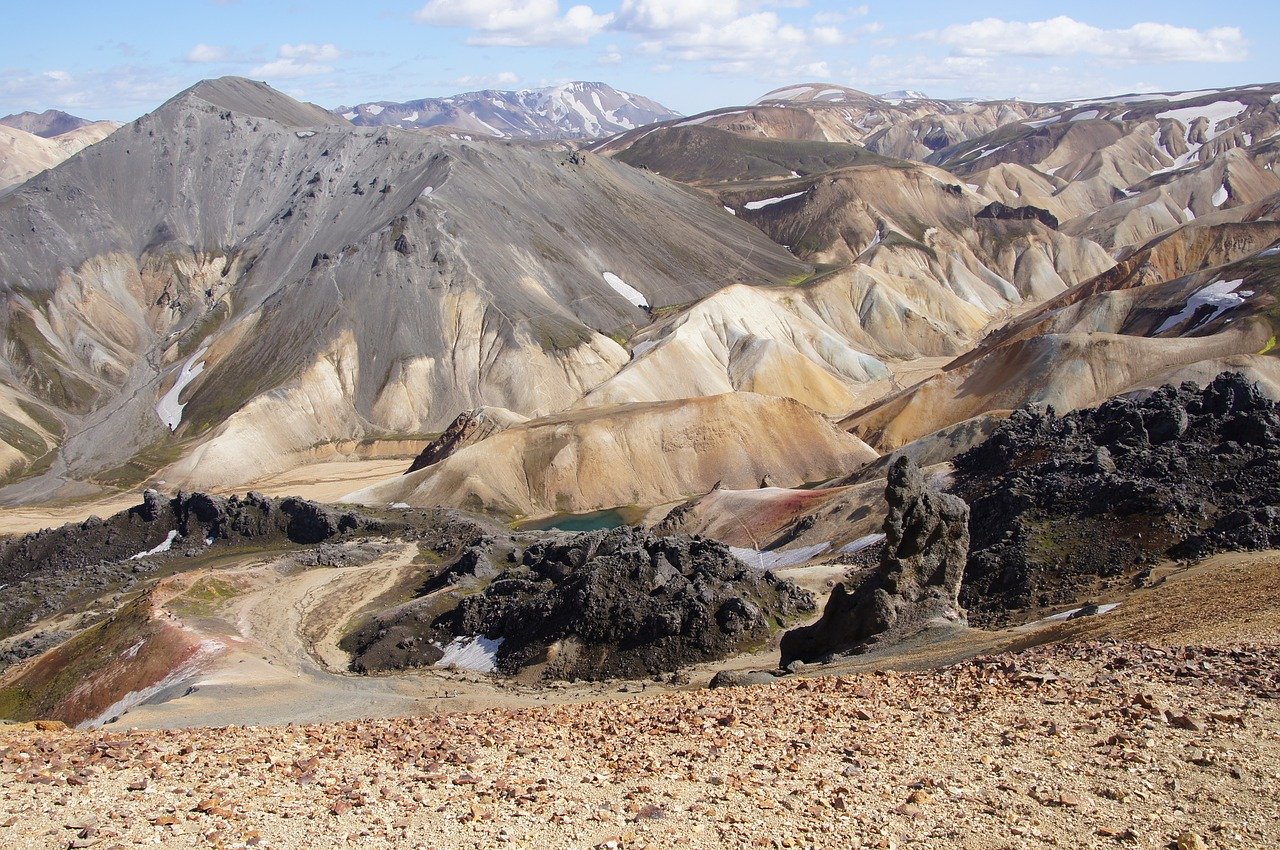
An F-road is a designated mountain road leading into Iceland's interior Highlands, distinguished from the regular numbered road network by an "F" prefix, F35, F26, F208, and so on. They connect places like Landmannalaugar, Þórsmörk, Askja, and Kjölur that have no paved access.
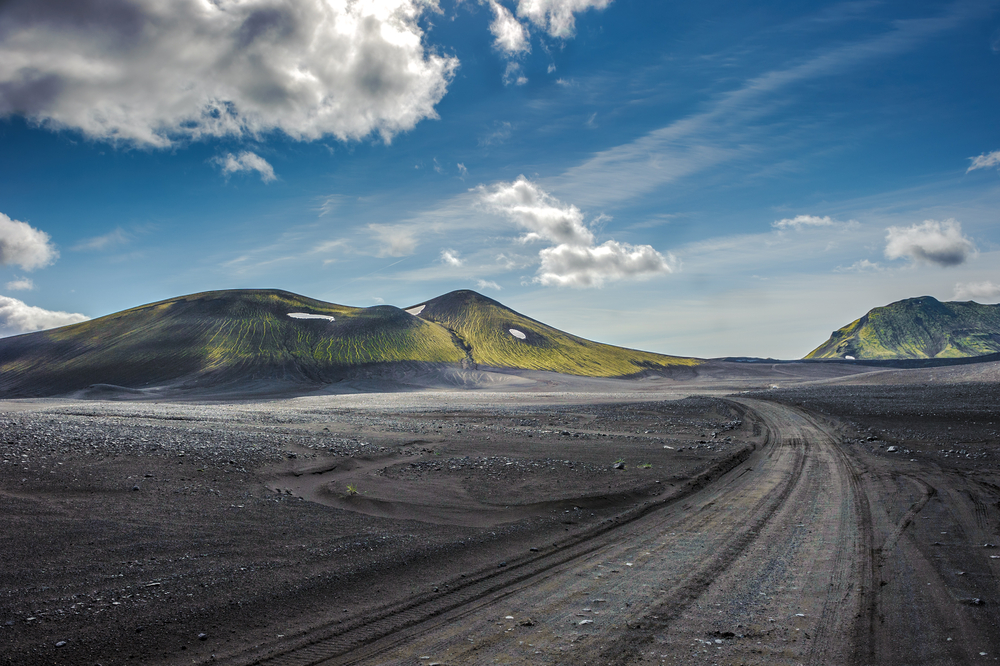
Unlike the Ring Road (Route 1) or most rural routes, F-roads are:
- Unpaved, gravel, loose stone, and sometimes exposed rock or sand
- Seasonal, closed under snow for most of the year and opened only when Vegagerðin (the Icelandic Road and Coastal Administration) assesses them as passable
- Often unbridged, many cross rivers directly, with no fixed crossing point
- Legally restricted to 4x4 vehicles, this is a traffic regulation, not a recommendation
They aren't designed for speed. A short distance on an F-road can take considerably longer than the same distance on tarmac, and that should be factored into any highland itinerary.
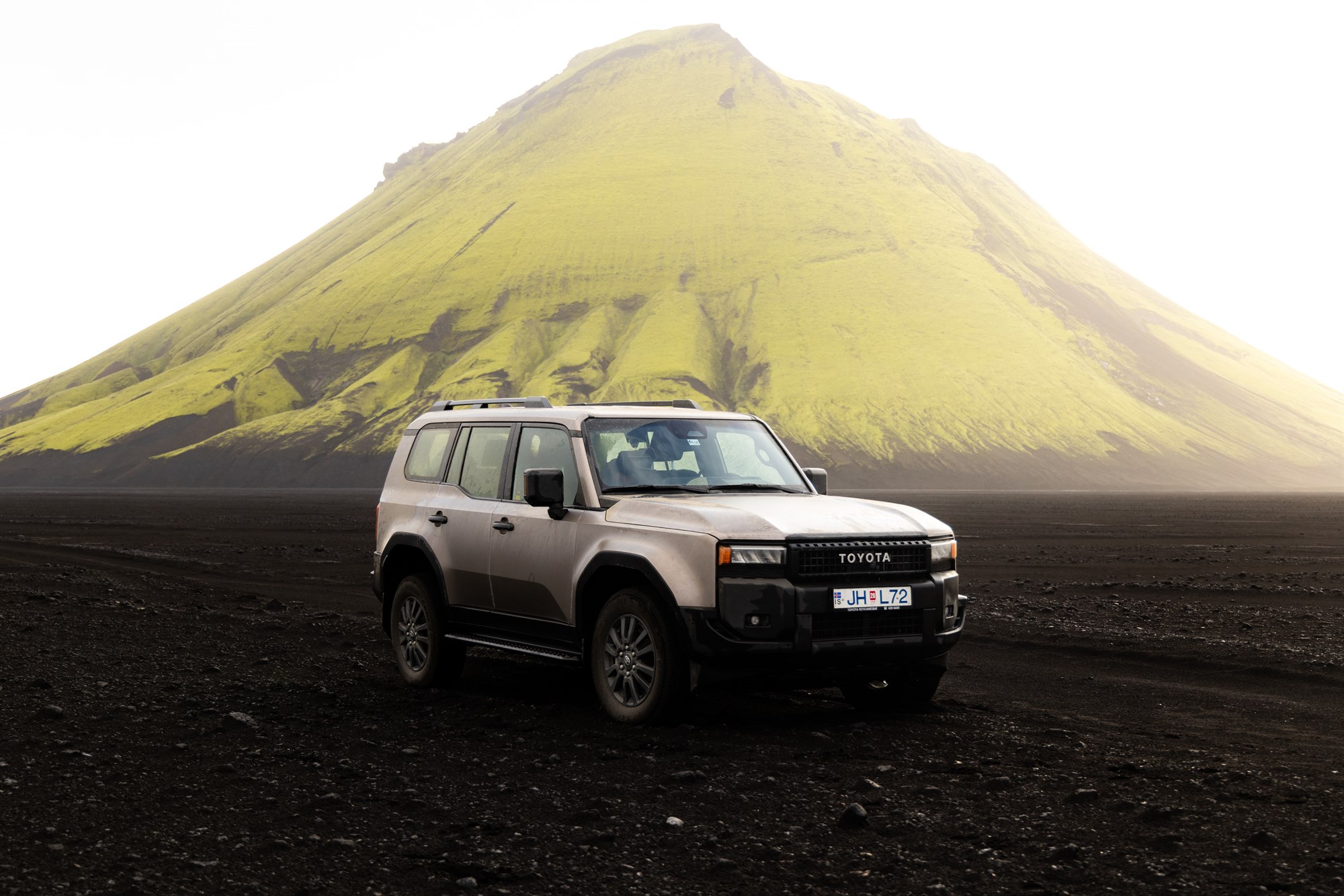
Do you legally need a 4x4 for F-roads?
Yes. Icelandic law restricts F-roads to four-wheel-drive vehicles only, this applies to every rental car, regardless of what the vehicle looks like or how capable it seems. Driving a 2WD car on an F-road is both illegal and, practically, unsafe given the terrain.
If you're still deciding between a 2WD and 4x4 for your trip more broadly, our guide on whether you need a 4x4 rental in Iceland and the comparison of 4x4 vs 2WD for different routes walk through this in more detail. It's also worth reading about off-road driving laws in Iceland before your trip, leaving a marked track, even briefly, is illegal and carries fines regardless of vehicle type.
Which 4x4 do you actually need?
Not every 4x4 suits every F-road. A compact crossover with all-wheel drive is legally a "4x4," but its ground clearance may be too low for anything beyond the easiest gravel stretches. Choosing a vehicle should be based on the most demanding section of your planned route, not the easiest.
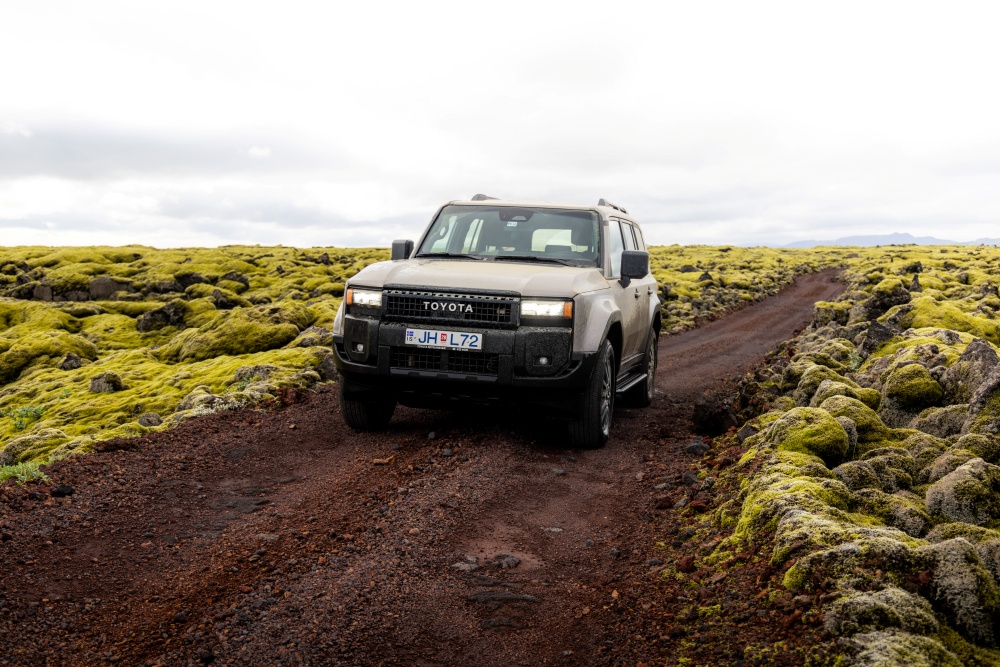
| Vehicle type | Suitable for F-roads? | Notes |
|---|---|---|
| Small car (2WD) | No | Prohibited by law on F-roads; not built for gravel or river terrain |
| Compact/mid-size 4x4 (e.g. Dacia Duster) | Limited | Fine for easier, well-maintained routes like F35 in good conditions; not suited to deep river crossings |
| Large SUV (4x4, high clearance) | Yes, for most routes | Recommended for the majority of named F-roads, including river-heavy sections |
| Vans / minibuses | No | Too low and too heavy for highland terrain; not permitted on F-roads |
| Electric vehicles | No | Most are 2WD, and there is no charging infrastructure in the Highlands |

Browse the full range in our fleet if you're comparing options, vehicle listings usually note ground clearance and drivetrain, which matters more here than horsepower.
Named F-roads and what to expect
Route difficulty varies enormously even within the F-road network. Some, like F35, are wide, well-graded gravel with no river crossings on the main line. Others, like F249 or F88, involve multiple deep fords that put them beyond what most self-drive travellers should attempt.
| F-road | Leads to | Typical vehicle needed | Main challenge |
|---|---|---|---|
| F35 (Kjölur) | Hveravellir, Kerlingarfjöll, between Gullfoss and Blönduós | Large SUV recommended | Long gravel stretches, generally fewer river crossings |
| F26 (Sprengisandur) | Crosses the interior north–south | Large SUV | Extremely remote, no services along the route |
| F208 | Landmannalaugar (southern approach) | Large SUV | Gravel plus several river crossings |
| F225 (Landmannaleið) | Alternative route to Landmannalaugar | Large SUV | Multiple river crossings |
| F88 | Askja / Herðubreið | Large SUV, high clearance | Deep crossing at Grafarlandaá |
| F910 | Askja (eastern approach) | Large SUV | Lava fields, rugged track, very remote |
| F249 | Þórsmörk | Large SUV, very high clearance | Multiple deep rivers; among the most demanding routes in the network |
| F206 / F207 | Lakagígar (Laki craters) | Large SUV | Gravel and smaller river crossings |
F249 is worth flagging specifically: its river crossings are deep and variable. Water damage from a legal river crossing is covered only by the Liability Waiver (LW), and damage from an illegal crossing or off-road driving is covered by nothing, so turn around when unsure and check road.is and safetravel.is before you set off. Always check your current rental agreement for your specific vehicle before planning a route that includes it, rather than assuming coverage.
When do F-roads open and close?
F-roads typically begin opening from mid-to-late June and close again by late September, but this varies every year and by route, there is no fixed calendar date. Snowmelt, spring rainfall, and each road's elevation determine when Vegagerðin clears it for traffic, and early snowfall can close roads sooner than expected.
Lower, gentler routes like F35 often open earliest; remote, high-elevation, or river-heavy routes like F26, F88, or F249 tend to open later and can close earlier if the weather turns. Because this shifts year to year and week to week, always confirm current status before you drive rather than relying on typical date ranges:
- road.is / umferdin.is, Vegagerðin's road status and closure map, updated regularly
- safetravel.is, conditions, warnings, and trip registration for the Icelandic Search and Rescue teams
- vedur.is, the Icelandic Met Office, for wind, rain, and visibility forecasts
A road marked closed on these sites is closed by law, not just by recommendation, continuing past a closure sign is both unsafe and an offence.
River crossings and how insurance actually works
Most rental insurance discussions around F-roads focus on rivers, and for good reason, unbridged crossings are a frequent source of highland vehicle damage. This is a genuine judgment call every time, and the only sound advice is: if you're not confident about a crossing, turn around. Check road.is and safetravel.is before you go, and for the more serious fords on routes like F88, F249, or F26, consider joining an experienced highland tour or super-jeep operator instead of attempting it in a self-drive rental.
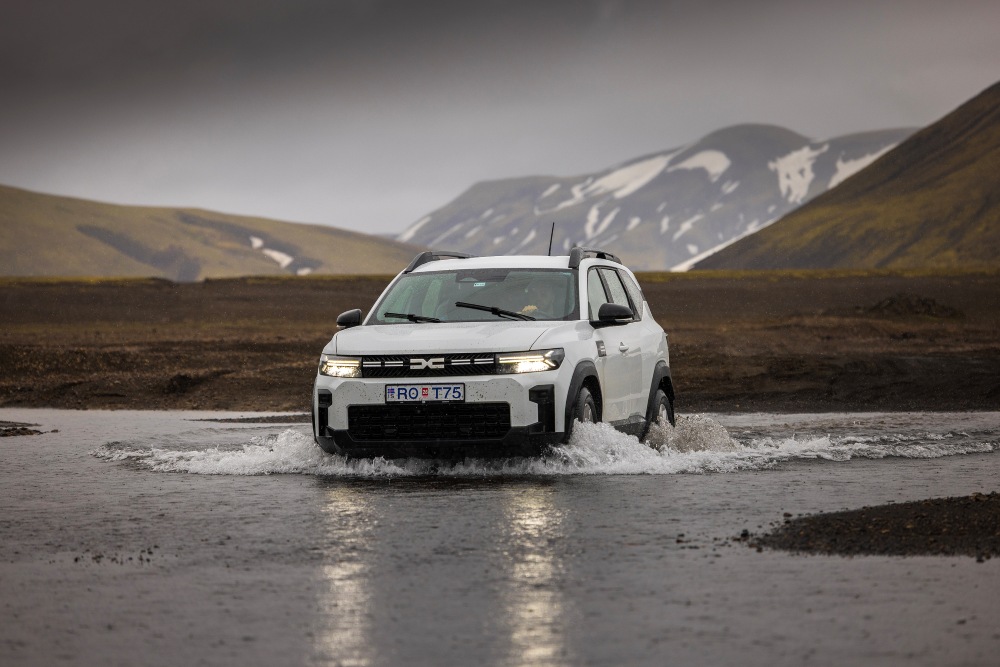
On the insurance side, it's worth understanding what's actually covered before you set out:
- Every rental includes Collision Damage Waiver (CDW), Super Collision Damage Waiver (SCDW), Gravel Protection, Theft Protection, and Third-Party Liability as standard.
- The Liability Waiver (LW) covers water damage from legal river crossings, along with underbody damage, tyre damage, wind-door damage, and sand and ash damage, tyre cover specifically falls under LW only.
- None of this applies to illegal crossings or off-road driving. If a road was closed, or you drove off a marked track, no coverage applies and the cost is the renter's responsibility.
It's worth reading the full insurance breakdown before booking a highland rental so you know exactly what's included and what depends on staying on legal, open routes.
One practical note when booking: Blue Car Rental takes a credit card imprint as security rather than holding a deposit, so no deposit amount is charged or held on your card for the duration of the rental.
Mistakes to avoid on F-roads
Most highland problems come from a handful of avoidable decisions rather than bad luck:
- Renting a 2WD or small crossover "because it looked fine online." Match the vehicle to your toughest planned river or gradient, not your easiest.
- Ignoring a closure sign. A closed F-road is closed for a documented reason, even if it looks passable.
- Skipping road.is on the day of travel. Conditions can change overnight; yesterday's status doesn't guarantee today's.
- Assuming mobile coverage. Much of the interior has no signal, download offline maps and tell someone your route via safetravel.is.
- Driving off the marked track to bypass an obstacle. This is illegal, damages fragile terrain, and voids protection entirely.
Getting set up before you go
If you're arriving via Keflavík, online check-in lets you complete paperwork in advance so pickup is quicker once you land, useful if you're heading straight for the Highlands and want daylight hours for driving rather than admin. Returning renters can also apply Blue+ loyalty discounts to future bookings if highland trips become a repeat feature of your Iceland visits.
 4X4 RENTAL IN ICELAND: ROUTE AND SEASON REQUIREMENTS