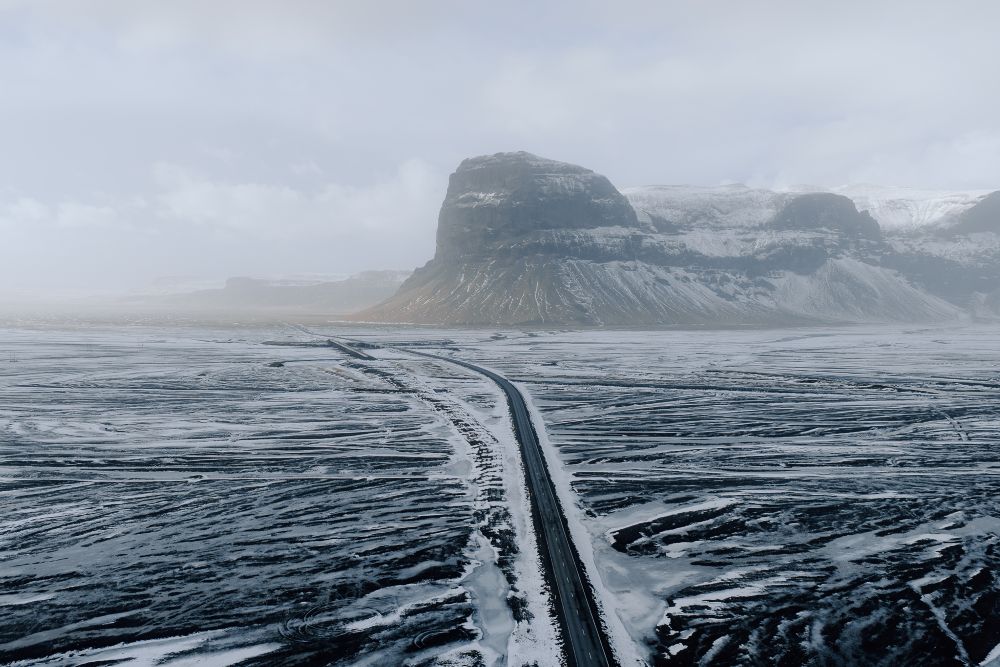

Iceland's weather is one of the most genuinely unpredictable things you will encounter on a self-drive trip here. This guide explains what conditions to realistically expect across the year, how weather affects road access and vehicle choice, a decision covered in depth in our guide to choosing the right car for your Iceland road trip, and how to use the right forecasting tools so that a sudden storm doesn't derail your itinerary.
Why Iceland's weather catches visitors off guard
The phrase "four seasons in one day" is not a cliché here, it is an operating condition. Iceland sits at the meeting point of the Gulf Stream and Arctic air masses, which means warm, cold, wet, and calm can all arrive within a few hours. Reykjavik might be mild and overcast when you land at Keflavik; by the time you reach the South Coast two hours later, you could be driving through horizontal sleet.
This is not a reason to worry. It is a reason to plan differently than you would for most other destinations, and particularly to think about how weather shapes which roads you can drive, which vehicle you actually need, and how much buffer to build into each day.
Weather in Iceland by season: a practical overview
Rather than month-by-month averages (covered in detail in our Iceland temperature and weather guide by month), this is the driving-focused version: what each season means for the roads you can access and the conditions you will be managing behind the wheel.
| Season | Typical temp (Reykjavik) | Daylight hours | Road conditions | Vehicle recommendation |
|---|---|---|---|---|
| Winter (Nov–Feb) | -3°C to 4°C | 4–6 hrs | Ice, snow, closures on mountain roads; Ring Road usually passable | 4x4 strongly recommended |
| Spring (Mar–May) | 2°C to 9°C | 12–20 hrs | Improving but unpredictable; F-roads still closed until late May/June | 4x4 if highlands are planned |
| Summer (Jun–Aug) | 9°C to 15°C | 20–24 hrs | Best conditions; most F-roads open; still rain and wind | 2WD workable for Ring Road; 4x4 for F-roads |
| Autumn (Sep–Oct) | 4°C to 10°C | 8–15 hrs | Rapidly changing; first snow on highland routes from September | 4x4 advisable from late September |
What "unpredictable weather" actually means for drivers
Unpredictability in Iceland is not random. It has patterns that, once you understand them, make it much more manageable.
Wind is the factor visitors most underestimate. Sustained winds that can exceed 20 m/s in gusts are common in winter and can make high-profile vehicles difficult to control. Check Veður's colour-coded warnings for the official threshold relevant to your route. The Icelandic Met Office (Veður, at vedur.is) issues these warnings in yellow, orange, and red. A red wind warning in the Westfjords or on the Snæfellsnes peninsula is a genuine reason to delay departure, not push through.
Road closures are managed by the Icelandic Road and Coastal Administration (Vegagerðin). Their road condition site, umferdin.is, shows closures in real time and is the single most useful bookmark for any self-drive trip. Sections of Route 1 (the Ring Road) can close temporarily in winter storms, though they typically reopen within hours once conditions improve.
Visibility drops fast in rain and fog, particularly on the Reykjanes Peninsula and in the Eastfjords. Understanding the road rules for travellers in Iceland helps you stay compliant whatever the conditions. Driving slowly and using headlights (required by law at all times in Iceland, regardless of conditions) is standard practice.
Black ice forms quickly on bridge surfaces and shaded sections of road in autumn and winter. The rule here is simple: slow down before bridges, not on them.
See what Icelandic driving conditions can actually look like
Icelandic weather can change surprisingly quickly once you're on the road. This video gives you a better idea of the conditions you may encounter while driving in Iceland and why checking the weather and road conditions before setting off is so important.
When F-roads are accessible, and when they are not
F-roads are the unpaved highland tracks that connect Iceland's interior. They are legally off-limits to standard 2WD vehicles, and they close entirely in winter. Opening dates depend on snowmelt and ground conditions, and vary significantly from year to year: the F35 Kjölur route typically opens in late May or early June, while the F208 to Landmannalaugar often does not open until mid-June.
These dates are not published in advance as fixed schedules. They are announced by Vegagerðin on umferdin.is as conditions allow. If you are planning a highland route, check the site in the final days before you go, not weeks ahead.
For a full breakdown of F-road rules and what to expect, our guide to F-roads and rental cars covers the practical detail, including which vehicle types are permitted and what river crossings involve.
Does weather affect which car you should rent?
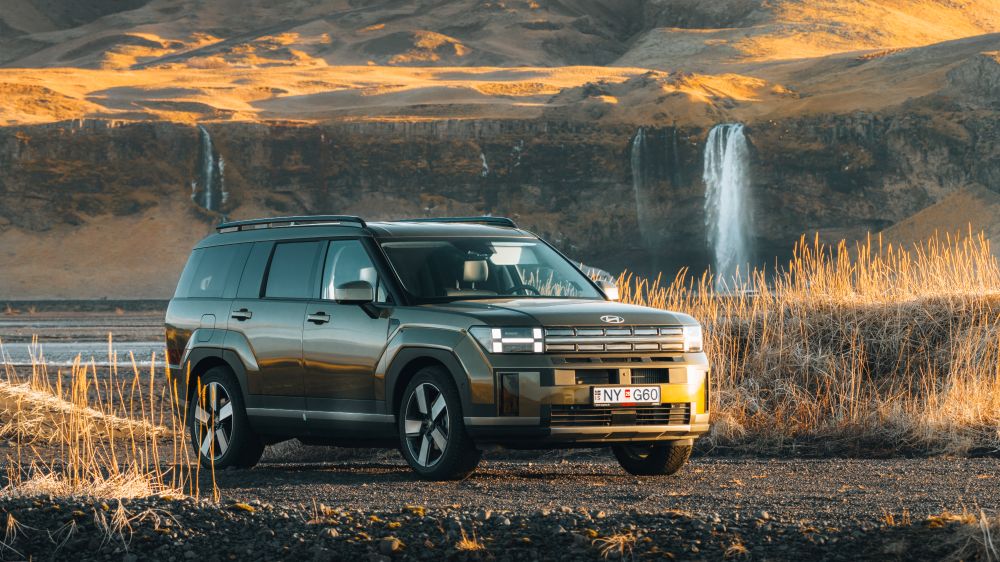
Yes, directly. A question many travellers ask is do I need a 4x4 rental in Iceland, and weather is one of the two main factors (the other being your planned routes) that should drive your vehicle choice.
Ring Road in summer: A capable 2WD or AWD crossover is sufficient for Route 1 and most paved roads. The Toyota RAV4 Automatic or Kia Sportage handle these conditions well without the fuel consumption of a larger 4x4.
Ring Road in winter or early spring: Conditions on Route 1 can include compacted snow and ice, particularly in the north and east. Our winter driving guide covers what to expect in detail. A proper 4x4 with good ground clearance is worth having. Options like the Dacia Duster at the practical end, or the Land Rover Defender and Toyota Land Cruiser for serious conditions, are worth considering.
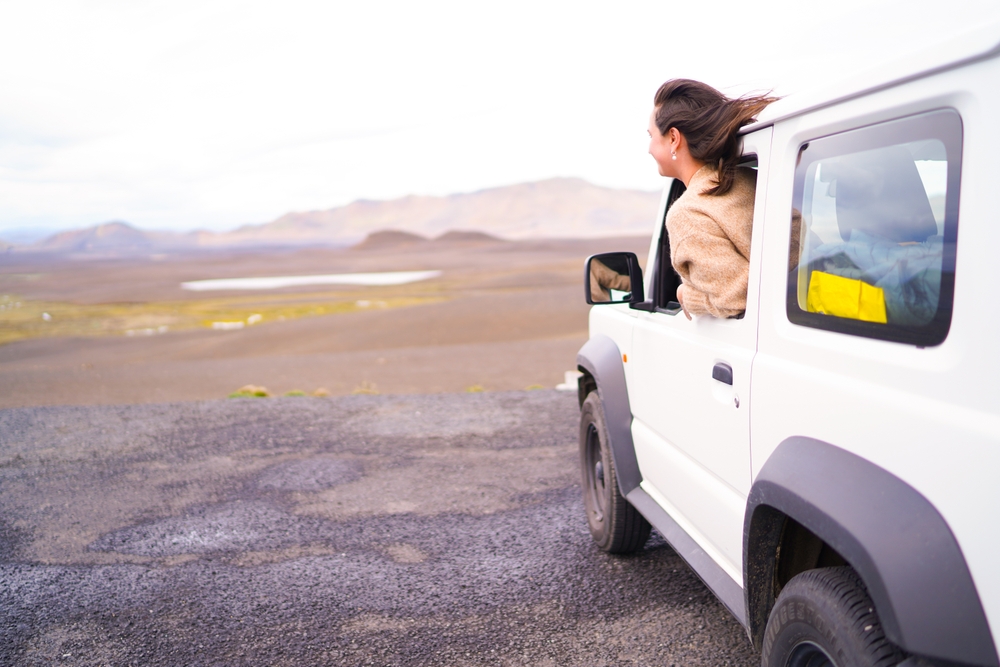
Highlands in summer: Any F-road requires a 4x4, no exceptions. A compact option like the Suzuki Jimny suits shorter highland routes; a larger vehicle gives more comfort over longer distances on corrugated gravel.
Electric vehicles: Iceland's charging network has expanded considerably, but range planning becomes more important in cold weather, when battery performance drops. The electric vehicle information page explains the current charging situation and which routes are most practical.
Weather is also relevant to insurance decisions. Understanding the liability waiver options can save you from unexpected costs on the road. A comprehensive policy that covers gravel damage, sand and ash, and windscreen is worth considering when conditions mean loose debris on roads more often. The insurance options page sets out what is included and what requires an add-on.
How to check the Iceland weather forecast as a driver
These are the sources that matter:
Veður (Icelandic Met Office), en.vedur.is: The authoritative forecast. Check the warnings map daily. If a yellow, orange, or red warning covers your route, adjust your plan.
Umferdin.is (Vegagerðin road conditions): Real-time road closures, F-road status, and road surface conditions. Bookmark it before you land.
Safetravel.is: Managed by the Icelandic Association for Search and Rescue (ICE-SAR). Good for travel alerts and registration of highland routes.
Checking these each morning as part of your daily routine takes five minutes and removes most of the genuine risk. Our advice on how to drive safely in Iceland has more practical guidance for every season. The weather here changes fast, but the information infrastructure is very good.
Planning your itinerary around the weather
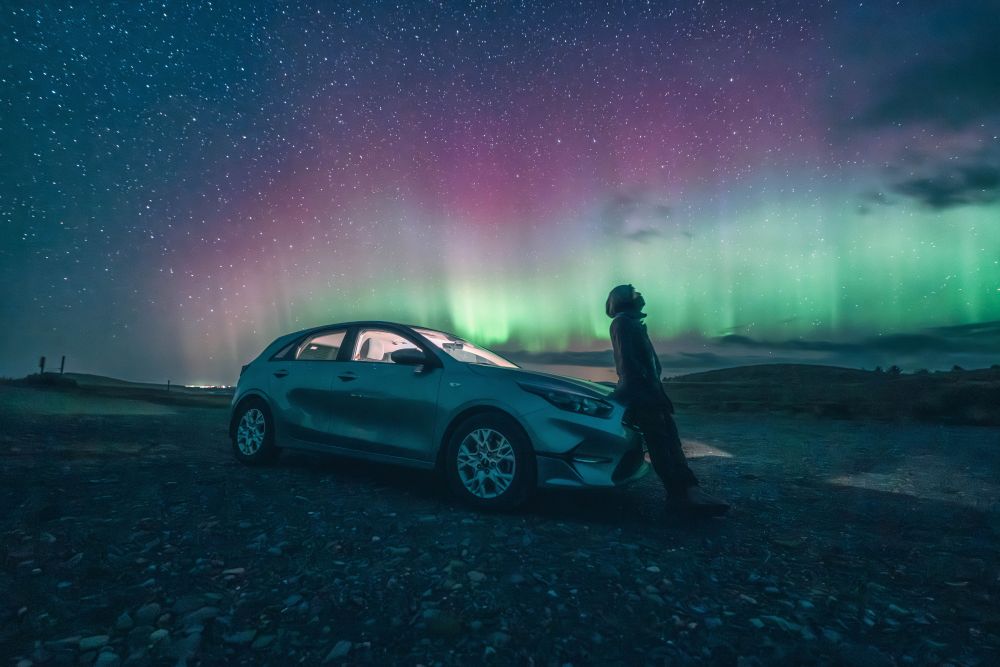
The practical approach is to build flexibility into each day rather than locking a rigid schedule. A few concrete suggestions:
Allow buffer days. A one-week trip with six back-to-back destinations leaves no room to sit out a storm or wait for a road to reopen. Leaving one day unscheduled gives you options.
Prioritise exposed routes early in good weather. The Snæfellsnes peninsula, the Westfjords, and the Eastfjords are all more exposed to Atlantic weather than the South Coast. If the forecast is good on day two, that is the day to do them.
Afternoon arrivals at key sites can work in your favour. Morning storms in Iceland often clear by early afternoon, particularly in summer. A flexible lunch stop lets you reassess conditions before committing to a scenic drive.
Check road conditions the night before, not just the morning. If a mountain road or F-road needs to be part of tomorrow's plan, checking umferdin.is the evening before gives you time to reroute rather than discovering the closure at 7am.
For anything involving roadside assistance, breakdowns, or emergency situations, the breakdown and emergency guide is worth reading before you set off rather than searching for it while standing in the wind.
A note on Keflavik Airport arrivals
Weather at Keflavik can be dramatically different from the rest of the country. The Reykjanes Peninsula is exposed and frequently windy; arrivals in November through February sometimes involve strong crosswinds on the drive away from the airport. If you are picking up a vehicle directly, Blue Car Rental's key-box system at Keflavik means you can collect your car at any hour without waiting for a desk to open, which is useful when flights land late or conditions make a quick departure preferable. More detail on how collection works is on the Keflavik airport pickup page.
 4X4 RENTAL IN ICELAND: ROUTE AND SEASON REQUIREMENTS