
Iceland has no mosquitoes, but it does have biting midges. These tiny flies, known in Icelandic as lúsmý and in English as no-see-ums, are the main biting insect travelers encounter in Iceland, particularly near lakes, wetlands and sheltered areas in summer. Knowing where biting midges in Iceland are most active, and how to prepare for them, makes a practical difference to your road trip comfort.
This guide covers what biting midges are, when and where they are most active, how they differ from other flies in Iceland, and how to keep bites to a minimum while travelling around the country.
Does Iceland have mosquitoes?
No, Iceland does not have mosquitoes. Iceland is generally regarded as one of the few countries without established mosquito populations, and travelers from North America, Scandinavia and other parts of Europe often find this genuinely surprising.
However, the absence of mosquitoes does not mean Iceland is free from biting insects. The main one to be aware of is the biting midge, also called a no-see-um or lúsmý in Icelandic.
If you want to read more about this topic, see our guide: Does Iceland have mosquitoes?
What are biting midges?
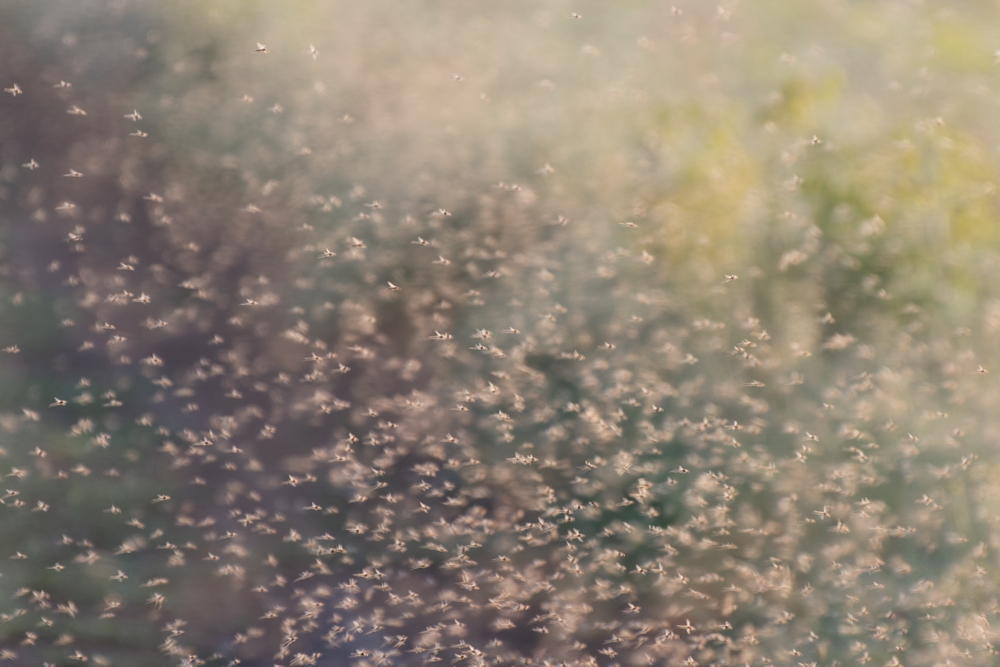
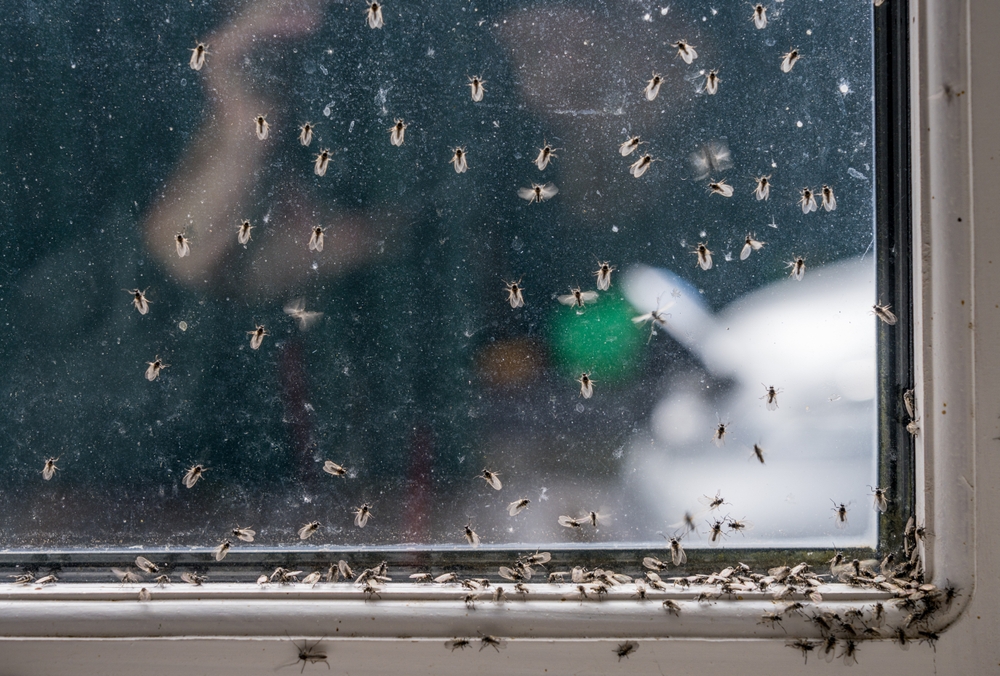
Biting midges are very small flies, much smaller than mosquitoes, which is why they are often called no-see-ums. You may not notice them flying around you, but you will likely notice the bites later.
In Icelandic, biting midges are commonly called lúsmý. They have become a bigger summer topic in Iceland over the last decade and are now something both locals and visitors talk about during warm, calm weather.
The bites can cause itching, redness and swelling. Some people react more strongly than others. A group of travelers can stand in the same place, and one person may get several bites while another hardly reacts at all.
For travelers, the most important thing to know is this:
Biting midges are usually worst in calm, warm and sheltered conditions, especially near vegetation, water, summer houses, campsites and places where there is little wind.
Biting midges vs mosquitoes in Iceland
It is easy to mix up the words mosquitoes, midges, no-see-ums and flies. Here is the simple difference for Iceland travel:
| Insect type | Found in Iceland? | Do they bite? | What travelers should know |
|---|---|---|---|
| Mosquitoes | No | No | Iceland is generally regarded as one of the few countries without established mosquito populations; no breeding populations have been recorded (verify with Náttúrufræðistofnun Íslands / the Icelandic Institute of Natural History for the latest status) |
| Biting midges / no-see-ums / lúsmý | Yes | Yes | Tiny flies that can cause itchy bites |
| Mýflugur / midges around lakes | Yes | Some do, many do not | Common around lakes and rivers, especially Lake Mývatn |
| House flies and other flies | Yes | Usually no | Mostly annoying rather than harmful |
This is why the common question "Are there mosquitoes in Iceland?" can be slightly misleading. There are no established mosquito populations, but there can still be bug bites in Iceland from biting midges and some other small flies.
Where are biting midges found in Iceland?
Biting midges can be found in different parts of Iceland, especially during summer. They are not equally bad everywhere, and conditions can change quickly with the weather.
You are more likely to notice biting midges in:
- Sheltered valleys and lowland areas
- Areas close to lakes, rivers or wetlands
- Places with grass, bushes or vegetation
- Campsites and summer house areas
- Calm locations with little wind
- Warm evening conditions in summer
They are often less of a problem in windy, exposed or cooler areas. This is one of the advantages of travelling around Iceland by rental car. If one stop is full of flies, you can often continue to the next viewpoint, take your lunch somewhere more open, or visit the area at a different time of day.
When are biting midges most active in Iceland?
Biting midges are mainly a summer issue. Travelers are most likely to notice them from late spring through summer and into early autumn, depending on weather conditions.
They are usually more noticeable when the weather is:
- Warm
- Calm
- Humid
- Sheltered from wind
- Close to water or vegetation
They can be especially irritating during quiet evenings when people are sitting outside, camping, walking near lakes or enjoying a calm sunset stop.
Wind is your friend. Iceland is often windy, and that can help keep small flies away. On a still summer day, especially in green or sheltered areas, biting midges can become much more noticeable.
What about flies at Lake Mývatn?
Lake Mývatn is one of the most famous places in Iceland for flies. The name Mývatn literally means "Midge Lake," so the flies are not a new problem there.
The Mývatn area is one of North Iceland's most beautiful regions, with volcanic landscapes, geothermal areas, lava formations, birdlife, the Mývatn Nature Baths, and easy access to nearby highlights like Godafoss waterfall. It is absolutely worth visiting. But in summer, travelers should be prepared for clouds of small flies.
Not all flies at Mývatn bite. Many are midges that are harmless but annoying because they fly around your face, eyes and mouth. Some visitors report bites attributed to what may be black flies (family Simuliidae); however, confirmed presence as a biting nuisance species in Iceland is uncertain, as Simulium spp. are not documented as an established biting nuisance in Iceland in the same way as biting midges. If this is a concern, verify current conditions with the Mývatn Research Station or Náttúrufræðistofnun Íslands.
The flies are part of the ecosystem and help support the rich birdlife around the lake. For visitors, the best approach is not to skip Mývatn, but to prepare properly.
If you are visiting Lake Mývatn in summer, consider bringing:
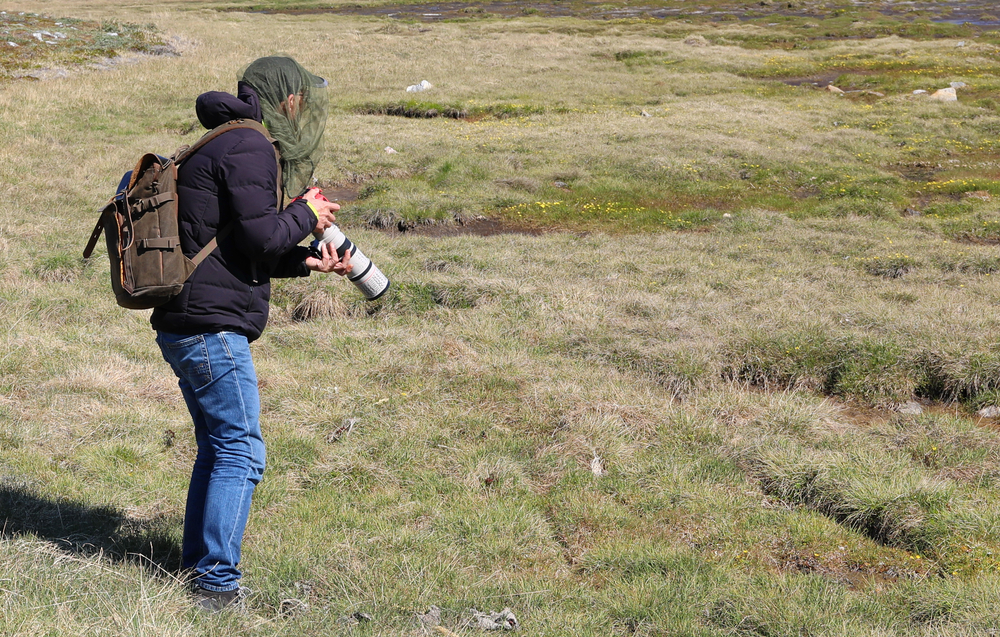
- A head net
- Sunglasses
- A light long-sleeved layer
- Insect repellent
- A cap or hat
- Patience and a good sense of humor
Other places where flies can be heavy in Iceland
Although Lake Mývatn is the best-known fly area, it is not the only place where travelers may notice flies in Iceland.
Flies and midges can also be common around:
- The Icelandic Highlands
- Lake areas and wetlands
- Rivers and calm riverbanks
- Þingvellir National Park
- Sheltered valleys
- Campsites near water
- Summer house areas
In the Highlands, calm summer days can bring noticeable fly activity, particularly near river crossings and campsites. On F-roads such as the Kjölur (F35) or near Landmannalaugar, this can be especially pronounced during warm, still weather. Þingvellir can also have noticeable flies in summer because of the lake, vegetation and sheltered areas.
Again, the level of irritation often depends on the exact weather that day. A windy day can feel almost fly-free. A calm, warm evening can feel very different.
How to avoid biting midges and bug bites in Iceland
You do not need to overpack or worry too much, but a few simple steps can make a big difference.
1. Wear long sleeves and trousers in high-risk areas
If you are stopping near lakes, rivers, campsites or green sheltered areas, cover your skin when possible. A light long-sleeved shirt and trousers are often enough to reduce bites.
This is especially useful in the evening when you may be standing outside taking photos, cooking at a campsite or watching the sunset.
2. Use insect repellent
Bring insect repellent for summer travel in Iceland, especially if you are sensitive to bug bites. You may not need it every day, but it is useful to have in the car.
Apply it before walking in areas where flies are active. Follow the instructions on the product, especially when using it on children. If you forget to pack repellent before you leave home, you can pick it up at most Icelandic supermarkets such as Bónus or Krónan, at petrol station shops and at outdoor retailers, so it is easy to find once you arrive.
3. Pack a head net for Mývatn and the Highlands
A head net may look dramatic, but in places like Mývatn it can be one of the most useful items in your bag. It is lightweight, cheap and easy to keep in the car. Head nets are also available at outdoor retailers and larger supermarkets in Iceland if you do not bring one from home.
If the flies are heavy, a head net can be the difference between enjoying the view and rushing back to the car after two minutes.
4. Avoid standing still in sheltered areas
Biting midges and flies are often more annoying when you stand still. If you stop at a viewpoint and the flies are bad, take your photos and move on. Choose a windier or more open place for longer breaks.
5. Keep car windows and doors closed when flies are heavy
When stopping in fly-heavy areas, avoid leaving the doors open for long periods. Small flies can enter the car quickly, especially around lakes and campsites.
Open the door, get what you need and close it again. If you are loading luggage or changing clothes, try to do it in a windier or more open area.
6. Choose picnic and rest stops carefully
One of the best things about renting a car in Iceland is that you can choose where to stop. Knowing the rules around parking in Iceland helps you make the most of each break. If a lakefront picnic area is full of flies, drive a little farther and find a more open or windy place.
A small change in location can make a big difference.
7. Use your travel flexibility
With a rental car, you are not locked into one fixed stop at one fixed time. If conditions are bad, adjust your plan.
You can visit a fly-heavy area earlier in the day, continue to another attraction, or return when the wind picks up. This flexibility is one of the biggest advantages of a self-drive trip in Iceland.
How a rental car helps you avoid flies in Iceland
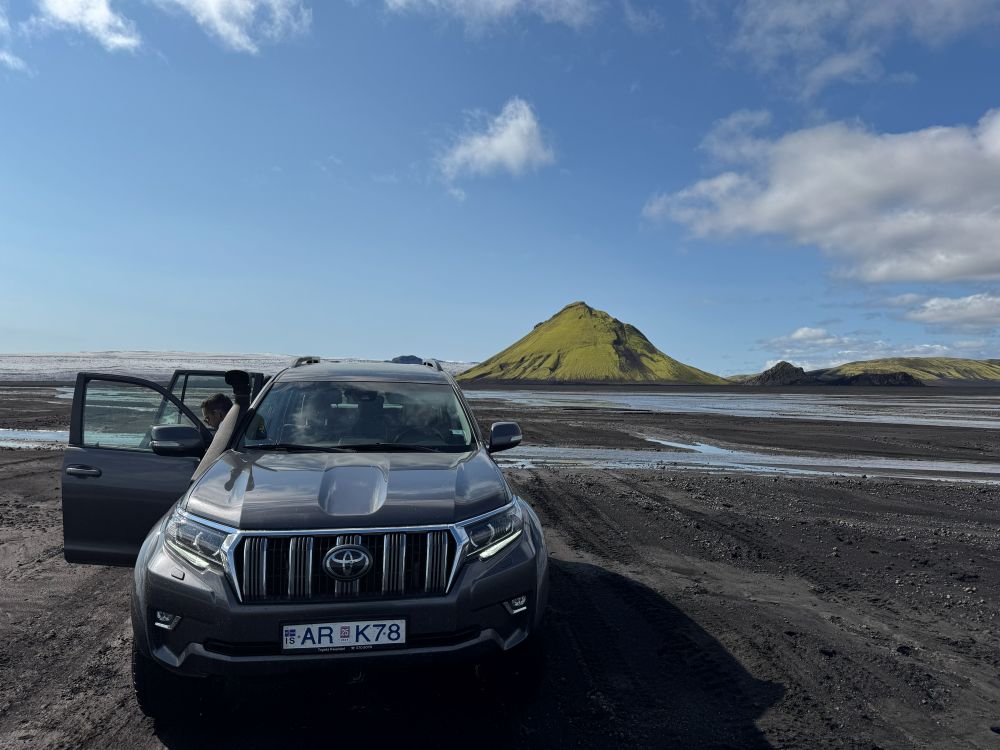
Biting midges are a good example of why independent travel works so well in Iceland. The weather, road conditions and local environment can change from one area to another. Having your own rental car gives you the freedom to adapt.
With a rental car, and if you are unsure whether to choose a 4x4 or a standard car, our guide on do I need a 4x4 rental in Iceland can help. You can:
- Move away from fly-heavy areas
- Choose windier viewpoints for longer stops
- Avoid eating outside near lakes or wetlands
- Keep repellent, head nets and extra layers in the car
- Change your route if one area is uncomfortable
- Visit popular nature spots at a better time of day
- Take breaks inside the car when needed
For example, if you are visiting Mývatn and the flies are heavy near the lake, you can continue to nearby attractions such as Dimmuborgir, Hverir or the Mývatn Nature Baths and adjust your stops depending on conditions.
If you are driving through the Highlands, whether toward Landmannalaugar or along other interior routes, a large SUV gives you the clearance and capability to keep moving and find better conditions at the next stop. Keep a head net and protective clothing in the car, make sure you have roadside assistance cover, and decide at each stop how much protection you need.
This is exactly why self-drive travel is so practical in Iceland. You are not only choosing the route. You are choosing the timing, the rest stops and the comfort level of your trip.
What to do if you get bug bites in Iceland
Most bug bites in Iceland are not serious, but they can be itchy and uncomfortable.
If you get bites:
- Avoid scratching as much as possible
- Wash the area gently
- Use a cold compress to reduce swelling
- Use anti-itch cream or antihistamine if needed
- Ask a pharmacy for advice if the reaction is uncomfortable
Pharmacies in Iceland are called apótek. Staff can usually help you find something for itching, swelling or irritation.
If you have a severe allergic reaction, difficulty breathing, swelling of the face or other serious symptoms, seek medical help immediately. It is also worth knowing what to do in case of a breakdown and emergency while on the road in Iceland. In an emergency in Iceland, call 112.
Should biting midges change your Iceland travel plans?
No, biting midges should not stop you from visiting Iceland.
They are something to be aware of, especially in summer, but they are manageable. Many travelers will only notice them in certain places and conditions. Others may hardly notice them at all.
The best approach is simple: know where the risk is higher, pack basic protection and use your rental car to stay flexible.
Iceland is still one of the best places in the world for a self-drive adventure. A few small flies do not change that. They just make preparation a little more important.
Quick checklist for avoiding bites in Iceland
Before your summer road trip, pack:
- Insect repellent
- Light long-sleeved clothing
- Long trousers for evenings and lake areas
- A head net for Mývatn, Highlands or camping
- Sunglasses
- Anti-itch cream or antihistamine
- A flexible travel plan
During the trip:
- Avoid long stops in calm, sheltered fly-heavy areas
- Keep car doors closed when flies are active
- Choose windy or open places for picnics
- Move on if one stop is uncomfortable
- Use your rental car to adjust timing and location
Final advice for Iceland travelers
Biting midges in Iceland are small, but they can be annoying. They are not mosquitoes, and Iceland is generally regarded as one of the few countries without established mosquito populations, but no-see-ums and other flies can cause bug bites during summer travel.
You are most at risk in warm, calm and sheltered areas, especially near water, vegetation, campsites, Lake Mývatn, parts of the Highlands including routes such as the Kjölur (F35) and areas near Landmannalaugar, and places like Þingvellir.
The best way to deal with them is to prepare lightly and travel flexibly. Bring repellent, cover your skin when needed, pack a head net for fly-heavy areas and use your rental car to move to better conditions.
That way, biting midges become a small part of the Iceland travel experience, not something that controls your trip.
 CAN YOU DRINK TAP WATER IN ICELAND?