
Food is one of the few genuinely flexible costs on an Iceland trip. Fuel, accommodation and your rental car are largely fixed once booked, but what you spend on meals depends entirely on where you shop and how often you eat out. This guide covers the main supermarket chains, how prices compare, what changes once you leave Reykjavík, and how to provision sensibly for a self-drive route around the country.
Short answer: If you're looking for the cheapest supermarkets in Iceland, Bónus is generally the most budget-friendly national chain, followed by Krónan and Nettó, with convenience stores like 10-11 and Krambúðin priced noticeably higher for the same items. Prices within each national chain are consistent across the country, but opening hours shrink outside Reykjavík, and alcohol above 2.25% is only sold at the state-run Vínbúðin, not in supermarkets.
Which supermarket chains will you actually see in Iceland?
Iceland's grocery market is dominated by a handful of chains, and once you recognise their logos you'll spot them in almost every town of any size. The big three, Bónus, Krónan and Nettó, cover most of the country's larger towns and all of Reykjavík. Hagkaup sits a tier above them with a broader, more premium selection. Convenience stores like 10-11 and Krambúðin fill the gaps in smaller neighbourhoods and along some roadside stops, but at a real price premium.
| Chain | Price tier | Typical selection | Opening hours pattern | Best for |
|---|---|---|---|---|
| Bónus | Budget | Basic groceries, own-brand focus, fewer imported options | Shorter daytime hours, closed some evenings | Stocking up before a road trip |
| Krónan | Mid-range | Wider fresh produce, organic and health options | Similar to Bónus, slightly longer in cities | Travellers wanting more variety |
| Nettó | Mid-range | Broad general selection, warehouse-style in places | Some locations open 24/7 | Late arrivals or early departures |
| Hagkaup | Higher | Larger stores, deli counters, imported brands | Generally longer daytime hours | One-stop shopping with more choice |
| 10-11 / Krambúðin | Convenience premium | Small, essentials only | Long hours, some 24/7 in cities | Quick top-ups, not full shops |
| Costco (Garðabær) | Bulk / membership | Large-format groceries, fuel, household goods | Standard daytime hours | Families or longer stays, membership required |
Within Bónus, Krónan and Nettó, prices for the same item are consistent nationwide, a carton of milk in Akureyri or Vestmannaeyjar costs the same as it does in Reykjavík. That's genuinely useful for trip planning: you don't need to build in a "remote area surcharge" for these chains, only for the smaller independent and convenience stores.
Is Bónus really the most budget-friendly supermarket in Iceland?
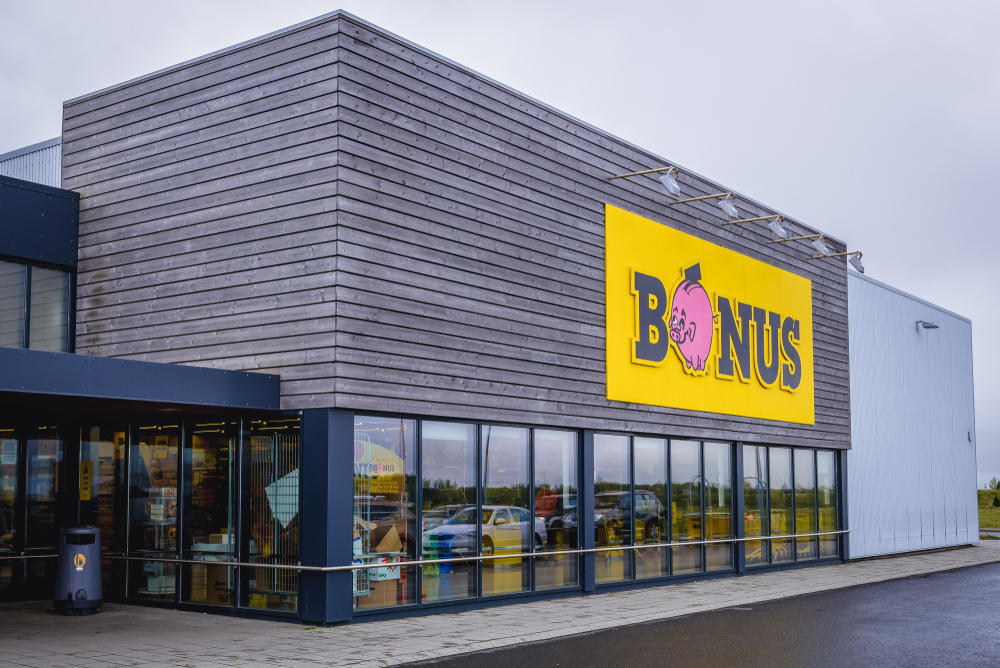
Among the national chains, Bónus is widely considered one of the most affordable options for everyday groceries, though prices can vary by product and date. Its stores are simple, with a narrower range of brands and a heavy focus on own-label products, but they cover the essentials: dairy, bread, pasta, frozen food, meat and household basics.
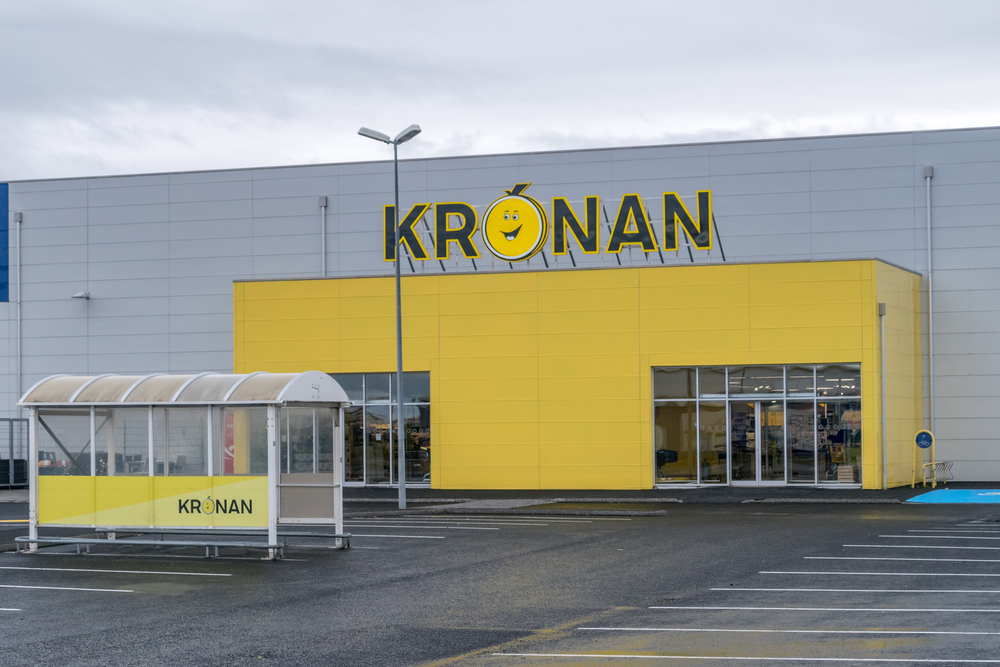
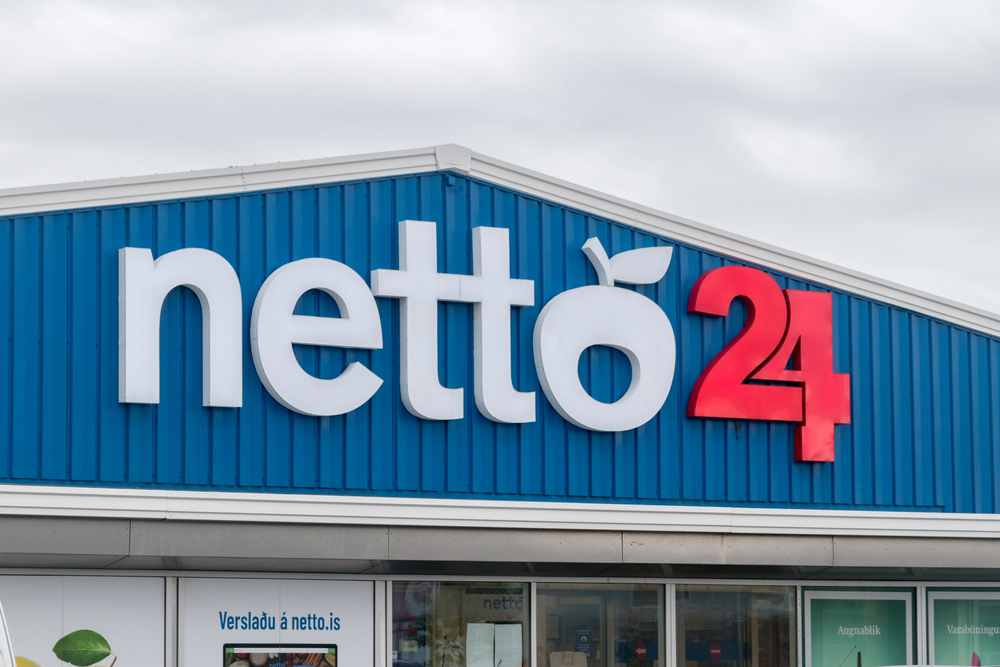
Krónan and Nettó sit slightly above Bónus on price but offer more variety, better organic and health-food sections at Krónan, and a broader general selection with some 24-hour locations at Nettó. None of the three should be considered expensive by Icelandic standards; the real price jump happens once you move to convenience stores.
Why do convenience stores cost so much more?
10-11 and Krambúðin exist for convenience, not value, they're priced for someone grabbing a coffee or a sandwich on the way to work, not for a full grocery shop. Expect meaningfully higher prices than Bónus, Krónan or Nettó for the same products, in exchange for longer hours and locations closer to city centres and some roadside spots.
They're genuinely useful in a pinch, after a long drive when the bigger supermarkets are closed, or for a quick snack between stops, but they're not where you want to do your main provisioning for a multi-day trip.
What about Costco?
Iceland has one Costco, located in Garðabær in the greater Reykjavík area. Existing Costco memberships from other countries are valid here, which makes it a reasonable option for bulk buying if you're travelling as a family, staying longer, or want to stock a camper or larger vehicle with supplies for several days. It's not centrally located and requires a membership card, so it suits a specific type of traveller rather than a quick city-centre stop.
Can you buy wine or beer at Icelandic supermarkets?
No, supermarkets in Iceland only sell beer under 2.25% alcohol, along with non-alcoholic beer and wine. Anything stronger, including regular beer, wine and spirits, is sold exclusively through Vínbúðin, the state-run liquor store chain. Vínbúðin locations have limited opening hours and are closed on Sundays, so if alcohol is part of your evening plans, it's worth picking it up earlier in the day rather than assuming you can grab it with your groceries.

Do opening hours change once you leave Reykjavík?
Yes, and this is one of the more common surprises for first-time visitors. In Reykjavík and other larger towns, supermarkets typically stay open into the evening, and some Nettó locations run 24/7. Once you're in smaller towns, hours shrink, many stores close by early evening, and Sunday hours are often shorter still.
If you're planning a late arrival into a smaller town, or an early departure before shops open, it's worth checking hours in advance rather than assuming a supermarket will be open when you need it. This matters most on longer legs of a Ring Road trip or when heading into the Westfjords or Eastfjords, where the next town with a full-size supermarket can be a genuine drive away.
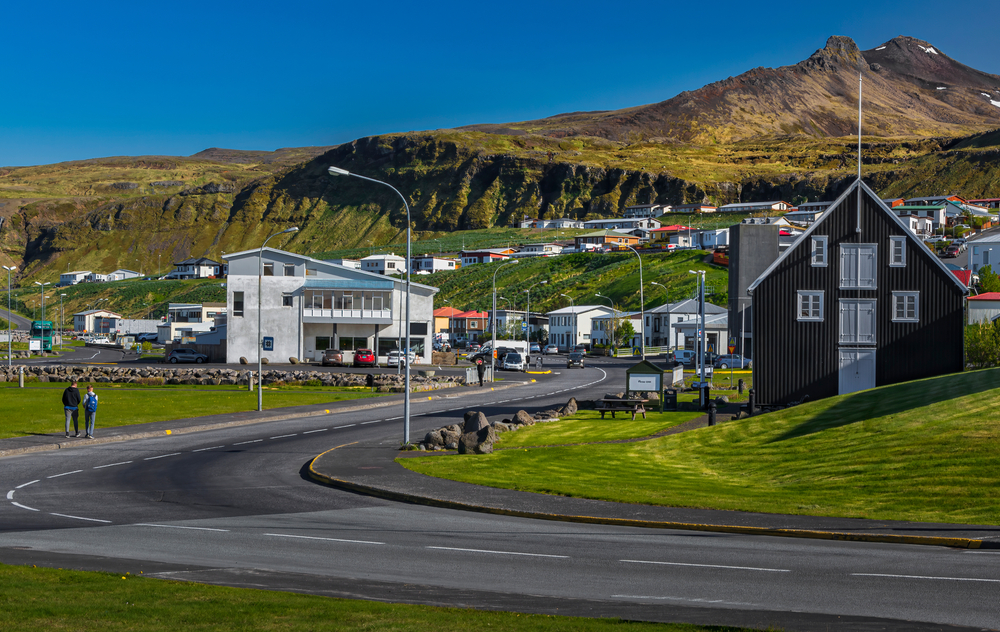
How should you provision for different parts of a self-drive route?
Provisioning strategy should match the route you're driving, since grocery availability varies a lot more outside the capital area than most first-time visitors expect.
- South Coast (Reykjavík to Vík and beyond): Stock up in Reykjavík or Selfoss before heading out, Vík itself has a small Krónan, but villages like Kirkjubæjarklaustur have limited options, so don't expect a full-size supermarket at every stop.
- Ring Road (full loop): Bónus, Krónan or Nettó locations exist in most larger towns (Selfoss, Akureyri, Egilsstaðir, Höfn), but stretches between them can be long. Buy a day or two ahead where possible.
- Westfjords and Eastfjords: Grocery stops are sparser and smaller. Plan meals before you leave the last larger town.
- Highlands and F-roads: There are no stores in the highland interior, so all food needs to be packed in advance. If you're considering an F-road route, it's worth reading our F-road guide to the highlands alongside your grocery planning, since both depend on the same kind of route foresight.
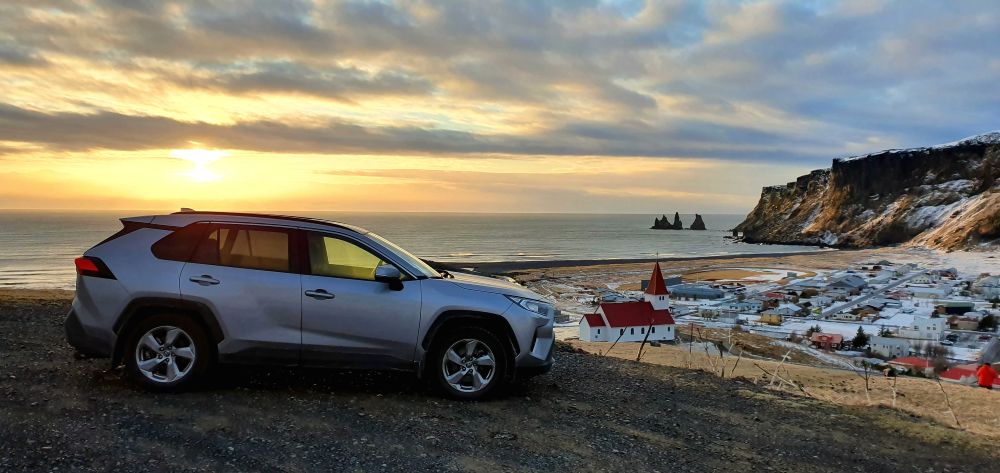
A vehicle with enough boot space for a cooler bag and a few days of supplies makes this much easier, which is worth factoring into your choice when you compare a 4x4 against a 2WD car for your particular route.
How much can cooking actually save compared to eating out?
Eating out in Iceland tends to cost noticeably more than in many home countries, especially for casual meals like burgers, pizza or a simple main course. Supermarket ingredients, by comparison, are priced closer to what you'd expect from other Nordic or Western European countries. Most travellers find that mixing the two, cooking breakfast and lunch from supermarket ingredients, then eating out for dinner, keeps the trip enjoyable without letting food costs run away with the budget.
A simple pattern many self-drive travellers use:
- Skyr, bread and fruit for breakfast, bought at Bónus or Krónan
- Sandwiches or leftovers for lunch, prepared the night before
- A restaurant meal in the evening, especially in towns known for local seafood or lamb
This approach keeps food as the flexible part of the budget it should be, alongside more fixed costs like your car rental.
Mistakes to avoid when grocery shopping in Iceland
A few habits catch out first-time visitors more than anything else:
- Assuming small-town stores match city prices. Krambúðin and 10-11 cost more than Bónus or Krónan for the same items.
- Leaving alcohol shopping too late. Vínbúðin closes earlier than supermarkets and doesn't open on Sundays.
- Not checking hours before a late arrival in a small town. Rural supermarkets often close by early evening.
- Underestimating highland and fjord stretches. There are no shops at all in the highland interior, and options thin out considerably in the Westfjords and Eastfjords.
- Forgetting reusable bags. Plastic bags carry an extra charge at the till, and most Icelanders bring their own.
Grocery shopping is easier with your own car
Public transport outside Reykjavík is limited, and in many rural areas it's not a practical option at all. With a rental car, you can stop at Bónus, Krónan or Nettó on your own schedule, stock up before a remote stretch, and store groceries for the length of your trip rather than shopping daily near a hotel.
Picking up your car without delay helps here too, online check-in lets you complete paperwork in advance so you can collect the keys and get straight to your first supermarket stop instead of spending time on formalities at the counter. Whichever vehicle you choose from Blue Car Rental's range of cars, having your own transport turns grocery shopping into part of the rhythm of the trip rather than a logistical headache.
Final thoughts
Iceland isn't a cheap destination, but food costs are one of the more manageable parts of the budget once you understand the landscape: Bónus, Krónan and Nettó for everyday shopping, convenience stores for genuine emergencies only, and advance planning for the Highlands, Westfjords and Eastfjords where options thin out. A little route awareness goes further here than in almost any other part of trip planning, know where your next supermarket is, and the rest tends to take care of itself.
 HOW BLUE CAR RENTAL SUPPORTS LOCAL COMMUNITIES IN ICELAND