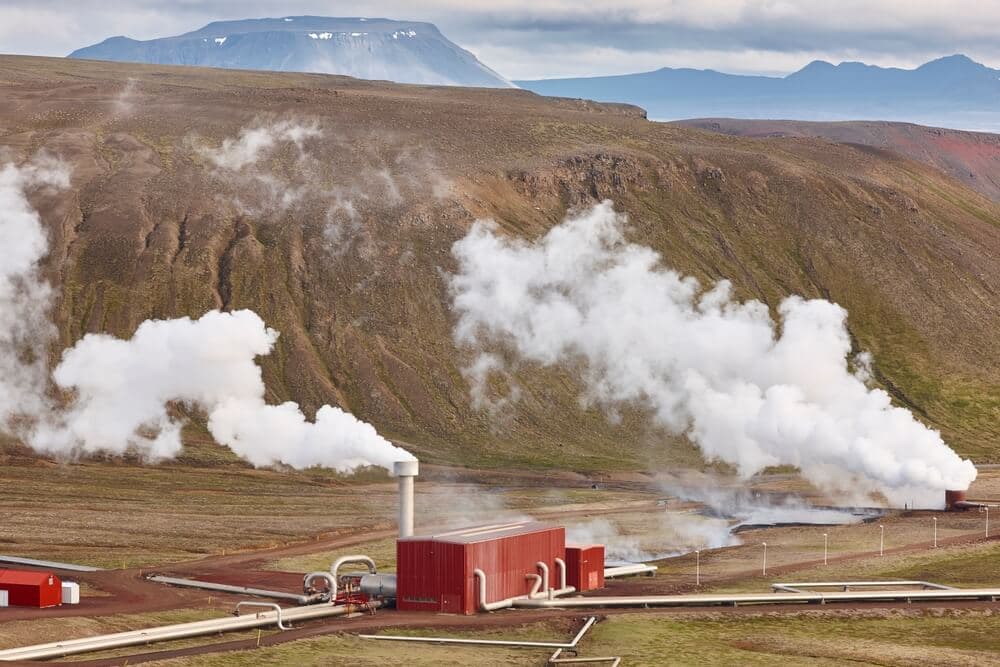

Iceland produces almost all of its electricity from renewable sources, mainly hydropower and geothermal energy. That gives electric vehicles a clear environmental advantage in terms of clean energy in Iceland while they are being driven here.
It does not automatically make an EV the right rental for every trip. Charging access, winter range, daily driving distance, accommodation and route choice all matter. An electric car can work well around Reykjavík, on popular day-trip routes and on a carefully planned Ring Road journey. Remote Highland travel requires a different approach.
This guide explains how Iceland's energy system connects to electric driving and what travellers should check before choosing an EV.
Key points
- Almost all electricity generated in Iceland comes from renewable sources.
- Hydropower supplies the largest share, followed by geothermal power.
- EVs can suit Reykjavík, the Golden Circle, the South Coast and planned Ring Road trips.
- Charging time, payment access and station availability must be included in the itinerary.
- Cold weather, wind, speed, luggage and heating can reduce practical driving range.
- Travellers should choose a car for the route and conditions, not for the powertrain alone.
- Remote roads and the Highlands require careful vehicle and charging planning.
Where does Iceland's electricity come from?
Iceland's electricity system is unusual by international standards. The country has abundant flowing water, glacial rivers and geothermal resources created by its location on the Mid-Atlantic Ridge.
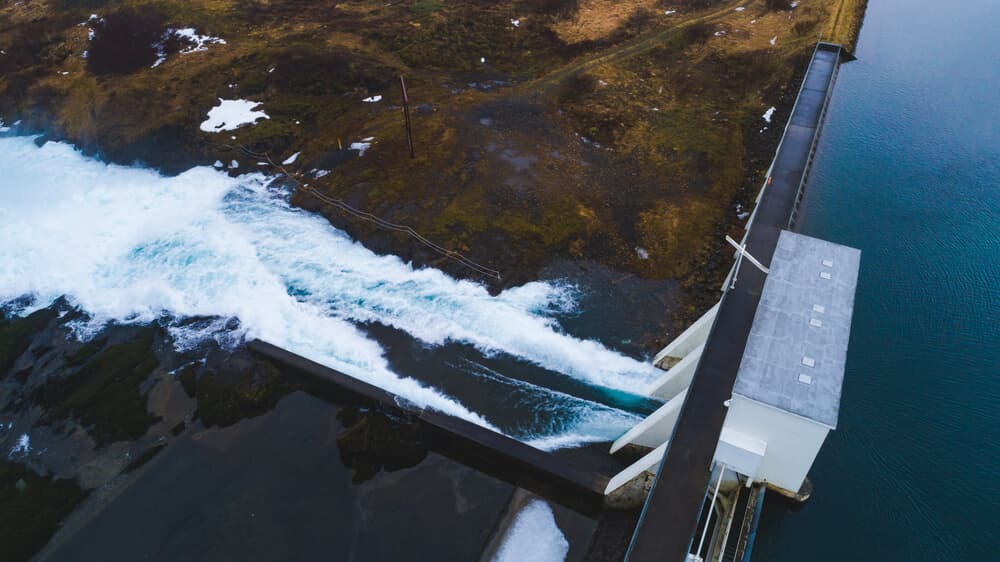
According to the National Energy Authority's electricity statistics, renewable sources account for almost all domestic electricity generation. Hydropower provides the majority, while geothermal power supplies most of the remainder. The exact percentages can change from year to year, so current official data should be used when quoting a precise figure.
This electricity mix is separate from Iceland's transport-energy use as a whole. Petrol and diesel are still used by much of the vehicle fleet. It is therefore more accurate to say that Iceland has an almost entirely renewable electricity system, not that all energy used in Iceland is renewable.
Hydropower
Hydroelectric stations use moving water to produce electricity. Iceland's mountains, high precipitation and glacial rivers provide substantial hydropower resources.
Large generating stations are often far from the places most visitors see. The electricity enters the national grid and is then distributed to homes, businesses and charging points. An EV driver does not need to find a special "hydropower charger"; the renewable generation is part of the electricity system supplying ordinary charging networks.
Geothermal power
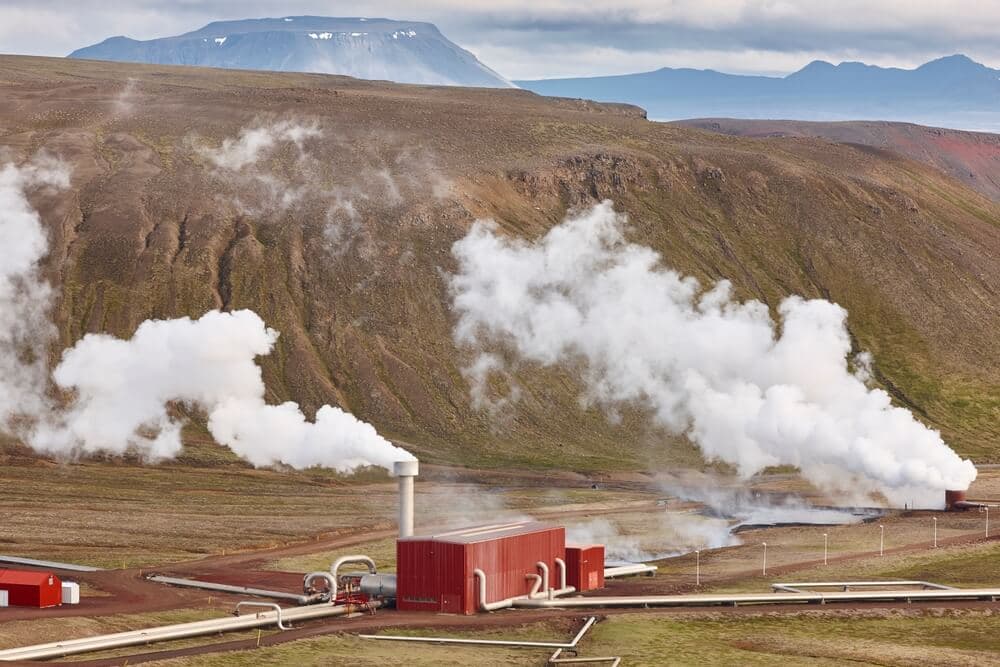
Iceland's volcanic geology provides underground heat that can be used both for electricity generation and direct heating. These are related but distinct uses.
Geothermal power stations generate electricity. District-heating systems deliver hot water or heat to buildings. The National Energy Authority's district-heating information states that geothermal energy supplies about 90% of the energy used for domestic heating.
This is why travellers may encounter geothermal power stations, naturally heated pools and sulphur-smelling hot water during the same trip. They are different parts of Iceland's broader use of geothermal resources.
What does Iceland's clean electricity mean for an EV?
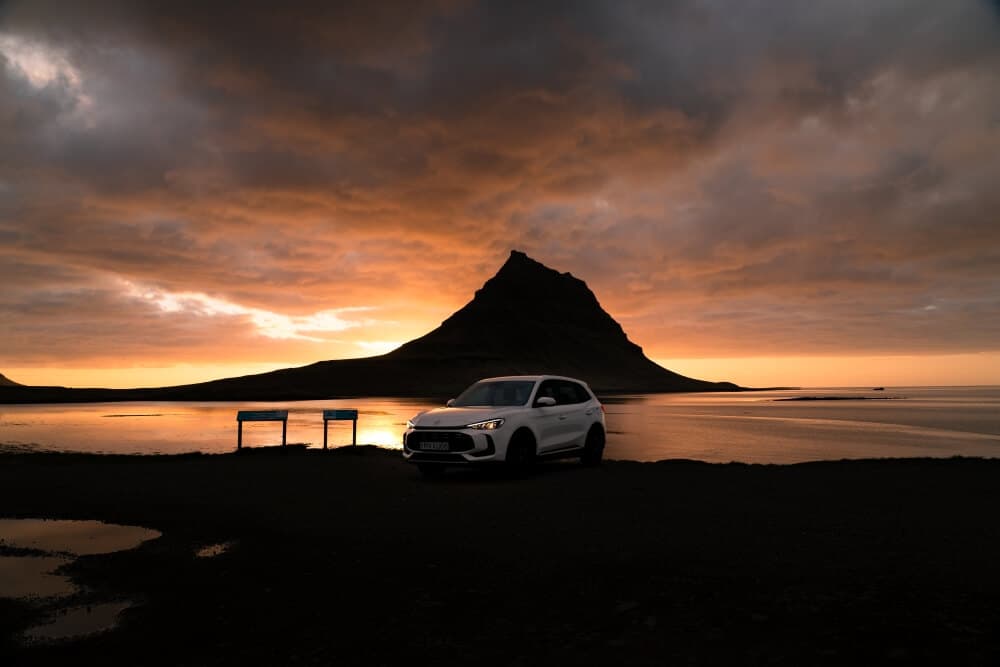
An electric car produces no exhaust emissions while driving. Its overall environmental impact still includes vehicle manufacturing, battery production and the source of the electricity used for charging.
In Iceland, that electricity is generated almost entirely from renewable sources. Charging therefore has a lower operational carbon footprint than it would on a grid that relies heavily on coal or natural gas.
That is a meaningful advantage, but it should not be turned into an exaggerated claim. An EV journey still uses energy. Driving efficiently, avoiding unnecessary distance and choosing a vehicle of an appropriate size all remain important.
For travellers, the immediate benefits may include:
- Quiet driving
- No tailpipe emissions
- Regenerative braking
- The ability to charge during planned stops or overnight
- Potentially lower energy costs than an equivalent petrol trip
Actual cost depends on the vehicle, charging operator, charger speed and current price. Travellers should check live tariffs rather than assuming every charger has the same price. Here's all you need to know for renting an electric car in Iceland.
Is electric car rental practical in Iceland?
Yes, for many itineraries. The best results come from matching the vehicle to a realistic route.
EV travel is generally easiest when:
- The trip follows Reykjavík and established tourist routes.
- Daily distances leave a comfortable range margin.
- Charging stops can be combined with meals or sightseeing.
- Accommodation offers charging or is close to a public station.
- The driver is comfortable using charging apps or payment systems.
- The itinerary has flexibility for weather and station availability.
It becomes less straightforward when:
- Daily distances are very long.
- The route passes through sparsely populated areas.
- Accommodation has no practical overnight charging.
- Severe cold, strong wind or winter conditions reduce range.
- The driver expects petrol-style refuelling times at every stop.
- The route requires a vehicle or ground clearance the selected EV does not provide.
Blue's electric-car information page explains the electric vehicles available, expected range and practical charging considerations for renters.
Where can you charge an electric car in Iceland?
Public charging is available in Reykjavík and towns around the country, including along the Ring Road and major tourist routes. Chargers can also be found at some petrol stations, shopping areas, hotels and guesthouses.
Coverage is not the same as guaranteed availability. A charger may be occupied, out of service, limited to a particular payment method or slower than expected. Remote regions also have fewer alternatives if the planned station cannot be used.
The main charging networks in Iceland
As of writing, the dominant public networks a renter is most likely to encounter include:
- Orka (by Orka náttúrunnar): one of the more visible fast-charging operators in Iceland, with stations in Reykjavík and at key points on the Ring Road and tourist routes.
- ON Power (Orkuveita Reykjavíkur): the Reykjavík energy company operates charging points in and around the capital, typically accessible via its app or RFID card.
- Bílastæðasjóður (the Reykjavík Parking Fund): runs charging in municipal car parks in Reykjavík, generally requiring its own payment method or app.
Each network typically requires its own app, account or RFID card to activate a charger. Contactless or universal payment is not guaranteed at every station. Before you leave, register with the networks relevant to your route so you are not unable to use a charger on a quiet stretch of road.
Networks and coverage change. Verify current operator locations on each operator's live map or on aggregator apps before departing.
Before departure:
- Identify the main charger for each long driving segment.
- Identify at least one reasonable alternative.
- Check which app, card or payment method is required.
- Confirm whether the plug and charging speed suit the rental vehicle.
- Ask the accommodation whether charging is available and whether it must be reserved.
Charging information changes. Use live charging maps and the rental vehicle's navigation system rather than relying only on an old screenshot or blog list.
Fast charging and overnight charging
Fast charging is useful during longer driving days. The car normally charges most quickly when the battery is relatively low and slows as it approaches full capacity. The fastest strategy is not always to charge to 100% at every stop.
Overnight charging can be more convenient because the car charges while the traveller is resting. Never assume that an ordinary exterior socket can be used. Charging must be permitted by the property and carried out with suitable equipment.
The best itinerary often combines the two:
- Overnight charging where it is available
- Shorter fast-charging sessions during longer travel days
- A useful reserve before entering a region with fewer stations
How far can an EV drive in Iceland?
The official or advertised range is a useful comparison figure, but it is not a promise of the distance available in every condition.
Practical range can be affected by:
- Low temperature
- Strong headwinds
- High speed
- Cabin heating
- Steep roads
- Heavy luggage
- Roof boxes
- Wet, snowy or gravel surfaces
- Frequent acceleration
Icelandic weather can change quickly, and wind is particularly important. A route that appears comfortable in calm weather may require an extra charging stop during a strong headwind.
Plan around a reserve rather than trying to arrive at every charger with almost no battery remaining. The appropriate margin depends on the route, conditions and number of alternatives.
EV travel by route
The table below summarises how EV travel tends to work across Iceland's main driving routes. All range figures are approximate and conditions-dependent.
| Route | Typical EV suitability | Key considerations |
|---|---|---|
| Reykjavík and Reykjanes | High | Most charging options; manageable distances; good for airport arrivals |
| The Golden Circle | High | Feasible as a day trip; begin with full charge; check live options |
| The South Coast | Moderate to high | Plan charging for longer extensions toward Jökulsárlón and east |
| The Ring Road (Route 1) | Moderate | Possible with planning; allow extra time; confirm overnight charging |
| The Westfjords | Lower | Fewer stations; significant gaps between towns; see note below |
| The Highlands and F-roads | Low | Very limited charging; vehicle suitability comes before powertrain choice |
Reykjavík and Reykjanes
An EV is well suited to city driving, airport-area travel and many journeys around the Reykjanes Peninsula. Distances are manageable and charging alternatives are more numerous than in remote parts of the country.
Blue Car Rental's Keflavík Airport pickup information explains the collection process for travellers beginning their trip near the airport.
The Golden Circle
The Golden Circle can work well as an EV day trip. The route passes established visitor areas, and the total distance is manageable for many current electric vehicles.
Drivers should still begin with sufficient charge and check live options. Extra sightseeing, accommodation location and winter detours can increase the day's distance.
The South Coast
The South Coast is another practical EV region when charging is built into the itinerary. Travellers continuing towards Jökulsárlón or farther east should plan more carefully than those making a shorter day trip from Reykjavík.
Avoid treating every attraction as a guaranteed charging stop. Choose chargers that are shown as available through current operator or navigation data.
The Ring Road
A Ring Road EV trip is possible with planning. It should not be approached in exactly the same way as a petrol or diesel trip.
Daily stages should account for:
- Charging time
- Weather-related energy use
- Seasonal opening hours
- Limited alternatives in quieter regions
- Detours away from Route 1
- The charging situation at each night's accommodation
A slower itinerary is usually easier than trying to cover the Ring Road in very few days. The extra time creates room for charging and weather changes without turning every stop into a schedule problem.
The Westfjords
EV travel in the Westfjords requires more care because distances, gradients and weather can make energy use less predictable. Charging alternatives may be farther apart than around Reykjavík and the South Coast.
As of writing, verify before travel: the gap between Hólmavík and Ísafjörður on Route 61 can exceed 200 km with limited alternatives along the way. Ísafjörður itself has had public charging available, but station count is low and an out-of-service charger leaves little margin. Always verify current station data on the operator's live map before departing this region.
This does not mean an EV can never be used in the Westfjords. It means the exact model, season, accommodation and route must be assessed carefully before booking.
The Highlands and F-roads
Do not choose a vehicle for an F-road simply because it is electric, hybrid, petrol or diesel. The road's legal and practical vehicle requirements come first.
Some F-roads require a 4x4 by law, and individual routes may involve rough surfaces, steep sections or river crossings. Charging is also much more limited in the interior than on the main road network.
Blue's F-road rental-car guide explains the basic vehicle requirements. Confirm the exact permitted roads for the chosen rental vehicle before travelling.
What changes in winter?
Electric cars can be used in Icelandic winter, but cold conditions reduce range and make planning margins more important.
Battery performance, cabin heating, wind, snow and slow road conditions can all increase energy use. Charging may also take longer in some circumstances when the battery is cold.
Good winter practice includes:
- Starting the day with a well-charged battery
- Preheating while connected to a charger when the vehicle supports it
- Keeping a larger range reserve
- Checking road and weather conditions before departure
- Avoiding an itinerary that depends on one distant charger
- Allowing extra time for every driving day
Road safety takes priority over reaching a charging target. If conditions deteriorate, stop in a safe place and change the plan.
EV charging cost versus petrol
Charging an EV can cost less than fuelling a comparable petrol or diesel vehicle, but there is no single nationwide saving that applies to every trip.
The final cost depends on:
- Public charging tariffs
- Fast versus slower charging
- The vehicle's efficiency
- Distance driven
- Weather conditions
- Free or paid accommodation charging
- Petrol and diesel prices during the trip
Fast public charging may cost more per unit of energy than slower charging. Accommodation charging may be included, billed separately or unavailable. Check the terms before relying on it.
For comparison with conventional vehicles, Blue's overview of fuel prices in Iceland provides additional trip-budget context. Current prices should always be checked close to departure.
How to decide whether an EV is right for your trip
Ask these questions before booking:
- Where will I drive? A Reykjavík-based trip is different from the Westfjords or Highlands.
- How far will I drive each day? Use realistic distances, including detours.
- When am I travelling? Winter requires a larger range margin.
- Can I charge overnight? Confirm this directly with each accommodation.
- Am I comfortable planning charging stops? An EV rewards a little preparation.
- Does the vehicle suit the road? Size, tyres, drivetrain and ground clearance matter.
- What is my backup charger? One planned station should not be the only option on a remote segment.
Travellers comparing several vehicle types can view Blue Car Rental's full vehicle range. Select the model class around the itinerary rather than choosing on energy source alone.
A local note from Blue Car Rental
The most important EV decision is not whether electric driving is "good" or "bad" in Iceland. It is whether a specific electric vehicle fits a specific itinerary.
An EV can be a comfortable, quiet and efficient choice for established routes. A poorly planned itinerary can turn charging into an unnecessary source of stress. Our practical recommendation is to map the longest driving days, confirm overnight options and leave room for Icelandic weather.
That approach reflects how road trips work here: flexibility is valuable, and the right vehicle is the one that suits both the route and the season.
Final thoughts
Iceland's renewable electricity makes the country a strong setting for electric driving. Hydropower and geothermal generation give an EV a low operational carbon footprint, while charging coverage makes many popular itineraries practical.
The benefits do not remove the need to plan. Range changes with weather and driving conditions, chargers are less common in remote areas, and not every electric vehicle suits every Icelandic road.
Choose the vehicle around the route, confirm charging before departure and retain a sensible battery reserve. With those habits, an electric rental can be a practical part of a well-planned Iceland road trip.
 HOW BLUE CAR RENTAL SUPPORTS LOCAL COMMUNITIES IN ICELAND