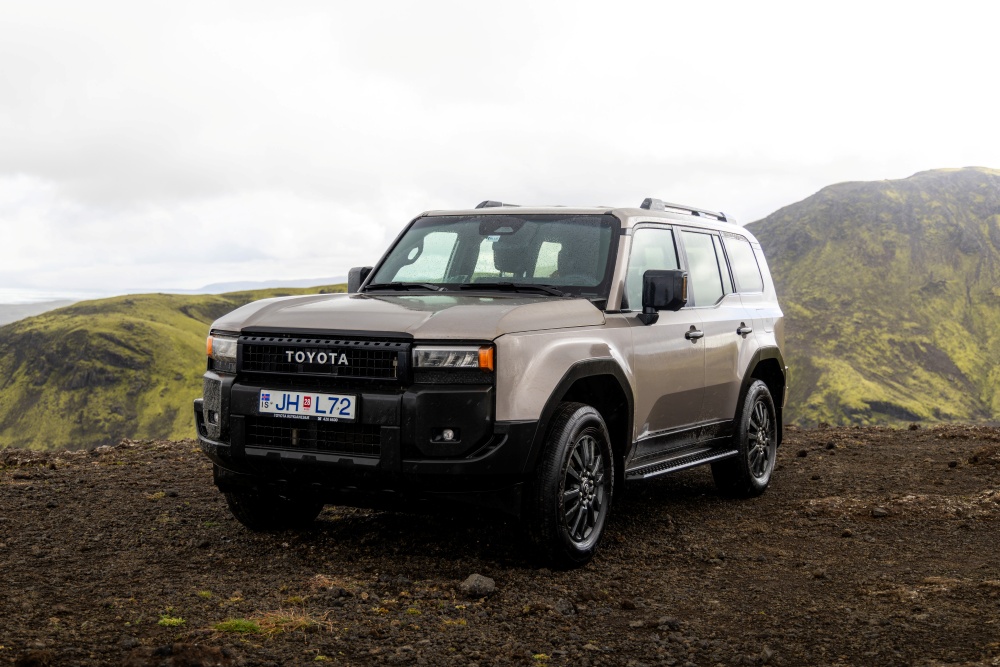

While offering unparalleled views and unforgettable experiences, journeys on F-roads pose significant challenges. Unlike paved highways or even typical gravel roads, conditions are rough, unpredictable, and often unforgiving. Drivers must understand that they bear full responsibility. Any miscalculation, such as misjudging a river crossing or underestimating a steep incline, can lead to delays, vehicle damage, or safety risks.
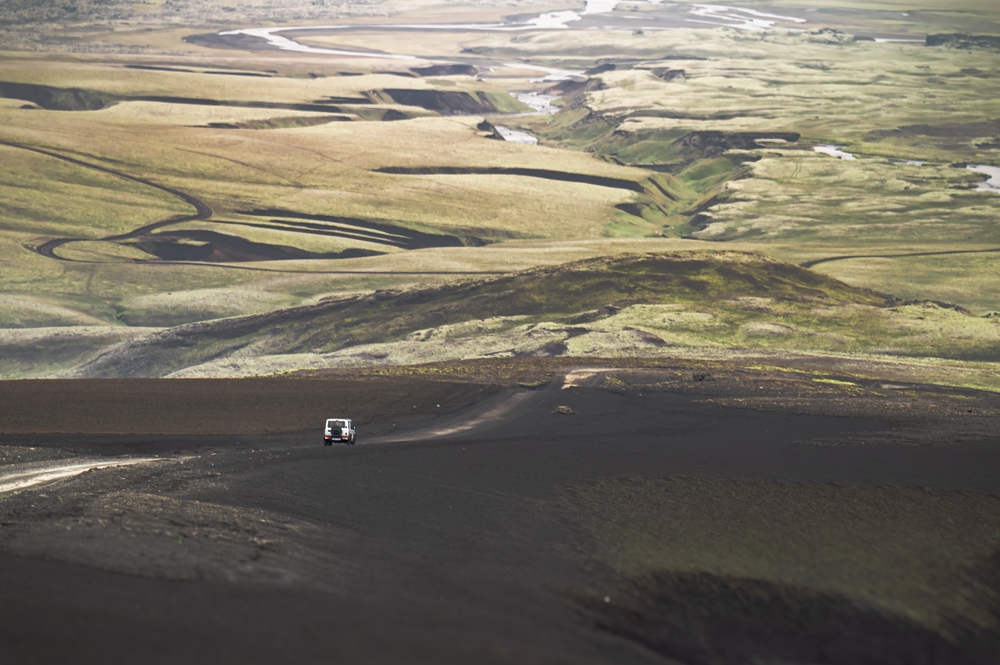
Iceland's Highlands are among the country's most spectacular and remote regions, characterized by expansive black sand deserts, geothermal valleys, vibrant rhyolite mountains, and vast glaciers. These remarkable areas are exclusively accessible via designated F-roads.
For those arranging a rental car in Iceland, it is crucial to recognize that exploring the Highlands demands heightened responsibility. These routes necessitate caution, thorough preparation, and respect for the natural environment. With careful planning and a clear awareness of potential risks, a Highland adventure can be both safe and profoundly rewarding. This guide offers a detailed overview to facilitate secure and well-prepared travel in the Highlands.
What Are F-Roads?
F-roads are classified as mountain roads, identified by the letter “F” preceding the route number (for example, F35 or F208). These are unpaved tracks leading into the Icelandic Highlands and are distinct from regular roads in several ways:
- They are unpaved and uneven, often consisting of gravel, loose stones, and steep gradients.
- They are seasonal, usually open only from mid-June to late September.
- They are demanding, with many requiring unbridged river crossings.
- By regulation, they are restricted to four-wheel drive vehicles.
Travel along F-roads is not intended for speed or convenience; rather, it is a slow and deliberate journey through challenging conditions. The reward, however, is access to Iceland’s most dramatic and untouched natural landscapes.
Vehicle Requirements for F-Roads
By law, only 4x4 vehicles are permitted on F-roads. Attempting to drive a two-wheel-drive car on these routes is prohibited and invalidates any insurance coverage. Furthermore, travelers must distinguish between different types of four-wheel drive vehicles.
It is important to note that not all 4x4s are identical. There is a significant difference between a standard 4x4 and a mountain vehicle. Mountain vehicles are heavily modified for the most extreme terrain and are not available within the Blue Car Rental fleet. Some F-roads remain beyond reach even for the most capable 4x4s in the fleet.
A vehicle that is legally permitted on F-roads is not necessarily suitable for every F-road. Travelers must select their vehicle according to the specific routes they plan to drive.
Vehicle Suitability Overview
|
Car Type |
Suitable for F-Roads? |
Explanation |
|
Small Cars (2WD) |
❌ No |
Prohibited on F-roads. Insufficient clearance and no four-wheel drive. Insurance invalid if used. |
|
Medium SUV (4x4) |
✅ Limited suitability |
Appropriate for easier routes. Lower clearance makes them unsuitable for deep rivers and rugged terrain. |
|
Large SUV (4x4) |
✅ Strongly recommended |
Equipped with higher clearance and stronger road capacity. Suitable for challenging routes in favorable conditions. |
|
Vans / Minibuses |
❌ No |
Too heavy and low for Highland terrain. Not designed for gravel or river crossings. Not permitted on F-roads. |
|
Electric Vehicles (EVs) |
❌ No |
Most EVs are two-wheel drive and unsuitable for mountain conditions. In addition, charging facilities are not available in the Highlands. |
Travelers are advised to choose their vehicle based on the most demanding section of their planned route rather than the easiest.

Regulations for Driving F-Roads
Driving in the Icelandic Highlands is subject to strict regulations designed to protect both travelers and the environment. These rules exist not only to safeguard nature but also to remind drivers that responsibility for safety rests entirely with them. Conditions are challenging and mistakes can carry serious consequences.
- 4x4 vehicles only: this is a legal requirement.
- Off-road driving is prohibited: leaving designated tracks damages fragile nature and carries significant fines.
- Speed limits: typically 80 km/h on gravel, but slower speeds are often necessary.
- Respect closures: if a road is marked as closed, it is both unsafe and illegal to continue.
- Check daily conditions: official updates are provided at road.is and SafeTravel.
At the same time, adherence to these regulations allows travelers to experience the remarkable beauty of the Highlands with greater confidence. In summary, by respecting the rules and understanding that caution is essential, drivers can balance responsibility with the reward of exploring one of Iceland’s most extraordinary regions.
Driving Challenges on F-Roads
Driving on F-roads is far more demanding than traveling standard paved highways or even regular gravel routes. These roads cut deep into the Highlands and reflect the raw and unpredictable nature of the landscape. They can be both exhilarating and exhausting, and they require drivers to remain alert at all times. Travelers should understand that every decision rests with them, from speed management on loose surfaces to judging whether a river is safe to cross. With this responsibility comes the reward of seeing landscapes few others experience.
The primary challenges include:
- Loose gravel and sharp rocks, which may increase the risk of punctures and require careful handling of steering and braking.
- Steep gradients and blind rises, where visibility is reduced and cautious, patient driving is critical.
- Unbridged river crossings, with water levels and currents that can change daily and demand serious judgment.
- Absence of services, including fuel, food, or reliable emergency assistance, meaning preparation is essential.
- Rapidly changing weather, which may bring snow, fog, or heavy rain even in summer and can transform road conditions in minutes.
For a sense of what conditions are like in summer outside the Highlands, see our post on what to pack for Iceland in summer. Always remember that the challenges make the journey unique, but safety must come first. Approach each obstacle with patience and caution, and the reward will be an unforgettable Highland adventure.
River Crossings in the Icelandic Highlands
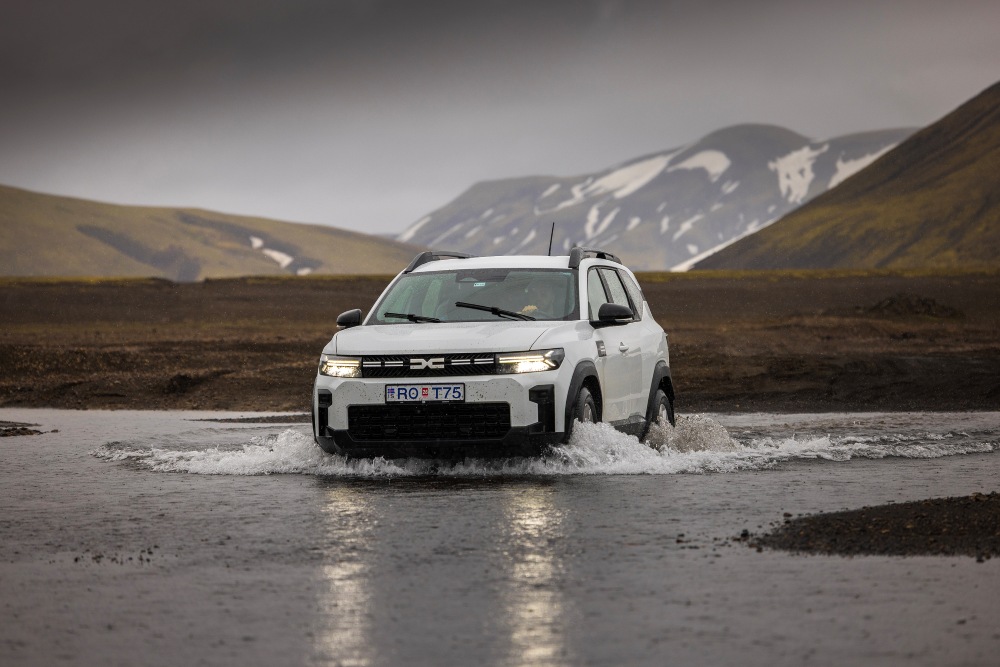
River crossings represent one of the most challenging and potentially hazardous aspects of driving on Iceland's F-roads. These crossings demand not only significant caution and sound judgment but also a thorough understanding of your vehicle's capabilities and limitations. A miscalculation here can lead to severe consequences, including vehicle damage and potential danger to occupants.
Comprehensive Guidance for Safe River Crossings:
- Thorough Assessment Before Entry: Before even considering entering a river, it is imperative to stop your vehicle and conduct a detailed assessment. Observe the river's characteristics:
- Depth: Look for visual cues. Is the water level significantly higher than the tire's midpoint? Are there any markers indicating depth? If you see other vehicles crossing, note their water displacement.
- Speed: A fast-flowing river, even if shallow, can create powerful currents that can destabilize a vehicle or even sweep it downstream. Look for ripples or white water that indicate strong currents.
- Potential Hazards: Scan for submerged rocks, large boulders, or deep potholes that could damage your undercarriage or cause you to lose traction. Also, be aware of uneven riverbeds that could lead to a loss of control. Consider walking the crossing if possible and safe, especially if you are unsure of the terrain beneath the water.
- Upstream Conditions: Heavy rainfall upstream can quickly increase river levels and currents, even if the immediate area appears calm. Check weather forecasts and recent rainfall in the broader region.
- Strategic Crossing Point: Always aim to cross at the widest point of the river. Generally, wider sections tend to be shallower due to the water spreading out more. Avoid narrow, fast-flowing sections, which are typically deeper and have stronger currents. Look for areas where the water appears calmer and the banks are less steep.
- Optimal Gear and Speed: Once you've committed to a crossing, engage your vehicle's lowest gear (e.g., 4x4 low range). This provides maximum torque and control, allowing you to maintain a steady, controlled speed. A consistent, slow pace is crucial. Driving too fast can create a bow wave that washes over the hood and into the engine compartment, while driving too slowly can cause you to lose momentum and get stuck. Aim for a speed that creates a small bow wave just in front of your vehicle.
- Prudent Decision-Making – When to Turn Back: The most critical piece of advice for river crossings is this: Do not attempt a crossing if you are uncertain about its safety. It is always, unequivocally, safer to turn back and find an alternative route, or even to wait for conditions to improve, than to risk your vehicle and personal safety. If you have any doubts about depth, current, or your vehicle's capabilities, err on the side of caution.
- Insurance Limitations: A fundamental and often overlooked fact is that insurance policies in Iceland almost universally do not cover water damage to vehicles. This means that any damage sustained during a river crossing, regardless of how minor, will be entirely your financial responsibility. This significant financial risk underscores the absolute necessity of extreme caution and responsible decision-making.
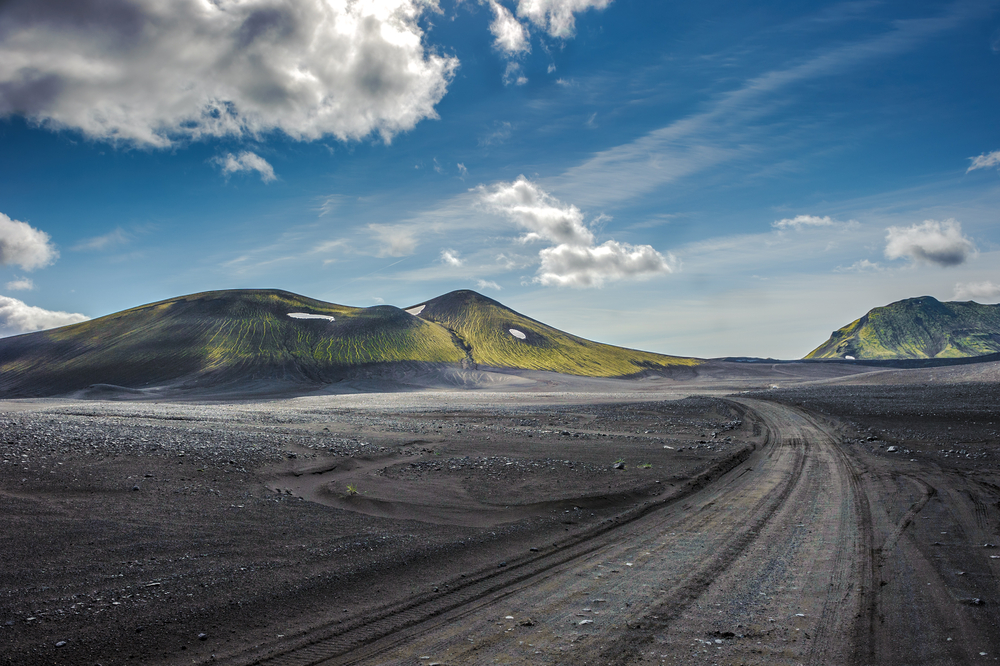
Isolation and Assistance in the Icelandic Highlands
Venturing into the Icelandic Highlands is an unforgettable experience, offering unparalleled natural beauty. However, it is paramount for travelers to acknowledge the inherent isolation and limited infrastructure of these remote regions. This awareness is critical for ensuring a safe and prepared journey.
- Limited Communication and Navigation:
- Mobile Phone and Internet Coverage: Expect significant limitations, and often complete absence, of mobile phone and internet coverage throughout large swathes of the Highlands. This means that your primary means of communication and online navigation will be unreliable at best.
- Offline Maps are Essential: Prior to your journey, it is absolutely vital to download comprehensive offline maps of the areas you intend to traverse. Relying solely on real-time online navigation is a dangerous gamble in these regions. Consider carrying a physical map as a backup.
- Protracted Assistance Timelines:
- Time-Consuming Recovery: In the event of a breakdown, accident, or getting stuck, be prepared for extremely lengthy waiting periods for assistance. Recovery vehicles or rescue services may take many hours, or even a full day, to reach your location, especially in the most remote areas. The challenging terrain, lack of paved roads, and sheer distances contribute to these delays.
- Minor Issues Can Escalate: A seemingly minor issue, such as a flat tire or running out of fuel, can quickly escalate into a significant ordeal, consuming valuable travel time and potentially jeopardizing your itinerary.
- Environmental Dangers of Prolonged Exposure: The Highland weather can be incredibly unpredictable and harsh, even in summer. Prolonged exposure to cold, wind, rain, or snow while awaiting assistance can lead to hypothermia, frostbite, and other serious health risks. It is crucial to be equipped with appropriate warm and waterproof clothing, as well as emergency supplies.
For these compelling reasons, a high degree of personal caution, preparedness, and self-reliance is not just recommended but absolutely mandatory for anyone planning to drive in the Icelandic Highlands. Your safety and the success of your journey depend on it.
Common F-Roads and Their Characteristics
The following table provides an overview of the most frequently traveled F-roads in Iceland:
|
F-Road |
Destination(s) |
Recommended Car |
Typical Opening (varies) |
Key Challenges |
Notes |
|
F35 (Kjölur) |
Gullfoss ↔ Blönduós, Kerlingarfjöll, Hveravellir |
Large SUV (4x4) |
Mid-June – late Sept |
Long gravel, uneven surface |
Access to geothermal hot springs at Hveravellir and hiking trails in Kerlingarfjöll. |
|
F26 (Sprengisandur) |
Crosses Highlands north–south |
Large SUV (4x4) |
Late June – early Sept |
Extremely remote, rough terrain |
No services along the route; among the most desolate roads in Iceland. |
|
F208 (South Route) |
Landmannalaugar |
Large SUV (4x4) |
Late June – Sept |
Gravel, rivers, rough surface |
Scenic but demanding; northern section is easier than the southern approach. |
|
F225 (Landmannaleið) |
Alternative route to Landmannalaugar |
Large SUV (4x4) |
Late June – Sept |
Several river crossings |
More adventurous than the main road into Landmannalaugar. |
|
F88 |
Askja / Herðubreið |
Large SUV (4x4, high clearance) |
Late June – early Sept |
Deep river crossings |
Unsuitable for smaller SUVs due to the Grafarlandaá river. |
|
F910 |
Askja (east approach) |
Large SUV (4x4) |
Late June – Sept |
Lava fields, rivers, rugged track |
Very remote, with volcanic landscapes. |
|
F249 |
Þórsmörk |
Large SUV (4x4, very high clearance) |
Mid-June – Sept |
Multiple deep rivers |
One of the most challenging routes; unsuitable for inexperienced drivers. |
|
F210 |
Mælifell, between glaciers |
Large SUV (4x4) |
Late June – Sept |
Rivers, rough terrain |
Remote but spectacular; requires caution. |
|
F206 + F207 |
Lakagígar (Laki Craters) |
Large SUV (4x4) |
Late June – Sept |
Gravel, small rivers |
Remote volcanic area within a national park. |
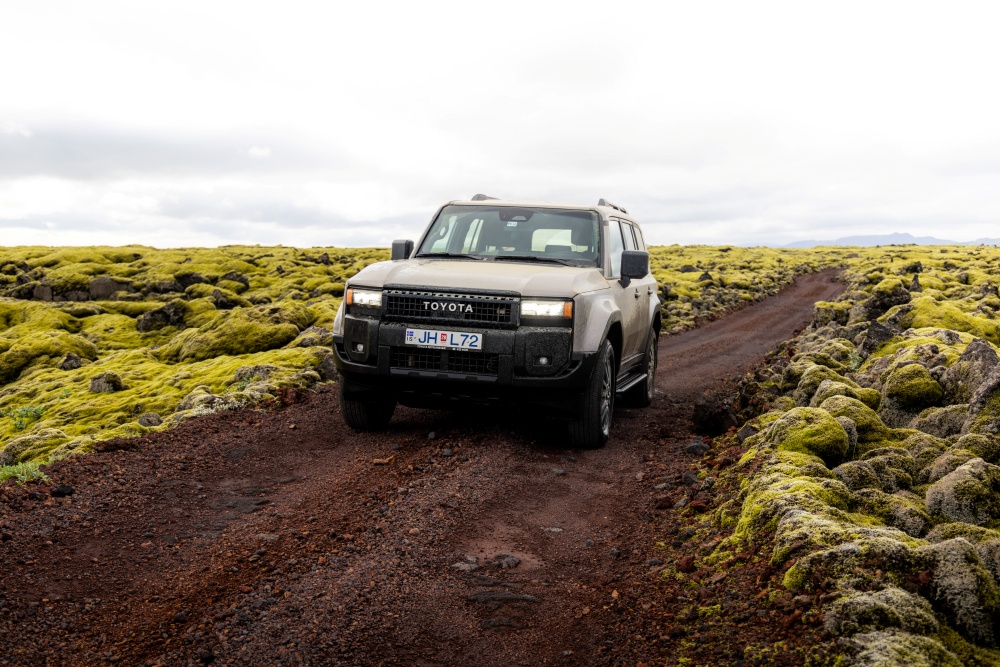
Preparing for a Highland Journey
Traveling into the Highlands of Iceland is an unforgettable adventure, but it demands meticulous advance preparation. The rugged, untamed beauty of this region comes with inherent challenges, and drivers must be thoroughly equipped and informed before venturing into its depths. Before entering, drivers should:
- Consult the Icelandic Road and Coastal Administration (IRCA) and local weather forecasts: Conditions in the Highlands can change rapidly and dramatically. Always check road closures, weather warnings, and specific F-road statuses on IRCA's website (www.vegagerdin.is) before and during your journey. Be prepared for strong winds, heavy rain, fog, and even unexpected snow, regardless of the season.
- Rent a suitable 4x4 vehicle: Standard two-wheel-drive vehicles are strictly prohibited on F-roads. A high-clearance 4x4 with good tires is essential to navigate the often rocky, unpaved, and sometimes river-crossing terrains. Ensure your rental agreement permits travel on F-roads and that you understand the terms regarding river crossings and insurance coverage.
- Inform someone of your travel plans: Due to limited cell service in many areas of the Highlands, it's crucial to leave your itinerary with a trusted contact. Provide them with your planned route, estimated departure and arrival times, and the make and model of your vehicle. This can be vital for search and rescue efforts if you encounter difficulties.
- Pack extra fuel: Gas stations are extremely scarce in the Highlands. Plan your route to ensure you have enough fuel for the entire journey, including potential detours or delays. Carrying extra fuel in approved containers is highly recommended.
- Carry essential emergency supplies: This includes a first-aid kit, extra warm clothing (layers are key), waterproof outer shells, non-perishable food, plenty of water, a fully charged mobile phone (even if service is limited), a power bank, a map and compass (GPS devices can fail), a shovel, and tow straps.
- Understand and respect river crossings: Many F-roads involve unbridged river crossings. Assess the depth and current before attempting to cross. If in doubt, do not cross. Never cross if the water level is too high, the current is too strong, or you're unsure of the riverbed's composition. Observe other vehicles crossing if possible, and walk the crossing if safe to do so to gauge depth and obstacles. Remember, river crossings are often not covered by standard insurance policies.
- Stay on marked roads and trails: Driving off-road is strictly illegal and causes irreversible damage to Iceland's fragile ecosystem. Stick to designated F-roads and marked tracks.
- Be aware of your surroundings: The Highlands are vast and isolated. Be vigilant for sudden changes in terrain, wildlife (such as sheep), and other vehicles. Drive cautiously and at a speed appropriate for the conditions.
- Allow ample time: Journeys in the Highlands often take longer than anticipated due to challenging road conditions and the desire to stop and admire the breathtaking scenery. Don't rush; enjoy the experience.
- Familiarize yourself with basic vehicle maintenance: Knowing how to change a tire or perform minor repairs can be invaluable in remote areas.
- Consider a satellite phone or personal locator beacon (PLB): For ultimate safety in areas with no cell service, these devices can be lifesavers in emergencies.
By adhering to these preparations, drivers can significantly enhance their safety and ensure a more enjoyable and responsible exploration of Iceland's magnificent Highlands.
- Refuel fully; there are no gas stations in the interior.
- Carry sufficient food and water for the duration of the journey.
- Pack warm and protective clothing, regardless of season.
- Download offline navigation tools or bring a GPS device.
- Inform others of your travel plans via SafeTravel.
- Travel in company when possible, as two vehicles offer additional safety.
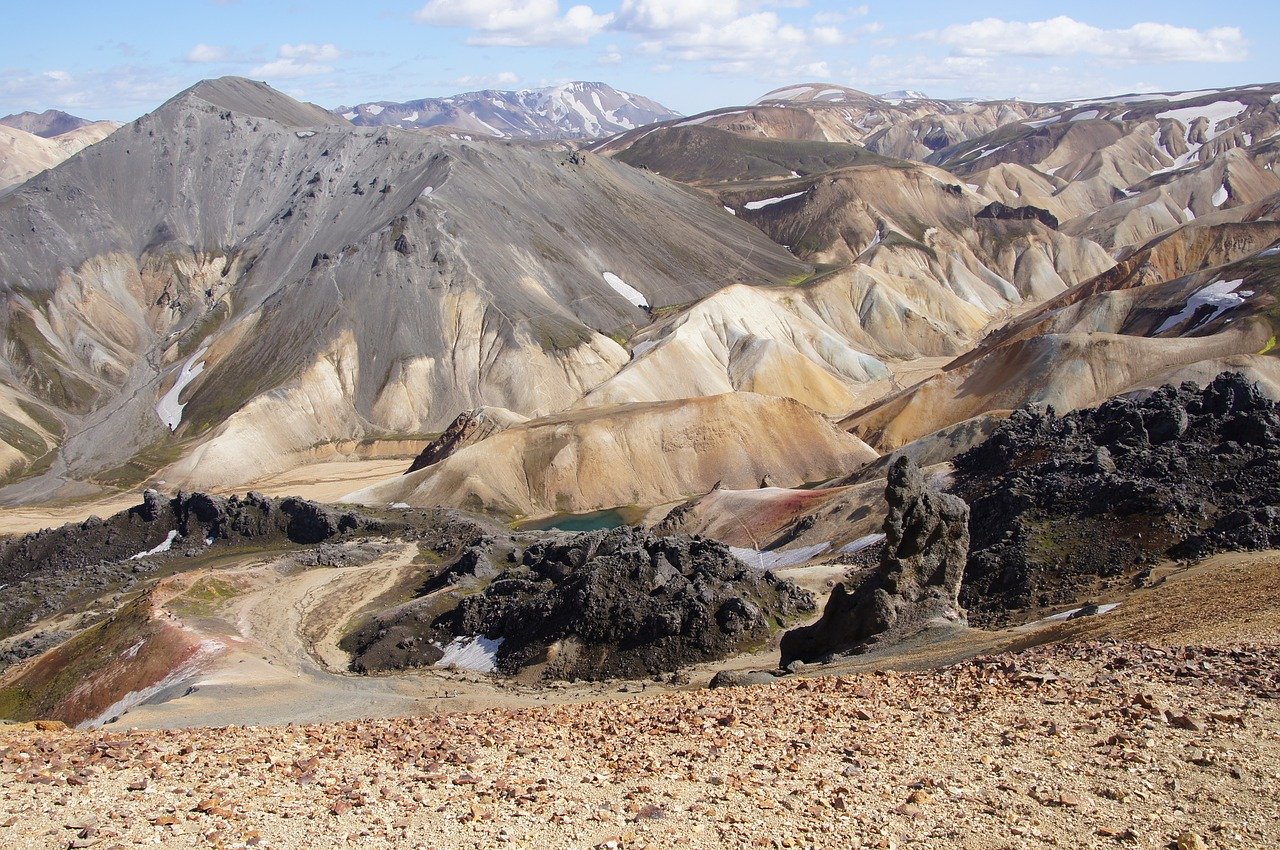
Highland Destinations
Several renowned natural sites in the highland are accessible only via F-roads:
Landmannalaugar
Known for its rhyolite mountains painted in shades of red, orange, and green, Landmannalaugar is one of Iceland’s most popular Highland destinations. Visitors come for the hiking trails and the chance to bathe in a natural geothermal pool surrounded by dramatic landscapes.
Askja and Víti Crater
Deep in the central Highlands, Askja offers a stark volcanic environment shaped by past eruptions. The Víti Crater, filled with milky-blue water, provides an unforgettable sight. The approach is long and remote, demanding a capable 4x4 vehicle.
Kerlingarfjöll
This geothermal mountain range presents steaming valleys and colorful ridges. Extensive hiking trails make it ideal for those seeking both scenic beauty and physical activity in the heart of the Highlands.
Hveravellir
Situated along the Kjalvegur route, Hveravellir is a geothermal oasis known for its natural hot springs. The area also offers hiking paths and panoramic views of glaciers and lava fields.
Þórsmörk
Nestled between glaciers, Þórsmörk is a lush valley famous for hiking. The contrast between green vegetation and surrounding ice caps creates a unique landscape, though reaching the valley requires crossing multiple rivers.
Lakagígar
Formed during the eruption of 1783, the Lakagígar volcanic craters stretch for kilometers. This remote natural wonder highlights Iceland’s dramatic volcanic history and offers a rare glimpse into a raw environment.
Sprengisandur Desert
Expansive black sand plains characterize the Sprengisandur route. Driving here emphasizes isolation and the scale of Iceland’s interior, making it one of the most desolate yet striking Highland routes.
You can also learn about unique natural attractions outside the Highlands, such as Svartifoss waterfall, to complement your itinerary.
Seasonal Access
F-roads are generally accessible only during the summer season, when snow has melted and conditions are stable enough for travel. Access is strictly dependent on weather, temperature, and river levels.
Opening Periods
In most years, routes begin to open from mid to late June. Easier tracks such as F35 may open earlier, while more remote or higher elevation roads remain closed until later in the summer. The exact date can change each year depending on snowmelt and rainfall. Here you can see information about opening of mountain roads by Iceland's road administration.
Closing Periods
By late September, most F-roads are closed again for the season. Early snowfall or heavy rain can bring closures earlier than expected, particularly in exposed or higher altitude areas. Once closed, the roads should not be entered under any circumstances.
Importance of Checking Conditions
Because conditions shift quickly, travelers should always confirm road openings and current status on road.is before departure. Daily updates are provided, and closures are enforced for safety reasons. Those planning to drive into the Highlands should monitor conditions continuously and remain flexible in their travel plans.
In short this means:
- Opening: typically mid to late June.
- Closing: generally late September, though earlier closures may occur due to weather.
Travelers should always confirm road openings on road.is before departure.
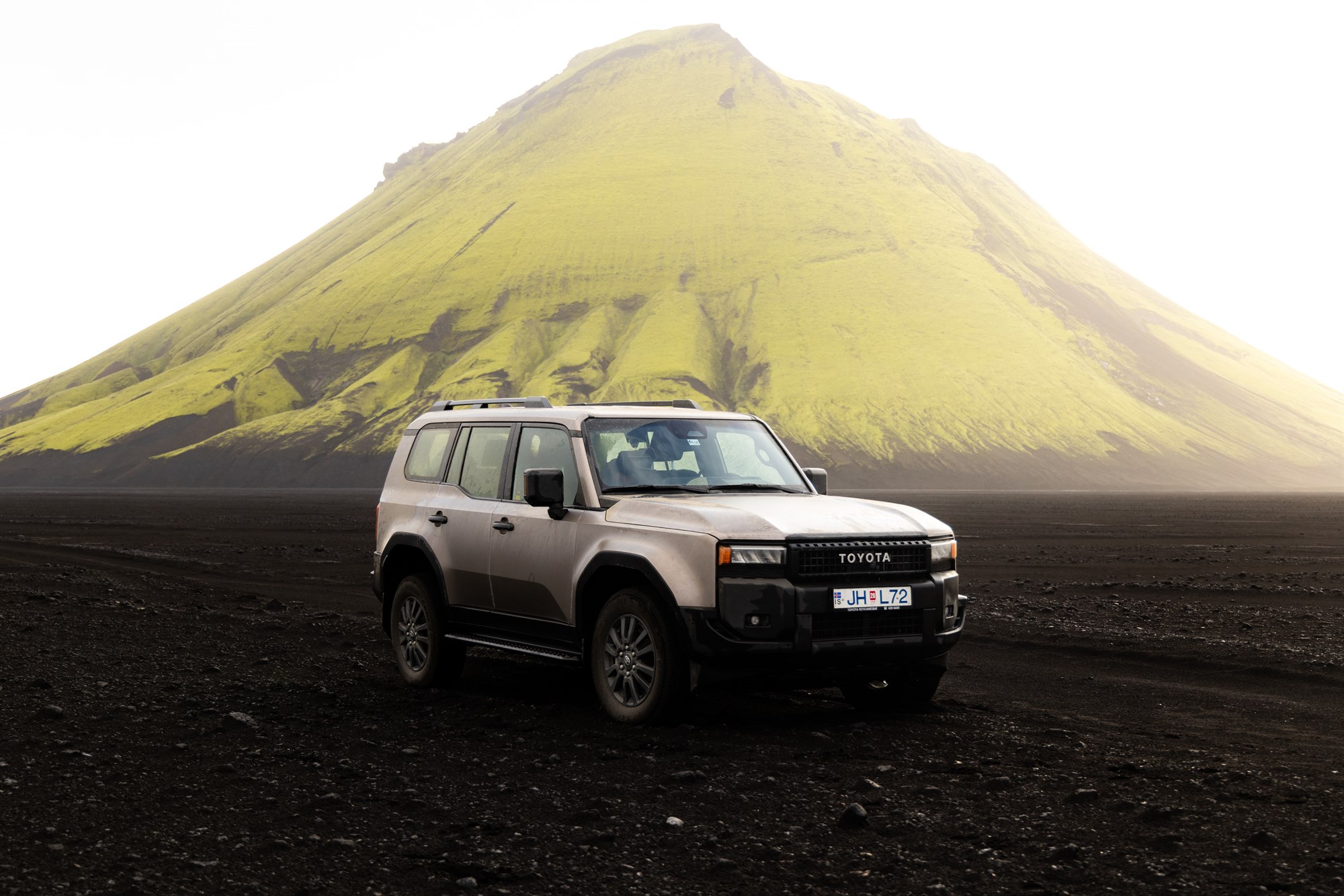
Why Choose Blue Car Rental for Your Icelandic Adventure
Selecting the appropriate Iceland car rental is not merely a logistical step; it's a crucial decision that can profoundly impact the safety, enjoyment, and overall success of your journey, especially when venturing into the magnificent and sometimes challenging Icelandic Highlands. Blue Car Rental stands as a premier choice, offering a comprehensive suite of services and a commitment to ensuring every traveler has a seamless and well-supported experience.Our Core Offerings: Tailored for Icelandic Exploration
At Blue Car Rental, we understand the unique demands of Icelandic terrain and weather. Our services are meticulously designed to provide you with the peace of mind and practical necessities required for a memorable and secure adventure:
- A Fleet of Suitable 4x4 Vehicles for F-Road Driving: The Icelandic Highlands, with their rugged landscapes and river crossings, often necessitate the use of specialized vehicles. Our diverse fleet includes a wide range of suitable 4x4 vehicles that are robustly built and well-maintained, specifically equipped to handle the F-roads (mountain roads) that lead to some of Iceland's most breathtaking and remote natural wonders. These vehicles are chosen for their reliability, ground clearance, and all-wheel-drive capabilities, ensuring you can navigate challenging conditions with confidence.
- Comprehensive Insurance Options, Including Zero-Excess Coverage: We prioritize your financial security and peace of mind. We offer a variety of comprehensive insurance options, allowing you to select the level of coverage that best suits your needs and risk tolerance. Crucially, we provide the option for zero-excess coverage, which means that in the unlikely event of damage, you will not be responsible for any deductible. This eliminates unexpected costs and allows you to focus on enjoying your trip without financial worries.
- 24/7 Roadside Assistance Throughout Iceland: Exploring Iceland means sometimes venturing into remote areas. That's why we offer 24/7 roadside assistance across the entire country. Whether you experience a flat tire in the Westfjords, a mechanical issue near Jökulsárlón, or simply need guidance while navigating, our dedicated support team is just a phone call away, ready to provide prompt and professional assistance, no matter the time or location.
- Convenient Pick-Up and Drop-Off Services, Including Online Check-In and Key Box Availability: We believe that the start and end of your rental experience should be as smooth as possible. We offer flexible and convenient pick-up and drop-off services at various key locations, including Keflavík International Airport. To further streamline the process and minimize wait times, we provide online check-in, allowing you to complete much of the paperwork before you even arrive. Additionally, for added flexibility and convenience, we offer key box availability, enabling you to pick up or drop off your vehicle outside of traditional office hours, perfectly accommodating early flights or late departures.
Ensuring Your Highland Adventure is Supported
These meticulously designed services are not just features; they are the foundation upon which your Icelandic adventure can confidently be built. They ensure that travelers have the proper support when venturing into Iceland’s Highlands, providing the necessary tools, protection, and assistance to navigate its unique challenges and fully embrace the unparalleled beauty and raw power of its wilderness. With Blue Car Rental, you’re not just renting a car; you’re securing a reliable partner for your unforgettable Icelandic journey.
Final Advisory
Travel on F-roads involves a higher degree of personal responsibility. Even with thorough preparation and an appropriate vehicle, conditions may change rapidly. If an incident occurs, assistance may be delayed, and recovery may not be covered by insurance.
Important Advisory Regarding F-Road Travel in Iceland
Venturing onto Iceland's F-roads is an unparalleled experience, offering access to some of the country's most remote and spectacular natural wonders. However, it's crucial to understand that these routes present unique challenges and responsibilities that differ significantly from travel on paved roads. This advisory aims to provide essential information to ensure a safe and memorable journey through the Highlands.
A Higher Degree of Personal Responsibility:
Unlike standard road travel, navigating F-roads requires a significantly higher degree of personal responsibility. The conditions on these unpaved mountain roads can be unpredictable and demanding, often involving river crossings, rough terrain, and steep inclines. Even with meticulous preparation and an appropriate vehicle, such as a high-clearance 4x4, conditions can change rapidly due to weather fluctuations, recent rainfall, or unexpected geological shifts.
Potential for Delayed Assistance and Insurance Limitations:
In the event of an incident or breakdown on an F-road, it's vital to recognize that assistance may be severely delayed. Many F-roads are in isolated areas with limited or no cellular service, making communication difficult. Emergency services or towing companies may take many hours to reach you, depending on your location and the severity of the situation. Furthermore, it's critical to be aware that standard vehicle insurance policies may not cover incidents that occur on F-roads, or they may have significant limitations. Travelers are strongly advised to thoroughly review their rental car in Iceland insurance policy to understand the specific terms and conditions related to F-road travel and consider supplementary coverage if necessary.
Exercising Caution and Choosing Conservative Routes:
Given these potential challenges, travelers are strongly urged to exercise extreme caution and prioritize safety above all else. This includes:
- Thorough Route Planning: Never embark on an F-road journey without meticulous planning. Research the specific F-roads you intend to travel, checking current conditions, weather forecasts, and any reported closures. Utilize detailed maps and GPS, and consider carrying a satellite phone or other communication device for emergencies.
- Choosing Conservative Routes: If you are new to F-road driving or uncomfortable with challenging terrain, opt for more conservative routes that are less demanding. Some F-roads are significantly more difficult than others, with deeper river crossings and rougher surfaces.
- Respecting Regulations: Adhere strictly to all posted regulations, including speed limits, signs regarding river crossings, and warnings about road closures. Driving off-road is strictly prohibited and can result in significant fines and environmental damage.
- Environmental Awareness: The Icelandic Highlands are a fragile ecosystem. Stay on marked tracks, avoid disturbing wildlife, and pack out everything you pack in, leaving no trace of your visit.
Here you can find everything about road signs in Iceland and other usefule travel tips like our road rules for travelers guide.
The Rewards of Prepared and Respectful Travel:
With careful planning, a properly equipped rental car in Iceland (specifically a 4x4 suitable for F-roads), and a respectful approach to both the regulations and the environment, journeys through the Highlands can be conducted safely and will reward visitors with some of the country’s most extraordinary natural experiences. From the vibrant rhyolite mountains of Landmannalaugar to the vast black sands of Askja, the Icelandic interior offers unparalleled beauty and a profound sense of wilderness that will undoubtedly be a highlight of your trip. By understanding and respecting the unique demands of F-road travel, you can ensure an unforgettable and safe adventure.
Learn more about driving in Iceland on our website where we even have a speical information the F-roads of Iceland.
 DRIVING IN WINTER: ICELAND’S CAR RENTAL SAFETY GUIDE FOR FIRST-TIME VISITORS