Prices in Iceland 2026: Car hire costs and what to expect

Prices in Iceland 2026: Car hire costs and what to expect

Iceland has a reputation for being pricey. That’s true in many ways. But costs are predictable if you plan. Renting a car helps you control your spend: you choose when to drive, where to stay, and how to eat. This guide shows real-world price ranges for 2026 and simple ways to save, without missing the best parts of Iceland.

A self-drive trip in Iceland can vary a lot in cost, but it’s usually one of the most flexible and rewarding ways to explore the country. Travelers can expect a total budget anywhere between ISK 250,000 and 500,000 (about €1,700–3,400) for a one-week trip for two people, depending on travel style, season, and vehicle choice. This estimate includes car hire, fuel, accommodation, food, and smaller expenses like parking or attractions.

While prices shift with the seasons, these estimates give a clearer picture of what to plan for. Whether you’re coming in winter for the northern lights or in summer for endless daylight. Think of this guide as a practical range, not a fixed rulebook. You’ll find daily budgets, car hire costs, fuel and road fees, food and accommodation prices, parking, and a full 7-day example with numbers.

The goal is to help travelers get a realistic idea of what a self-drive trip in Iceland might cost and where savings are possible.

Key points: What drives prices in Iceland

  • Season: summer is peak for car hire and hotels. Winter can be of great value.
  • Vehicle choice: 2WD is cheaper. A 4×4 is worth it for winter and rougher roads.
  • Driving style: distances, speed, and route planning affect fuel.
  • Sleeping choices: guesthouses outside Reykjavík often beat city prices.
  • Eating choices: groceries + gas-station meals cut costs fast.

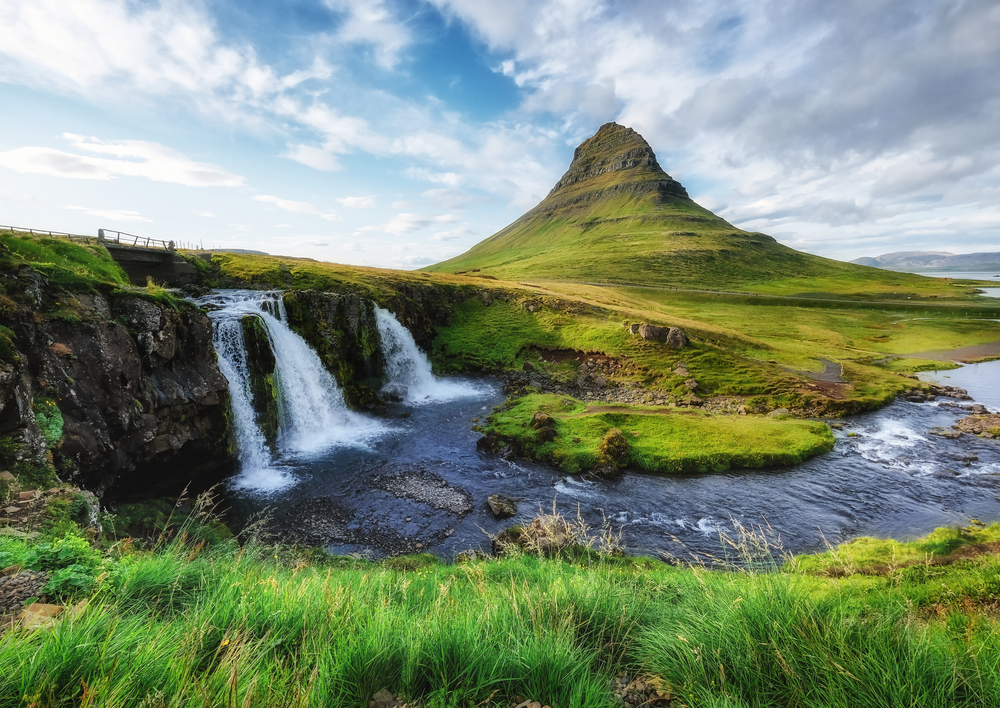
Kirkjufell mountain is one of Iceland's most iconic and photographed natural wonder.

What does a day in Iceland cost? (2026 ranges)

Just to be very clear, these prices are a practical estimate for a self‑drive trip, not a quote. The aim is to give you a clearer picture of your likely total travel budget in Iceland so you can tune it to your plans. 

For a one‑week trip for two person, a realistic total often falls somewhere around 245,000–478,500 ISK. Where your budget land depends on season, vehicle choice (2WD vs 4×4), daily distance, and whether you cook or eat out and choose guesthouses or hotels. Weather and availability can also nudge costs up or down.

To give you some idea of what to expect. Use the table as a daily snapshot. Pick the row that matches your style, then multiply by the number of days in your itinerary and adjust for your route.

Traveler type

Daily cost (ISK)

What this usually includes

Budget (solo or duo)

18,000–25,000

Hostel/guesthouse, 2WD rental share, groceries, coffee/snack, basic site parking

Mid-range (couple/small group)

35,000–55,000

Hotel/guesthouse, compact SUV or 2WD, mix of restaurants + groceries, parking/museum

Comfort/Lux (2–4 travelers)

70,000–110,000+

4×4, hotel/cottage, restaurant meals, guided add-ons, higher fuel use

Want a winter-specific view with realistic add-ons? Check: Car Rental Iceland: How Much Does a Winter Trip Cost?.

Car hire in Iceland: The numbers that matter

Car hire is often your biggest controllable cost, and it changes by season. As a rule, summer has the highest daily rates, shoulder months sit in the middle, and winter offers the lowest. The table below shows typical bands by vehicle class and season.

What shapes the final price is straightforward: the insurance level you choose (wind, gravel, sand/ash) can add to the daily rate but often saves you from larger bills later; extras such as an additional driver, child seats, or mobile Wi‑Fi; your pickup and return timing and location; and the fuel economy of the class you choose relative to your planned mileage.

Many companies place a temporary deposit hold on your card; Blue Car Rental does not hold a deposit, which keeps more of your travel funds available during the trip.

A rental car is especially valuable in Iceland because it lets you adjust plans around weather and road conditions, reach rural guesthouses and better‑priced supermarkets, see more in a day without tour schedules, and skip most transfer and pickup fees.

These are estimated price ranges, not quotes. Use them to gauge your total travel budget, then adjust for your dates, vehicle, and route.

Typical rental price ranges (ISK per day)

Vehicle type

Summer (Jun–Aug)

Shoulder (Apr–May, Sep–Oct)

Winter (Nov–Mar)

Notes

Small 2WD (economy/compact)

11,000–18,000

8,000–14,000

6,000–12,000

Best for paved routes and summer

Compact SUV / Crossover

16,000–25,000

12,000–19,000

9,000–16,000

Extra space and clearance

4×4 (true AWD/4WD)

22,000–40,000

16,000–30,000

12,000–24,000

Recommended for winter and F-road seasons*

* F-roads are mountain/gravel tracks open only in summer and only for 4×4. See our F-road highland guide for further info.

Insurance and what to expect

Given Iceland's high repair costs, service fees, and challenging weather conditions, car rental insurance offers crucial peace of mind. Comprehensive insurance coverage provides better protection against potential damages and the unexpected issues they can cause.

  • Full protection can look expensive upfront but avoids nasty surprises.
  • Wind, gravel, and sand/ash coverage matters in Iceland.
  • Value play: pick a provider with clear pricing and fewer add-ons later.

Blue’s digital tools help you skip queues and hit the road fast. Read how this tech saves time and stress. See how to get a faster car rental service at Kef airport.

Person putting fuel on a red rental car in Iceland.

Fuel prices, range, and road fees

Fuel is a big part of your budget, and it isn’t the same everywhere. Prices vary by station and region, with Reykjavík and larger towns often cheaper than remote areas such as the Westfjords or routes that approach the Highlands. Your route and vehicle also change the math: a small 2WD on paved roads sips far less than a loaded 4×4 on gravel in strong winds or winter cold.

As a quick sense‑check for ~200 km of daily driving: a compact at about 6 L/100 km uses roughly 12 liters per day, while a crossover at around 8 L/100 km needs about 16 liters. If pumps along your route differ by 30–40 ISK per liter, that gap can add 360–640 ISK per day and 2,500–4,500 ISK over a week—before any weather penalties. Roof boxes, headwinds, and idling raise consumption further.

Plan refuels where prices are better and top up before long stretches with few stations. Use the national price tracker at gasvaktin.is to compare nearby pumps on the day, and keep at least half a tank when heading into sparse areas.

Fuel planning basics

  • Stations are common on main routes and towns. Gaps grow in the Westfjords and Highlands.
  • Buy fuel earlier than you think, especially late evenings and on long gravel stretches.
  • Drive smooth and keep speeds sensible — it cuts consumption and fines.

Rough fuel math (to plan costs)

Vehicle

Typical consumption*

Daily driving (example)

Estimated liters/day

What that means

Small 2WD (petrol)

5.5–6.5 L/100 km

200 km

11–13 L

Efficient on Ring Road

Crossover/SUV (petrol)

7–9 L/100 km

200 km

14–18 L

More space, higher use

4×4 (diesel)

7.5–10 L/100 km

200 km

15–20 L

Better for winter/F-roads

* Real-world. Wind, cold, gravel, and roof gear can push this up. Here's how you can refuel with confidence in Iceland. 

To find current fuel prices and nearby stations across Iceland, use the neutral price tracker gasvaktin.is. It lists pump prices by station and region and helps you plan cheaper stops before long stretches or rural legs.

EV rental in Iceland: costs, charging, and when it makes sense

Electric vehicles are a practical hire option in Iceland, especially if most of your route follows paved roads and you can plan charging stops. Daily rental prices for EVs typically align with well‑equipped crossovers; total trip cost depends on your charging pattern and distances. In towns and along main corridors you’ll find growing public chargers, with fewer options in remote areas. Cold weather and headwinds can reduce range, so it’s smart to keep extra buffer on longer legs.

Charging works best when you plan ahead: top up overnight where chargers are available, and add short daytime sessions while you stop for coffee or a view. If your itinerary includes the Westfjords or sparsely populated stretches, check charger availability before you set off and avoid arriving low. For a traveler’s take on when EVs are a good fit in Iceland, see Blue’s overview: Top 3 Reasons for EV Rental in Iceland.

Road tolls

Iceland has very few tolls. When they exist, they are posted and easy to pay. See Blue’s overview: Road Tolls in Iceland.

Women eating a hot dog in Reykjavik.

Iceland's food and drink prices

Food is where you can quietly save the most. A rental car lets you shop where prices are lower and carry what you need for the day. Plan a first grocery stop at discount supermarkets like Bónus or Krónan, then top up every couple of days. If you swap one restaurant dinner (often 3,000–6,000 ISK per person) for a simple grocery meal, two travelers can save 3,000–8,000 ISK in a day. Gas‑station bakeries and soup deals are handy, fast, and usually cheaper than sit‑down lunches. Pick stays with a kitchenette when you can, bring a small cooler bag for the car, and refill a water bottle, tap water is excellent and free.

The table below shows typical prices so you can mix and match meals to fit your budget.

Everyday prices (typical ranges)

Item

Average price (ISK)

Notes

Coffee (regular)

600–750

Gas-station coffee is usually cheaper

Bakery pastry

500–900

Great value breakfast-on-the-go

Lunch sandwich/wrap

1,500–2,200

Café or bakery

Soup + bread

1,800–2,800

Common in towns and gas stations

Basic restaurant main

3,000–6,000

Fish, lamb, or veggie mains

Beer (draft)

1,200–1,700

Bars vary by location

Grocery basket for two (per day)

3,000–4,500

Shop at Bónus/Krónan in larger towns

Simple save: plan a grocery stop on arrival day, then top up every 2–3 days. Gas-station combo meals are also affordable and fast when you’re on the move.

Accommodation prices in Iceland

You’ll see big swings by location and season. Reykjavík and popular hubs cost more, especially June–August and during festivals. Rural guesthouses and cottages are often cheaper, with better availability in the shoulder months and winter. Prices also shift with room type (private vs. shared bath), breakfast inclusion, and cancellation policy. Book early for summer; in winter you can sometimes wait for deals, but always check weather before you commit. A rental car widens your options: you can sleep outside the capital, park for free more often, and shop at lower‑priced supermarkets. Kitchens or kitchenettes trim food costs, and two‑night stays reduce fuel and time on the road.

Type

Typical range/night

What to expect

Hostel bed (dorm)

5,000–8,000

Basic, social, clean

Guesthouse (double)

12,000–18,000

Breakfast often included

Mid-range hotel (double)

25,000–40,000

Prices spike in summer

Cottage/Airbnb (2–4 ppl)

20,000–45,000

Strong value for groups; car is essential

Winter can be friendly on the wallet if you’re flexible. For context, see seasonal ideas here: Reykjavik in Winter.

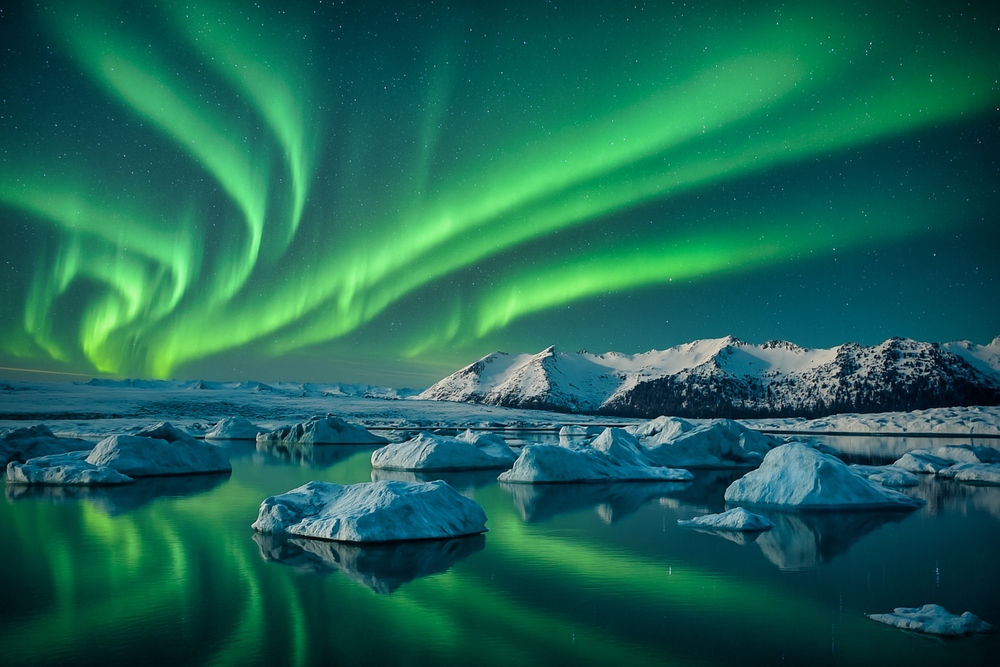
Green northern lights over glacier lagoon in Iceland.

Parking, attractions, and what’s free

In Iceland, most natural attractions are free to access. However, popular sites may charge minor parking fees, so it's advisable to have a card ready for machine or app payments.

Typical examples (subject to local updates):

  • National parks and popular waterfalls may charge a modest parking fee.
  • Museums: 1,500–2,500 ISK per adult is common.
  • City parking zones vary by street and time. Read the sign before you leave the car.

Need a refresher on rules and simple do’s and don’ts? See: Parking a Rental Car in Iceland

Season and price swings (what changes when)

  • Summer (Jun–Aug): highest car hire and hotel rates; long days; heavy demand. Book early.
  • Shoulder (Apr–May, Sep–Oct): better rates; good road access; fewer crowds.
  • Winter (Nov–Mar): lowest rates overall; short days; great for northern lights; pick a 4×4 and plan routes with weather in mind.

If you’re eyeing 4×4 for winter security or summer F-roads, this helps: Do I need a 4x4 in Iceland?

VAT, refunds, and airport basics

VAT is included in most sticker prices. Tourists can get refunds on eligible goods above a set threshold if they follow the process and stamp receipts before departure. Blue’s step-by-step is here: Taxes, VAT Refunds, and Simple Ways to Save.

  • At KEF Airport: look for refund desks airside/landside depending on the operator and your timing. Check procedures on the airport site: kefairport.is.
  • Keep every receipt and ask stores for proper tax-free forms.

For broad price context over time (inflation, index data), the national statistics office is neutral and reliable: statice.is.

How to save money in Iceland with a rental car

Here’s what actually moves the needle:

  1. Pick the right car for your route. Don’t over-spec for summer Ring Road. Do upgrade to 4×4 for winter security or F-roads in season.
  2. Choose clear, inclusive insurance. Surprises later are more expensive than full cover upfront. Blue explains the traps here: Hidden Costs of Renting a Car in Iceland.
  3. Shop smart. Stock groceries in bigger towns. Use gas-station combos when miles matter.
  4. Plan routes with weather and roads. Combine sights on the same side of a region to cut fuel and time. Check vedur.is for weather and road.is for conditions once daily in winter.
  5. Book stays with free parking and breakfast when the math works.
  6. Drive gently. Iceland’s speed limits and wind make this easy. You’ll save fuel and avoid fines.
  7. Use tech to skip queues. Online check-in and key boxes save you time on arrival. More on Blue’s approach: Smarter Car Rentals in Iceland.
  8. Look for fair discounts. Seasonal offers and codes exist. Start here: Finding Coupon Codes: Iceland Car Rental Discount.

Why travelers rate Blue’s value: transparent pricing, quick pickup, and strong support if things change. Read more: Why Blue Car Rental Offers the Best Value for Travelers in Iceland.

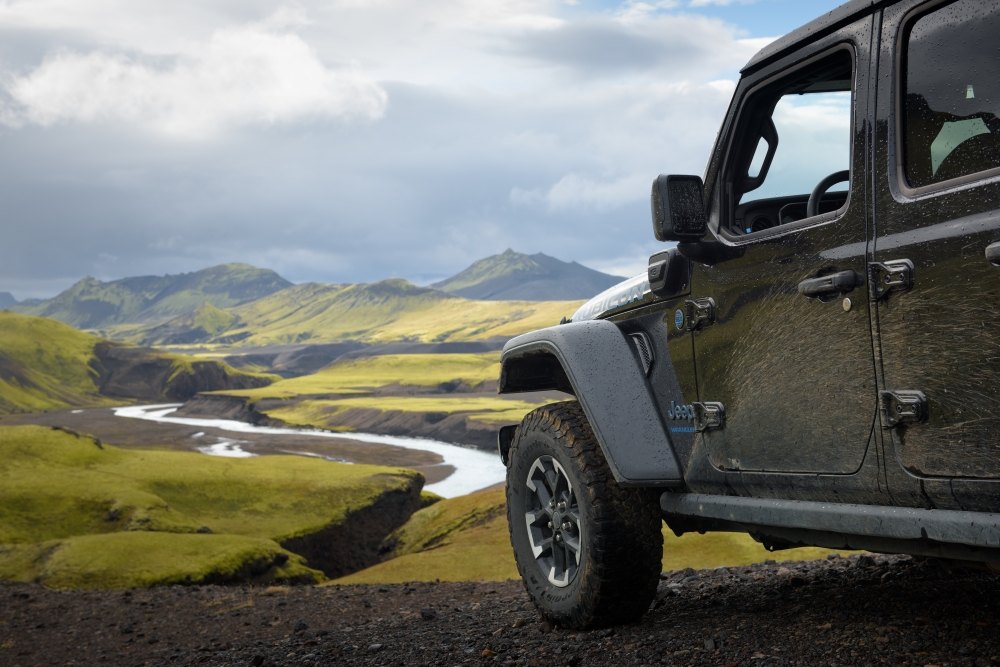
Jeep Wrangler Rubicon 4x4 in Iceland.

Sample 7-day cost plans (with car hire)

These are example bundles. Swap in your own values to fit your route and group size. Prices are in ISK.

A. Budget duo (2WD, shoulder season)

Item

Qty/Days

Unit (ISK)

Total (ISK)

Notes

Car hire, small 2WD

7 days

10,000

70,000

Basic cover included

Fuel

7 days

3,000

21,000

~200 km/day, efficient car

Accommodation

7 nights

14,000

98,000

Guesthouse mix

Food (groceries + snacks)

7 days

4,000

28,000

Cook most meals

Eating out (2× dinners)

2

10,000

20,000

Shared mains + drinks

Parking & attractions

8,000

Mix of sites

Estimated total

245,000

~122,500 per person

B. Mid-range couple (crossover, summer)

Item

Qty/Days

Unit (ISK)

Total (ISK)

Notes

Car hire, crossover/SUV

7 days

18,000

126,000

Popular size for comfort

Fuel

7 days

4,500

31,500

~200 km/day

Accommodation

7 nights

28,000

196,000

Hotel/guesthouse

Food (mix)

7 days

7,000

49,000

Groceries + lunches

Eating out (4× dinners)

4

16,000

64,000

Mains + drinks

Parking & attractions

12,000

Museums + sites

Estimated total

478,500

For 2 people

C. Winter comfort (4×4, value stays)

Item

Qty/Days

Unit (ISK)

Total (ISK)

Notes

Car hire, 4×4 (winter rate)

7 days

15,000

105,000

Full cover recommended

Fuel

7 days

5,000

35,000

More idling, wind, cold

Accommodation

7 nights

20,000

140,000

Guesthouse/cottage

Food (mix)

7 days

6,000

42,000

Heavier hot meals

Eating out (3× dinners)

3

14,000

42,000

Cozy restaurants

Parking & attractions

10,000

Mix of sites

Estimated total

374,000

For 2 people

If you’re building a first-timer plan, this flexible route guide helps you map days to spend, not just money: The Ultimate Self-Drive Iceland Itinerary for First-Time Visitors.

Price tables you can reuse

Here are some examples of prices in Iceland you can reuse when planning a self-drive road trip in Iceland. Just remember it's only a guide not fixed prices or quotes. But hopefully they are of some assist. 

Car hire cost snapshot by route type

Route type

Suitable vehicles

Notes

Cost impact

Reykjavík + Golden Circle

2WD, crossover

All paved; year-round access

Low

South Coast to Vík/Höfn

2WD (summer), 4×4 (winter)

Exposure to wind/spray

Medium

Snæfellsnes loop

2WD (summer), crossover

Some gravel spurs

Low–Med

Westfjords

Crossover/4×4

Long gravel sections; sparse fuel

Medium–High

Highlands (F-roads, summer only)

4×4 only

Rivers/rough gravel

High

Food and drink mini-budget (per person/day)

Style

Groceries

Café/fast

Restaurant

Total (ISK)

Frugal

1,800

800

0

2,600

Balanced

1,500

1,200

2,500

5,200

Treat day

1,200

1,500

4,500

7,200

Parking and small fees (per day estimate)

Traveler style

Sites visited

Parking/fees (ISK)

Nature-heavy day

3–4

500–1,500

City + museums

2–3

1,500–3,000

Mixed loop

3–4

1,000–2,000

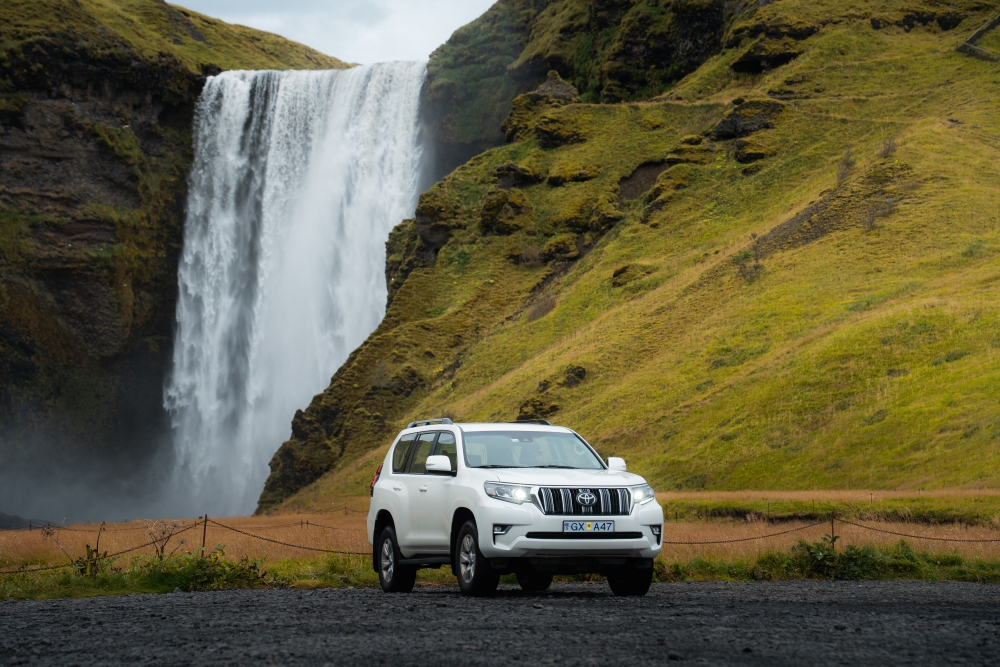
White Toyota Land Cruiser at Skogafoss waterfall in Iceland.

Common price mistakes (and how to avoid them)

  • Under-insuring the car. Wind and gravel are not “edge cases” here. Fix: get the right cover from the start.
  • Over-car’ing for summer. A 4×4 looks cool. A well-priced 2WD may fit your route perfectly.
  • Ignoring weather and road updates. Wasted miles cost money.
  • Eating every meal out. Icelandic restaurants are great. So are bakeries and supermarkets.
  • Leaving Reykjavík every night. One or two hub nights can cut fuel and time.
  • Paying for transfers you don’t need. With a rental car, you control airport pickup and departure timing.

Where your money goes (typical share for a 7-day self-drive)

  • Car hire + insurance: 30–45%
  • Accommodation: 30–40%
  • Food + drink: 15–25%
  • Fuel: 8–15%
  • Parking/attractions/misc: 3–8%

Use those shares to stress-test your plan. If your hotel picks push above 40%, slide a night or two to a guesthouse or cottage. If your fuel is climbing, rethink the daily distances and bunch your sights by region.

Final thoughts: expensive, yes — but controllable

Iceland isn’t cheap. But a rental car gives you control over the costs that matter. You set the pace, pick where you sleep, and decide when to cook or eat out. Most sights are free, the best views sit just off the road, and your car is the key that unlocks them on your terms.

Use the daily ranges and sample week plans in this guide as a compass, not a contract. Slide your numbers up or down for season, car class, and how many kilometers you actually want to drive. A smart route and a sensible vehicle choice usually cut more from the total than any single coupon or one‑off deal.

  • Book the right car for your route and season. A well‑priced 2WD is perfect for summer Ring Road; go 4×4 for winter security or when F‑roads are part of the plan.
  • Plan your days with weather and road info in mind. Cluster sights by region, keep some buffer in the schedule, and follow the half‑tank rule before remote legs.
  • Mix restaurant meals with smart grocery runs. Bakeries and gas‑station combos make quick, lower‑cost lunches; kitchens or kitchenettes save even more at dinner.
  • Sleep where parking is free and the view is priceless. Two‑night stays reduce backtracking, fuel, and moving time.
  • Choose clear, inclusive insurance. The right cover prevents surprise costs from wind, gravel, or sand/ash.
  • Drive gently. Smooth speeds save fuel, lower stress, and keep your budget intact.

Build the trip around your priorities, photography, hot pools, hiking, culture and let the budget follow the plan. With a rental car and a little prep, Iceland becomes expensive in parts but manageable overall, and the freedom you get back is worth it.

FAQ

How much does it cost to rent a car in Iceland in 2026?

Expect to pay between ISK 10,000 and 25,000 per day for most cars. Smaller 2WD models are cheaper, while 4x4s cost more in summer or when driving in winter. The final price depends on insurance, season, and fuel use.

What’s the average travel budget for a week in Iceland?

A realistic range for two people is ISK 250,000–500,000 including car hire, fuel, food, and accommodation. Costs rise in summer but drop in shoulder or winter months.

Are food and fuel expensive in Iceland?

Yes, but planning helps. Shop at local supermarkets like Bónus or Krónan, and check gasvaktin.is for cheaper fuel stops. Average petrol prices range from 270–310 ISK per liter in 2026.

Is it cheaper to self-drive or join tours in Iceland?

Self-driving is usually more flexible and often cheaper for two or more travelers. You can cook, pick your stops, and stay outside Reykjavík, which reduces food and lodging costs.

Do I need a 4x4 rental car in Iceland?

Only if you travel in winter or plan to drive on F-roads. For summer Ring Road trips, a 2WD car is usually enough