

Reykjavík is where many Iceland self-drive trips begin, but not every visitor needs a rental car from the first hour of the trip. If you are staying only in the city centre, walking, taxis, tours, and public transport may be enough. If Reykjavík is your starting point for the Golden Circle, South Coast, Snæfellsnes, Reykjanes, the Ring Road, or a wider Iceland road trip, renting a car gives you far more control over your route, timing, and stops.
The main decision is not just whether to rent a car. It is when and where to pick it up. Some travellers collect their car at Keflavik Airport as soon as they land and drive straight on. Others spend a night or two in Reykjavík first, then pick up a rental car in the city before leaving the capital.
This guide explains the full Reykjavík car rental decision: whether you need a car, whether Keflavik Airport or Reykjavík city pickup makes more sense, what type of vehicle to choose, how insurance and costs work, what driving and parking in Reykjavík are like, where you can drive from the capital, and what to check before returning the vehicle.
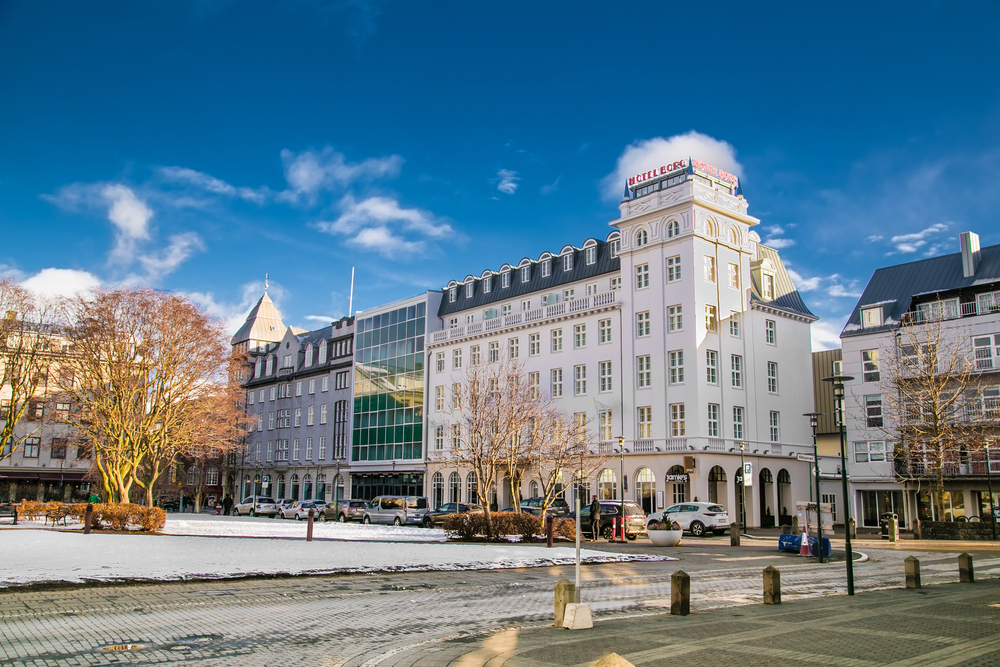
Do you need a rental car in Reykjavík?
You do not need a rental car for every Reykjavík stay. The city centre is compact, many restaurants, museums, shops, and waterfront sights are walkable, and parking can be unnecessary if your first plan is simply to recover from a flight and explore downtown.
A rental car starts to make sense when Reykjavík becomes the base for a wider trip. If you want to leave on your own schedule, stop at smaller sights between headline attractions, stay outside the city, or connect multiple regions in one itinerary, a car is usually the most flexible option.
As a simple rule:
- Skip the car at first if you are spending your first day or two only in central Reykjavík.
- Pick up the car at Keflavik Airport if you plan to drive immediately after arrival.
- Pick up in Reykjavík if you want to enjoy the capital first and start the road trip later.
- Choose the vehicle around your route, not around Reykjavík itself. City driving does not require a large vehicle, but your wider Iceland itinerary might.
For travellers planning a self-drive holiday beyond the capital, the choosing the right car for your Iceland road trip guide is a useful companion to this page.
Should you pick up your rental car at Keflavik Airport or in Reykjavík?
Most international travellers land at Keflavik International Airport (KEF), not at Reykjavík's small domestic airport. Keflavik is about 50 km from Reykjavík, and that distance matters when planning your first day.
Both Keflavik Airport pickup and Reykjavík city pickup can work well. The better choice depends on what you are doing immediately after arrival.
| Pick up at Keflavik Airport | Pick up in Reykjavík |
|---|---|
| Best if you are driving straight away | Best if you are staying in the capital first |
| Avoids arranging separate transport into Reykjavík before renting | Avoids paying for a car while it sits parked in the city |
| Convenient after international flights | Useful before starting a road trip later |
| Works well for late arrivals or early onward drives | Works well after domestic flights or city stays |
| About 50 km from Reykjavík | Already in the capital area |
Keflavik Airport is the practical choice for many visitors because it lets you start the driving part of the trip as soon as you arrive. Blue Car Rental offers key-box pickup at Keflavik, so you can complete check-in online before arrival and collect your keys from a secure box outside the terminal without queuing at a desk. For late-night or early-morning flights, this can be especially helpful. The Keflavik Airport pickup location page explains the current process.
Reykjavík city pickup suits travellers who are spending a night or two in the capital before heading further afield, or those arriving in Reykjavík by domestic flight. The Reykjavík location page has the current address, opening hours, and logistical details.
If you want to pick up at Keflavik and return in Reykjavík, or do the reverse, check whether a one-way fee applies. Delivery and collection options across locations are summarised on the deliveries overview page.
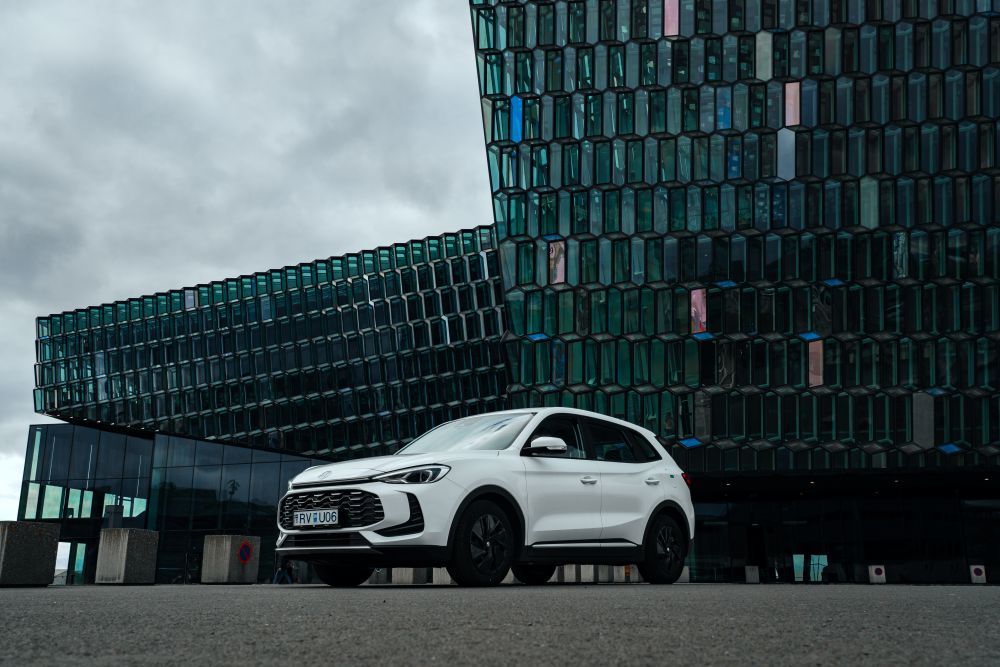
What type of car should you rent in Reykjavík?
For Reykjavík itself, a standard 2WD car is enough. The city's roads are paved, maintained year-round, and straightforward for most visitors. You do not need a 4x4 simply because you are picking up in Reykjavík or driving around the capital area.
The right vehicle depends on where you plan to drive after Reykjavík:
- Reykjavík and the capital area: A compact or standard 2WD car is usually sufficient.
- Golden Circle, South Coast, and Snæfellsnes Peninsula: A 2WD or compact 4x4 can work for these routes on Route 1 and other paved roads, depending on season and conditions.
- Highlands and F-roads: A proper 4x4 with high clearance is required. This includes F-roads such as F35 (Kjölur), F208 (Landmannalaugar), and F26 (Sprengisandur). Standard rental cars, including 2WD SUVs, are not permitted on F-roads. The F-roads guide explains vehicle requirements in more detail.
- Winter routes outside the capital: If your itinerary includes longer drives on the Ring Road or coastal routes in winter, a 4x4 can give you more margin in snow, wind, and icy conditions. Always check umferdin.is and vedur.is before longer journeys.
The full vehicle fleet shows available 2WD, 4x4, electric, and specialist categories, so you can match the car to your actual route instead of choosing something larger or smaller than you need.
How much does renting a car in Reykjavík cost?
The cost of a Reykjavík car rental depends on season, vehicle class, booking lead time, insurance package, extras, fuel, and how far you plan to drive. Summer is usually the highest-demand period. Shoulder months such as May and September can offer better value while still giving good driving conditions. Winter base rates can be lower, but vehicle choice and coverage may change the final total.
The main cost drivers are:
- Daily base rate: Compact 2WD cars are usually the entry point, while larger 4x4s, premium vehicles, and specialist categories cost more.
- Insurance package: Coverage choices can change the total price significantly. Lower upfront cover may leave you with a higher excess if damage occurs.
- Extras: Child seats, GPS, additional drivers, Wi-Fi or other add-ons increase the booking total.
- Fuel: Fuel is not included in the rental rate. Budget separately based on your route and mileage.
- One-way pickup or return: If you collect in one location and return in another, check whether an extra fee applies.
- Road tolls: Iceland has a small number of toll roads or tunnels. The road tolls page explains how toll payment works and what drivers should know.
For broader examples of Iceland car hire pricing, the prices in Iceland car hire guide gives useful context. If you are looking for legitimate ways to reduce the total, the finding coupon codes for Iceland car rental article explains what discounts may be available.
What insurance and coverage should you consider?
Insurance is worth deciding before you arrive, not while tired at the rental counter or rushing to leave the airport. Reykjavík city driving is generally straightforward, but rental car damage can happen in small urban ways, such as parking scrapes, kerb damage, doors, mirrors, or glass. Outside the city, gravel, wind, weather, and longer distances become more relevant.
The main point is to understand what is included in your booking, what excess applies, and what optional products reduce your financial responsibility if something happens.
Coverage types to understand include:
- CDW (Collision Damage Waiver): Reduces your liability for body damage to the vehicle.
- SAAP (Sand and Ash Protection): Relevant for travel in volcanic and wind-exposed areas.
- Gravel protection and windscreen cover: Worth considering on routes where loose stones or chips are more likely.
- Zero-excess or full-cover bundles: Useful if you want the simplest possible cost picture before you drive.
The insurance options page explains Blue Car Rental's current products, inclusions, and exclusions. The car rental insurance bundles guide is useful if you want to compare the options before booking.
For a wider look at charges travellers sometimes miss, read the hidden costs of renting a car in Iceland article before you confirm your rental.
What is driving in Reykjavík like?
Reykjavík is a small capital by European standards, and most visitors find city driving manageable. Traffic is usually calm outside weekday rush hours, which are roughly 08:00-09:00 and 16:00-18:00. The centre has one-way streets and paid parking zones, but the wider road system is not difficult once you settle in.
Practical points for first-time drivers:
- Roundabouts are common. Yield to traffic already in the roundabout.
- Speed limits are low. Residential streets may be 30 km/h, while larger city roads are often 50 km/h. Always follow posted signs.
- Headlights are required at all times, day and night, year-round.
- Right turns on red are not permitted unless a dedicated green arrow is showing.
- Fuel stations are easy to find in Reykjavík and the wider capital area. Cards are accepted at many pumps, including outside staffed hours.
If you are unfamiliar with Icelandic fuel stations, the guide to fuelling rental cars in Iceland explains how self-service pumps work.
How does parking in Reykjavík work?
Parking in Reykjavík is usually manageable once you understand the zone system. The city centre uses paid parking zones marked P1 through P4. P1 is the most central and typically the most expensive, while P4 covers areas farther from the centre and is usually cheaper.
| Zone | Location | Typical cost level | Typical use |
|---|---|---|---|
| P1 | City centre core | Highest | Short central stops |
| P2 | Central, slightly farther out | Moderate | Medium central stays |
| P3 | Outer central areas | Lower | Longer visits near the centre |
| P4 | Peripheral or residential areas | Lowest | Longer parking outside the core |
Rates, hours, and limits can change, so always check the signs where you park. Payment is usually available through the Parka app, pay-and-display machines, or SMS. The Parka app is often the easiest option for visitors because you can manage parking time from your phone.
Parking enforcement in central Reykjavík is active. If you overstay or park in a restricted place, the fine can be sent to the rental company and then charged to you, sometimes with an administration fee. The parking in Iceland guide goes deeper into zones, free parking options, and what to do if you receive a ticket.
Many Reykjavík hotels offer guest parking, though some charge for it. If your accommodation lists parking, confirm whether it is included, where it is located, and whether you need to reserve it.
Where can you drive from Reykjavík with a rental car?
One of the main reasons to rent a car in Reykjavík is that the capital is a natural starting point for self-drive routes around Iceland. You do not need to turn every trip into a long expedition. Some routes work as day trips, while others are better as multi-day journeys.
Popular options from Reykjavík include:
- Reykjanes Peninsula: A convenient route near Keflavik Airport and Reykjavík, often useful on arrival or departure days.
- Golden Circle: One of the most common self-drive day trips from Reykjavík, using paved roads to connect major sights.
- South Coast: Possible as a long day trip for some travellers, but often better with an overnight stop if you want more time.
- Snæfellsnes Peninsula: A strong self-drive route from Reykjavík, usually more comfortable as a full day or overnight trip.
- Ring Road: A multi-day Iceland itinerary that often begins and ends in Reykjavík or Keflavik.
- Highlands and F-roads: Seasonal routes that require an approved 4x4 and careful planning around road openings, weather, and river crossings.
This is where your vehicle choice matters most. A city car may be perfect for Reykjavík and paved day trips, but it is not the right tool for F-roads or winter routes in difficult conditions. For highland planning, use the F-roads guide and check live conditions before departure.

Picking up and returning your rental car
Pickup and return are simple if you know what to check. The key is to confirm the location, timing, fuel policy, and condition record before you drive away.
At pickup:
- Complete any online check-in steps before arrival if available.
- Confirm the pickup location, especially if you are choosing between Keflavik Airport and Reykjavík city.
- Adjust the seat and mirrors before leaving the car park.
- Set your first destination before pulling out.
- Save the rental company's contact details and roadside assistance number.
- Take clear photos of the vehicle, including panels, wheels, glass, and any existing marks.
At return:
- Fuel: Return the vehicle with the required fuel level stated in your rental agreement.
- Timing: Note the agreed return time and allow extra time before flights.
- Condition: Take photos again when you return the vehicle so you have a clear record.
- Location: Confirm whether you are returning to Reykjavík city or Keflavik Airport, and whether the office is staffed at that time.
If you are returning at or outside office hours, check the current process before the day of travel. Blue Car Rental lists current details on the opening hours page.
If you have an early flight from Keflavik, remember that the drive from Reykjavík to Keflavik takes roughly 45-50 minutes in normal conditions. In winter or during busy morning periods, allow more time.
The 5 things to do when you rent a car in Reykjavík article expands on the first practical steps after collecting the car.
Useful extras for a Reykjavík-based trip
Extras are most useful when they solve a real problem in your itinerary. Add-ons to consider include child seats, roadside assistance information, and connectivity options for navigation.
Child car seats: Iceland has child restraint requirements, and families should book the right seat category in advance. The child car seat rental page explains available categories and how to add one to a booking.
Roadside assistance: Blue Car Rental includes roadside assistance as standard. Before leaving the capital area, it is worth knowing who to contact and what information to provide if you need help. The roadside assistance page explains the process.
Wi-Fi or data: Navigation is easier with reliable data, especially once you leave Reykjavík. The guide to staying connected in Iceland covers practical options such as local SIM cards and portable Wi-Fi.
The full list of available add-ons is on the extras page.
Common mistakes to avoid
Most Reykjavík car rental mistakes are easy to avoid if you make the main decisions before arrival.
- Paying for a car before you need it. If your first days are only in central Reykjavík, city pickup later may be more practical than airport pickup on arrival.
- Underestimating the Keflavik to Reykjavík distance. The airport is about 50 km from the capital, so late-night arrivals and early departures need realistic timing.
- Booking the wrong vehicle for the route. A 2WD can be fine for the city and many paved routes, but it is not permitted on F-roads.
- Skipping the condition record. Take photos at pickup and return so you have a clear record of the vehicle's condition.
- Ignoring road and weather updates. Check umferdin.is and vedur.is, especially outside summer.
- Returning with the wrong fuel level. Refuelling charges are usually higher than pump prices, so fill up before return if required.
- Misreading Reykjavík parking zones. Check the signs, use the correct payment method, and make sure your paid time covers your stay.
 WEATHER IN ICELAND: WHAT TO EXPECT ON A SELF-DRIVE TRIP