
Picking the right car for Iceland isn't just about comfort , it determines where you can go, how safe you'll be in changing conditions, and how much you'll end up spending. This guide walks through the main vehicle types available for rent in Iceland, matches them to realistic travel scenarios, and covers the insurance and pickup questions that come up most before booking.
The short answer
The best car for Iceland depends on your route and season. A 2WD hatchback or small SUV covers the Ring Road and most popular sites in summer. If you're travelling in winter, heading into the Highlands, or driving F-roads, you legally need a 4x4 , and a high-clearance one at that. For families, groups, or EV-curious travellers, there are solid options in each category.
What actually determines which car you need
Two factors matter more than anything else: road type and season.
Iceland's road network divides roughly into paved roads (Route 1 / Ring Road, most tourist routes), gravel roads, and F-roads. F-roads are mountain tracks in the Highlands , they cross rivers, carry loose rock, and are only open in summer, typically from late June through early September, depending on conditions. Driving a non-4x4 on an F-road is illegal in Iceland, not just inadvisable.
Season shifts the equation further. Summer (June–August) gives you paved roads in reasonable condition and generally predictable driving. Winter (November–March) brings ice, snow, reduced visibility, and sudden closures on any road, including the Ring Road. A 4x4 doesn't make winter driving risk-free, but it gives you significantly more stability and control.
Check current road status at umferdin.is before every drive, and consult the Icelandic Met Office at vedur.is for weather forecasts.
City cars and compact 2wds: good for summer city-and-coast routes
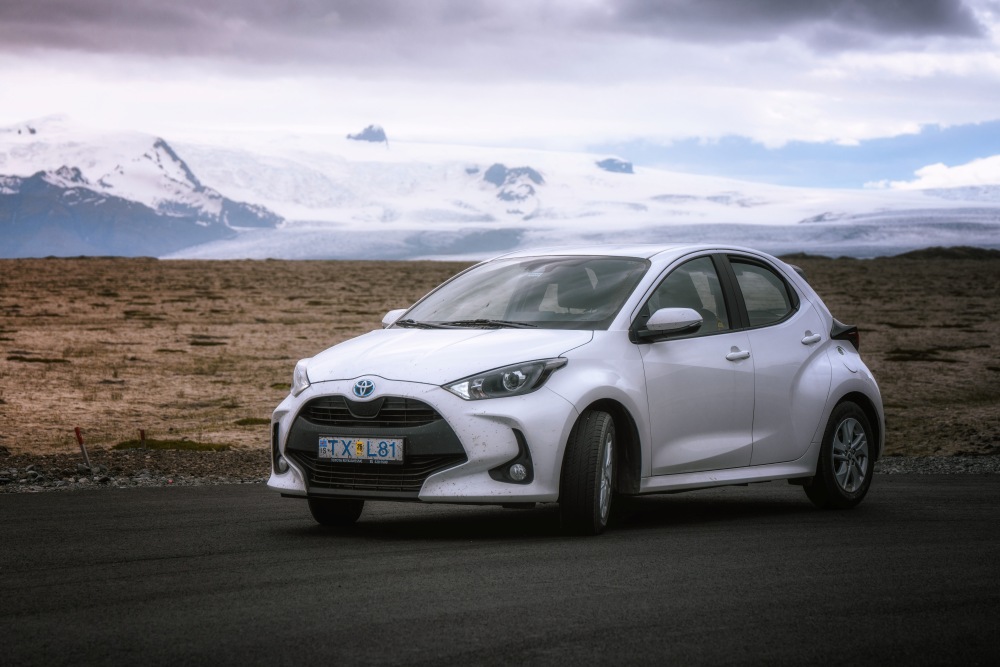
For travellers sticking to Reykjavik, the Golden Circle, and the South Coast in summer, a compact car is entirely practical. These vehicles handle paved roads well, are easy to park, and cost less to rent and fuel.
City cars work well for couples or solo travellers doing the popular summer circuit , Þingvellir, Geysir, Gullfoss, Seljalandsfoss, Skógafoss , who don't plan to venture onto gravel or unmarked tracks. If that matches your itinerary, you don't need to pay for a 4x4.
What they won't do: handle F-roads, cope confidently with snow and ice, or ford river crossings. If there's any chance your plans extend to the Highlands or late autumn travel, size up.
Mid-range 4x4s: the most versatile choice for most travellers
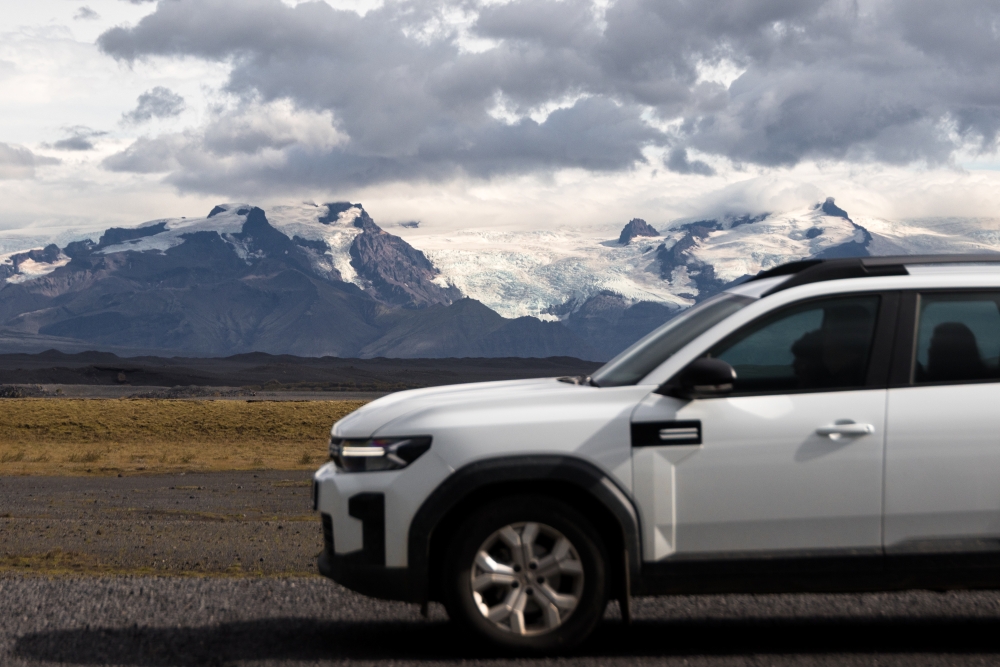
For the majority of Iceland road trips, a mid-size 4x4 or AWD SUV is the most practical vehicle. It handles the Ring Road in all seasons, copes with unpaved tourist roads, and gives you genuine capability if weather turns.
A few specific models worth knowing:
- Dacia Duster , a compact 4x4 that's economical and capable; good for couples or small groups wanting Highland access without a large vehicle
- Toyota RAV4 Automatic , a reliable automatic SUV that handles most Iceland conditions well; popular with travellers who want something familiar and comfortable
- Kia Sportage , comfortable for longer drives with good road presence; suits the Ring Road and South Coast routes easily
- Dacia Bigster , newer model with more interior space, worth considering for slightly longer trips with more luggage
For F-road access specifically, check whether the vehicle is rated for river crossings , not all 4x4s are, and this matters for routes like F208 (Landmannalaugar) and F35 (Kjölur). See the F-roads guide for what qualifications actually count.
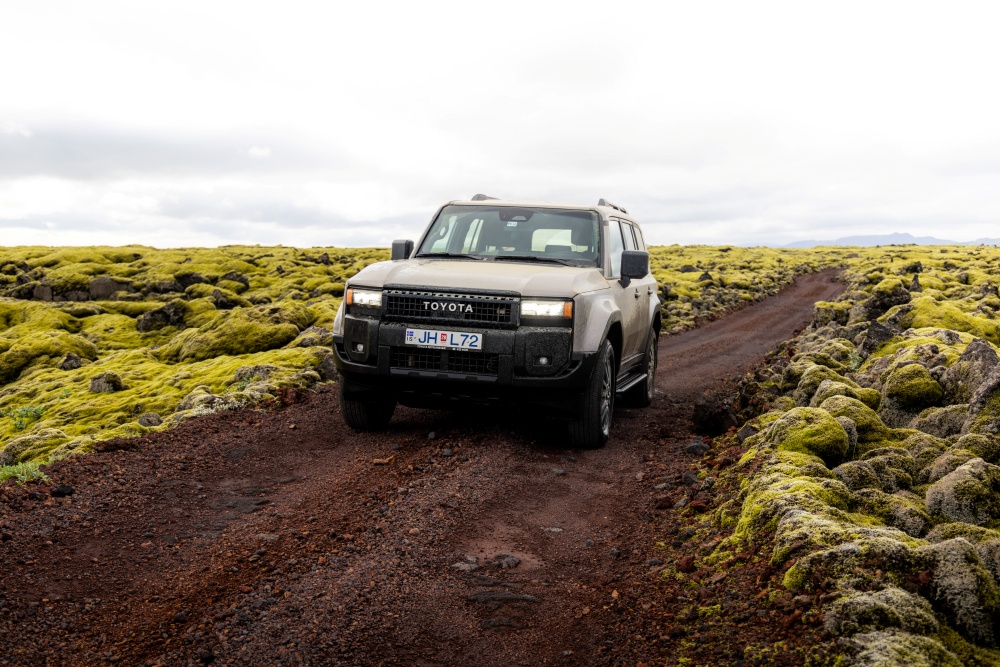
Large suvs and serious 4x4s: for the highlands and winter
If you're planning F-road driving, winter travel in challenging conditions, or routes that involve river crossings, step up to a vehicle built for it.
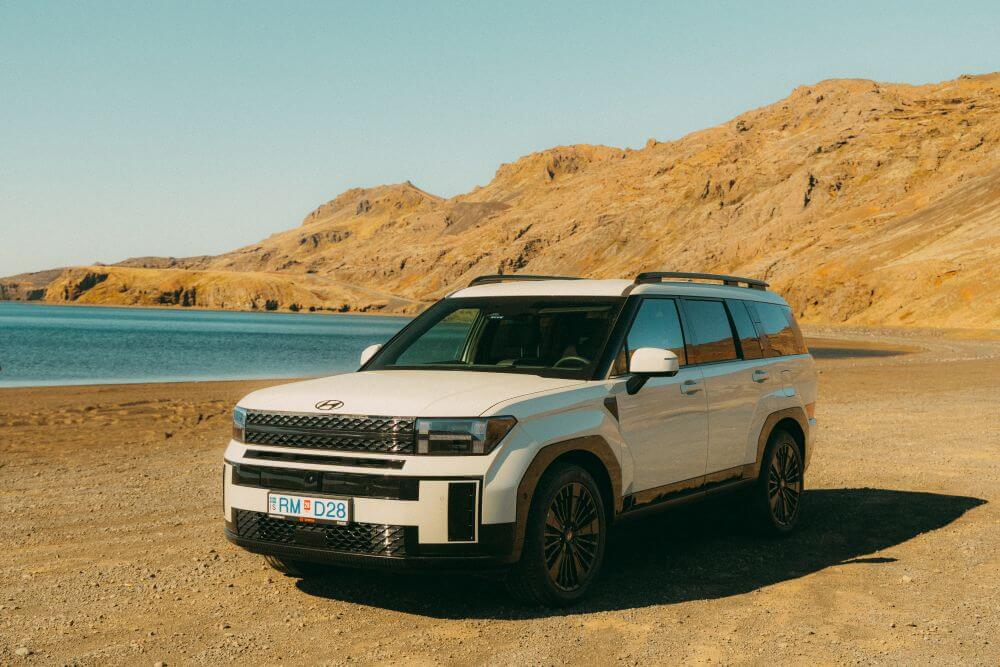
- Hyundai Santa Fe , spacious and capable; good for families doing the Ring Road in shoulder season
- Land Rover Defender , genuine off-road capability for demanding Highland routes
- Toyota Land Cruiser , trusted workhorse for Iceland's roughest terrain; a common choice for deep-Highlands itineraries
- Jeep Wrangler Rubicon , high clearance, capable river crossing vehicle; suited to experienced drivers on technical F-roads
For an overview of when a 4x4 is genuinely necessary vs. when a smaller car is fine, that comparison breaks it down by route and season in more detail.
Electric vehicles: practical on the ring road, limited elsewhere
Iceland's EV infrastructure has grown considerably, and an electric car is a viable option for the Ring Road and Reykjavik-based trips in summer. Charging stations exist along Route 1, but gaps remain , particularly in the Westfjords and some northern stretches.
EVs are not suitable for F-roads. Rough terrain, river crossings, and the absence of charging in the Highlands make them impractical there. But for a south-coast and city itinerary with careful charging planning, they work well and run quietly.
Blue Car Rental's electric vehicle options and EV information page have more on range, charging networks, and which routes are well-served.
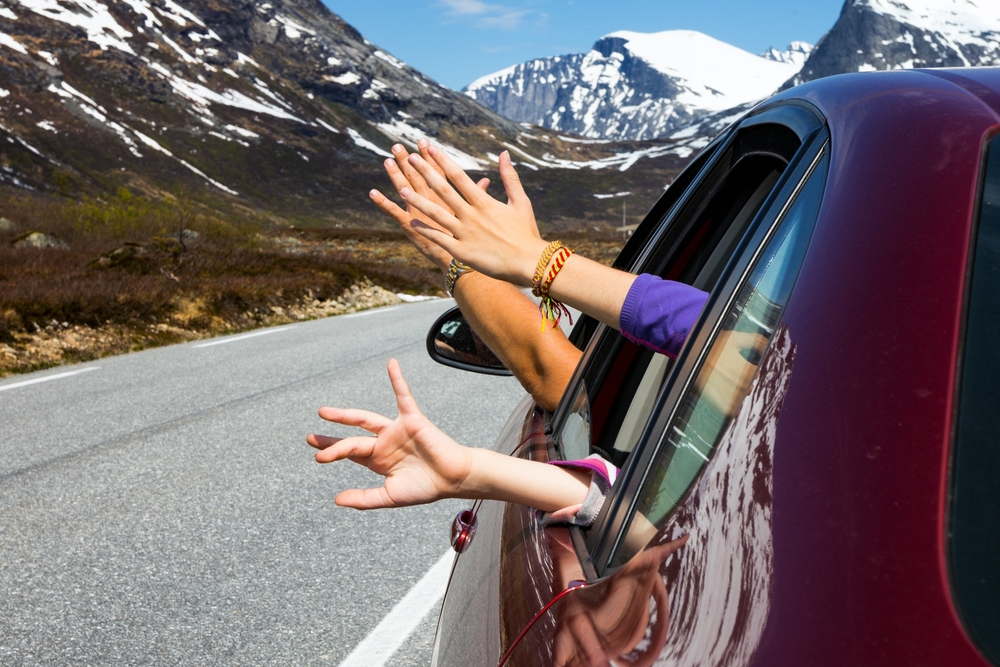
Family and group travel: size matters more than you think
Travelling with children or in a group of five or more? Interior space and luggage capacity become real considerations , Iceland's roads mean longer daily drives than travellers sometimes anticipate.
Passenger vans accommodate larger groups and can carry gear for camping or multi-day Highland routes. For families specifically, check whether child seats are needed , Blue Car Rental offers child car seat rental as an add-on.
Insurance: the decision that matters as much as the vehicle
Whatever car you choose, Iceland's conditions make insurance worth understanding before you collect the keys. The basic rental includes third-party liability, but gravel damage, sand and ash damage, and windscreen damage are not covered by standard policies , and in Iceland, all of these are genuinely common.
Super Damage Waiver (SAAP), gravel protection, and windscreen cover are the policies most travellers should consider. For a clear breakdown, the car rental insurance guide explains what each policy covers and when it actually applies.
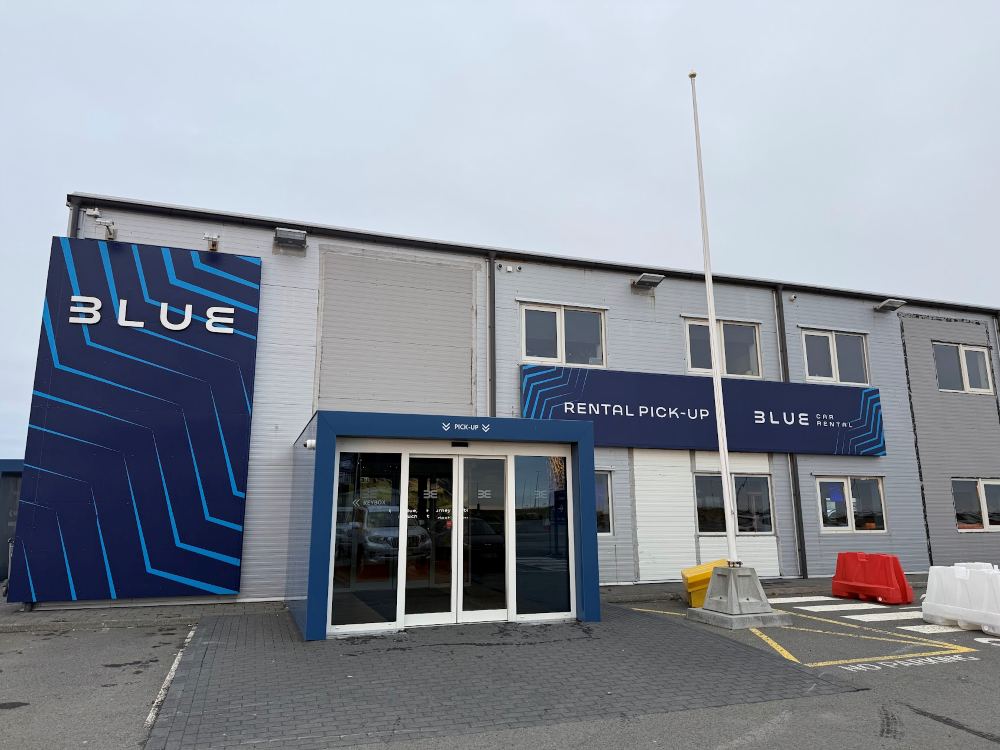
Airport pickup: how it works at keflavik
Most travellers land at Keflavik International Airport (KEF). Blue Car Rental offers online check-in before you travel, with key-box pickup at the airport , meaning you can collect your vehicle without waiting for a desk to open, which matters on early-morning or late-night arrivals. Full details on the process are in the airport car rental and pickup guide.
A practical comparison by route and season
| Route / scenario | Recommended vehicle type | 4x4 required? |
| --- | --- | --- |
| Reykjavik + Golden Circle, summer | City car or compact 2WD | No |
| Full Ring Road, summer | Mid-size SUV / AWD | Recommended |
| Full Ring Road, winter | 4x4 SUV | Yes |
| South Coast + South Highlands, summer | Mid-size 4x4 | Yes (Highlands) |
| F-roads (F35 Kjölur, F208), summer | Large 4x4 with river-crossing clearance | Yes (legally) |
| Westfjords, summer | 4x4 | Strongly recommended |
| Reykjavik area only, EV | Electric vehicle | No |
| Group travel (6+) | Passenger van / large SUV | Depends on route |
A few mistakes worth avoiding
- Underestimating gravel road damage. Many roads leading to popular sites (including some South Coast waterfalls) are unpaved. Flying stones cause windscreen chips regularly.
- Assuming AWD equals F-road legal. AWD and 4WD are not the same thing in the rental context, and the key factor for F-roads is ground clearance plus specific 4x4 capability , confirm this with your rental company.
- Booking the smallest car available without checking your route. A cheap compact saves money on paper; if it can't go where you planned, or if you're cramped across 3,000 km, it costs you differently.
- Skipping roadside assistance. Iceland's remote stretches are genuinely remote. Roadside assistance cover is worth adding regardless of vehicle type.
 WEATHER IN ICELAND: WHAT TO EXPECT ON A SELF-DRIVE TRIP