
Volcanic activity on the Reykjanes Peninsula has made headlines regularly since 2021, and it's a fair question for anyone booking a trip: will an eruption affect my flights, my rental car, or my safety? The short version is that, in almost every case so far, the answer has been no, but the details depend on where the activity is happening and how current the information is when you check it.
This guide explains what typically happens during a Reykjanes eruption, what stays open, what gets closed, and where to check real-time status before and during your trip.
Short answer
Yes, Iceland has remained safe to visit throughout its recent volcanic activity, including the eruptions near Grindavík and the Reykjanes Peninsula since 2021. Flights in and out of Keflavík International Airport have not been disrupted by these eruptions, and only the roads closest to an active site are closed while it's happening. The rest of the country, including Reykjavík, the Ring Road, and the vast majority of self-drive routes, operates normally. The one condition that matters: always check current status before you drive toward the Reykjanes Peninsula, since closures are localized and can change with little notice.
What's happening with Iceland's volcanoes
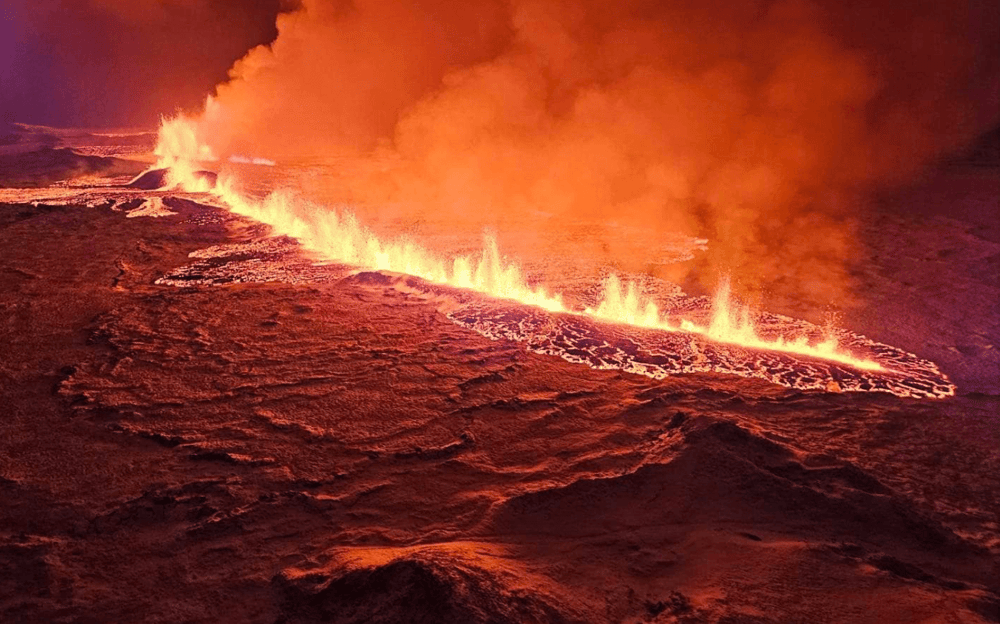
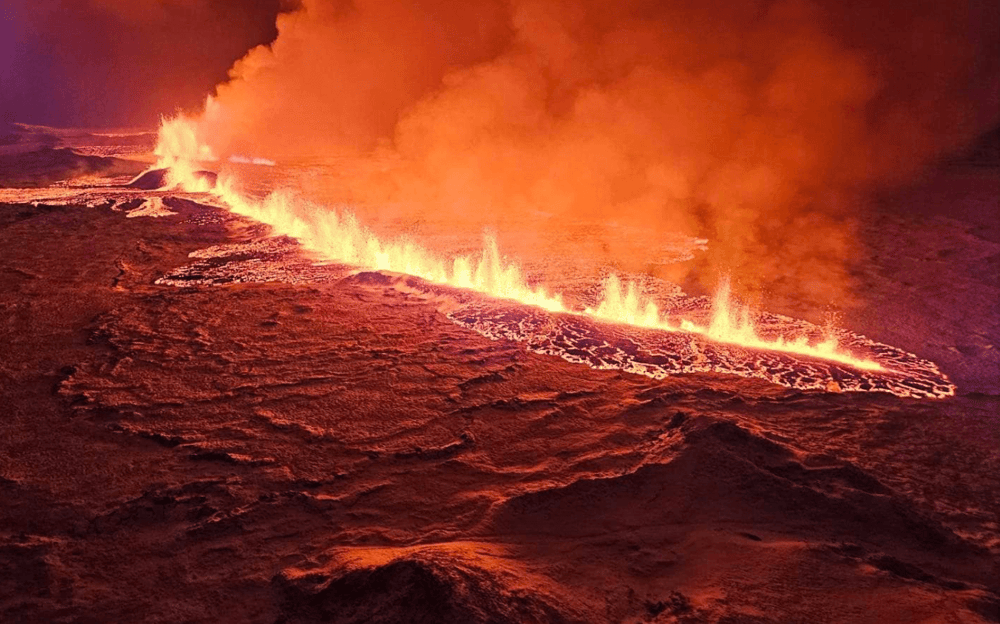
Iceland sits on the Mid-Atlantic Ridge, so some level of seismic and volcanic activity is normal and constant, most of it never affects a single traveller. Since late 2021, a series of fissure eruptions has occurred on the Reykjanes Peninsula, starting at Fagradalsfjall, followed by eruptions at Meradalir and Litli-Hrútur, and later a sequence of eruptions near the town of Grindavík and the Sundhnúkagígar crater row, close to the Svartsengi geothermal area and the Blue Lagoon.
These are effusive fissure eruptions, lava flowing from a crack in the ground, rather than explosive, ash-producing eruptions. That distinction matters enormously for travellers, because it's the type of eruption, not just its existence, that determines whether it affects flights, roads, or daily life elsewhere in the country.
Because activity in this area has continued on and off for several years, the situation at any given moment can differ from what it was a few months earlier. The practical approach is not to rely on news headlines from when an eruption first started, but to check current, dated information before you travel and again once you're in Iceland.
Does volcanic activity affect flights to Iceland?
No, the Reykjanes eruptions since 2021 have not disrupted flights to or from Iceland. Keflavík International Airport has continued operating normally throughout this activity, including during active eruptions near Grindavík. This is because fissure eruptions on Reykjanes produce lava flow, not the large ash plumes that ground aircraft.
The exception travellers sometimes recall is the 2010 Eyjafjallajökull eruption, which is a different kind of event entirely, an explosive eruption under a glacier, which produced a large ash cloud that grounded flights across parts of Europe for several days. That eruption is still the reference point many people have in mind, but it's not representative of the fissure eruptions that have been occurring more recently on Reykjanes. If a genuinely ash-heavy eruption were to occur, monitor advisories via Isavia (kefairport.is) or your airline directly, and Icelandic and European aviation authorities monitor this closely.
Are roads closed because of volcanic activity?
Only the roads closest to an active eruption site are typically closed, not the country's main road network. During the Grindavík-area eruptions, closures have generally applied to the town of Grindavík itself and the direct road toward it, along with the route to the Blue Lagoon when it falls within the affected zone. The main road connecting Reykjavík and Keflavík Airport (Route 41, Reykjanesbraut) has generally remained open, as has the Ring Road and the rest of the country's route network.
If you're planning a self-drive trip, this means the vast majority of your itinerary, Reykjavík, the South Coast, the Golden Circle, the Ring Road around the island, is unaffected by activity confined to a small section of the Reykjanes Peninsula. The specific closures do change as an eruption evolves, so it's worth checking road status directly rather than assuming a closure from a previous eruption still applies.
- Vegagerðin / road status: umferdin.is shows live road closures and conditions.
- Safety and civil protection updates: safetravel.is publishes official advisories from Icelandic authorities.
- Volcanic and seismic monitoring: vedur.is, the Icelandic Meteorological Office, tracks earthquake activity, eruption status, and gas pollution forecasts.
If you're driving yourself and a route you'd planned turns out to be closed, this is also where roadside assistance and simply having a flexible route in mind help, something worth factoring in when you're deciding on a rental car for a winter trip or any season where road conditions can shift.
Can you visit an active eruption site?
Generally no, during an active eruption, the Icelandic police and civil protection authorities close off the immediate area for safety, and this is strictly enforced. Once an eruption slows or authorities reassess the risk, some sites have historically been reopened for supervised or self-guided viewing from a safe distance, as happened with the earlier Fagradalsfjall and Litli-Hrútur eruptions.
Whether a specific site is open for viewing at any given time depends entirely on current conditions, gas levels, lava flow direction, and seismic activity all factor into that decision. Don't plan a trip around visiting an eruption; treat it as a possible bonus if conditions and access allow, and check safetravel.is or local guided-tour operators for the current status rather than assuming access based on older articles or photos.
How recent Iceland eruptions compare
| Eruption | Type | Effect on flights | Effect on roads | Public access |
|---|---|---|---|---|
| Eyjafjallajökull, 2010 | Explosive, ash-producing | Major disruption across parts of Europe | Localized closures near the glacier | Restricted during activity |
| Fagradalsfjall, 2021 | Effusive fissure eruption | None | Localized to the immediate site | Opened to visitors once stable |
| Meradalir / Litli-Hrútur, 2022–2023 | Effusive fissure eruption | None | Localized hiking trail closures | Opened to visitors once stable |
| Grindavík / Sundhnúkagígar, since Dec 2023 | Effusive fissure eruption | None reported | Grindavík and adjacent roads closed during active phases | Closed during active phases; status changes with each event |
This pattern is why the general advice for travellers has stayed consistent: fissure eruptions on Reykjanes affect a small, well-defined area, not the country as a whole.
Is Iceland safe overall?
Yes, outside the specific, localized effects of an active eruption, Iceland is considered a safe destination for travellers, and volcanic activity has not changed that overall picture. Iceland is regularly ranked among the safer countries globally for low crime rates and stable infrastructure. The main practical risks for visitors are environmental and weather-related rather than volcanic: strong winds, sudden weather changes, and winter road conditions are far more likely to affect a trip than an eruption.
One question that comes up: Iceland does not experience tornadoes in any meaningful sense. Its weather hazards are strong, sustained winds and rapid storms rather than tornadic activity, which is a very different profile from, say, parts of the central United States. If you're driving yourself, the more relevant planning point is understanding how wind and winter conditions affect driving, covered in more depth in the guide to driving in Iceland in winter.
Mistakes to avoid when planning around volcanic activity
Don't cancel a trip based on outdated headlines. News coverage of an eruption's start often gets more attention than its resolution, so a search can turn up alarming articles from months or years earlier that no longer reflect current conditions. Cross-check the date on anything you read.
Don't assume a closure applies to the whole Reykjanes Peninsula. Closures during recent eruptions have been narrow, usually Grindavík and its access roads, not the peninsula as a whole, and not the road to the airport.
Don't skip checking sources on the morning of a Reykjanes-area drive. If your itinerary includes the Blue Lagoon, Grindavík, or any Reykjanes hiking trail, a quick check of umferdin.is and safetravel.is before you leave takes a few minutes and reflects same-day status.
Don't rely solely on a single news source. Icelandic authorities (Vegagerðin for roads, the Icelandic Meteorological Office for volcanic and seismic data, and civil protection for safety advisories) are the primary, most current sources, international news often lags or dramatizes.
Planning a self-drive trip with current conditions in mind
If your route includes Reykjavík, the South Coast, or a Ring Road loop, recent Reykjanes activity has, in practice, had no bearing on those drives. If your plans specifically include the Reykjanes Peninsula, the Blue Lagoon, or Grindavík, build in flexibility and check status the same day you drive.
Picking up your car with online check-in at Keflavík Airport means you're not depending on staffed desk hours if your flight schedule shifts, and the optional Roadside Assistance Waiver is worth considering if you want cover for the rare event a route needs to be adjusted at short notice. For general orientation on driving into and around Reykjavík, the Reykjavík parking guide and the natural wonders section of the blog are good starting points, and the FAQ page covers broader rental questions that come up around trip planning.
 CAN YOU DRINK TAP WATER IN ICELAND?