
March sits right at the edge of Icelandic winter and the first signs of spring, which makes it one of the more flexible months to plan a self-drive trip. This guide covers what the weather and daylight are actually like, which activities make sense that month, what a March road trip looks like behind the wheel, and what to pack.
Short answer: March is a good time to visit Iceland if you don't mind winter conditions on the roads. Daylight stretches past 10 hours by the end of the month, the Northern Lights are still visible on clear nights, ice caves and glacier tours are often still running, and crowds and prices tend to be lower than in summer. The trade-off is that snow, ice, and wind are still part of daily driving, so route planning and vehicle choice matter more than they would in July.
Is March a good time to visit Iceland?
Yes, with the understanding that it's a shoulder-season month, not a summer month. Icelanders themselves treat March as the tail end of winter, daylight and temperatures are improving week by week, but snow and ice on the roads are still normal, especially outside Reykjavik and in the north and east.
The upside is real: fewer tour buses at the main South Coast stops, generally more availability for accommodation and rental cars, and a Northern Lights season that's still fully active. If your priority is warm weather and long summer light for hiking the Highlands, June through August suits better. If you're comfortable with winter driving and want a quieter version of Iceland's classic sights, March works well.
What the weather and daylight are like in March
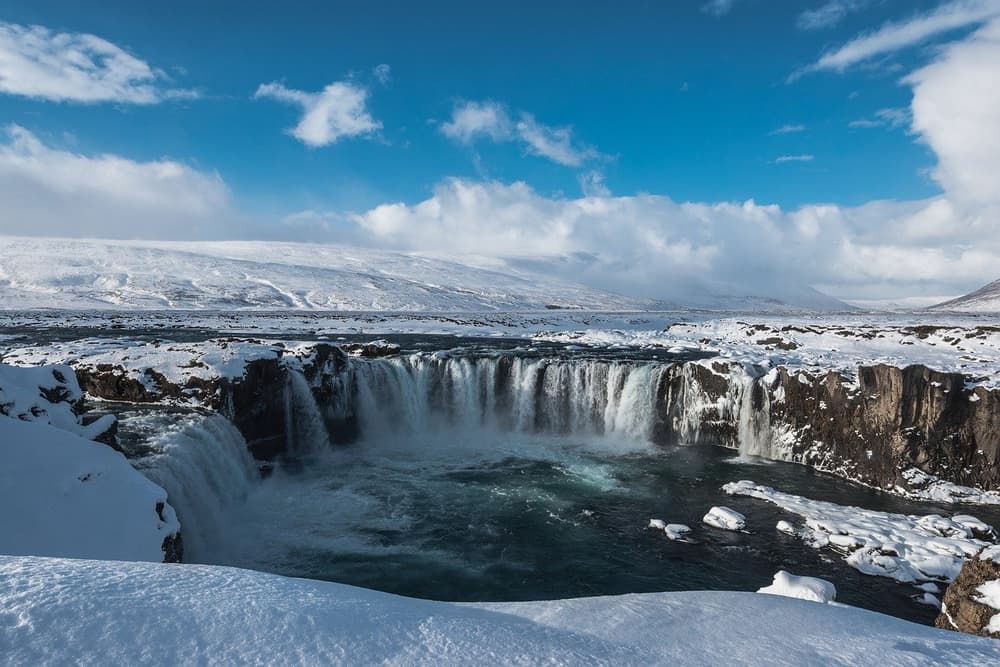
Expect a mix of snow, rain, sleet, and wind, often within the same day, with temperatures typically hovering close to freezing along the coast and colder inland. Daylight improves quickly through the month, by late March, days reach over 10 hours of daylight, up noticeably from the depths of winter.
Wind is usually the bigger factor than cold. Icelandic weather in March can shift fast, and a clear morning on the South Coast can turn into sideways sleet by afternoon. Before heading out each day, check Vedur for the forecast and Umferdin or umferdin.is for road conditions, both are the same sources locals rely on.
What to do in Iceland in March
March offers a mix of winter-specific activities (Northern Lights, ice caves) and things that work year-round but feel quieter in this month (museums, geothermal pools, self-drive sightseeing). Here's what makes sense to build a trip around.
Hunt for the Northern Lights
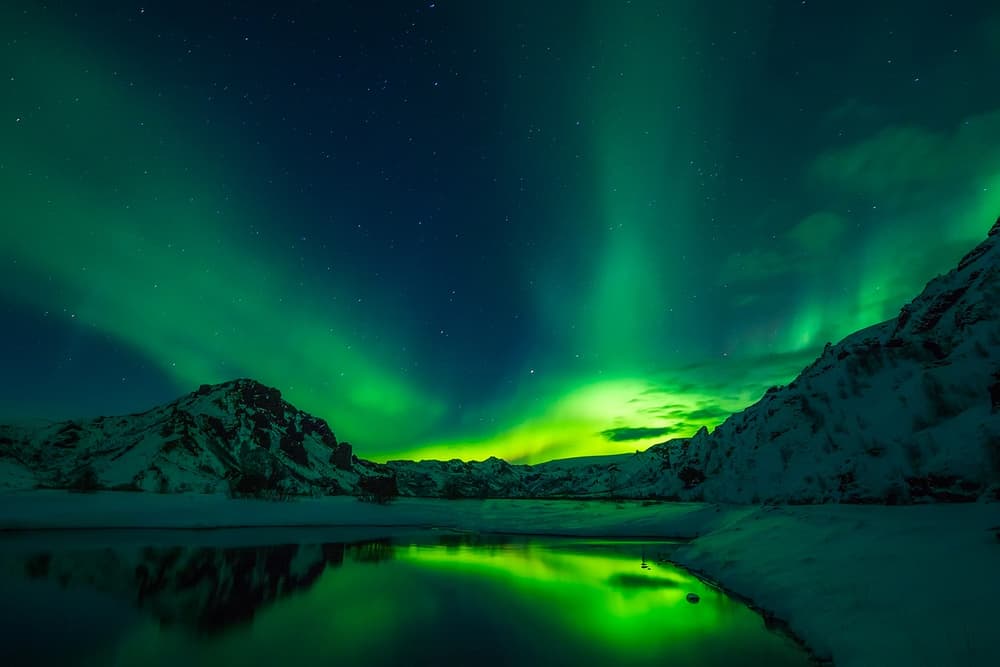
March is still solidly within aurora season, and longer dark hours earlier in the month combined with statistically higher solar activity around the equinox make it a solid time to try. Check the Northern Lights forecast on the Icelandic Met Office site and head away from Reykjavik's light pollution on a clear, low-wind night, a short drive along the Reykjanes peninsula or out past Þingvellir often does the trick.
Explore Reykjavik's museums and galleries
Reykjavik's art and history museums make an easy, weather-proof half-day when conditions outside aren't cooperating. The Reykjavik Art Museum runs rotating exhibitions through the year, and it's worth checking their current program before you go, alongside places like the National Museum of Iceland and the Saga Museum. This is also a good excuse to try one of the city's many ice cream shops, eating ice cream in a March snowstorm is a genuinely Icelandic habit, not just a tourist stunt.
Drive the Golden Circle or South Coast
Both routes are drivable in March in normal winter conditions, and both are noticeably quieter than in summer. Þingvellir, Geysir, and Gullfoss along the Golden Circle, or Seljalandsfoss, Skógafoss, and the black sand beach at Reynisfjara along the South Coast, are all realistic day-trip options from Reykjavik, provided you build in extra time and check conditions before setting out.
Visit an ice cave or glacier
Natural ice caves in Vatnajökull are typically accessible into March, though exact dates depend on that season's ice and weather and should always be confirmed with a licensed tour operator before booking, since caves are only safe to enter with a guide. Glacier walks and snowmobile tours on Sólheimajökull or Langjökull generally continue to run in March as well.
Soak in a geothermal pool
Geothermal pools and lagoons operate year-round, and a snowy or windy day is arguably the best time to enjoy one, sitting in 38-40°C water with snow falling around you is one of the more memorable parts of an Icelandic winter trip. Options range from well-known lagoons to smaller local swimming pools in towns along your route.
Watch for whales
Whale watching tours run from Reykjavik and Húsavík through the winter and into March, weather permitting. Sightings and conditions vary by day, so it's worth checking with the tour operator directly rather than assuming a fixed schedule.
March activities at a glance
| Activity | Where | Notes for March |
|---|---|---|
| Northern Lights | Reykjanes, countryside near Reykjavik | Still active season; needs clear, dark skies |
| Reykjavik museums | Reykjavik | Weather-proof option; check current exhibitions |
| Golden Circle drive | Þingvellir, Geysir, Gullfoss | Drivable with winter driving care |
| South Coast drive | Seljalandsfoss, Skógafoss, Reynisfjara | Same as above; allow extra time |
| Ice caves | Vatnajökull | Access varies by season; guided only |
| Glacier tours | Sólheimajökull, Langjökull | Usually running; confirm with operator |
| Geothermal pools | Nationwide | Open year-round, good in cold weather |
| Whale watching | Reykjavik, Húsavík | Weather-dependent, confirm with operator |
Driving in Iceland in March
March driving means winter driving. Snow, ice, and sudden gusts of wind are all still normal on Icelandic roads this month, even as daylight improves and southern coastal roads start clearing more often between storms. This is the single biggest planning factor for a March trip, more than any individual attraction.
A 4x4 isn't legally required for the Ring Road or South Coast in the way it is for F-roads, but many self-drive visitors choose one in March specifically because of variable snow and ice conditions, our guide on whether you need a 4x4 in Iceland walks through the actual decision factors. Highland F-roads themselves remain closed in March; they typically open in June and are covered separately in our F-roads guide.
Before booking, it's worth reading through our winter driving guide for specifics on studded tyres, black ice, and how to handle sudden weather changes. Wherever you're heading each day, check umferdin.is and safetravel.is for closures and warnings before you set off, conditions can change within hours in March.
What to pack for Iceland in March
Pack as though it's still winter, because it is. Layered clothing, a proper waterproof and windproof outer shell, insulated boots, gloves, and a hat matter more than any single "warm" jacket. Our guide to dressing for winter in Iceland covers the layering system in detail, it applies fully to March, even with the extra daylight.
Mistakes to avoid when visiting Iceland in March
The most common mistake is treating March like a mild spring month based on the improving daylight and underestimating road conditions. Assuming a rental sedan is fine everywhere, skipping the umferdin.is check before a South Coast drive, or planning a tight day trip with no buffer for weather delays are the mistakes that most often derail a March itinerary.
It's also easy to overbook, trying to fit the Golden Circle, an ice cave tour, and a Northern Lights hunt into one day leaves no room for weather to cooperate. Building slack into the schedule, and choosing a vehicle and insurance cover suited to winter roads, solves most of this before it becomes a problem. Blue Car Rental's online check-in and key-box pickup (for customers who add the Liability Waiver and complete online check-in) at Keflavik Airport also help if your flight or plans shift, since you're not tied to a fixed counter queue on arrival.
Where does parking fit into a March visit?
Reykjavik's paid parking zones apply year-round, including March, so it's worth understanding the system before you park downtown for a museum visit or dinner. Our Reykjavik parking guide breaks down the zones and payment methods so you're not guessing at a meter in the cold.
 PARKING IN REYKJAVÍK: ZONES, PAYMENT, AND WHERE TO LEAVE YOUR CAR