
If you're planning a trip or wondering what time it is in Iceland right now, understanding the local time system is essential. The time of Iceland is simple in terms of time zones but unique when it comes to daylight hours. Here’s everything you need to know about Iceland’s time zone, daylight changes, and how to plan your trip accordingly.
Iceland Time Zone Explained
Does Iceland Change Time?
The time of Iceland follows Greenwich Mean Time (GMT) all year. Unlike many countries, Iceland does not observe daylight saving time, meaning the clock stays the same in both winter and summer.
What This Means for Travelers
- Iceland stays on GMT year-round without seasonal clock changes.
- The time in Iceland is stable and predictable when planning trips.
- Time differences with other countries change depending on their daylight saving adjustments.
For example, during winter, Iceland is aligned with London. However, in summer, many European countries shift forward, making Iceland appear one hour behind even though its time never changes.
Current Time in Iceland vs Other Countries
When checking the current time in Iceland, it’s helpful to compare it with your home country:
- USA (New York): Iceland is typically 4–5 hours ahead
- UK: Same time in winter, 1 hour behind in summer
- Central Europe: Usually 1–2 hours behind
This difference is important when booking flights, tours, or coordinating travel plans.
How Daylight Affects Time in Iceland
Although the time of Iceland stays constant, daylight hours change dramatically throughout the year. This has a bigger impact on your travel experience than the clock itself.
Summer: Midnight Sun
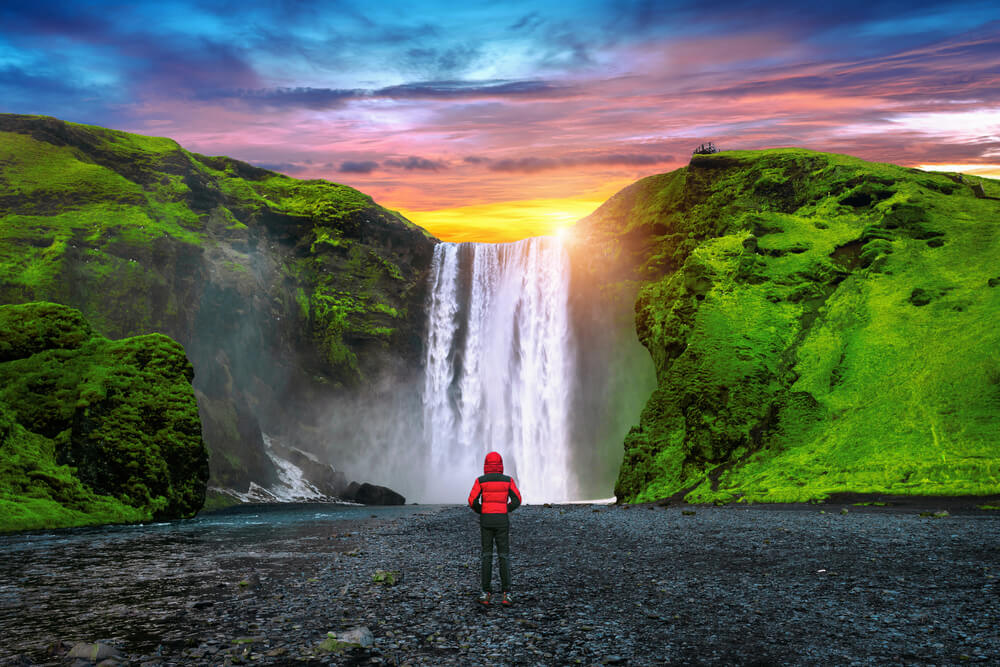
From late May to late July, Iceland experiences nearly 24 hours of daylight thanks to the Midnight Sun. Even late at night, it remains bright outside.
Summer Travel Tips
- Bring a sleep mask to help adjust to constant daylight.
- Plan flexible itineraries with late evening activities.
- Take advantage of long driving days when exploring Iceland.
This extended daylight gives travelers more time to explore waterfalls, glaciers, and scenic routes without worrying about darkness.
Winter: Limited Daylight
From November to January, daylight hours are very short. In December, the sun may only appear for 3–4 hours.
Winter Travel Tips
- Plan outdoor activities during daylight hours.
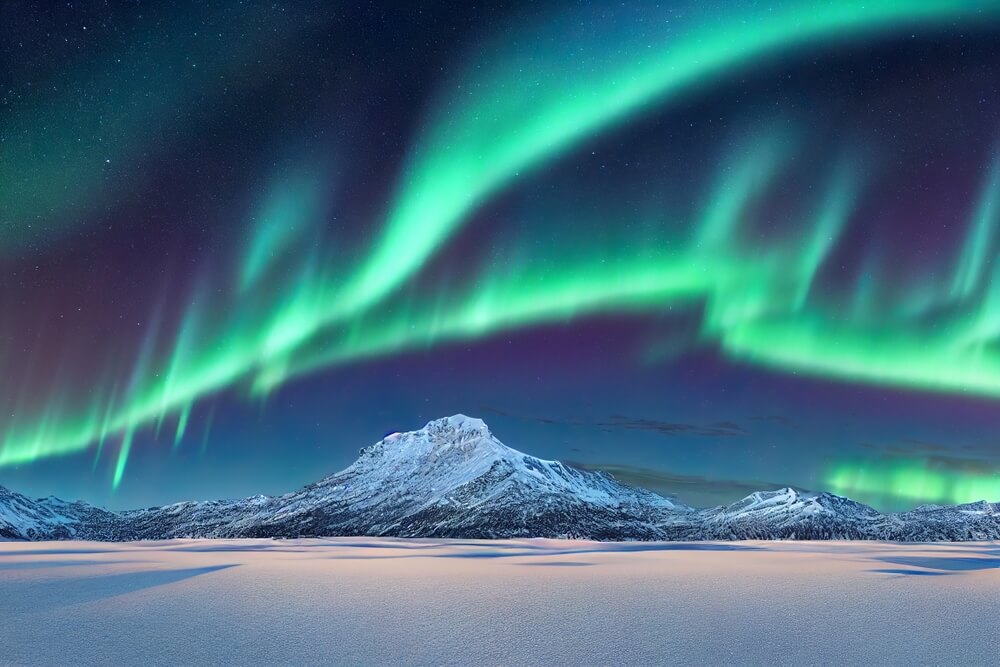
- Use evenings for Northern Lights tours.
- Check sunrise and sunset times daily.
Winter is also the best time to experience the Northern Lights, thanks to long, dark nights.
How to Check the Time in Iceland

Best Tools for Accurate Time
If you need the exact current time in Iceland, there are several easy ways to check:
- Add Reykjavik to your phone’s world clock.
- Use reliable websites like time.is.
- Ask voice assistants like Google or Siri for real-time updates.
Always double-check time differences when planning calls or bookings, especially when your home country observes daylight saving time.
Planning Around Time in Iceland

Adjust Your Schedule to Daylight
The most important factor when traveling is not the clock, but how daylight impacts your daily plans.
Seasonal Planning Tips
- Summer travel: Enjoy long days and flexible schedules.
- Winter travel: Focus activities during daylight hours.
Iceland’s Relaxed Time Culture
Daily life in Iceland often follows a relaxed rhythm, especially outside peak tourist seasons. However, tours and transport services still operate on strict schedules.
Practical Tips
- Arrive early for tours and airport transfers.
- Check opening hours, as they vary by season.
- Be flexible with plans due to weather and daylight conditions.
Why Understanding the Time of Iceland Matters
Knowing the time of Iceland helps you avoid confusion when booking tours, catching flights, or planning your itinerary. While the time zone itself is simple, the extreme daylight variations make Iceland a unique destination.
Whether you're visiting during the bright summer nights or the dark winter days, understanding Iceland’s time system ensures a smoother and more enjoyable travel experience.
Tip: Plan your trip based on daylight rather than just the clock. This will help you make the most of your time in Iceland.
 HOW MANY DAYS IN ICELAND IS ENOUGH? PLAN THE PERFECT TRIP LENGTH