
Driving in Iceland offers freedom and epic views — but road conditions vary wildly. Whether or not you need a 4x4 vehicle depends on:
- The season you're visiting
- The regions you plan to explore
- Your comfort level driving on gravel, snow, or mountainous terrain
This guide helps you decide what type of car suits your Iceland itinerary best and shares practical
Understanding the Need for a 4x4 in Iceland
There are several scenarios where a 4WD vehicle is not just helpful — it's necessary.
1. Winter Driving (October--April)
If you're visiting between late fall and early spring, a 4x4 is highly recommended for
2. Exploring Beyond Reykjavík or the Golden Circle
Venturing to:
- South Coast waterfalls
- Glacier lagoons
- Eastfjords or North Iceland
A 4WD gives you better control and reliability on long, often rural routes.
3. Planning to Drive Iceland's F-Roads
These are mountain or highland roads marked with an "F" (e.g., F26, F35 ).
When You May Not Need a 4x4 in Iceland
A regular 2WD or compact car may be enough if:
- You're staying in Reykjavík and taking tours
- You're visiting in summer (June--August) and sticking to paved roads
- Your itinerary includes just the Golden Circle or South Coast in ideal weather
But even then, a 4x4 provides peace of mind when the weather turns or road conditions deteriorate.
4x4 vs. 2WD – What’s the Real Difference?
|
Feature |
4x4 / AWD Vehicle |
2WD Vehicle |
|
Traction |
Excellent on snow, ice, gravel |
Limited to paved, dry roads |
|
Road Access |
Can use F-roads (in summer) |
Forbidden on F-roads |
|
Ride Comfort |
Better suspension on rough roads |
Smooth on paved roads only |
|
Winter Capability |
Strong performance in slippery conditions |
Prone to slipping or getting stuck |
|
Fuel Efficiency |
Slightly lower |
Higher (but not by much) |
What Are Iceland's F-Roads, and Why Do They Matter?
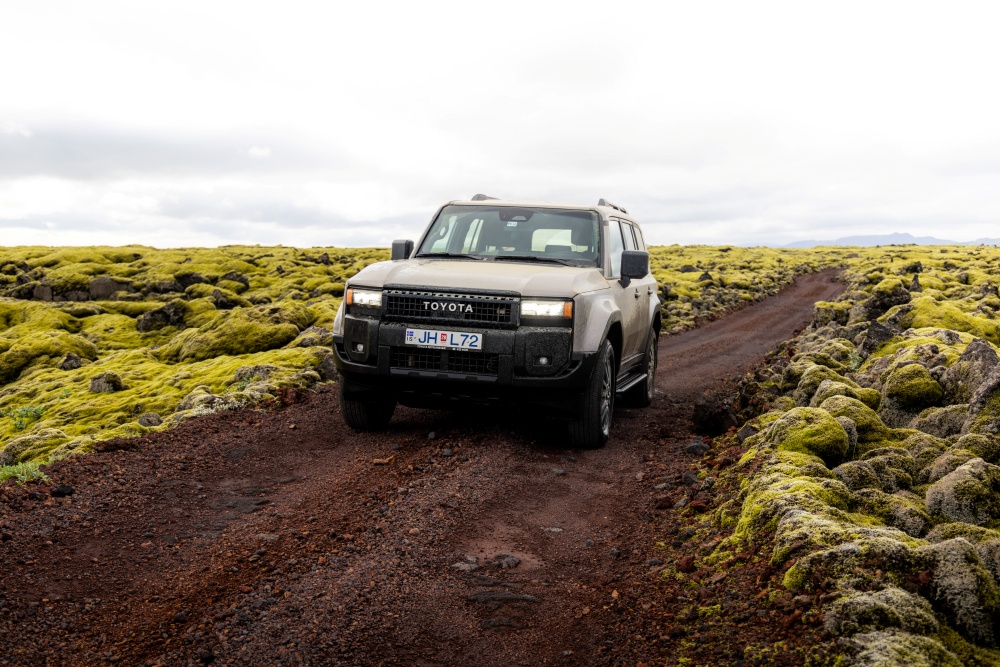
F-roads are gravel mountain routes that cut through Iceland's rugged interior. They lead to remote spots like Landmannalaugar , Askja , or Þórsmörk.
Key F-road facts:
- Only open from late June to early September
- Require a 4x4 -- no exceptions
- Lack road markings or regular maintenance
- Streams or rivers may need to be crossed
Driving an F-road in a 2WD will void your insurance and could result in high fines or towing costs.
What Type of 4x4 Should You Rent in Iceland?
Below are options often considered among the
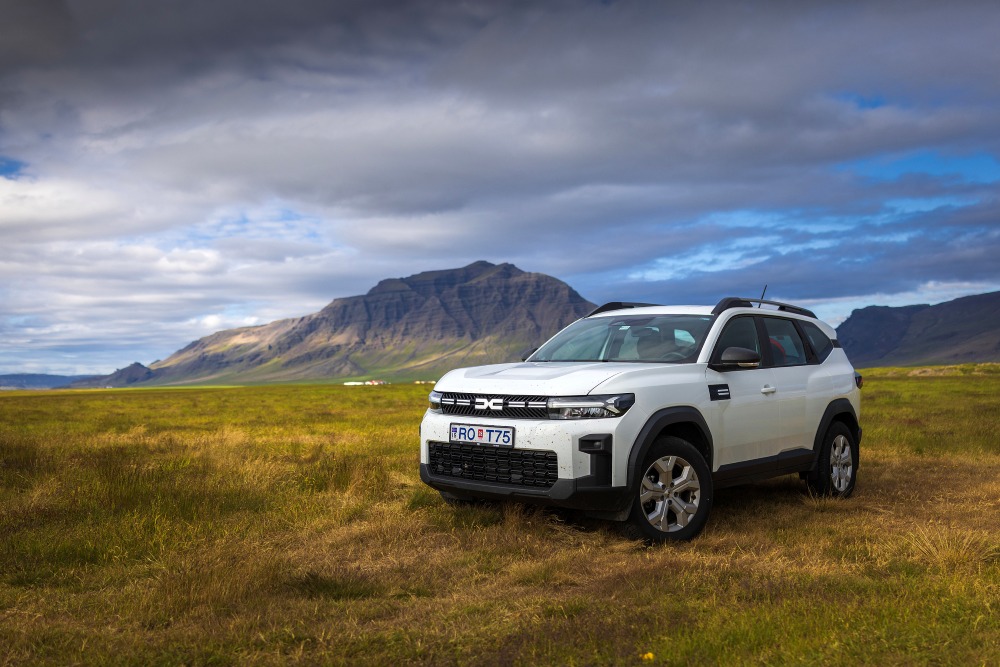
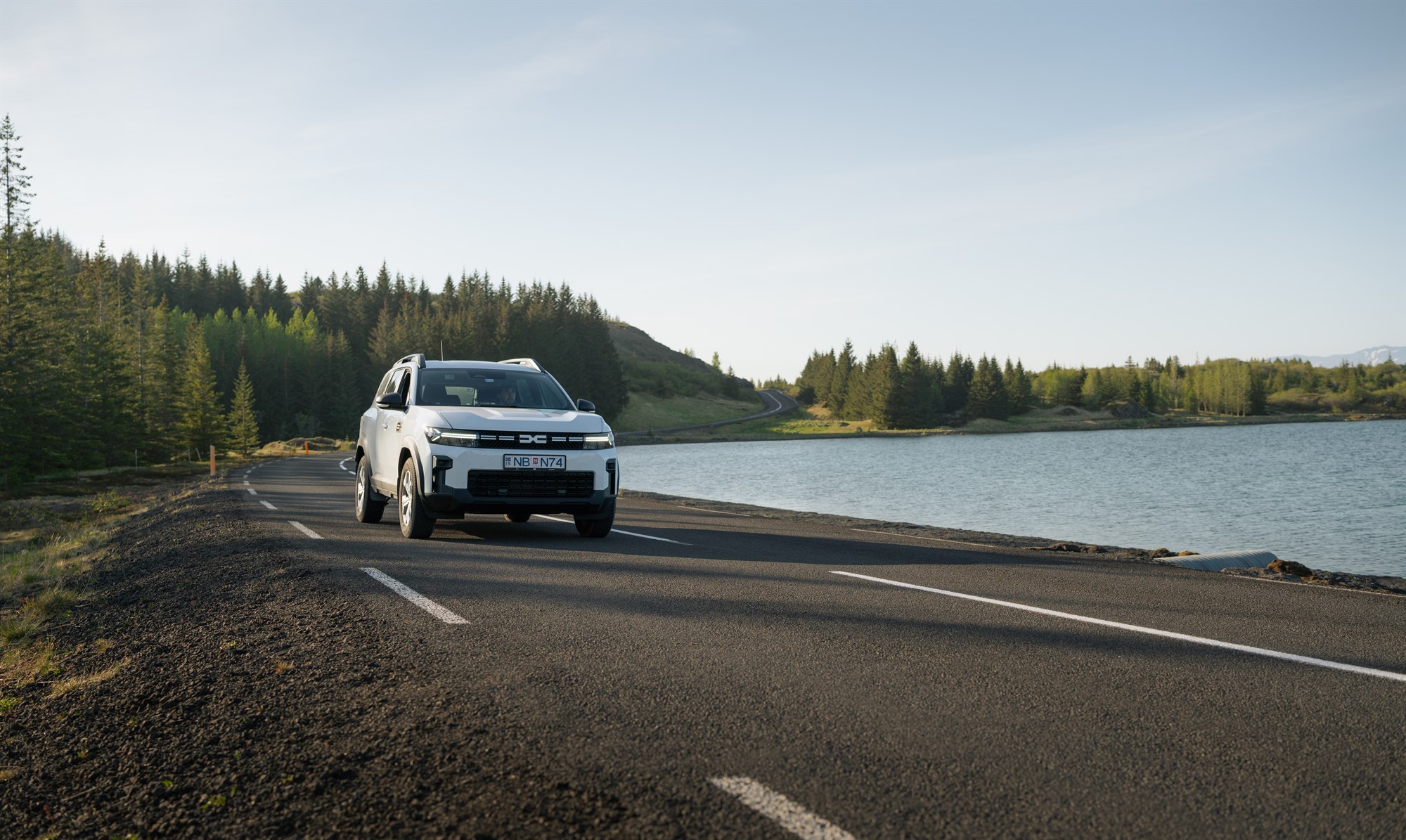
1. Compact 4x4 (e.g., Dacia Duster)
Perfect for solo travelers or couples. Handles gravel roads well and is affordable.
2. Mid-size SUV (e.g., Toyota RAV4, Suzuki Vitara)
Good balance of space, comfort, and winter handling.
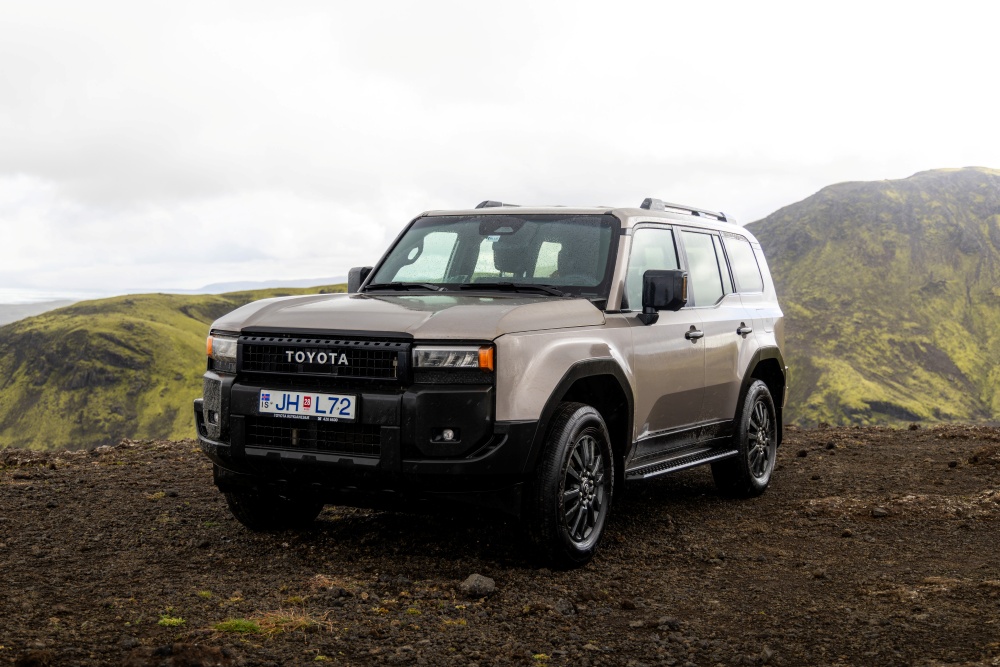
3. Full-size SUV or Camper (e.g., Land Cruiser, 4x4 camper)
Ideal for highland roads, families, or anyone planning long routes in tough conditions.
Do You Need a 4x4 for the Ring Road?
Many travelers ask:
Consider a 4WD if:
- You're traveling in winter or early spring
- You want to explore side roads or regional detours
- You're going beyond the usual tourist loop
The extra security of a 4x4 can save your trip from delays or safety risks if the weather worsens.
Tips for Renting a 4x4 in Iceland
If you plan to
- Book early -- 4WDs sell out fast, especially in winter and summer
- Double-check F-road access if it's a planned part of your trip
- Check for included winter tires, insurance, and gravel protection
- Inspect the car upon pickup for dents, tire condition, and door hinges (wind damage is common)
Driving Etiquette and Safety for 4x4 Rentals
- Drive slower on gravel roads -- even in a 4WD
- Never go off-road -- it's illegal and damages Iceland's fragile nature
- Use two hands to open doors in wind -- seriously
- Pull over safely for photos -- don't stop on the road
Final Verdict -- Do You Really Need a 4x4 in Iceland?
If you're:
- Visiting anytime between October and until April
- Planning to drive the Ring Road or outside major cities
- Looking to explore more than just Reykjavík
...then the answer is yes — you need a 4x4.
The terrain, weather, and conditions of Iceland demand respect, and a capable vehicle is part of traveling safely and smartly.
If you're still unsure if you need a 4x4 in Iceland check out our video below:
 IS ICELAND EXPENSIVE IN 2026? WHAT TRAVELERS SHOULD KNOW BEFORE VISITING