Let’s not sugarcoat it — Iceland is one of the most expensive countries in the world for travelers.
But that doesn't mean it's out of reach. With some planning, budgeting, and savvy choices, you can enjoy the land of fire and ice without breaking the bank.
Let’s explore exactly what makes Iceland expensive, how much you can expect to spend per day, and where you can save.
Daily Cost of Traveling in Iceland (2025 Estimate)
|
Travel Style |
Daily Budget (USD) |
Inclusions |
|
Budget |
$120–$180/day |
Hostels, groceries, economy car, free sights |
|
Mid-Range |
$200–$350/day |
Hotels/guesthouses, rental car, dining out |
|
Luxury |
$400–$800+/day |
4-star hotels, guided tours, fine dining |
Your final budget depends on season, region, transportation, and travel style.
Accommodation Costs in Iceland
Hotels and Guesthouses
- Budget guesthouse (private room): $90–$140/night
- Mid-range hotels: $150–$250/night
- 4-star hotels: $300–$600/night
- Hostels (shared dorm): $30–$60/night
Airbnb & Cabins
- Rural cabins with kitchen: $120–$200/night
- Reykjavík city apartment: $150–$250/night
Tip: Book 3–6 months ahead for summer stays or holiday season.
Car Rental & Fuel Prices
Car Rental
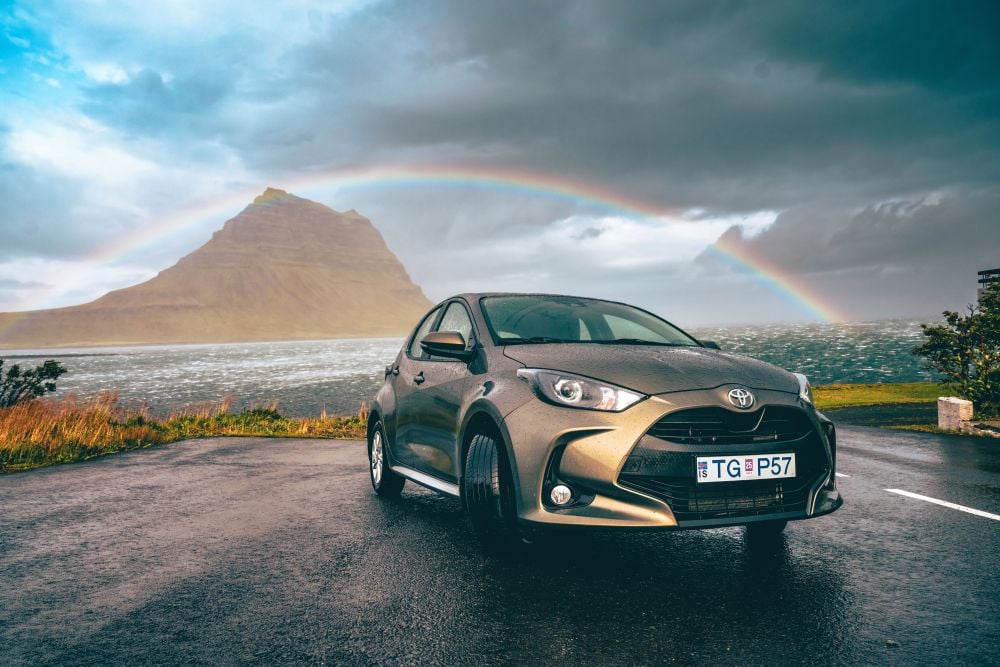
- Economy 2WD: $50–$90/day
- 4x4 SUV: $100–$180/day
- Campervan: $160–$250/day
Most prices include basic insurance, but you’ll want gravel protection and ash/sand protection too.
Fuel Costs
- Gasoline: ~$9–$10 USD/gallon (approx. $2.30–$2.50/liter)
- Diesel: Slightly cheaper
A 7-day Ring Road trip typically costs $250–$400 in fuel, depending on your route and vehicle.
Food & Drink Prices
Eating Out
- Fast food meal: $15–$20
- Restaurant entrée: $25–$45
- Three-course meal: $60–$100+
- Beer (pint): $10–$14
- Coffee: $4–$6
🛒 Grocery Shopping (Per Day)
- Groceries for two: $25–$40
- Discount stores: Bónus, Krónan, Netto
Tip: Many travelers pack a suitcase of snacks to cut food costs.
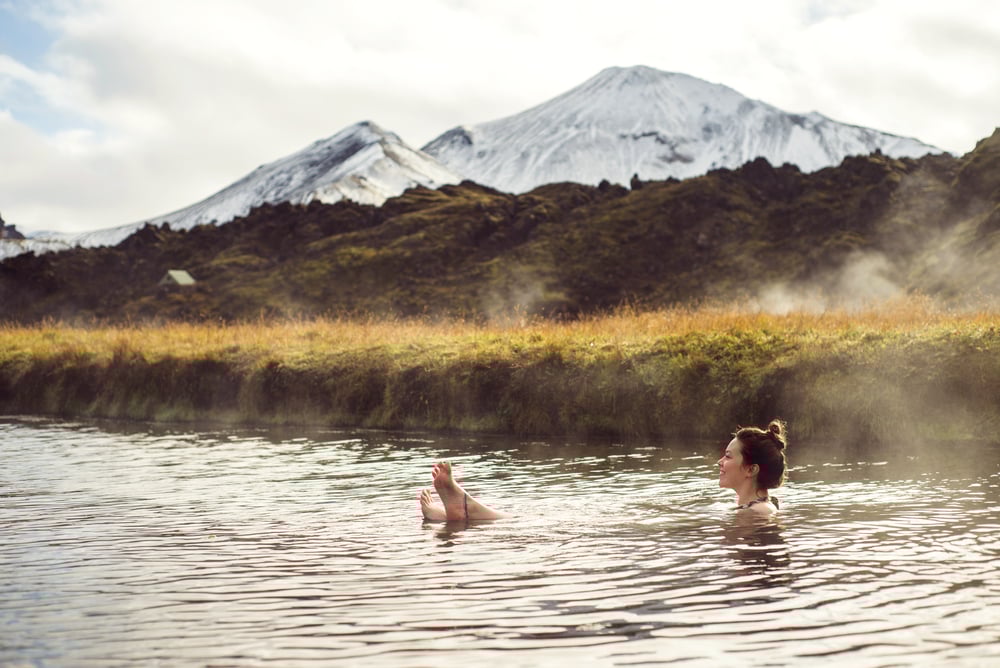
Tours, Hot Springs & Attractions
While nature is free, many popular sites or experiences come with a cost:
Popular Attractions
- Blue Lagoon: $70–$100
- Sky Lagoon: $65–$90
- Whale Watching Tour: $80–$130
- Northern Lights Tour: $90–$120
- Glacier Hike or Ice Cave Tour: $130–$200
- Snowmobile Tour: $180–$300
- Museums in Reykjavík: $10–$20
Many hikes, waterfalls, and beaches are free — your rental car is your best tour guide.
Is Reykjavík More Expensive Than the Countryside?
Yes — especially when it comes to:
- Dining
- Accommodation
- Parking
But rural areas may cost more for:
- Gas (fewer stations)
- Grocery variety
- Fewer budget lodging options
Seasonal Differences in Price
|
Season |
Prices |
What to Expect |
|
Summer (Jun–Aug) |
Highest |
Midnight sun, festivals, full access |
|
Winter (Nov–Mar) |
Medium–High |
Northern Lights, fewer crowds, ice tours |
|
Shoulder (Apr–May, Sept–Oct) |
More affordable |
Still great weather, fewer tourists |
Tip: September and May often offer the best value for travelers.
Tips to Save Money in Iceland
- 🥪 Shop at Bónus – Their pink pig logo = cheap groceries
- 🛌 Stay in hostels or guesthouses with kitchen access
- 🚗 Split car rental & gas with travel companions
- 💧 Refill water bottles – Icelandic tap water is 100% pure
- 🔥 Choose free attractions – Waterfalls, beaches, lava fields
- 📱 Download apps like Parka (parking), EasyPark, and Fuel Map Iceland
- 🎟 Book combo passes or group discounts for tours
Is Iceland Worth the Cost?
If you're wondering whether Iceland is worth the expense — absolutely.
There are few places on Earth where you can:
- Stand between tectonic plates
- Soak in a geothermal lagoon
- Hike on glaciers
- Watch geysers erupt
- Chase the Northern Lights
Even though it’s expensive, it’s unique, safe, and jaw-droppingly beautiful.
Plan smart, budget wisely, and you’ll come home with memories that far outweigh the receipts.
There are so many things to to in Iceland, and with a little planning you can easily keep the travel budget down and still enjoy best time in Iceland.
 DO YOU NEED A 4X4 IN ICELAND? A PRACTICAL GUIDE FOR TRAVELERS