
Travellers researching "Iceland's best destinations" are usually trying to solve one practical problem: where to actually point the car. Iceland doesn't have one single "best" place, it has a handful of very different regions, each rewarding at a different time of year and with a different type of vehicle. This guide breaks down the places most self-drive visitors build their route around, grouped into three broad categories, easy paved routes, longer regional trips, and the summer-only Highlands, along with what season suits each one and what that means for the car you rent.
Short answer
There isn't a single best place in Iceland, there are several strong regions, and the right one depends on your season and route. The South Coast (Route 1) and the Golden Circle are the most accessible year-round, North Iceland around Lake Mývatn and Ásbyrgi rewards a longer trip, Snæfellsnes works well as a shorter west-coast alternative, and the Highlands are a genuine highlight but only reachable in summer, on F-roads, in a proper 4x4. Most visitors combine two or three of these rather than picking just one.
The South Coast: Iceland's most-driven route
The South Coast, following Route 1 out of Reykjavik, is the single most popular stretch of road in the country, and for good reason. It's paved, well-signed, and strings together some of Iceland's most photographed sights in a single day trip or overnight loop.
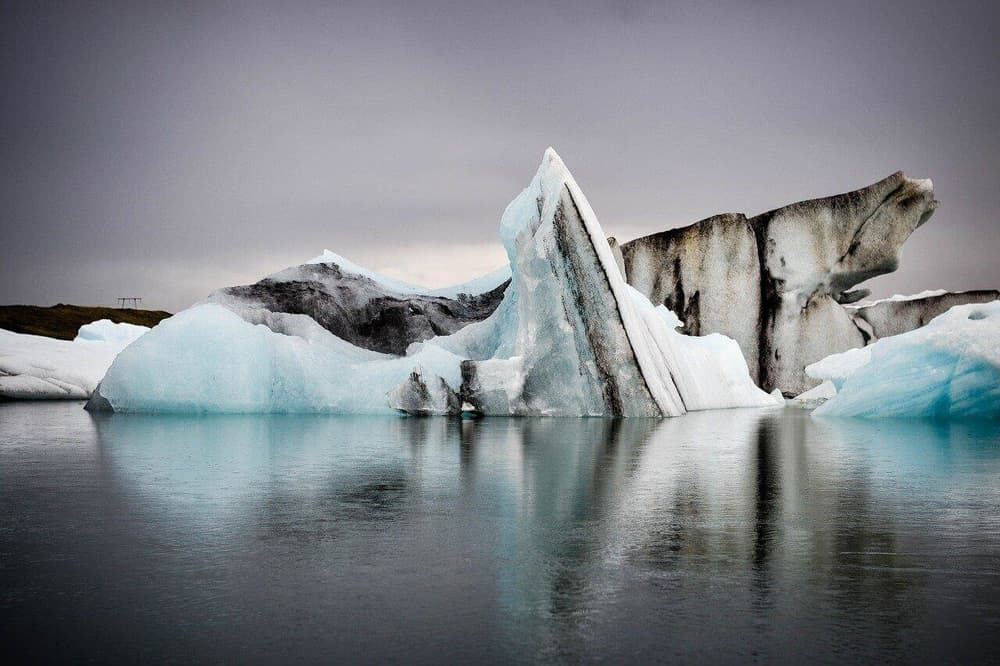
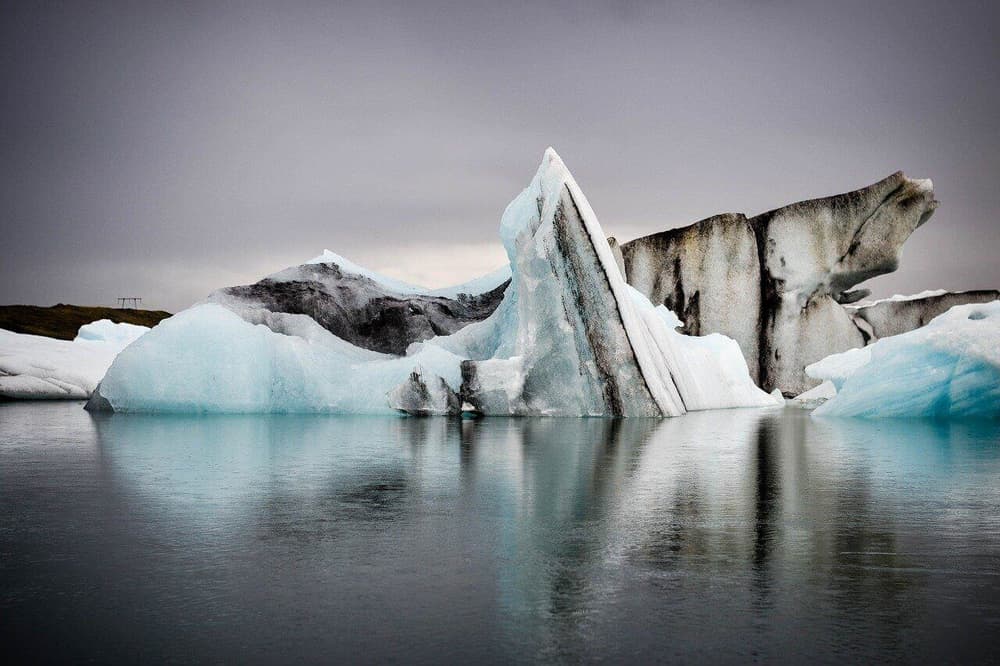
The standout here is Jökulsárlón, the glacier lagoon where icebergs break off the glacier tongue and drift out toward the sea. In winter, many of them wash up across the road at Diamond Beach, sitting in black volcanic sand. Because the South Coast is on the main Ring Road, it's accessible in a standard rental car for most of the year, though winter storms can still affect conditions, always worth checking Vegagerðin's road status at umferdin.is and safetravel.is before setting out, especially between October and April.
The Golden Circle: the easiest full day near Reykjavik
The Golden Circle, Þingvellir National Park, the Geysir geothermal area, and Gullfoss waterfall, is the most straightforward loop in Iceland to drive independently. It's close to Reykjavik, entirely on paved roads, and doable in a single day even with a late-morning start.
Because it's short and low-risk, it's often the first stretch new self-drive visitors tackle before heading further afield on the Ring Road.
North Iceland: Mývatn, Dimmuborgir and Ásbyrgi
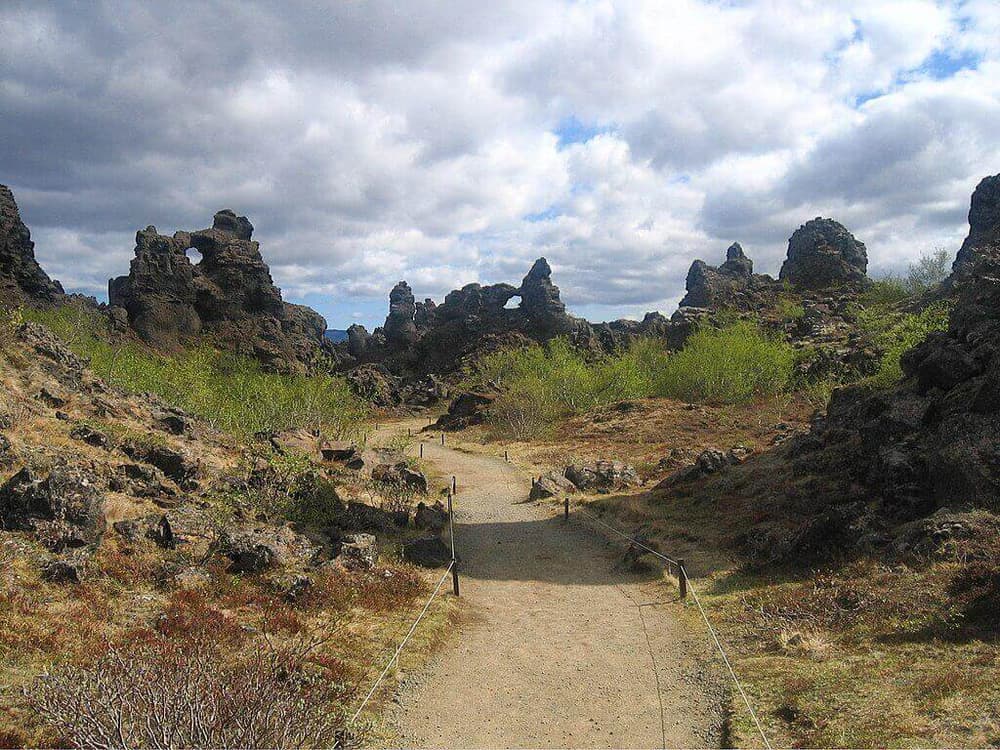
If you have more than four or five days, North Iceland is where a lot of returning visitors say the trip really opens up. The area around Lake Mývatn is geothermally active and visually strange in a good way, steam vents, lava fields, and the Dimmuborgir rock formations, a maze of jagged lava pillars tied to Icelandic folklore.
Further northeast, Ásbyrgi is a horseshoe-shaped canyon with a birch forest and a quiet pond at its base, a spot many Icelanders associate with childhood trips rather than tourist itineraries, which says something about how it's regarded locally.
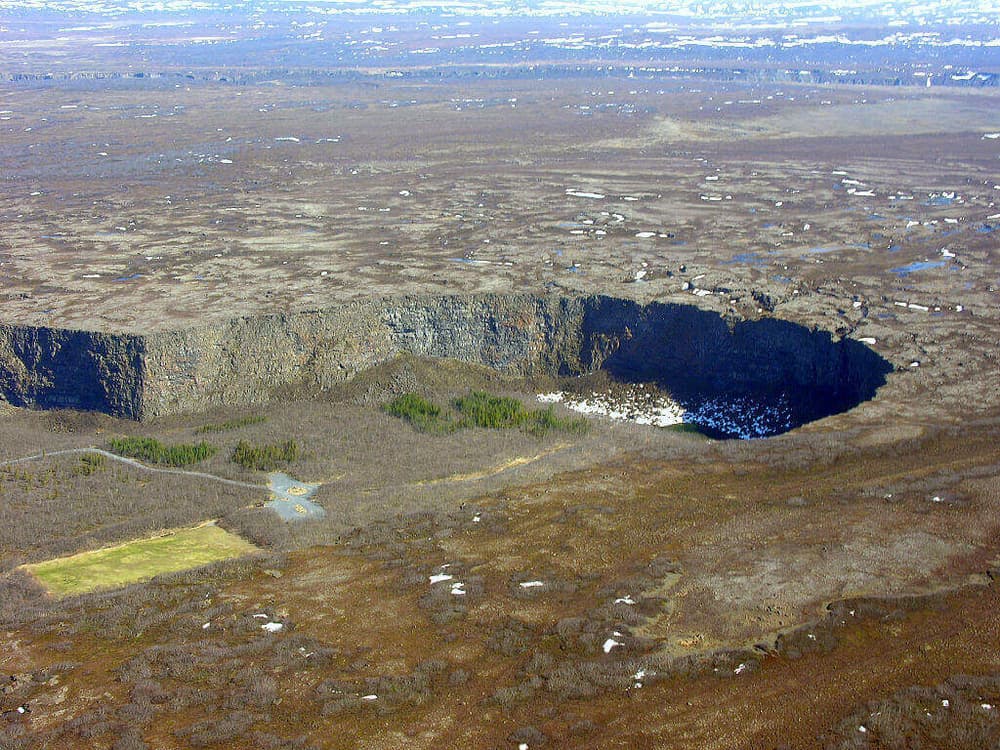
North Iceland sits a full day's drive from Reykjavik on the Ring Road, so it usually means either a multi-day Ring Road trip or a flight to Akureyri combined with a rental car from there.
Snæfellsnes Peninsula: a shorter alternative
Snæfellsnes, west of Reykjavik, is often described as "Iceland in miniature", glacier, coastline, lava fields and small fishing villages within a peninsula loop that's shorter than a full Ring Road trip. Kirkjufell mountain is the best-known landmark here. It's a sensible pick if you have three to five days and want variety without committing to the full Ring Road.
The Highlands: only in summer, only with a 4x4
The Highlands, the interior volcanic plateau reached by F-roads like F208 to Landmannalaugar and by the Kjölur highland road (road 35), are genuinely one of Iceland's most striking regions, but they come with real conditions attached. F-roads are legally restricted to four-wheel-drive vehicles, some involve river crossings, and most are only open for a limited window in summer, with exact opening dates changing year to year based on conditions.
We don't advise on picking a line through a river or judging water depth, if a crossing looks uncertain, the right call is to turn around, not to push through. Check current status on umferdin.is and safetravel.is before heading in, and if you're not confident on F-roads, an organised highland tour is a reasonable alternative to self-driving them. Our guide to F-roads in Iceland covers what to expect in more detail, and do I need a 4x4 in Iceland? walks through how to decide based on your actual route.
Comparing Iceland's main regions
| Region | Known for | Best season | Road & vehicle notes |
|---|---|---|---|
| South Coast (Route 1) | Jökulsárlón, Diamond Beach, waterfalls | Year-round, shorter daylight in winter | Paved Ring Road; a 2WD is generally sufficient outside severe winter weather |
| Golden Circle | Þingvellir, Geysir, Gullfoss | Year-round | Paved, close to Reykjavik, easy day trip |
| North Iceland (Mývatn/Ásbyrgi) | Dimmuborgir lava fields, Ásbyrgi canyon | Late spring to early autumn for easiest access | Ring Road paved; some side roads gravel |
| Snæfellsnes Peninsula | Coastal scenery, Kirkjufell | Year-round, though gravel sections are easier in summer | Mix of paved and gravel roads |
| Westfjords | Remote fjords, birdlife, quiet driving | Summer, for the most manageable roads | Many gravel roads, longer distances between fuel and services |
| Highlands (F-roads, e.g. F208) | Interior volcanic landscapes | Typically summer only; opening dates vary by year | Legally requires a 4x4; some routes involve river crossings |
Which vehicle fits which route?
For the South Coast and Golden Circle, a 2WD car is usually enough outside of severe winter conditions. Once your route includes gravel side roads in North Iceland, Snæfellsnes, or the Westfjords, a 4x4 becomes more of a comfort and confidence choice than a strict requirement. For the Highlands, a 4x4 isn't optional, it's a legal requirement on F-roads.
If your trip mixes both, say, the Ring Road plus a highland detour in summer, it's worth reading 4x4 vs 2WD in Iceland before booking, since the right choice depends on your specific route and month of travel rather than a blanket rule. Our fleet spans 2WD, 4x4, and other classes, so it's worth matching the car to the itinerary rather than the other way around.
When to go: matching season to region
Winter (roughly November to March) narrows the map. Highland F-roads are closed, some gravel roads in the Westfjords and North Iceland become harder to drive, and daylight is limited. The South Coast, Golden Circle, and Reykjanes Peninsula remain the most reliably driveable regions in winter, see our winter driving guide for what changes when temperatures drop.
Summer (June to August) opens up the Highlands and makes the Westfjords and North Iceland far more comfortable to drive, with the trade-off of more traffic on popular stretches like the South Coast. If cost is a factor in your timing, the low-season months covers how pricing and crowd levels shift through the year.
Mistakes to avoid when planning around "the best" places
Trying to fit the South Coast, North Iceland, the Westfjords, and the Highlands into a five-day trip is the most common planning error, the distances involved mean something has to be cut or the days become mostly driving. Assuming a 2WD will get you onto an F-road is another: F-road access is a legal vehicle requirement, not a suggestion. And underestimating gravel-road driving time is easy to do, a route that looks short on a map can take noticeably longer than the equivalent paved distance.
Booking a vehicle that matches your actual route, rather than picking by price alone, avoids most of these issues before they start. If you're flying into Keflavik and heading straight for the South Coast, online check-in and key-box pickup (for customers who add the Liability Waiver and complete online check-in) can also save time at the start of the trip, which matters if you want to reach Jökulsárlón or the Golden Circle before the light fades.
 CAN YOU DRINK TAP WATER IN ICELAND?