September sits at the edge of two seasons, and that shapes almost everything about a self-drive trip: road conditions, daylight, weather, and how many other cars you'll meet on the Ring Road. This guide covers what driving in Iceland in September actually looks like, which routes are realistic, and how to choose a car that matches the month.
Short answer: September is generally a solid month for a self-drive trip to Iceland. The Ring Road (Route 1) is typically clear of snow and ice, the Golden Circle, Snæfellsnes and much of the Westfjords remain fully drivable, and Northern Lights sightings become possible again as nights lengthen. The main variable is the Highlands, F-roads start closing progressively through the month depending on weather, so plans there need to stay flexible and checked daily against umferdin.is and safetravel.is.
Is September a good time for a road trip in Iceland?
Yes, with a caveat: early September behaves much like a quieter version of August, while late September starts leaning toward autumn conditions. Traffic on the Ring Road and at popular stops thins out compared to July and August, which makes parking, fuel stops and photo spots noticeably easier to manage. At the same time, days are shortening and the odd early storm system isn't unusual, so this isn't a month to assume summer rules still apply everywhere.
If your trip depends on the Highlands or you want maximum daylight, book earlier in the month. If your priority is fewer crowds and a chance at the Northern Lights, later September works in your favour.
Driving in Iceland in September: what the roads are like
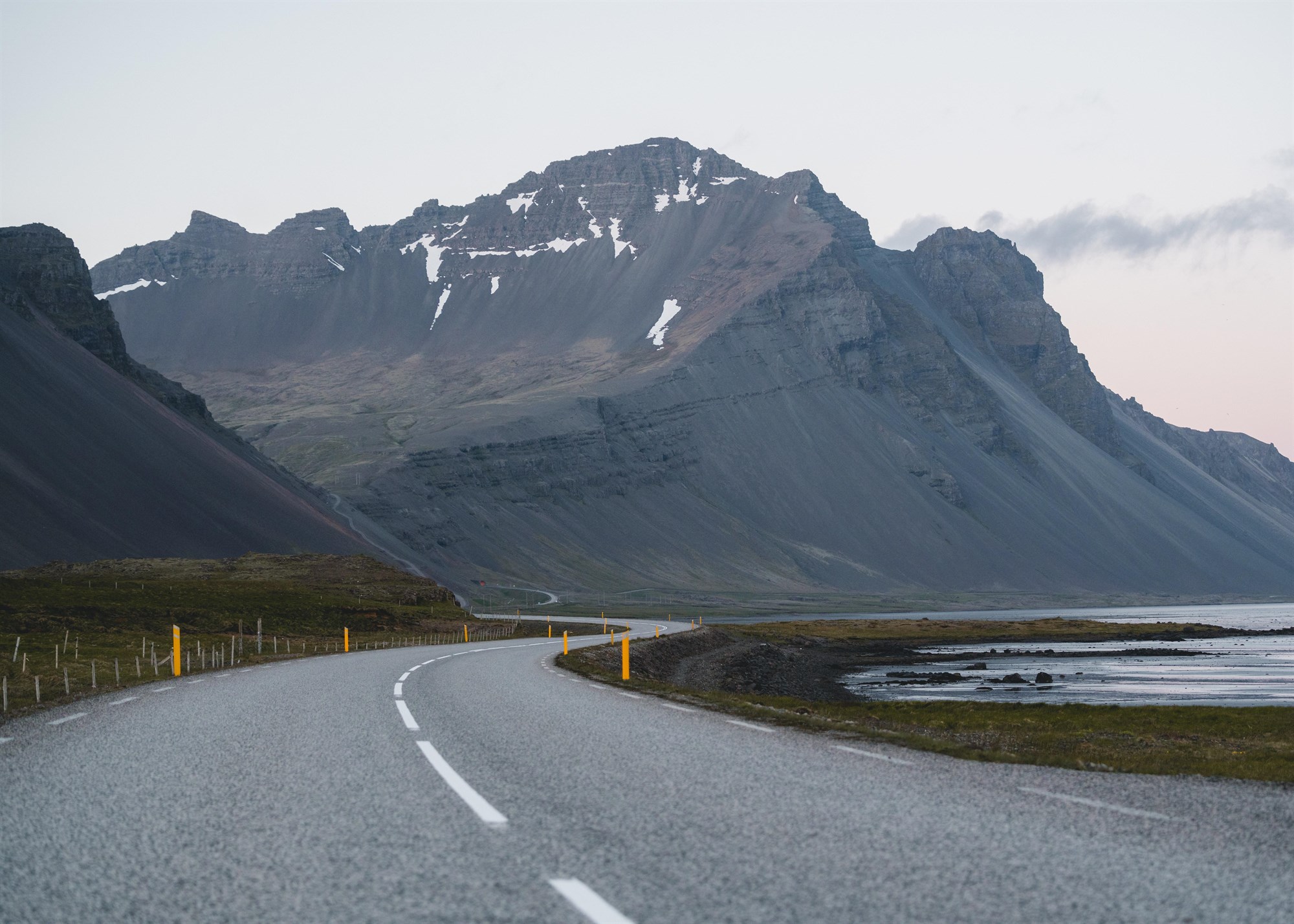
The Ring Road is normally in good shape in September, and lowland routes around the country stay open and well maintained. Snow on paved roads is unlikely this early, though a cold front can still bring rain, wind, or a dusting on higher passes.
Popular stretches like Reykjavik to Vik, the drive out to Vatnajökull National Park and Jökulsárlón, or up to Akureyri in the north are typically a comfortable few hours' drive each, on sealed roads for the vast majority of the way. Snæfellsnes peninsula, the Golden Circle, and much of the Westfjords also remain fully accessible, though some Westfjords roads include gravel sections where care and a suitable vehicle matter more than on the main Ring Road.
| Route | Typical September conditions | Vehicle to consider |
|---|---|---|
| Ring Road (Route 1) | Paved, generally clear; occasional rain/wind | 2WD is usually sufficient |
| Golden Circle | Paved, easy year-round route | 2WD |
| Snæfellsnes peninsula | Paved with some gravel side roads | 2WD or 4x4 depending on detours |
| Westfjords | Mix of paved and gravel, more remote | 4x4 recommended |
| F208 Landmannalaugar / F35 Kjölur | Open early Sept, closing progressively through the month | 4x4 legally required, river crossings possible |
For a broader look at how road types and vehicle classes match up outside the Highlands, 4x4 vs 2WD in Iceland: when a small car is enough and when it's not walks through the decision route by route.
Are F-roads and the Highlands open in September?
Some F-roads, including F208 to Landmannalaugar and F35 Kjölur, are often still open at the start of September, but this depends entirely on weather and river conditions and can change quickly as the month goes on. Icelandic mountain roads are legally accessible only in a 4x4, and river crossings on F-roads are a real possibility on some routes.
We don't recommend judging a crossing yourself, if a river or road looks uncertain, the right call is to turn around, not attempt it. Check current status on umferdin.is (run by Vegagerðin, the Icelandic Road Administration) and safetravel.is before heading into the Highlands, and consider going with an experienced local operator for the more technical routes. For a fuller picture of what's involved, F-roads in Iceland: a rental car guide to the Highlands and do I need a 4x4 rental in Iceland? cover the practical side in more depth.
Every Blue Car Rental agreement includes CDW, SCDW, Gravel Protection, Theft Protection and Third-Party Liability as standard, and the Liability Waiver covers water damage, including legal river crossings, underbody, tyre, wind/door, sand and ash, on routes where that's legally permitted. It does not cover illegal crossings or off-road driving, which is worth keeping in mind if a Highland detour is part of the plan. Details are on the insurance and coverage page.
How to get around Iceland in September without a rental car
Self-driving is the most flexible way to see the country in September, since bus schedules to remote areas thin out as the tourist season winds down and some scheduled highland buses stop running for the season. A rental car lets you set your own pace between stops like Vik, Jökulsárlón, or Akureyri, and adjust plans day to day if weather shifts, which matters more in September than in peak summer.
Picking the car up efficiently also saves time at the start of the trip. Online check-in lets you complete paperwork in advance, and key-box pickup (for customers who add the Liability Waiver and complete online check-in) at Keflavik Airport means you're not waiting in a counter queue after a long flight, worth knowing if your itinerary starts with an early highland or south coast drive.
Weather and daylight in Iceland in September
September weather is genuinely changeable, expect a mix of sun, rain, and wind, sometimes within the same day. Average temperatures sit around 9°C (48°F), dropping further in the evenings, and conditions can shift with little warning, especially away from the coast. Checking the Icelandic Met Office forecast each morning is worth the two minutes it takes, particularly before any hike or highland detour.
Daylight is still generous early in the month, giving a late-evening glow reminiscent of the midnight sun, but nights lengthen steadily as September progresses. That lengthening darkness is also what makes the Northern Lights possible again after the bright summer months, early autumn is one of the first realistic windows of the season to see them, weather and solar activity permitting.
Can you still see glaciers in Iceland in September?
Yes. Glaciers like Vatnajökull remain fully visible and accessible by their usual approach roads in September, and glacier tours generally continue to run through the month. Conditions on approach roads and any ice-cap activities can still vary with weather, so it's worth confirming with the specific tour operator or checking road status if you're driving yourself to a glacier lagoon or outlet glacier.
What to pack for driving in Iceland in September
Layering matters more than any single item. A waterproof, windproof outer layer, warm mid-layers, and proper footwear cover most September days, whether you're stopping at roadside waterfalls or setting off on a longer hike. A wool sweater is a nice-to-have rather than a technical necessity, but it does double as a good souvenir.
Pack for a swim, too, geothermal pools and hot springs are one of the better ways to warm up after a day on the road, and most are open regardless of season.
Choosing the right rental car for a September trip
Match the car to the route, not the calendar. If your trip stays on the Ring Road, Golden Circle and Snæfellsnes, a 2WD is typically enough. If Westfjords gravel roads, F-roads, or unpredictable weather are part of the plan, a 4x4 gives more margin. The our cars page breaks down the range from 2WD to 4x4, EV and family or premium options.
A few practical notes worth building into your booking decision:
- Blue Car Rental takes a credit-card imprint as security, not a deposit, no funds are actually held or blocked on your card.
- Normal cleaning is included in every rental; only excessive interior dirt is charged separately.
- Returning Blue+ customers get instant discounts by tier, 5% at Bronze, 10% at Silver (250+ points), 15% at Gold (400+ points), worth checking via loyalty if you've rented with Blue before.
For a general primer on renting and driving logistics beyond September specifically, driving in Iceland is a useful starting point.
Mistakes to avoid when planning a September trip
The most common mistake is assuming F-road access will match what a blog post or forum said last year, conditions vary season to season and even week to week, so a fresh check on umferdin.is before any highland day is non-negotiable. The second is under-packing for weather swings, treating September like peak summer when a storm system can move through in hours. The third is booking a 2WD for a route that includes gravel Westfjords roads or a highland detour "just to see", decide the route first, then match the vehicle to it.

 RENTING A CAR IN REYKJAVÍK: A COMPLETE GUIDE FOR TRAVELERS