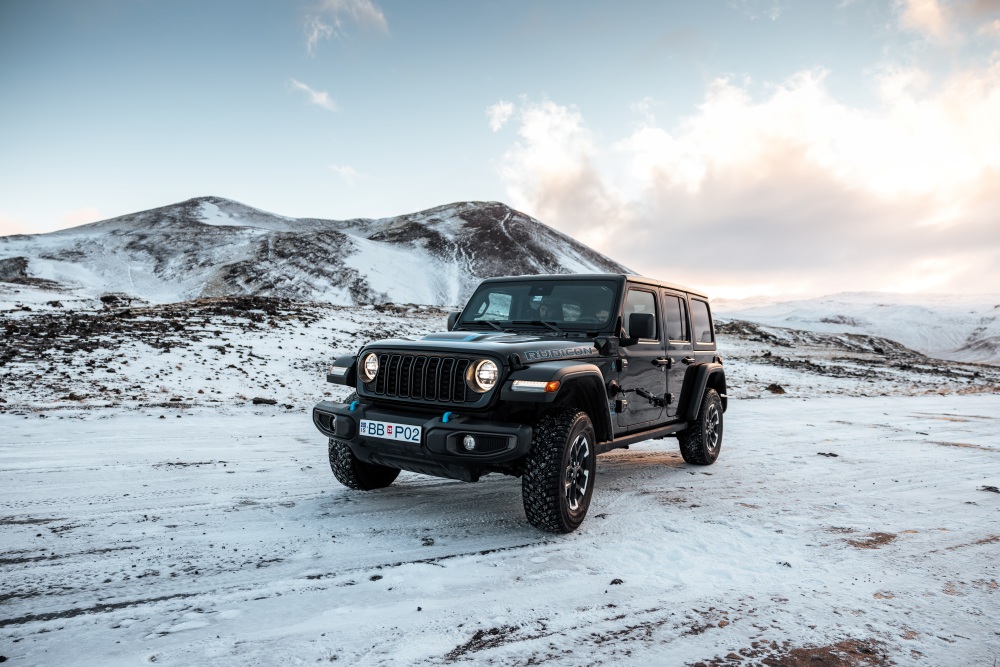

Planning your first winter adventure in Iceland? Driving in Iceland in winter can be one of the most magical travel experiences you’ll ever have. Snow-covered lava fields, frozen waterfalls, and the chance to see the Northern Lights make winter road trips unforgettable. However, Iceland’s winter conditions also bring unique challenges that first-time visitors should prepare for.
If you are planning a self-drive trip, understanding winter road conditions, choosing the right rental car, and knowing how to drive safely in icy weather will make your journey smoother and safer. This guide explains everything you need to know about winter driving in Iceland so you can explore confidently.

Key Winter Driving Tips Before You Start
- Winter tires are mandatory in Iceland from November 1 to April 14.
- Always check road conditions at road.is before starting your drive.
- Weather can change rapidly, especially near the coast and mountain passes.
- 4x4 vehicles are strongly recommended for winter travel.
- Plan shorter driving days due to limited daylight hours.
- Keep emergency supplies and warm clothing in your vehicle.
Understanding Winter Road Conditions in Iceland
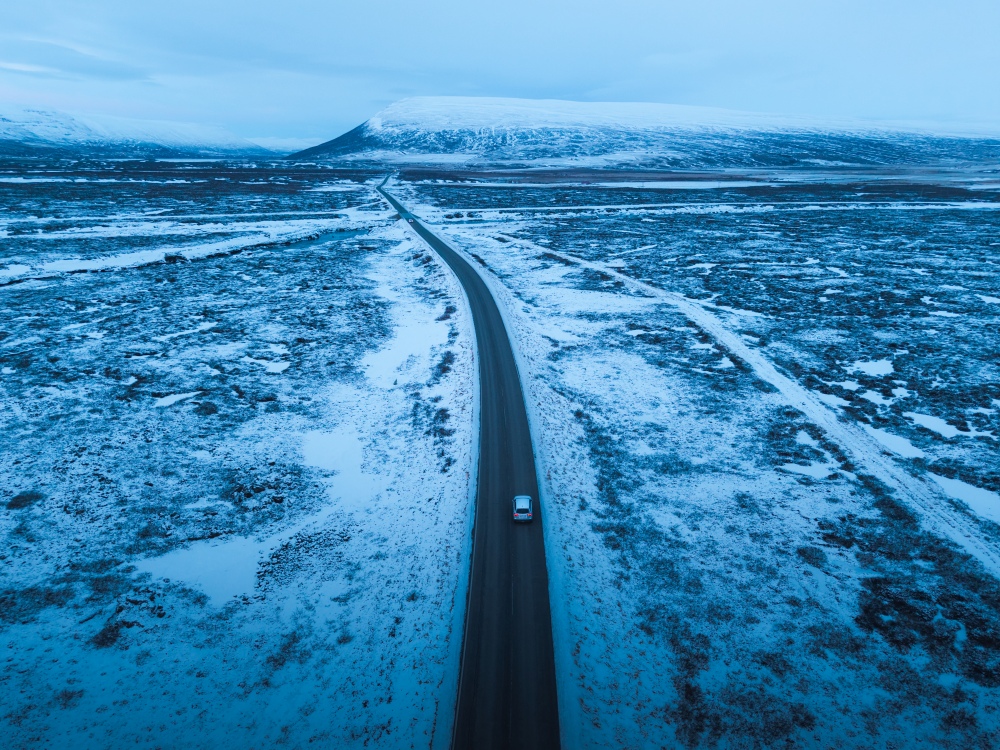
Winter road conditions in Iceland can change dramatically within a few hours. From November through March, drivers can encounter snow-covered roads, icy surfaces, strong winds, and limited daylight. Even experienced drivers need to stay alert and adapt their driving to the conditions.
Iceland sits in the North Atlantic where weather systems move quickly across the island. A calm morning drive can quickly turn into a snowstorm or strong wind event. In rural areas and along coastal roads, black ice and drifting snow can appear suddenly.
Because of these conditions, careful planning and vehicle choice are essential for a safe winter road trip.
Common Winter Driving Challenges
- Limited daylight: December and January have only 4–5 hours of daylight.
- Rapid weather changes: Clear skies can quickly turn into heavy snowfall.
- Strong winds: Gusts over 100 km/h are possible, especially in open landscapes.
- Black ice: Thin ice layers on the road that are difficult to see.
- Snow accumulation: Roads can temporarily close after storms.
2WD vs 4x4: Choosing the Right Rental Car for Winter
One of the most important decisions when planning winter travel is choosing the right vehicle. Many travelers wonder whether a standard two-wheel-drive car is enough or if they should rent a four-wheel-drive vehicle.
While some main roads are maintained throughout winter, weather conditions can still make driving challenging. A 4x4 vehicle provides additional stability and traction that can make a big difference in icy conditions.
| Feature | 2WD Rental | 4x4 Rental |
|---|---|---|
| Traction on snow and ice | Limited grip | Superior traction |
| Road access | Main roads only | Better for rural roads |
| Safety in winter weather | Moderate | High stability |
| Fuel efficiency | Better | Slightly higher consumption |
| Recommended for winter trips | Short city drives | Best option for most travelers |
Why 4x4 Vehicles Are Recommended in Winter
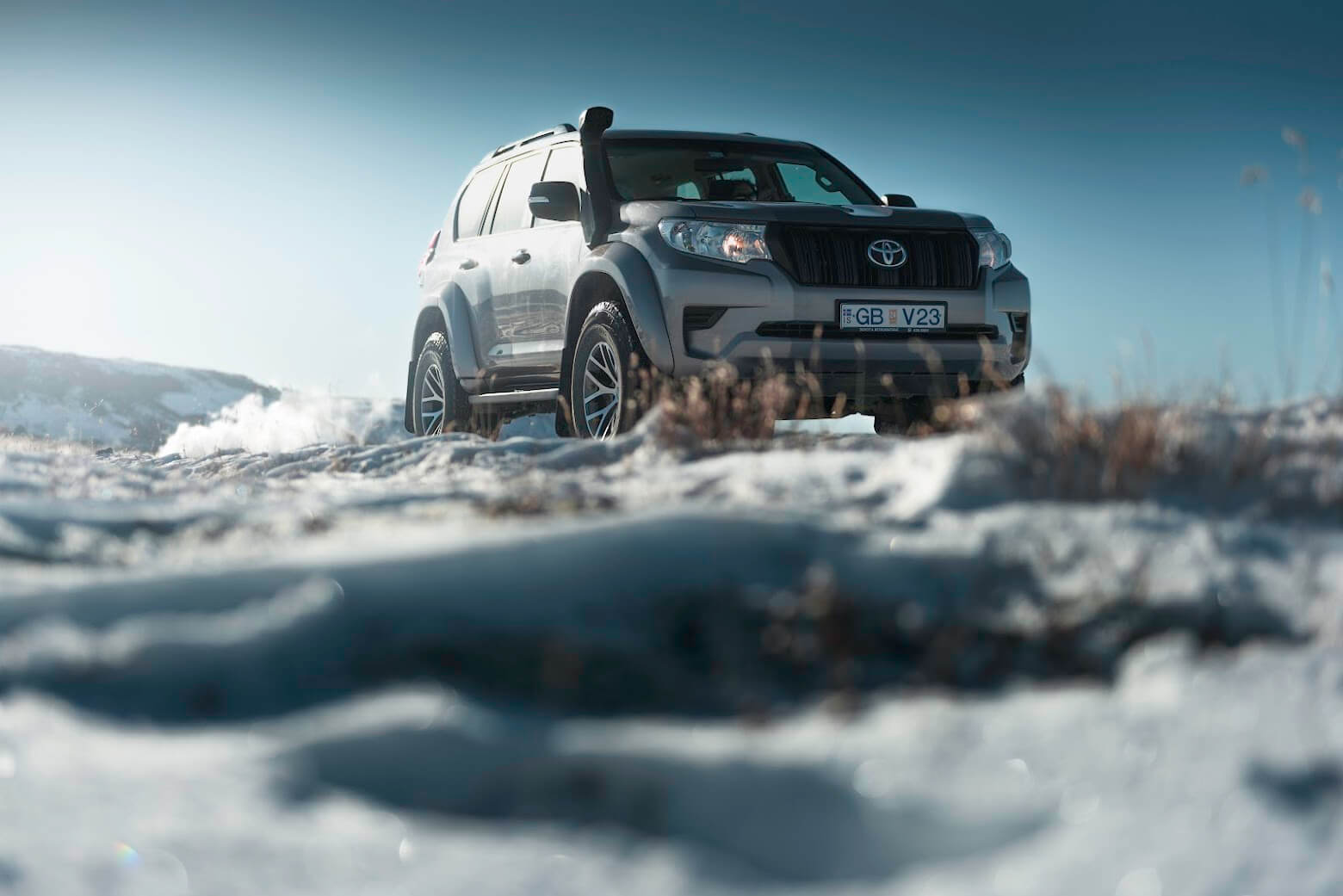
A 4x4 vehicle is strongly recommended for winter travel in Iceland because it offers better control on icy or snow-covered roads. The all-wheel-drive system distributes power to all wheels, improving traction and stability.
Higher ground clearance also helps when snow builds up on the road surface. Even if you plan to stay on the Ring Road, sudden weather changes or detours may require driving through more difficult conditions.
Many visitors choose a 4x4 rental simply for peace of mind. Knowing that your vehicle can handle changing weather conditions allows you to focus on enjoying the scenery instead of worrying about the road.
If not sure, this should answer if you need a 4x4 in Iceland.
Essential Winter Equipment in Rental Cars
Vehicles rented in Iceland during winter should include equipment designed for cold weather conditions. These tools help drivers handle icy roads and unexpected weather changes safely.
- Winter tires: Required by Icelandic law between November and April.
- Ice scraper and snow brush: Needed to clear ice and snow from windows.
- Emergency supplies: Blankets, warm clothing, water, and snacks.
- Flashlight: Useful during long winter nights.
- First aid kit: Basic medical supplies for emergencies.
When renting a car in Iceland during winter, make sure the vehicle includes proper winter preparation. Most rental vehicles come equipped with winter tires, but travelers should still check that they have all necessary equipment before starting their journey.
Important Safety Rules for Winter Driving
Driving carefully and adapting to road conditions is the most important rule when traveling in Iceland during winter. Slower speeds and greater awareness will reduce risks significantly.
Before You Drive
- Check weather forecasts on vedur.is.
- Review road conditions on road.is.
- Inform someone about your travel plans.
- Inspect your vehicle’s lights, wipers, and heating system.
- Keep your fuel tank at least half full.
While Driving
- Reduce speed and drive according to conditions.
- Increase following distance between vehicles.
- Use headlights at all times.
- Avoid sudden braking or sharp turns.
- Stay on main roads and marked routes.

Popular Winter Routes and What to Expect
Many of Iceland’s most famous driving routes remain accessible during winter, but travelers should be prepared for weather-related delays.
The Ring Road
The Ring Road (Route 1) circles the entire island and connects most major towns. It is generally maintained throughout winter, but sections in the southeast and east can experience strong winds and snowstorms.
The Golden Circle
The Golden Circle route is one of the most popular day trips from Reykjavík. Roads are well maintained, but parking areas at major attractions can become icy during heavy snowfall.
Reykjanes Peninsula
The Reykjanes Peninsula is close to Keflavík Airport and Reykjavík. Winter winds can be strong along the coast, especially near lava fields and open areas.
What To Do If You Encounter a Winter Emergency
Although rare, winter emergencies can happen when weather conditions worsen quickly. Knowing how to react can help keep you safe.
- Stay with your vehicle: It provides shelter and makes rescue easier.
- Call 112: Iceland’s emergency number works from any phone.
- Run the engine periodically: Use it for heat but ensure the exhaust pipe is not blocked by snow.
- Stay visible: Use hazard lights and wear bright clothing.
Is It Safe to Drive in Iceland in Winter?
Yes, driving in Iceland during winter can be safe when travelers prepare properly and respect weather conditions. Roads are well maintained, and winter tires are required by law. However, drivers should remain flexible and be willing to adjust travel plans if storms occur.
Many visitors successfully complete winter road trips every year, enjoying snow-covered landscapes and the chance to see the Northern Lights along the way.
Here you find more useful info about driving in Iceland:
Conclusion
Driving in Iceland in winter is an incredible experience that offers stunning scenery and unforgettable adventures. With proper preparation, the right vehicle, and careful driving, travelers can safely explore Iceland’s winter landscapes.
By understanding road conditions, choosing an appropriate rental car, and checking weather forecasts regularly, you can enjoy a safe and memorable winter road trip across Iceland.
 CAR HIRE IN ICELAND DURING THE SHOULDER SEASON (SPRING & AUTUMN)