Seeing the Northern Lights, or Aurora Borealis, is a once-in-a-lifetime experience for many visitors to Iceland. The dancing green, pink, and purple waves of light across a dark Arctic sky are mesmerizing, but they’re not guaranteed. The right timing, location, and conditions can dramatically improve your chances. Adding a rental car to your trip gives you the flexibility to chase the aurora when conditions are perfect, escape light-polluted areas, and enjoy the journey on your terms.
In this article we will go over the best way to catch the Northern lights in Iceland. Everything from when is the best time to see the aurora to where we recommend to go. As well as providing great travel tips on how to get there safely and the best practice for enjoying this most magical lightshow in nature. With our local expert knowledge and a little preperation, you're chances of seeing the Northern ligths in Iceland have never been higher!
And of course Blue Car Rental provides the right vehicles, insurance, and support to make it all possible.

Best time to see the Northern lights in Iceland
Knowing the right time to search for the aurora is just as important as where you go. The Northern Lights don’t appear every night, and their visibility depends on several factors that align in the right way. This section breaks down when the odds are highest, what to look for in forecasts, and how seasonal changes affect your chances.
Season
The aurora can only be seen when the sky is dark enough, which in Iceland happens from late August to mid-April. Peak viewing months are September through March, when the nights are longest and the chances of clear, crisp weather are higher. During this period, daylight hours are short, giving you extended windows to search for the lights.
Night hours
While the Northern Lights can technically appear any time it’s dark, the most active hours are usually between 21:00 and 02:00. These hours often coincide with the coldest part of the night, so be prepared with warm clothing and hot drinks if you’re planning to wait outside.
Solar activity
The sun’s activity is the engine behind the aurora. Higher levels of solar wind and charged particles increase your chances. Keep an eye on the KP index, a scale from 0 to 9 that measures geomagnetic activity. A KP of 3 or higher generally means the aurora may be visible across much of Iceland.
Weather
Even if solar activity is strong, you won’t see the Northern Lights without clear skies. Thick cloud cover will completely block the view. Monitor local weather forecasts and be ready to drive to clearer areas if necessary—another reason a rental car is invaluable.
Moon phase
The moon can brighten the night sky, making the aurora less vivid. New moon periods, or nights when the moon is below the horizon during peak viewing hours, provide the darkest skies. While you can still see the lights with a bright moon, the contrast and color intensity will often be reduced.
In summary:
- Late August to mid-April is the only window to see the aurora in Iceland.
- Peak months are September to March for long nights and better weather.
- The hours between 21:00 and 02:00 are generally the most active.
- A KP index of 3 or higher means strong aurora potential.
- Clear skies and minimal moonlight will give you the best show.
Best conditions for viewing
Before heading out on your Northern Lights adventure, it’s important to understand what makes for ideal viewing conditions. Even if you visit in the right season, these factors can make the difference between a faint glimpse and a breathtaking show.
Avoid light pollution
The aurora is best seen against a dark, unobstructed sky. Artificial lighting from towns, villages, and roads will wash out the colors and reduce contrast. Drive to remote areas far from city glow to get the clearest view.
Seek clear skies
Even partial cloud cover can hide the Northern Lights entirely. Use weather and aurora apps to track cloud movements in real time. If clouds roll in, be ready to move quickly to a clearer location.
Be patient
The aurora can appear suddenly or after a long wait. Sometimes the lights are active for hours, other times they vanish within minutes. Bring something warm to drink, a comfortable chair, and be prepared to stay out for a while.
Dress warmly
Standing outside in Iceland at night can be extremely cold, especially in winter. Layer clothing for insulation, add a windproof outer shell, and don’t forget hats, gloves, and thermal socks.
Photography gear
Capturing the aurora requires the right equipment. A sturdy tripod will keep your camera steady during long exposures, and a camera with manual settings lets you adjust ISO, shutter speed, and aperture for the best results.
In summary:
- Choose locations far from artificial light.
- Monitor weather to find clear-sky areas.
- Stay patient—auroras are unpredictable.
- Dress in layers to stay warm.
- Use a tripod and manual camera settings for quality photos.
Great places to see the Northern lights in Iceland
Before you set off in search of the aurora, it’s worth knowing some of the top viewing spots around Iceland. Each location offers its own atmosphere, landscape, and level of accessibility, so you can choose based on how far you want to travel and the kind of backdrop you’d like for your viewing experience.
Þingvellir National Park
This UNESCO World Heritage Site provides vast open spaces with almost no light pollution. The surrounding mountains and the rift valley landscape create a dramatic setting for the aurora. Located about 45 minutes from Reykjavík, it’s easy to reach by car yet feels far from city lights.
Snæfellsnes Peninsula (Kirkjufell)
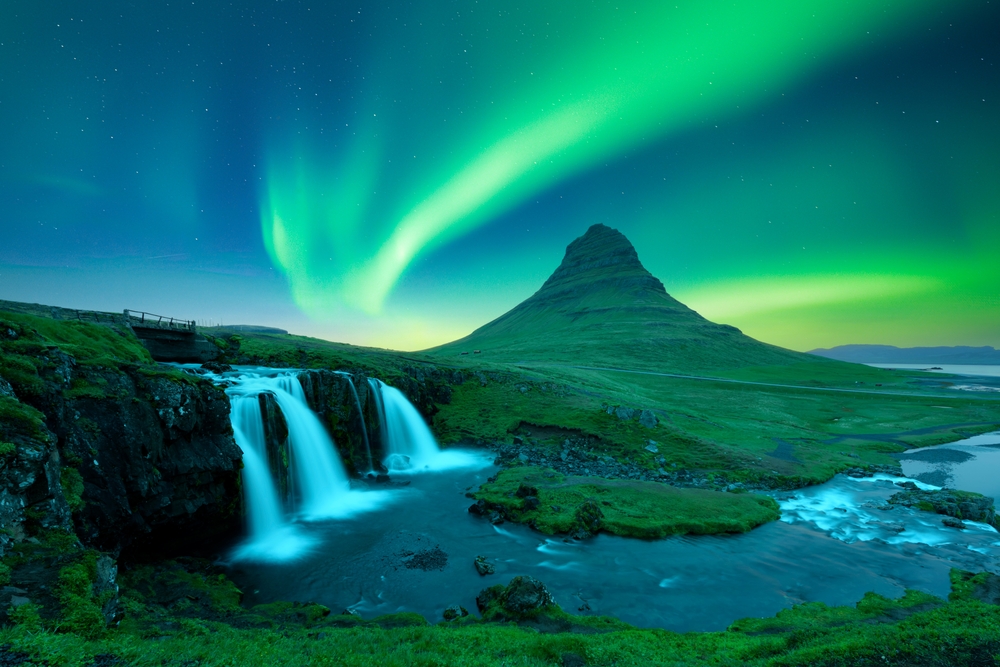
Known for its rugged coastline and varied landscapes, Snæfellsnes offers multiple remote spots to watch the Northern Lights. From black sand beaches to lava fields, you’ll find plenty of striking foregrounds for photography. The peninsula’s remoteness helps reduce light pollution.
Jökulsárlón Glacier Lagoon
Seeing the Northern Lights reflected in the still waters among floating icebergs is an unforgettable experience. Jökulsárlón’s location in southeast Iceland means a longer drive, but the unique combination of ice and aurora is worth the journey.
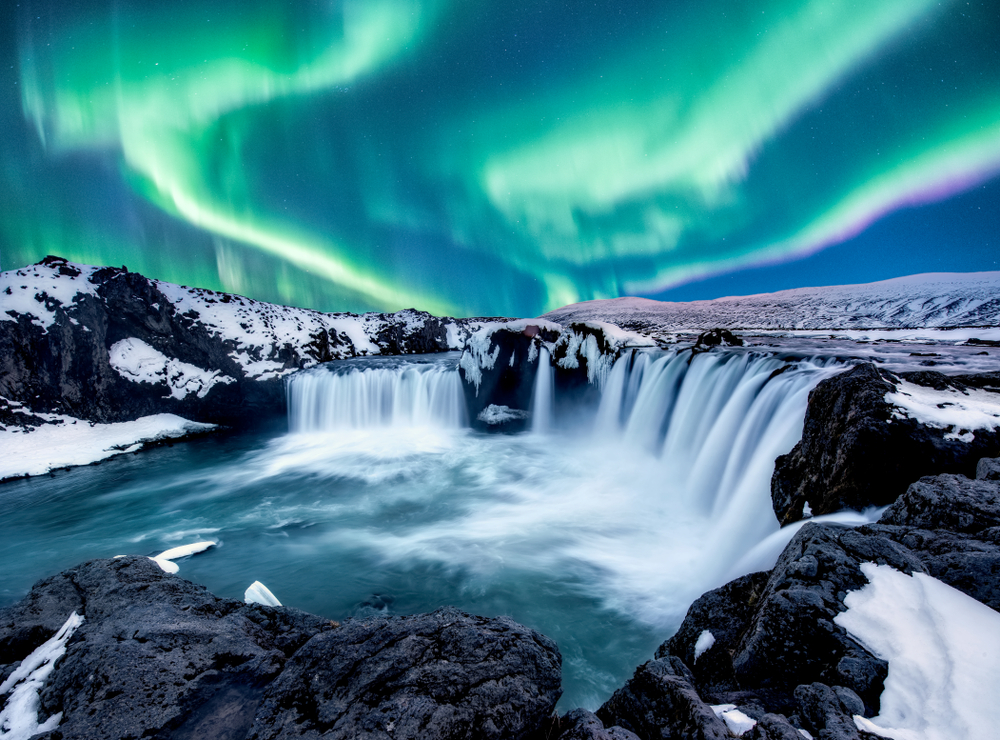
Seljalandsfoss Waterfall
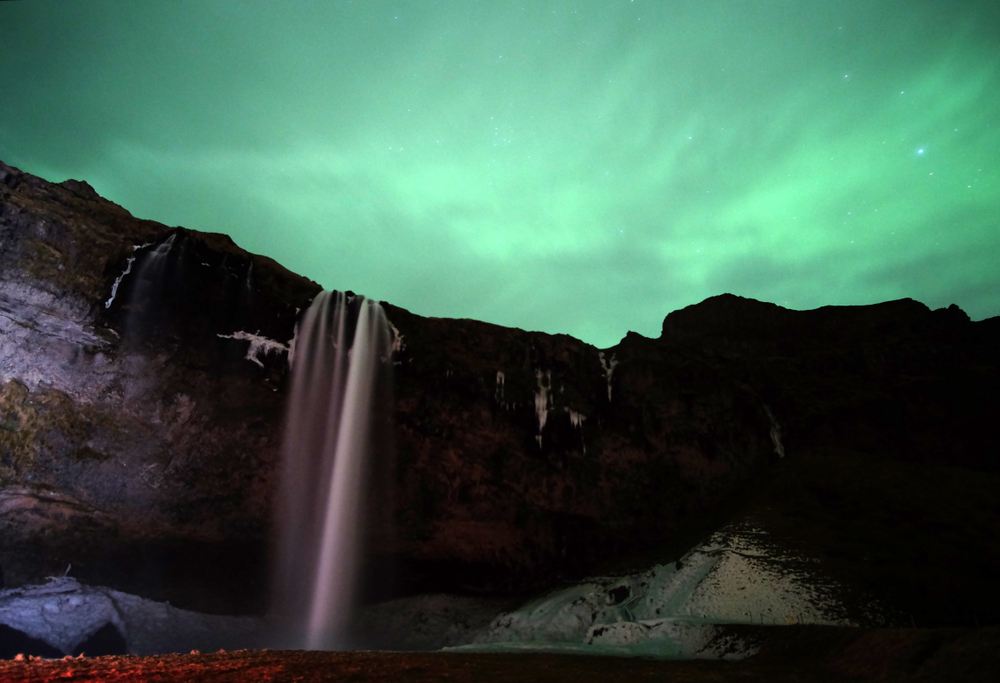
This iconic waterfall is stunning during the day and magical at night. If the conditions are right, you can capture the aurora above the falls, creating a rare and memorable photograph. Be prepared for slippery paths in winter.
Reykjavík Surroundings (e.g., Grótta Lighthouse)
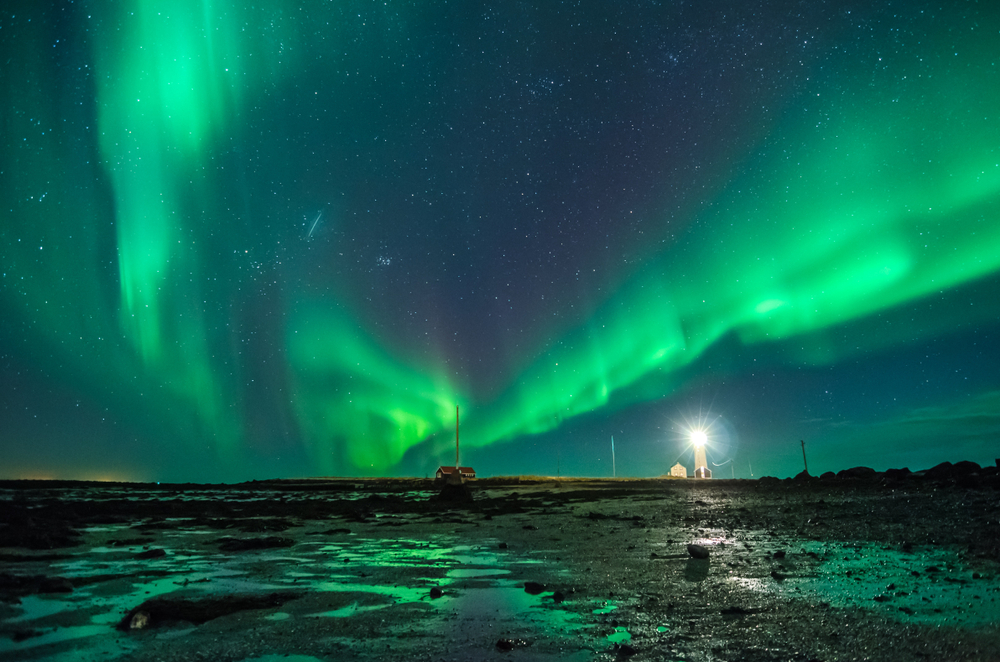
For those based in Reykjavík, Grótta Lighthouse is a convenient spot to escape the city’s light glow without traveling far. Its coastal location gives you open views of the northern horizon. For more nearby ideas, see our Reykjavík by Car guide.
In summary:
- Choose locations based on your time, weather, and driving comfort.
- Remote areas offer darker skies and less interference.
- Combine scenic landscapes with the aurora for unforgettable photos.
Why a rental car improves your chances of seeing the Northern lights
Having your own set of wheels isn’t just about convenience—it’s about giving yourself the best shot at seeing one of nature’s most spectacular shows. Each of the points below plays a role in turning your Northern Lights hunt into a successful and comfortable adventure.
Flexibility to chase clear skies
With a rental car, you’re not tied to a fixed location. If clouds roll in, you can quickly head toward areas with clearer conditions, following real-time weather updates and aurora forecasts.
Access to remote locations
Many prime aurora viewing spots are far from towns and completely inaccessible by public transport at night. A car lets you reach these darker, quieter areas where the lights are most visible.
Comfort and safety
Between viewing stops, your car becomes a warm refuge. You can store extra clothing, snacks, and photography gear, ensuring you stay comfortable and prepared for hours outdoors.
Multiple viewing options in one night
With your own transport, you can easily visit several locations in a single night, increasing your odds of catching an active aurora display in at least one spot.
Blue Car Rental offers 4x4 vehicles perfect for Iceland’s winter roads, plus full insurance and 24/7 roadside assistance, giving you peace of mind while you chase the lights.
Tips for a successful Northern lights self-drive
Before setting off on your aurora chase, preparation is key. These tips will help you make the most of your night, from planning your route to staying warm and safe on the road.
Check aurora forecasts daily
Use the Icelandic Met Office’s prediction tools to monitor aurora activity. Checking the KP index and cloud cover maps daily will help you choose the best time and location for your trip.
Have backup locations
Weather in Iceland changes quickly. Always plan several possible viewing spots so you can adjust your route if clouds block your first choice.
Know your route
Some viewing locations are far from towns and may have poor mobile signal. Download offline maps to ensure you can navigate safely, even without internet access.
Bring snacks and drinks
Aurora hunting can involve long waits outdoors. Pack hot drinks in a thermos and snacks to stay comfortable and energized throughout the night.
Stay safe
Driving at night in Iceland, especially in winter, can be challenging. Reduce risks by following our winter driving guide for advice on handling icy roads and changing weather conditions.
In summary:
- Monitor forecasts and plan accordingly.
- Have alternate locations ready.
- Prepare maps for offline use.
- Keep warm with food and drinks.
- Drive cautiously and follow safety tips.
Northern lights in Iceland by month
Understanding how the Northern Lights vary throughout the year will help you choose the best time for your visit. Each month comes with its own advantages, challenges, and conditions for travel and viewing.
August
Nights begin to darken toward the end of August, creating the first opportunities of the season. Chances of seeing the lights are lower earlier in the month, but by late August you can catch the aurora on clear nights. Weather is mild, roads are generally easy to drive, and this month offers the blend of summer activities with the first glimpses of the aurora.
September
One of the best months for aurora hunting. Long nights, relatively mild temperatures, and open roads make September ideal. Visibility is good, and conditions are usually less extreme than deep winter. A great month for travelers who want to combine daytime sightseeing with night aurora chasing.
October
Dark skies, long nights, and manageable road conditions make October another prime month. Weather can be variable, with increasing chances of storms, but when skies are clear the viewing is excellent. Roads are still largely accessible, and autumn landscapes add beauty to your trip.
November
Nights are very long, increasing aurora viewing opportunities. However, weather becomes more unpredictable with frequent storms, snow, and icy conditions. A 4x4 rental car is strongly recommended. This is a good month if you’re prepared for winter driving.
December
Darkness dominates, with the longest nights of the year around the winter solstice. Chances to see the aurora are high, but heavy snow and storms can limit travel. Roads may be slippery and some routes closed. A rewarding but challenging month.
January
Similar to December—long nights and high aurora potential. Weather is cold and stormy, and daylight is limited to just a few hours. A good time for dedicated aurora hunters who don’t mind harsh conditions, but not the easiest month for general travel.
February
Conditions slowly improve, though winter remains strong. Nights are long and the aurora is still highly visible. Roads may be icy but daylight hours increase, making it easier to combine aurora hunting with daytime activities.
March
One of the best months overall. The balance of long dark nights and more stable weather gives excellent aurora chances. Roads are more accessible, and daylight hours are longer, making travel easier. A popular month for self-drive aurora trips.
April
The aurora season winds down. Early April can still offer good sightings, but as nights shorten, visibility decreases. Weather is milder, roads are clear, and this month is a comfortable time to travel—but opportunities to see the lights diminish toward the end of the month.
Seasonal Highlights
October offers dark nights and generally easier road conditions than deep winter—making it a great month for aurora hunting. With fewer icy roads compared to January or February, you can reach remote viewing spots more comfortably and safely. This period often brings a balance of manageable weather and long enough nights for extended aurora searches. Read more about October aurora trips.
Autumn in Iceland often has long, clear nights and vibrant landscapes by day—perfect for combining sightseeing with nighttime aurora adventures. Golden-hued moss, snow-dusted peaks, and crisp air make the days memorable, while the evenings bring high chances for aurora activity. This season also allows for more diverse itineraries, as many highland roads may still be open. Get autumn road trip tips.
Helpful Planning Tips
Planning a Northern Lights trip in Iceland involves more than just knowing where and when to go—it’s also about preparing for the journey itself. These resources from Blue Car Rental will help you make smart decisions before you set out.
- Choosing the right vehicle: Not sure which type of car fits your itinerary, season, or budget? Our Quick & Simple Guide to Car Rental in Iceland breaks down the pros and cons of different vehicle types, from compact city cars to 4x4 SUVs ideal for winter roads.
- Driving in winter conditions: Icelandic winters can bring snow, ice, and high winds, especially at night. Prepare yourself with our detailed Winter Driving in Iceland guide, which covers everything from tire types to safe braking techniques.
- Finding quiet, scenic spots: If you want to enjoy the aurora without crowds, it pays to explore less-visited areas. Our tips on avoiding crowds will guide you to hidden gems that offer both solitude and beautiful scenery.
Conclusion
The Northern Lights are one of Iceland’s most magical natural events, and while nature offers no guarantees, the right preparation increases your odds. Knowing the best time, keeping an eye on forecasts, and staying mobile with a rental car can transform your experience. With Blue Car Rental at your side, you can travel safely, comfortably, and on your own schedule—turning the hunt for the aurora into an adventure you’ll never forget.
 HIDDEN NATURAL WONDERS IN ICELAND MOST TRAVELERS MISS