

Iceland has its own Christmas figures, and instead of one Santa Claus, there are thirteen. This guide explains who the Yule Lads are, the order in which they arrive before Christmas, and how they connect to other Icelandic Christmas folklore like Grýla, Leppalúði and the Yule Cat. If you're planning a December self-drive trip around Iceland, it also covers what this tradition means for visitors on the road.
Short answer: The Yule Lads (Icelandic: jólasveinar) are 13 troll brothers from Icelandic folklore who descend from the mountains one at a time in the 13 nights before Christmas. Each has a distinct name, personality and mischievous habit, from stealing sausages to licking spoons, and each leaves a small gift, or a potato, in children's shoes overnight. They are sometimes called "the 13 Santas of Iceland," though their origins and personalities are quite different from the Santa Claus most travellers know.
Where does the Yule Lads legend come from?
The Yule Lads trace back to Icelandic oral tradition, with some of the earliest written references appearing in a 17th-century poem about their mother, the troll Grýla. Originally, they weren't gift-givers at all, they were described as unruly, unpleasant mountain-dwellers who came down each winter to steal, vandalize and generally cause trouble.
Over time, and particularly through the 20th century, the Yule Lads softened into the gift-bringing figures known today. The core structure of the story, though, hasn't changed: 13 brothers, living in the highlands with their troll parents, taking turns coming to town in the run-up to Christmas.
Where do the Yule Lads live?
According to the folklore, the Yule Lads live in a cave called Grýluhellir, somewhere in Iceland's mountains. No specific location has ever been confirmed, various regions have their own local claims, but the story deliberately leaves it vague. Unlike Santa Claus, there's no workshop, no reindeer stable and no fixed home to visit; they simply appear from the highlands each December and return there afterward.
The 13 Yule Lads in order
Each Yule Lad arrives on a specific night starting December 12, one per day, until all 13 have come to town by Christmas Eve. They then leave again one by one after Christmas, the first to arrive being the first to leave. Icelandic children place a shoe on the windowsill each night during this period; well-behaved kids wake up to a small gift, while those who've misbehaved find a potato instead.
| Arrival date | Icelandic name | English name | Known for |
|---|---|---|---|
| Dec 12 | Stekkjastaur | Sheep-Cote Clod | Harasses sheep, drinks their milk despite his stiff wooden legs |
| Dec 13 | Giljagaur | Gully Gawk | Hides in gullies, sneaks into cowsheds for milk foam |
| Dec 14 | Stúfur | Stubby | The smallest brother; steals pans to eat the burnt leftovers |
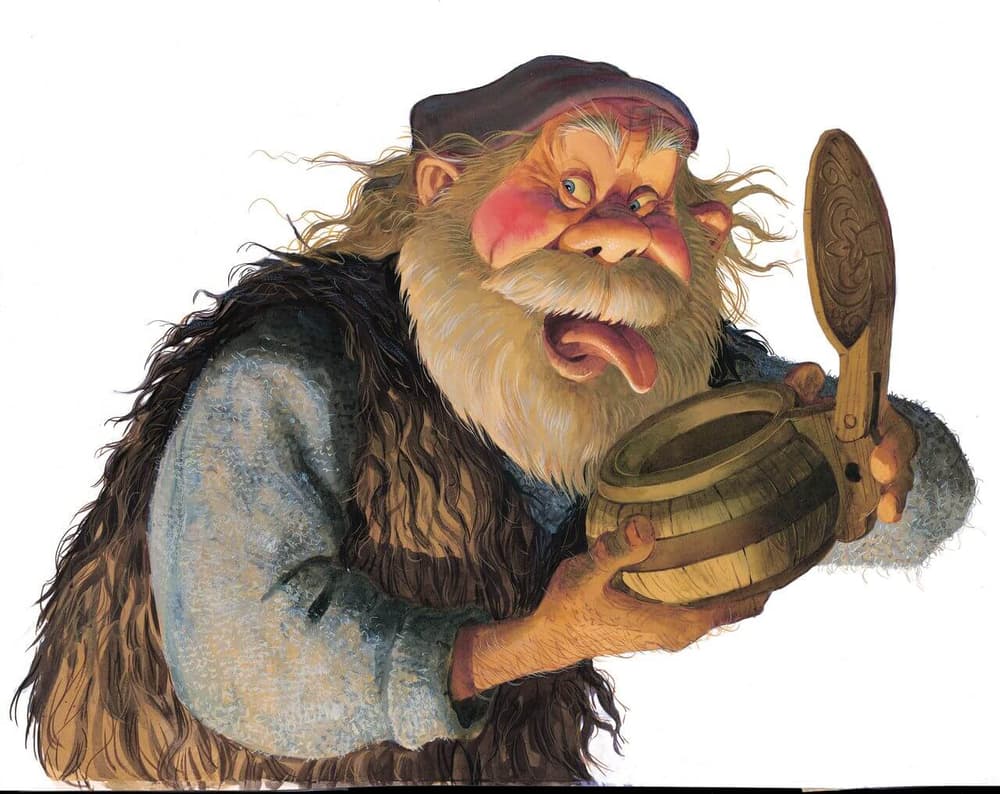
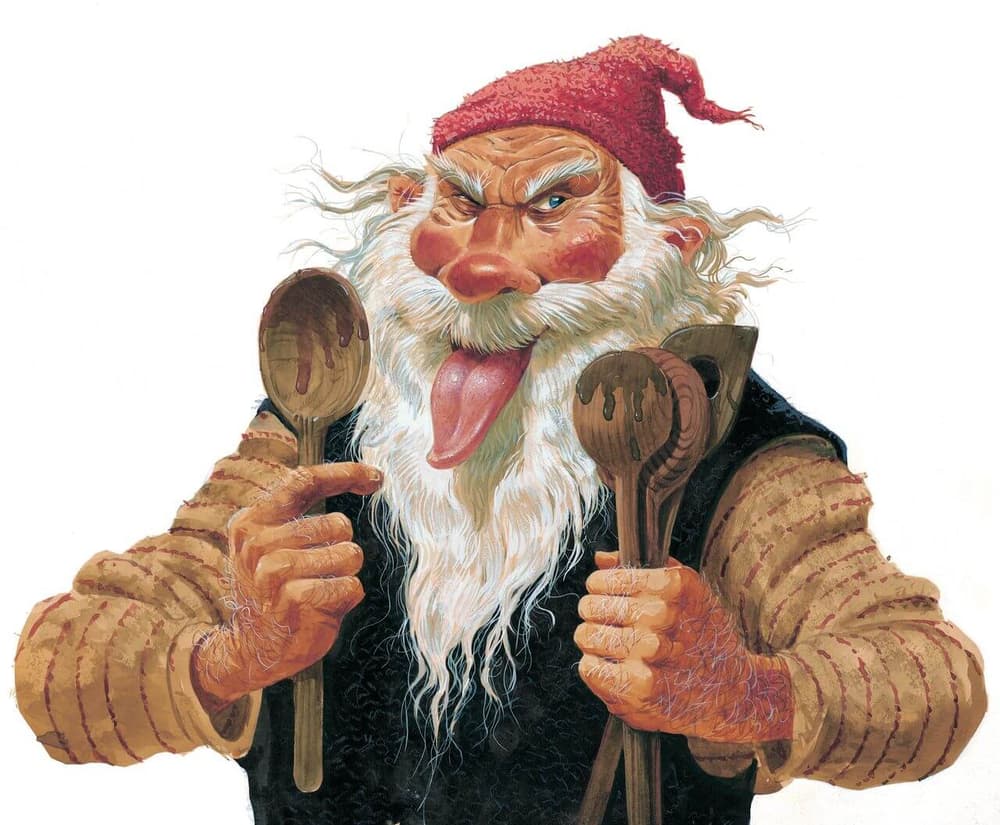
| Dec 15 | Þvörusleikir | Spoon Licker | Extremely thin; licks spoons and ladles |
| Dec 16 | Pottaskefill | Pot Scraper | Distracts households, then licks pots clean |
| Dec 17 | Askasleikir | Bowl Licker | Hides under beds, licks leftover food from bowls |
| Dec 18 | Hurðaskellir | Door Slammer | Slams doors at night, disturbing sleep |
| Dec 19 | Skyrgámur | Skyr Gobbler | Breaks into storage to eat as much skyr as possible |
| Dec 20 | Bjúgnakrækir | Sausage Snatcher | Hides in rafters, hooks sausages from the smokehouse |
| Dec 21 | Gluggagægir | Window Peeper | Peers through windows looking for things to steal |
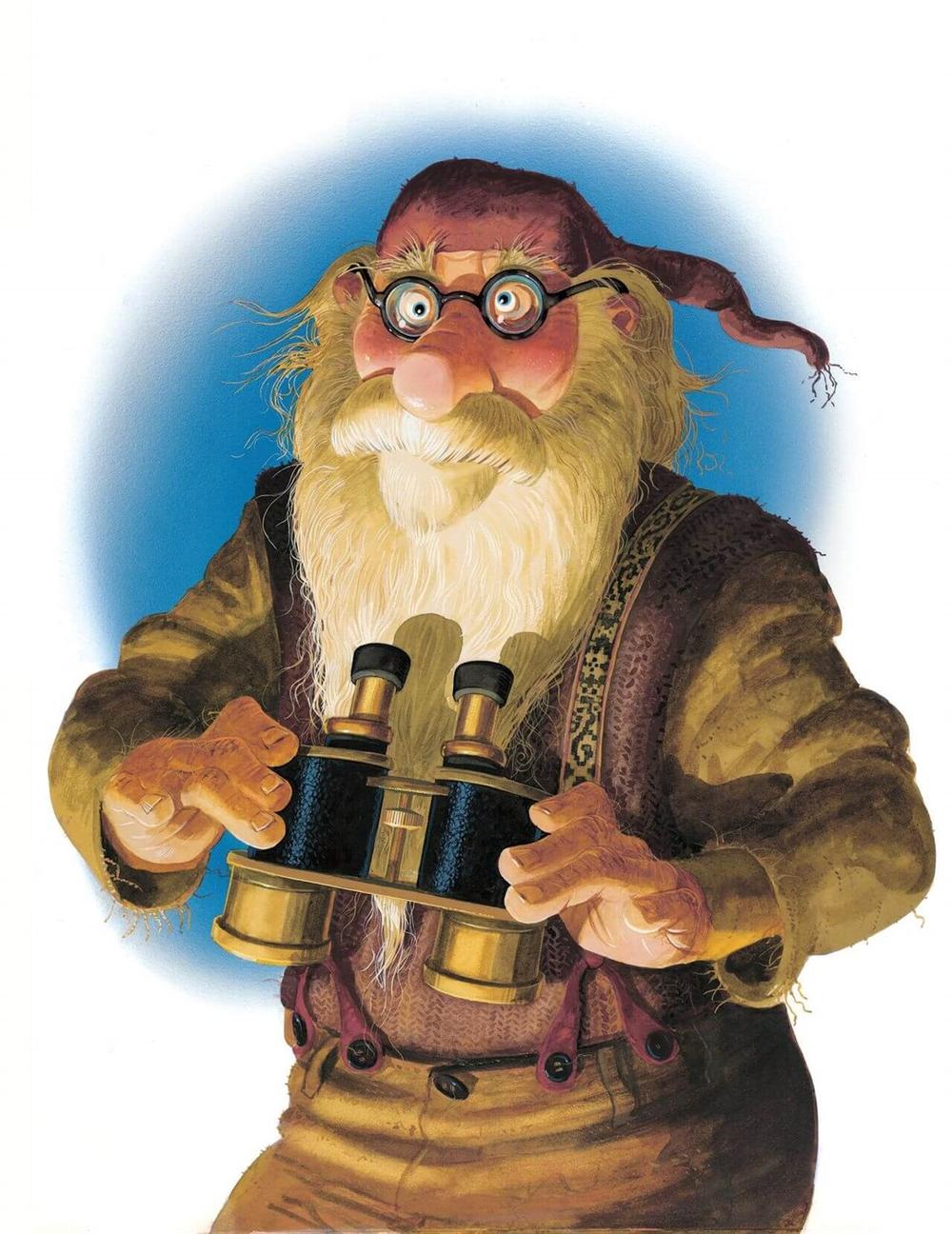
| Dec 22 | Gáttaþefur | Doorway Sniffer | Uses his oversized nose to sniff out treats to steal |
| Dec 23 | Ketkrókur | Meat Hook | Climbs down chimneys to steal smoked lamb |
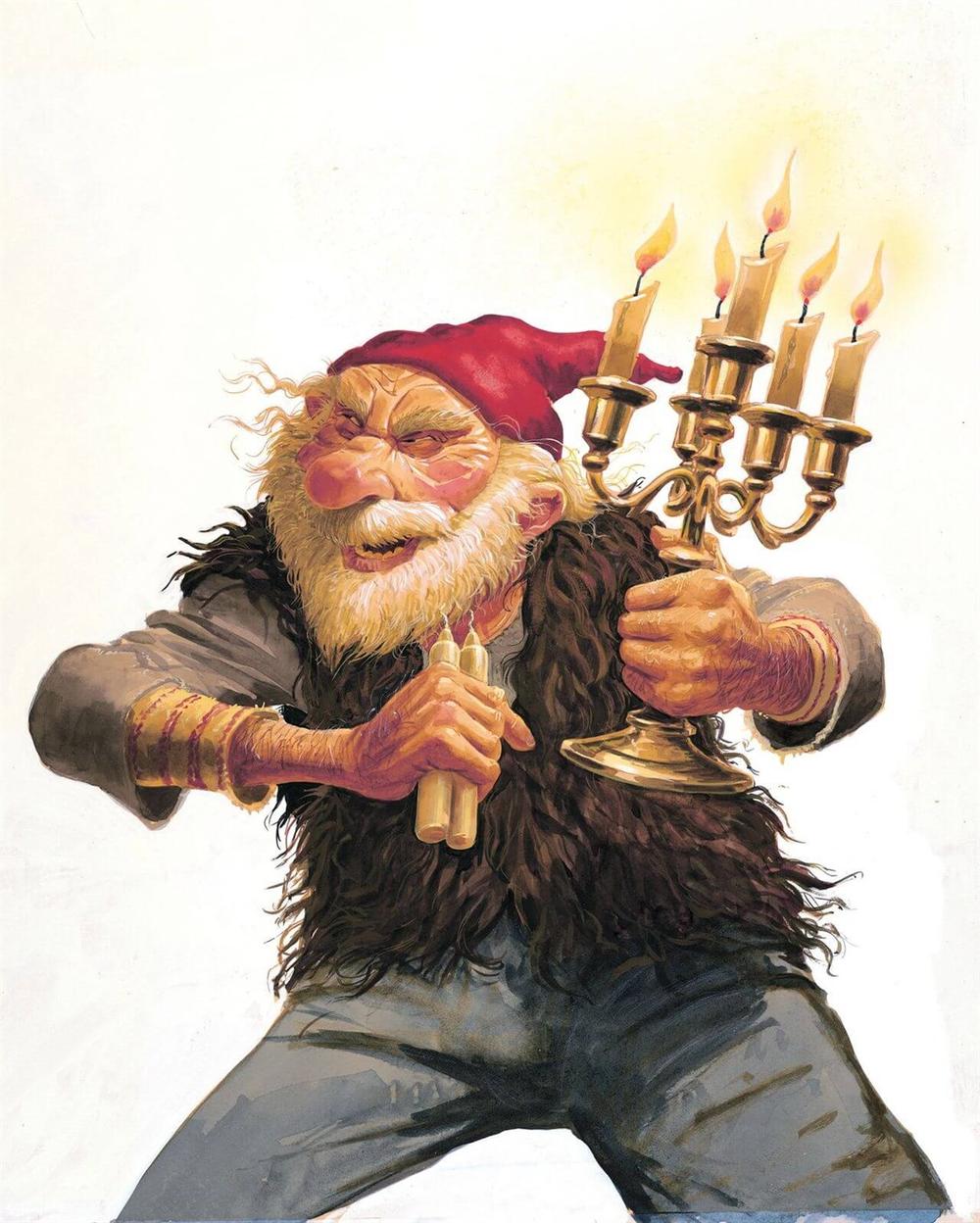
| Dec 24 | Kertasníkir | Candle Snatcher | Chases children to steal and eat their candles |
If you're travelling in Iceland during this period, this is also the timing behind the "shoe in the window" tradition many hotels and guesthouses reference in December, a nice bit of context if you're exploring Icelandic culture beyond the landscapes.
Grýla, Leppalúði and the Yule Cat
The Yule Lads don't act alone, the wider family adds a genuinely darker layer to the story, which is part of what makes it stand out from other Christmas traditions.
Grýla is the Yule Lads' mother, a monstrous troll who hunts misbehaving children throughout the year and is said to eat those she catches. She only descends from the mountains around Christmas, much like her sons.
Leppalúði is Grýla's husband and the Yule Lads' father, described as lazy and largely absent from the story, he mostly stays in the cave while the rest of the family is out. It's unclear whether he's a troll, a man, or something else entirely, and Icelandic folklore doesn't resolve it.
The Yule Cat (Jólakötturinn) is the family's enormous pet, another child-eating creature, but with a specific rule: he only goes after people who haven't received new clothes before Christmas. This detail is often cited as the folkloric reason gifting new clothes at Christmas became customary in Iceland.

How are the Yule Lads different from Santa Claus?
Both figures are called "jólasveinn" in Icelandic, meaning roughly "Christmas guy," and that's about where the overlap ends in the original folklore. In modern practice they've converged somewhat, both are said to reward good behaviour with gifts, but the traditions remain distinct in origin, timing and character.
| Yule Lads (Iceland) | Santa Claus | |
|---|---|---|
| Number of figures | 13 brothers | 1 |
| Gift period | 13 nights before Christmas, one lad per night | Christmas Eve only |
| Where gifts are left | Shoe on the windowsill | Stocking or under the tree |
| Home | Mountain cave (Grýluhellir) | North Pole |
| Family | Troll mother (Grýla), troll father (Leppalúði), pet Yule Cat | Mrs. Claus, elves |
| Original character | Mischievous, sometimes criminal, mountain-dwelling trolls | Benevolent gift-giver |
| Modern character | Friendly, popular figures who still keep their quirks | Benevolent gift-giver |
Are the Yule Lads still scary today?
No, the Yule Lads have largely shed their reputation as thieving mountain trolls and are now seen as friendly, if eccentric, seasonal figures. Icelandic children today look forward to their arrival rather than fearing it, and many households leave out skyr, a spoon, or a candle as a small welcome for the lad expected that night.
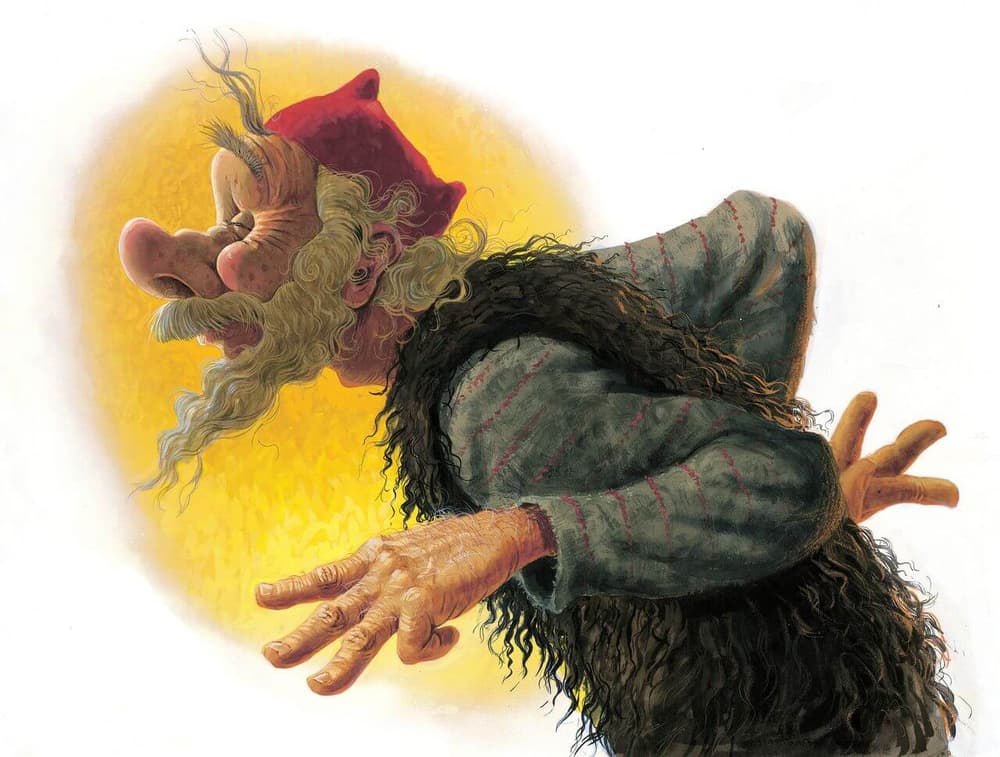
The Yule Lads have also become genuine public figures in modern Icelandic Christmas culture, regularly appearing in costume at town events, markets and festivals around the country in December. If your trip lines up with this period, keep an eye on local town programs, sightings are common at Christmas markets in Reykjavik and smaller towns alike.
Planning a December self-drive trip around the Yule Lads season
Iceland's Yule Lads season runs through the darkest, coldest weeks of the year, so a winter self-drive trip built around it needs the same preparation as any other Icelandic winter drive. Daylight is short, roads can be affected by snow, ice or wind, and conditions change quickly, so it's worth reading a proper winter driving guide before you go and checking road and weather updates from umferdin.is and vedur.is throughout your trip.
Choosing the right vehicle matters more in December than in summer, many visitors opt for a 4x4 for extra confidence on snow and ice, and it's worth thinking this through using a guide like do you need a 4x4 in Iceland before booking. Blue Car Rental offers a range of vehicles from 2WD to 4x4, along with online check-in and key-box pickup (for customers who add the Liability Waiver and complete online check-in) at Keflavik Airport, which is useful if your flight lands in the low light of a December afternoon and you'd rather not queue at a counter.
 HOW BLUE CAR RENTAL SUPPORTS LOCAL COMMUNITIES IN ICELAND