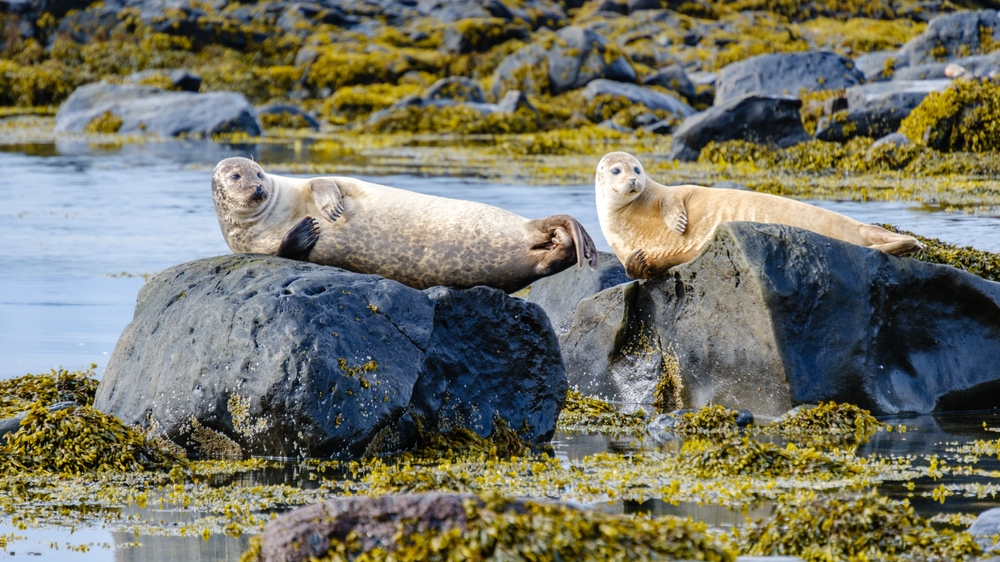
Ytri‑Tunga is one of the easiest places to see wild seals in Iceland. It sits on the south side of the Snæfellsnes Peninsula, right by Route 54, with a small parking area and a short walk to the beach. Come at low tide, keep your distance, and you often see seals hauled out on the rocks. It’s an easy day trip from Reykjavík, exactly the kind of outing a Blue Car Rental makes simple.
Quick take
- Why go: Reliable seal sightings, wide views toward Snæfellsjökull, golden‑tan sand (unusual for Iceland).
- Where: South coast of Snæfellsnes, signed turn‑off from Route 54.
- Drive time: About 2–2.5 hours from Reykjavík (conditions can add time).
- Parking & path: Small lot; a short, uneven path to the shore.
- Season: Year‑round, with best chances late spring through summer.
- Tide tip: Arrive near low tide for the best view of rocks where seals rest.
Respect the wildlife. View from a distance (binoculars help), stay off seaweed‑slick rocks, and never step between pups and the water.
Getting there by rental car
Ytri‑Tunga is straightforward by car. From Reykjavík, follow the Ring Road (Route 1) north, then Route 54 onto Snæfellsnes. The beach sits roughly halfway along the peninsula’s south shore. Signs say Ytri‑Tunga. Pull into the small lot and follow the path to the shoreline.
- 2WD vs 4x4: In summer, a 2WD is usually fine for paved routes on Snæfellsnes. In winter, a 4x4 gives better stability and clearance on icy, wind‑blown roads. For winter preparation, see Driving in Iceland in winter.
- Parking basics: Iceland uses a mix of free lots and paid zones in towns. Ytri‑Tunga’s lot is simple, but it helps to know local rules. Read Parking in Iceland.
- Road & weather checks: Before you go, always check road status and wind forecasts (links in Plan & safety below).
Best time to see seals
For nature enthusiasts hoping to catch a glimpse of Iceland's charming seal population, Ytri-Tunga beach on the Snæfellsnes Peninsula offers an almost guaranteed sighting. While seals can be observed here throughout the year, the period from late spring through summer typically provides the most reliable opportunities for visitors. During these warmer months, the seals are more frequently seen basking on the rocks and sand, making it an ideal time for photography and wildlife watching. The beach is a popular haul-out spot for both harbor seals and grey seals, and their playful antics and serene lounging provide a memorable experience for those who visit.
- Tide matters: Low tide exposes rock “haul‑outs” the seals prefer. Check a tide app and aim to be on the beach as the tide is going out.
- Time of day: Morning and late afternoon often give soft light and quieter crowds.
- Seasonal note: In winter, you may still spot seals, but expect fewer animals and harsher weather. The beach itself can be beautiful with snow and low sun.
How to watch respectfully (and get better photos)
Seal-watching in Iceland offers a truly incredible and unforgettable experience, allowing you to connect with nature and observe these magnificent creatures in their natural habitat. To ensure both your safety and, more importantly, the well-being of the seals, it's crucial to follow a set of responsible guidelines. These guidelines are designed to minimize disturbance to the seals, protect their delicate ecosystem, and allow you to enjoy a rewarding and ethical encounter. By adhering to these principles, you contribute to the conservation of these beautiful animals and help preserve their environment for future generations of both seals and seal-watchers.
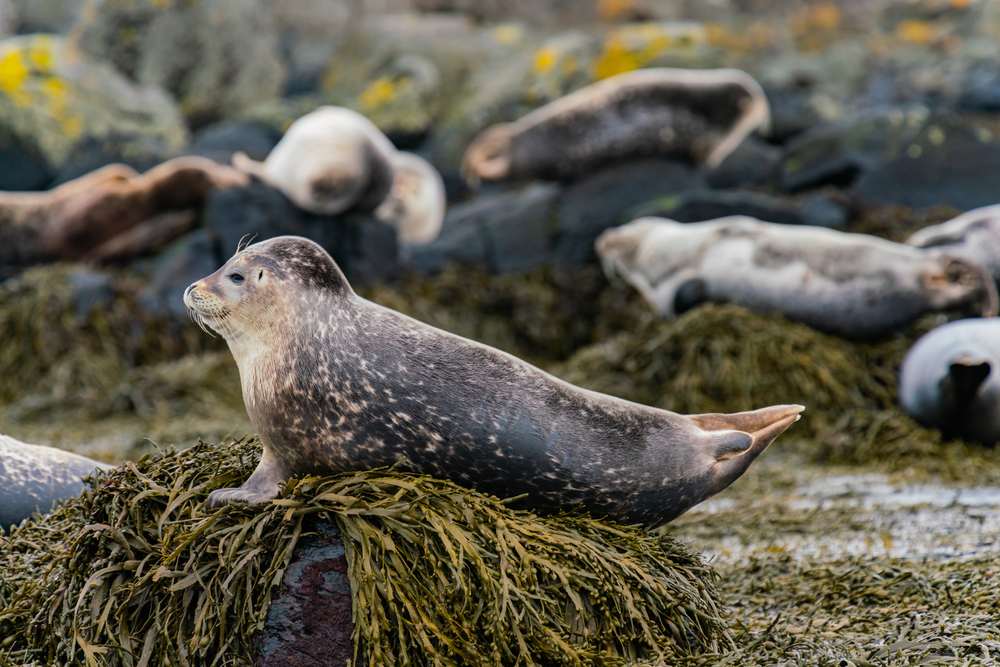
- Keep distance. If a seal lifts its head, shuffles, or goes into the water, you’re too close. Back up.
- Stay low and calm. Sit or crouch; avoid sudden moves and loud voices.
- No drones over wildlife. Drone rules are strict in protected areas and around animals. Learn the basics in Are drones allowed in Iceland? and see the official links in Plan & safety.
- Never feed wildlife. It alters behavior and can harm animals.
- Mind the seaweed. Rocks are slick; move carefully and keep kids close.
- Bring binoculars/zoom. You’ll see more—and keep the animals relaxed.
What to bring
To make the most of your Icelandic adventure, packing wisely is essential. The weather can be unpredictable, even in summer, so being prepared for all conditions will ensure a comfortable and enjoyable trip. Here's a detailed list of what you should consider bringing:
- Windproof layers and a warm hat. Iceland's strong winds make layers and a warm hat essential, even in summer.
- Waterproof shoes or boots. Keep your feet dry while exploring Iceland's wet landscapes.
- Binoculars or phone with decent zoom. Capture wildlife and distant scenery.
- Thermos and snacks. Services are spaced out, so bring your own refreshments.
- Dry bag or pouch. Protect electronics from water.
- Portable Wi-Fi device or local SIM card. Stay connected for navigation and updates.
Check out our guide on what to wear in Iceland.
Plan a simple day trip from Reykjavík
Here’s an easy, flexible loop for a long day with short walks and big views.
1) Ytri‑Tunga (seals, 45–90 min)
Arrive near low tide. Walk the shoreline and scan the rocks. Give the animals space.
2) Búðir church (15–30 min)
Short hop west. A classic black church set in lava fields and golden grass.
3) Arnarstapi & Hellnar (60–90 min)
Short cliff‑top walk over sea arches and columned cliffs. Coffee/cake at the café by Hellnar when open.
4) Lóndrangar & Djúpalónssandur (45–60 min)
Basalt towers and a dramatic black‑sand bay. Respect waves and stay behind ropes.
5) Gerðuberg basalt columns (20–30 min)
Grid‑like columns near the peninsula’s eastern side—good light late in the day.
For a broader peninsula overview, see Discover Snæfellsnes by rental car.
Roads, weather, and winter notes
The Snæfellsnes Peninsula in Iceland is known for its diverse landscape and unpredictable, often harsh weather, especially strong winds and winter conditions with ice and snow. When planning a trip, it's crucial to allow ample time and not rush, particularly in bad weather. A 4x4 vehicle is highly recommended, especially in winter, for navigating challenging roads. Even in other seasons, a robust vehicle offers more comfort and safety on less-maintained routes. Always check weather and road conditions and be ready to adapt plans for a safe and enjoyable trip.
- Winter prep: Read Driving in Iceland in winter and Do I need winter tires?.
- General rules: New to local signs, lanes, and speed limits? Start with Driving in Iceland and Road signs guide.
- Insurance basics: Learn what coverage fits your trip in Car rental insurance in Iceland.
Plan & safety: official resources
Keep these open before any self‑drive day in Iceland:
- Roads & conditions: Icelandic Road Administration – road.is (map and live updates).
- Weather & warnings: Icelandic Met Office – en.vedur.is (forecasts/alerts).
- Travel safety & alerts: safetravel.is (ICE‑SAR).
- Drone rules & permits: Environment Agency of Iceland (protected areas) and the Icelandic Transport Authority for national drone guidelines.
- Seal facts & ethics: Icelandic Seal Center (Hvammstangi) for species info and respectful watching.
Pair Ytri‑Tunga with other wildlife stops
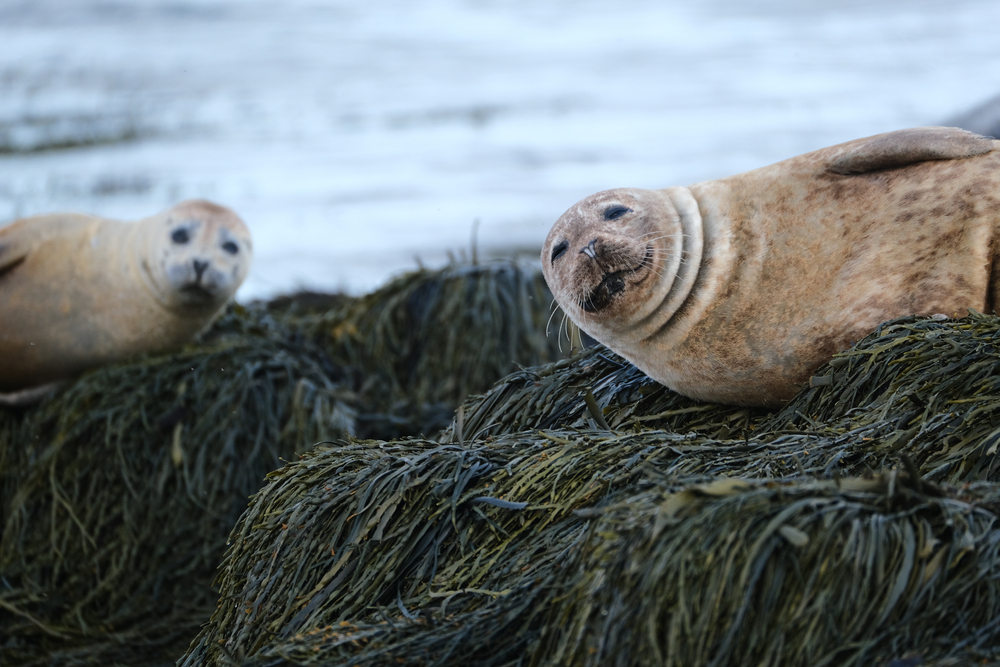
If your interest is piqued by the captivating world of seals, Iceland offers numerous opportunities for further exploration. Venture to the Vatnsnes Peninsula, a renowned hotspot for seal viewing. Here, you'll find an abundance of viewpoints where you can observe these charming marine mammals in their natural habitat. A visit to the Icelandic Seal Center, conveniently located on the peninsula, is highly recommended. This informative center provides valuable insights into the lives of seals, their conservation, and the unique marine ecosystem they inhabit.
Beyond seals, Iceland's diverse birdlife is equally compelling. Consider exploring magnificent bird cliffs such as Arnarstapi and Lóndrangar on the Snæfellsnes Peninsula. These dramatic coastal formations are home to thousands of nesting seabirds, offering a spectacular display of avian activity, especially during the breeding season.
For those planning a broader adventure focused on Iceland's incredible natural wonders and wildlife, we encourage you to consult our comprehensive guide: Exploring Iceland’s wildlife with a rental car. This valuable resource provides detailed information on various wildlife viewing opportunities across the country, complete with practical tips for navigating Iceland's diverse landscapes with the convenience of a rental car. It’s an essential read for anyone looking to maximize their wildlife encounters and explore Iceland’s pristine wilderness at their own pace.
Why a Blue Car Rental fits this trip
Choosing the right rental car is crucial for any trip, especially in Iceland where road conditions can vary dramatically. Blue Car Rental offers a range of vehicles and services designed to enhance your journey, no matter the season or your specific needs. Discover why Blue Car Rental is the perfect fit for your Icelandic adventure.
- Right car for the season. 2WD options for summer roads; capable 4x4 choices for winter and mixed conditions.
- Fast pickup. Online check‑in and optional key box help you hit the road quickly.
- Clear coverage options. Choose the protection that matches your plan (see our insurance guide above).
- Local support. Friendly help and 24/7 roadside assistance if you need it.
Blue Car Rental offers a diverse fleet of vehicles suitable for all seasons in Iceland, from economical 2WD options for summer to robust 4x4s for challenging winter conditions and the Highlands. They provide a fast and effortless pickup process with online check-in and an optional key box service. The company also offers clear and comprehensive insurance coverage options and dedicated 24/7 local support, including roadside assistance, to ensure a safe and enjoyable Icelandic travel experience.
For more short, flexible itineraries, see Top short road trips from Reykjavík.
Final notes
Keep the tone low‑key and respectful on the beach. Give seals room, watch the waves, and enjoy the quiet. If the weather turns, be ready to change plans. That’s Iceland—and that’s part of the fun of a self‑drive day with Blue.
Still unsure about renting a car in Iceland and exploring its wildlife and other natural wonders? That’s fine but if you do want more clarity there’s our Guide to best car rental in Iceland: Quick and simple.
 CAN YOU DRINK TAP WATER IN ICELAND?