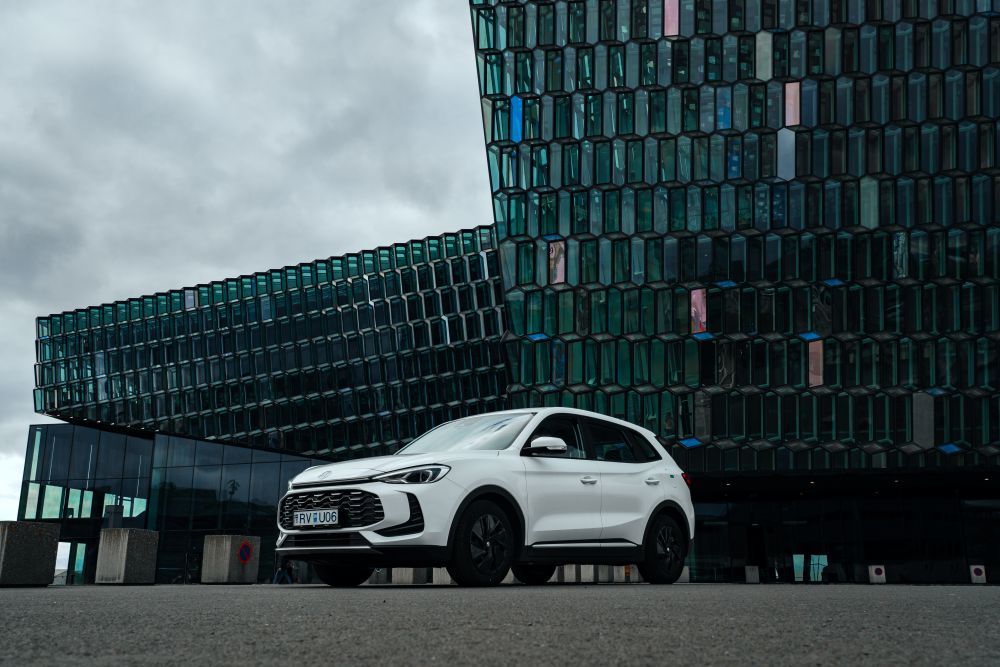

Electric car rental in Iceland has grown from a niche option to a practical choice for many self-drive visitors, but it works differently here than in most countries. Before you commit to an EV for your Iceland trip, it helps to understand how the charging network is structured, which routes suit electric driving, and where the real limitations lie.
Is renting an electric car in Iceland actually practical?
For most visitors driving the South Coast, the Snæfellsnes Peninsula, or staying within the greater Reykjavik area, yes, an electric car rental in Iceland is genuinely practical. The charging infrastructure along Iceland's most popular routes has improved significantly, and driving costs are lower than with petrol vehicles.
The picture changes on longer, more remote routes. If you're planning to drive the full Ring Road or venture into the Highlands on F-roads, range and charging frequency require more careful planning.
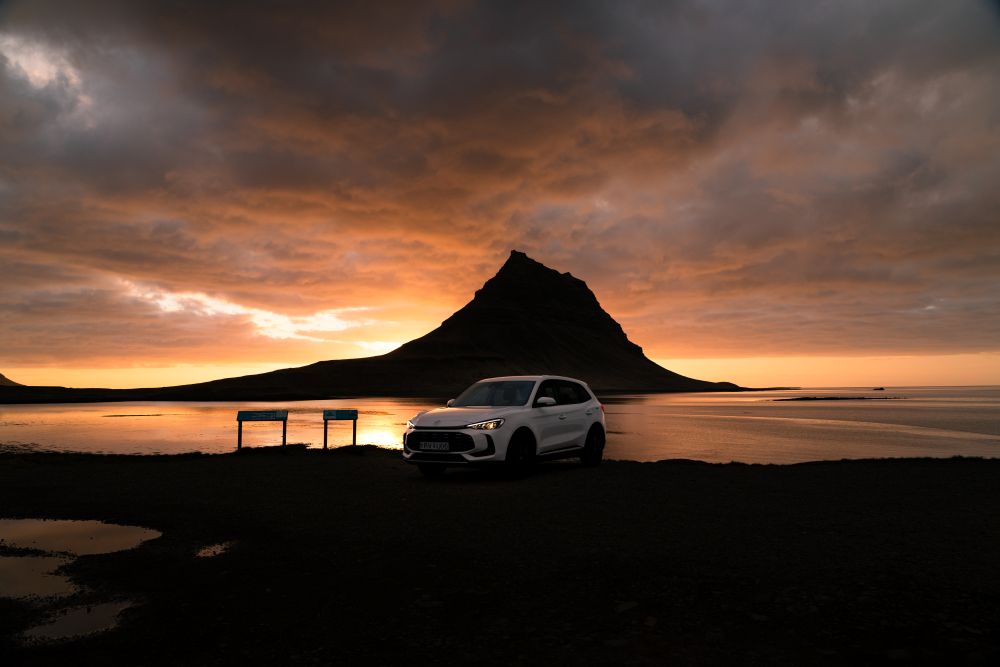
How Iceland's EV charging network is structured
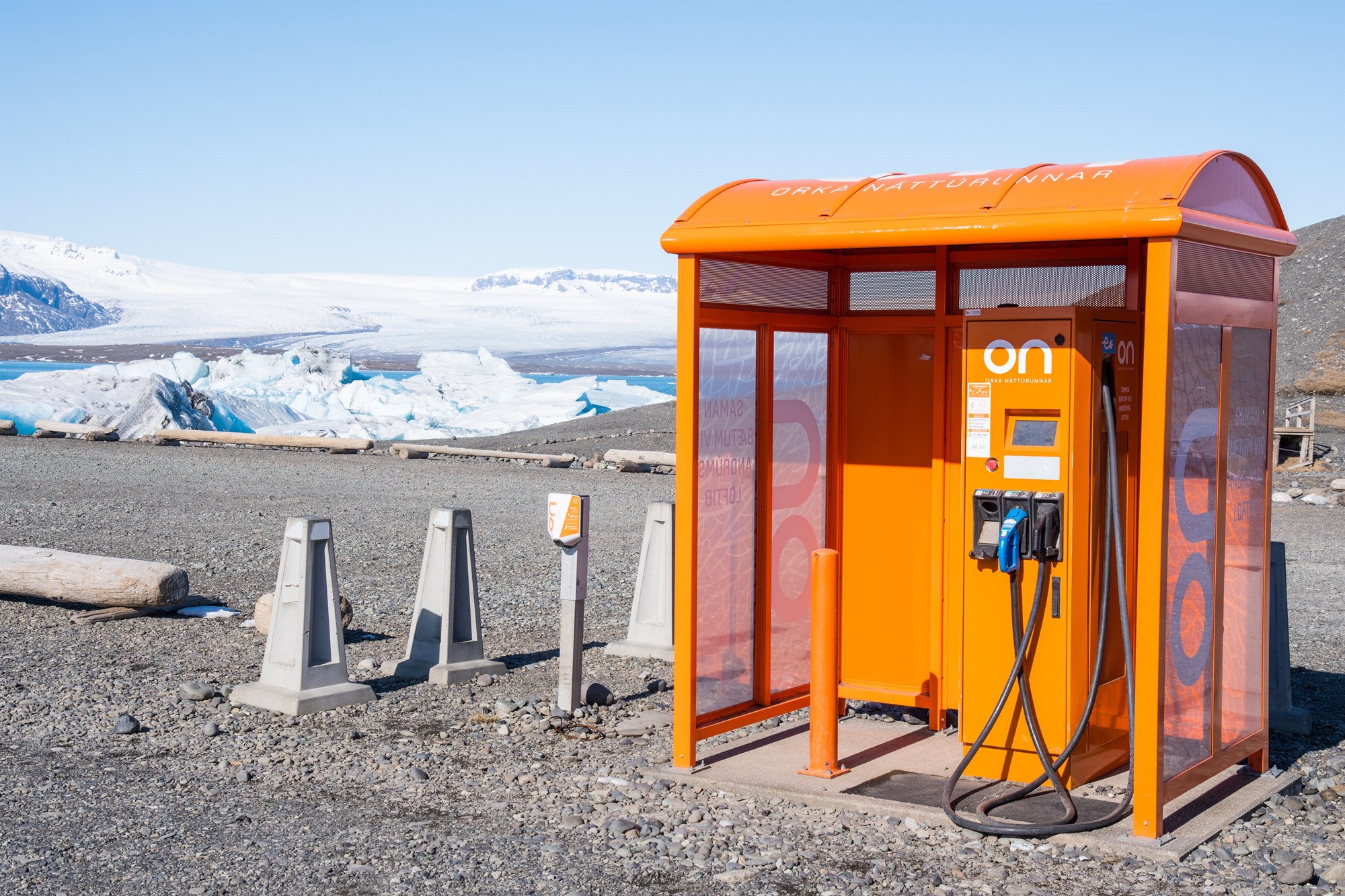
Iceland has a growing network of charging stations operated primarily by ON Power (Orka náttúrunnar) and Chargy, with additional points at hotels, guesthouses, and petrol stations. Coverage is strongest on the following corridors:
- Reykjavik and the Capital Region, dense coverage, multiple fast chargers
- South Coast to Vík, well-served, with charging points at Selfoss, Hvolsvöllur, and Vík itself
- Snæfellsnes Peninsula, workable with planning; slower chargers at key stops
- North Iceland / Akureyri, reasonable coverage in town, thinner in between
- East Fjords and remote Highland areas, gaps exist; EVs require careful range management
The Charging Stations Iceland website and the PlugShare app are the most reliable tools for planning stops in real time.
Why EVs make sense on Iceland's popular routes
Lower running costs
Electricity in Iceland is generated almost entirely from geothermal and hydroelectric sources, which keeps charging costs well below the cost of petrol or diesel. For travellers doing high daily mileage on the South Coast or the Golden Circle, the savings over a week-long rental can be meaningful. For current petrol price context, see our post on Iceland fuel prices and how they affect rental costs.
Smooth, quiet driving
Iceland's main sealed roads are well-suited to EV driving. The quiet cabin makes it easier to hear wind, birdcalls, and the general stillness that makes self-drive travel here different from driving in most of Europe.
Low emissions on a fragile landscape
Iceland takes environmental stewardship seriously. Choosing an electric vehicle on a trip through one of Europe's most ecologically sensitive landscapes is a reasonable thing to consider, particularly if you're visiting areas like Þórsmörk or the South Coast.
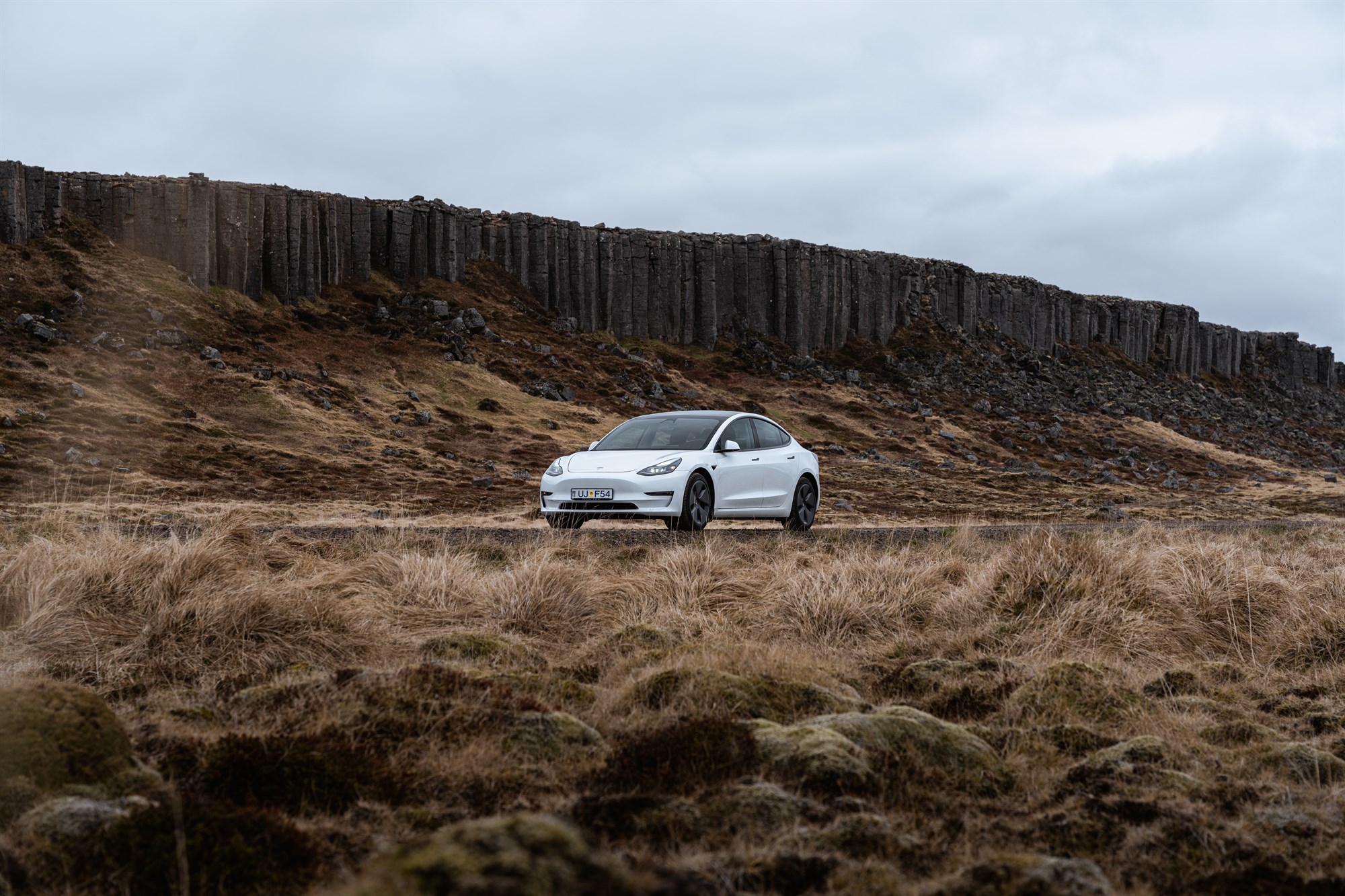
Where EV rental in Iceland has real limitations
F-roads and the highlands are not EV territory
F-roads, the unpaved Highland tracks that require a 4x4, are not suitable for electric vehicles. This isn't just a range issue; it's a road surface and ground clearance issue. Charging infrastructure in the Highlands is essentially nonexistent. If your itinerary includes routes like F35 Kjölur or F208 to Landmannalaugar, you need a 4x4, not an EV. For more on what F-roads actually demand from a vehicle, see our guide to driving F-roads in Iceland.
The full Ring Road requires careful planning
Driving all of Route 1, roughly 1,332 km, in an electric car is possible, but it's not a route where you can afford to ignore charge levels. The eastern section in particular has longer gaps between fast chargers. It's manageable for travellers who plan stops around charging rather than driving to a schedule, but it's not as relaxed an experience as the South Coast loop.
Cold weather affects range
In winter, battery range on any EV drops, sometimes by 20–30% depending on temperature, heating use, and speed. If you're renting an electric car in Iceland between November and March, factor this in when estimating how far you can comfortably drive between charges.
EV vs petrol: a quick comparison for Iceland trips
| Factor | Electric car | Petrol/diesel 4x4 |
| --- | --- | --- |
| Running cost per km | Lower | Higher |
| F-road access | Not permitted | Yes (4x4 required) |
| Ring Road suitability | Possible with planning | Straightforward |
| South Coast / Golden Circle | Well-suited | Well-suited |
| Winter range | Reduced by cold | Unaffected |
| Charging/refuelling stops | Every 150–250 km (varies by model and season; winter range may be lower, see cold weather section above) | Every 400–600 km |
| Environmental footprint | Very low (Iceland's grid is renewable) | Standard |
| Availability at Blue Car Rental | Yes, see our EV fleet | Yes, wide range |
Which electric cars are available to rent in Iceland?
Blue Car Rental's electric vehicle fleet includes options suited to different trip styles. The MG ZS EV is a practical choice for couples or solo travellers on well-served routes. For those wanting a larger or more premium EV experience, Tesla models are popular, and Iceland's road network and charging infrastructure make them more viable here than in many destinations.
Before booking any EV, check the stated range for that specific model and cross-reference it against your planned daily distances. For context, the drive from Reykjavik to Vík along the South Coast is approximately 186 km one way, well within range for most modern EVs, with charging options en route.
Pickup, insurance, and practical details
Picking up an electric rental at Keflavik Airport is straightforward. Blue Car Rental uses an online check-in and key-box system at the airport that means you don't need to queue at a counter after a long flight, the car is ready when you are.
On insurance: EVs are covered under the same insurance framework as other vehicles. It's worth reading through the available insurance options before you travel, particularly around what's covered in the event of a technical issue rather than a collision. As with any rental, roadside assistance is worth adding if you're driving less-frequented routes, where waiting times for help can be longer.
Practical tips for EV rental in Iceland
- Charge whenever you can, not just when you must. Hotels, guesthouses, and visitor centres often have charging points. Use them opportunistically rather than waiting until you're low.
- Download PlugShare and the ON Power app before you leave home. These give real-time charger availability and help you plan stops with confidence.
- Ask about the charging cable included with your rental. Different chargers use different connectors; confirm what's in the car before you set off.
- Build extra time into driving days in winter. Reduced range plus shorter daylight hours means you need more conservative planning than in summer.
- Check umferdin.is and vedur.is daily. Road and weather conditions in Iceland can change quickly, and this matters more when your range is finite.
 CURRENCY IN ICELAND: WHAT MONEY DO THEY USE AND HOW SHOULD TRAVELERS PAY?