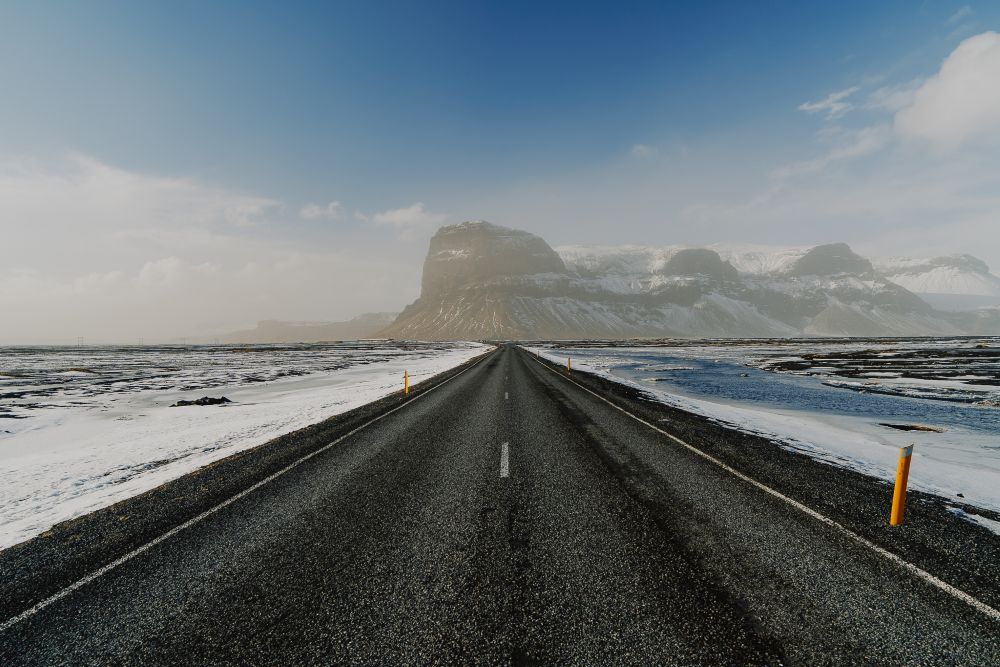

Choosing between a 4x4 or a 2WD rental car is one of the most important decisions you’ll make when planning a trip to Iceland. While you may assume a 4x4 is always necessary, I find the reality is more nuanced. In my experience a small car is perfectly sufficient in some situations. However it can quickly turn into a stressful (and expensive) mistake.
To avoid these mistakes I am going to help you understand exactly when a 2WD car is enough in Iceland, and when upgrading to a 4x4 is the smarter choice, based on real driving conditions, seasons, and travel plans.
Can I Travel Iceland With a 2WD Car, or Will I Need a 4x4?
Yes, you can travel Iceland with a 2WD car if you stick to main roads and visit during summer. However, if your trip includes winter driving, rough gravel roads, or Highland routes, I recommend a 4x4 for safer and more flexible choice.
Quick Answer: 2WD or 4x4?
-
2WD is enough for summer travel, paved roads, and popular routes like the Golden Circle and South Coast.
-
4x4 is recommended for winter driving, gravel-heavy routes, and unpredictable weather conditions.
-
4x4 is required for F-roads (Highlands) and remote areas.
If you’re unsure, the safest rule is: choose your car based on the most challenging part of your trip, not the easiest.
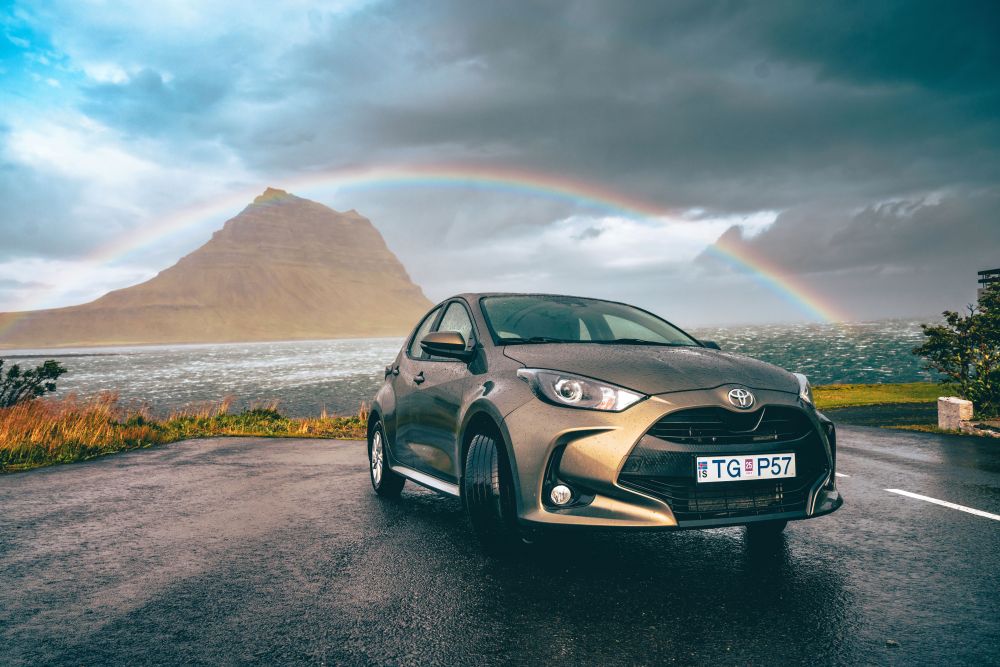
When a 2WD Car Works Perfectly
There are times and situations in Iceland in which you don't need 4x4. As a local working for a rental car company in Iceland I have been in almost everywhere at any given time of the there. Therefore, I can say with confidence, a 2WD rental car is often the best choice for travelers who:
1. Travel in Summer (June–August)
During Iceland’s summer months, road conditions are generally stable and clear. Most major routes are paved and well-maintained.
2. Stick to the Ring Road (Route 1)
The Ring Road is fully paved and accessible with a standard vehicle in good weather conditions.
3. Explore the Golden Circle & South Coast
Popular attractions like Þingvellir, Gullfoss, Geysir, Seljalandsfoss, and Reynisfjara are all reachable with a 2WD car.
4. Prefer Budget-Friendly Travel
2WD vehicles are typically cheaper to rent and more fuel-efficient, making them ideal for cost-conscious travelers.
Best for: short trips, city breaks, and summer self-drive itineraries.
When a 2WD Starts to Struggle
Then there are these other moments and places where it is a bit 50/50. Even outside winter, there are situations where a small car may not be the best choice. Here is when I recommend giving your car of choice a careful thought before booking:
1. Shoulder Seasons (April–May & September–October)
Weather can change quickly, bringing rain, strong winds, or even early snow.
2. Gravel Roads
Many scenic detours and rural routes include gravel sections, which can be rough and increase the risk of stone damage.
3. Wind Conditions
Iceland is known for strong winds that can make driving more difficult, especially in lighter vehicles.
In these cases, a 2WD is still possible, but requires more caution and flexibility.
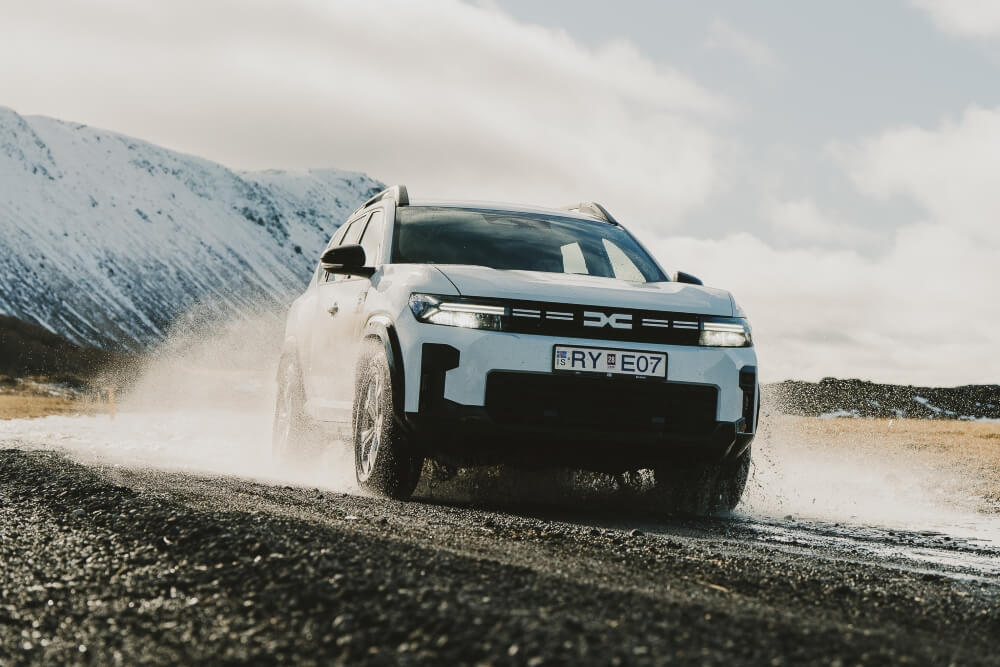
When a 2WD Will Likely Fail You
There are clear scenarios where choosing a 2WD car can limit your trip or create serious risks. I have been stuck in snow on a 2WD in Reykjavik and the countryside and it is not fun. This is when don't want to risk your travel time in Iceland:
1. Winter Travel (November–March)
Snow, ice, and limited daylight make driving conditions significantly more challenging. A 4x4 provides better traction and control.
2. F-Roads and the Highlands
F-roads are mountain tracks that require a 4x4 by law. These roads often include rough terrain, steep sections, and river crossings.
3. Remote or Less-Traveled Areas
Exploring beyond the main tourist routes often involves uneven roads and limited services.
In these cases, a 4x4 is not just recommended, in my opinion it's essential.
Real Situations Travelers Regret
Many travelers choose a 2WD to save money but later encounter situations they didn’t expect:
-
Getting stuck in snow or mud
-
Avoiding planned stops due to road conditions
-
Dealing with gravel damage or chipped windshields
-
Feeling uncomfortable driving in strong winds
These scenarios are common in Iceland due to its unpredictable environment. Choosing the wrong vehicle can affect both safety and overall travel experience.
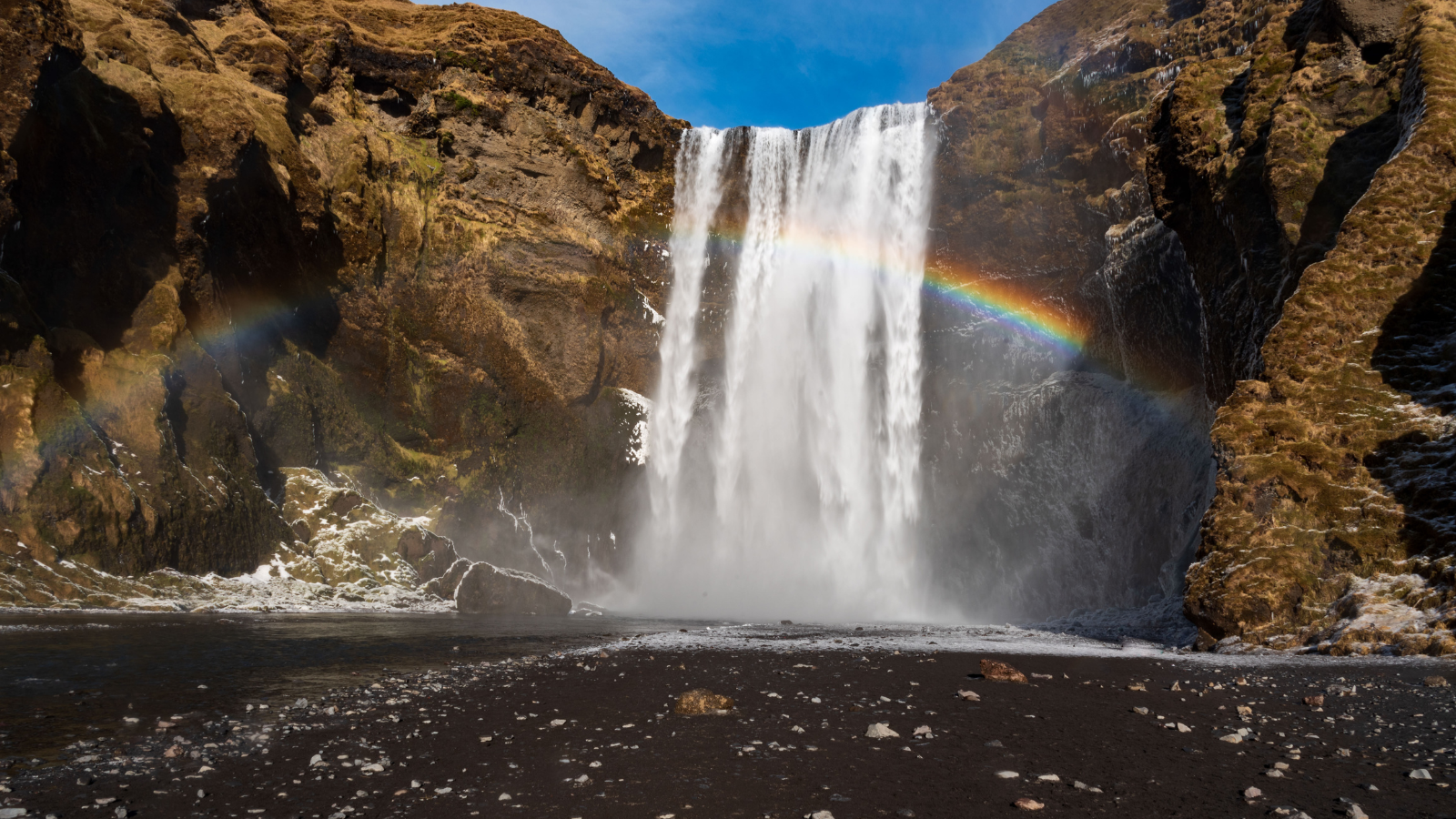
Is Saving Money on a 2WD Worth It?
At first glance, a 2WD car seems like the cheaper option. However, it’s important to consider the bigger picture.
2WD Advantages
-
Lower rental cost
-
Better fuel efficiency
-
Easier city driving
4x4 Advantages
-
Greater flexibility
-
Better safety in difficult conditions
-
Access to more remote locations
The decision often comes down to risk vs. savings. Spending slightly more on a 4x4 can provide peace of mind and open up more travel opportunities. To get a clear picture feel free to check out our blog about fuel prices in Iceland.
Best Car Types by Travel Style
Couples & Solo Travelers
-
2WD compact cars for summer trips
-
Small SUVs for added comfort
Families
-
Mid-size or large SUVs for space and stability
Adventure Travelers
-
Full 4x4 vehicles for Highlands and F-road access

Why Choosing the Right Car Matters
I believe that your rental car is more than just transportation. it’s your key to exploring Iceland safely and comfortably.
Choosing the right vehicle ensures:
-
A smoother driving experience
-
Greater flexibility in your itinerary
-
Confidence in changing conditions
With a wide range of vehicles available, from compact cars to fully equipped 4x4 SUVs, Blue Car Rental helps travelers find the perfect match for their trip. Whether it’s a summer road trip or a winter adventure.
Conclusion
So, can you travel Iceland with a 2WD car? Yes, in the right conditions.
But if your trip includes winter travel, unpredictable weather, or more adventurous routes, I recommen a 4x4 as is often the better and safer choice.
So, if your're just planing a standard Ring road trip along Iceland's southern coast in summer a 2WD is perfectly fine. Especially in the midnight sun. On the other hand if the plan is to chase after the northern lights in winter, I must recommend a 4x4.
For me the key to a great self-drive trip in Iceland is simple: match your car to your travel plans, not just your budget.
If you want to learn more, here's our guide on how to prepare for driving in Iceland or watch our video about renting a 2WD vs 4WD.
 DRIVING IN WINTER: ICELAND’S CAR RENTAL SAFETY GUIDE FOR FIRST-TIME VISITORS