
Iceland's unique landscape and weather conditions make driving in Iceland an adventure unlike anywhere else in the world. Whether you're planning to explore the famous Ring Road or venture into the Highland F-roads, understanding Iceland's road system is crucial for a safe and enjoyable journey.
Renting a car with a trusted provider like Blue Car Rental ensures you'll have the right vehicle for the terrain and conditions you plan to tackle. If you plan to rent a car in Iceland, booking early and choosing the correct class for the season will make your trip smoother.
Types of Roads in Iceland
Iceland's diverse landscape calls for multiple types of roads spreading across the country. From comfortable highways to rugged off the beaten track mountain trails. Here are the roads in Iceland you must know before starting your journey. Below are practical Iceland driving tips about the main road types:
Ring Road (Route 1)
The Ring Road Iceland, or Þjóðvegur 1, is Iceland's main highway circling the entire island. This 1,332-kilometer paved road connects most of Iceland's major towns and attractions. While generally well-maintained, it's mostly a two-lane road with occasional single-lane bridges.
Paved Roads
Beyond the Ring Road, you'll find paved roads connecting major towns and popular tourist destinations. These roads are typically numbered from 1-99 and are maintained year-round, making them suitable for all types of vehicles.
Gravel Roads
Many secondary roads in Iceland are gravel surfaces. These Iceland gravel roads, usually numbered 200-999, require more careful driving, especially regarding speed and maintaining safe distances from other vehicles to avoid windshield damage from loose stones.
F-Roads (Mountain Roads)
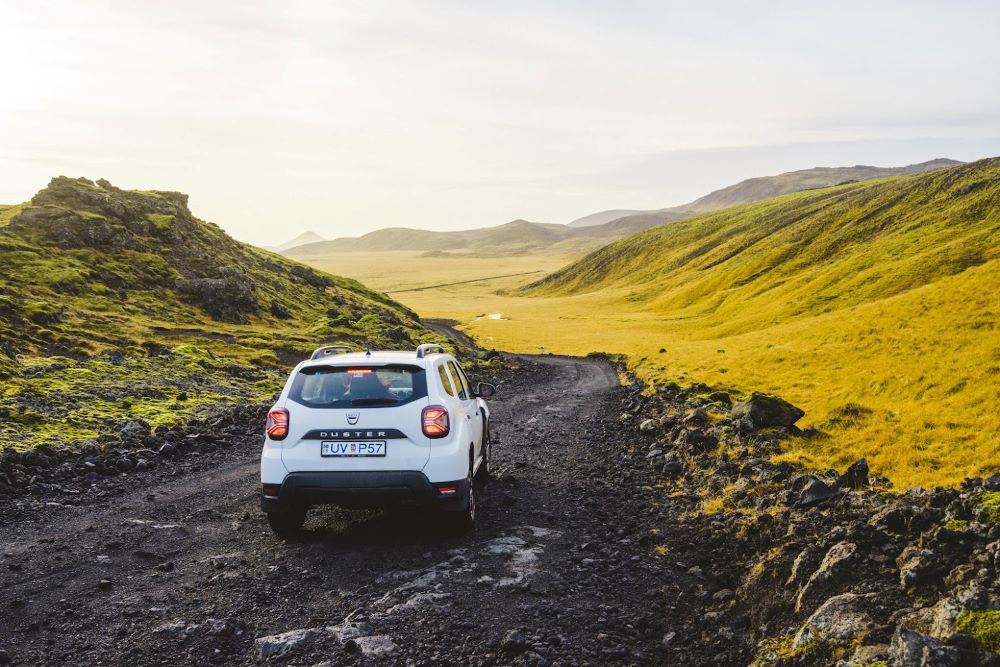
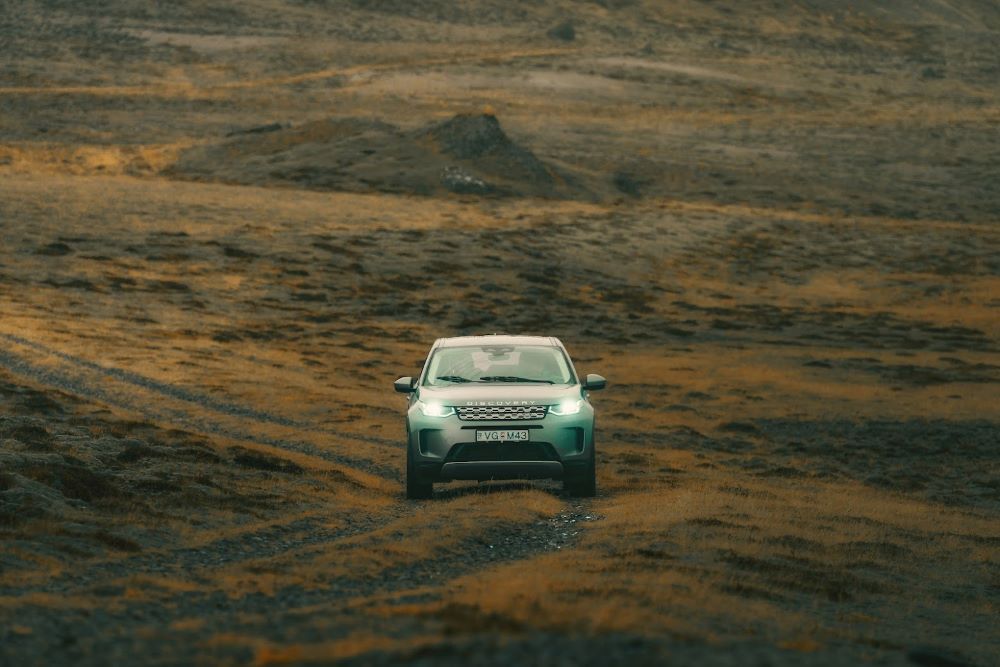
F-roads Iceland, marked with an "F" before their number (like F208), are rugged mountain tracks that lead into Iceland's highlands. Important notes about F-roads:
- Only open during summer months (typically June to September)
- Require 4x4 vehicles by law
- Often involve river crossings
- No services available along most routes
- Conditions can change rapidly
Seasonal Driving Conditions
So, when is the best time to visit Iceland? Driving in Iceland changes dramatically depending on the season and understanding these conditions can make a huge difference in your travel experience. Proper preparation is essential, and renting a well-equipped vehicle from Blue Car Rental ensures you'll have the tools you need for a safe journey, no matter the season. Always review Iceland road conditions before departure.
Summer (June-August)
- 24-hour daylight
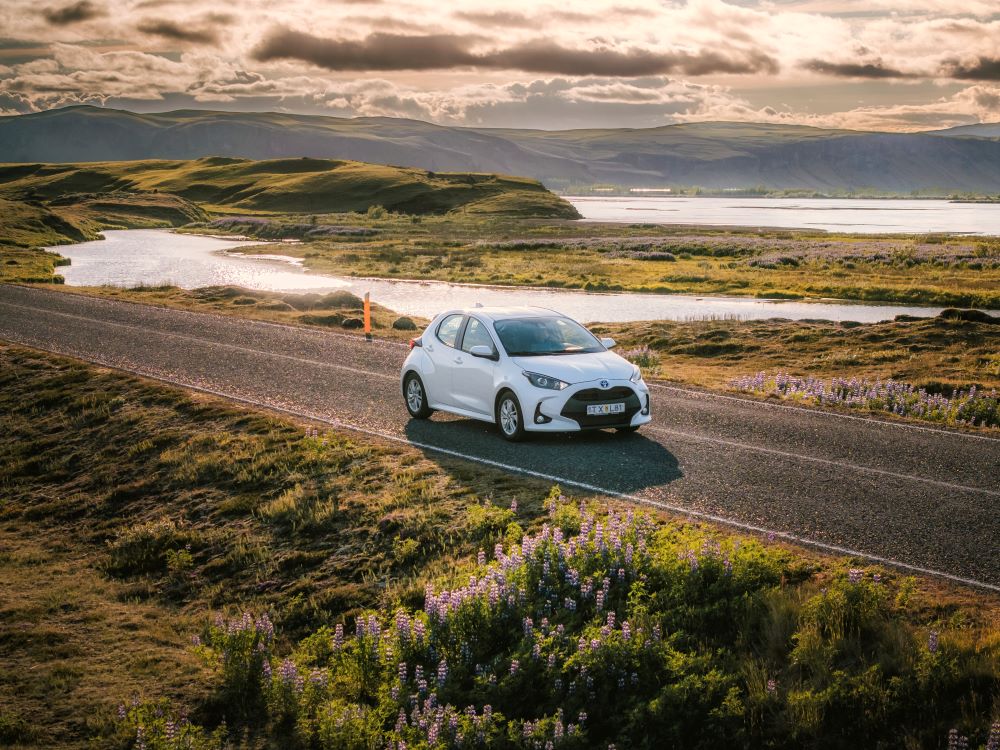
- Most roads accessible, including F-roads
- Higher traffic volume
- Best road conditions
- Still prepare for sudden weather changes
Autumn (September-October)
- Decreasing daylight
- F-roads begin closing
- Variable weather conditions
- Watch for early frost and ice patches
Winter (November-March)
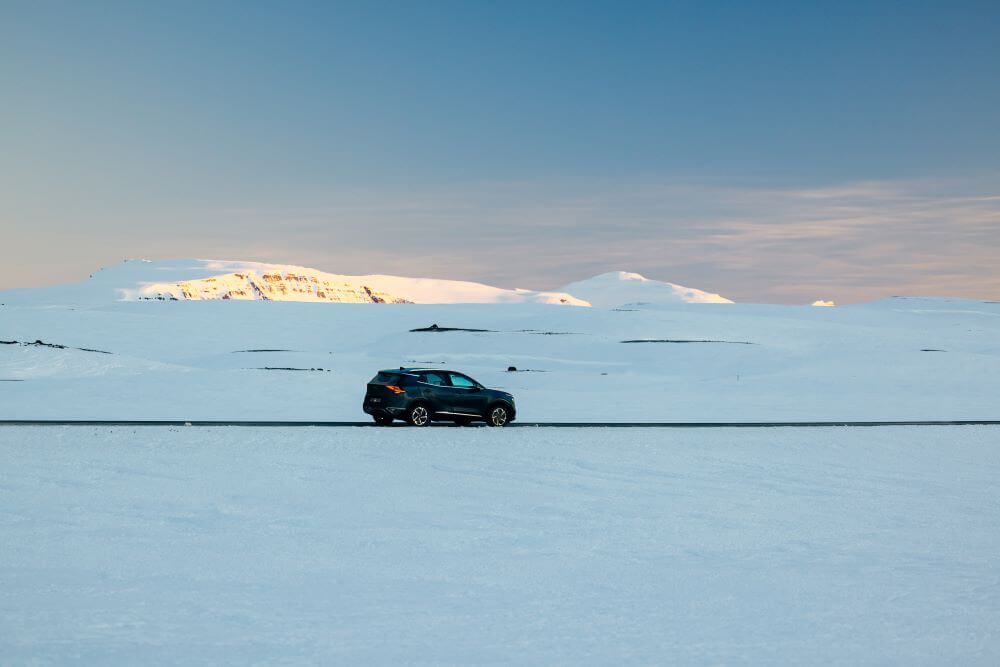
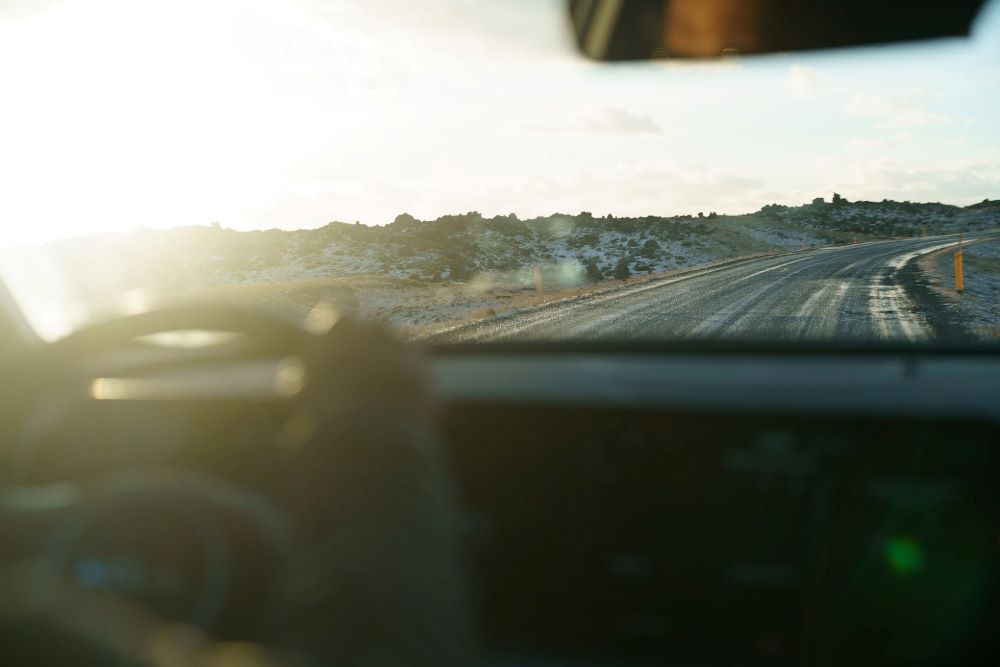
Iceland winter driving requires extra caution.
- Limited daylight hours
- Regular snow and ice conditions
- Some roads may close temporarily
- Winter tires mandatory
- Always check Iceland road conditions before traveling
Spring (April-May)
- Increasing daylight
- Melting snow and potential flooding
- Road conditions improving but unpredictable
- F-roads still closed
Road Safety and Regulations
Driving in Iceland comes with its own set of rules and challenges. Knowing Iceland driving rules and best practices will help you avoid fines and accidents. With Blue Car Rental, your vehicle comes fully equipped to comply with Icelandic driving laws, such as mandatory winter tires in colder months.
Key Rules
- Drive on the right side
- Headlights must be on at all times
- Seat belts mandatory for all passengers
- No off-road driving (heavily fined)
- Speed limits:
- Urban areas: 50 km/h
- Rural paved roads: 90 km/h
- Rural gravel roads: 80 km/h
Important Safety Practices
- Never stop on the road for photos
- Use designated pull-offs and parking areas
- Keep an eye on fuel levels - stations can be far apart
- Check weather and road conditions daily
- Maintain a safe following distance, especially on gravel roads
Common Road Signs in Iceland
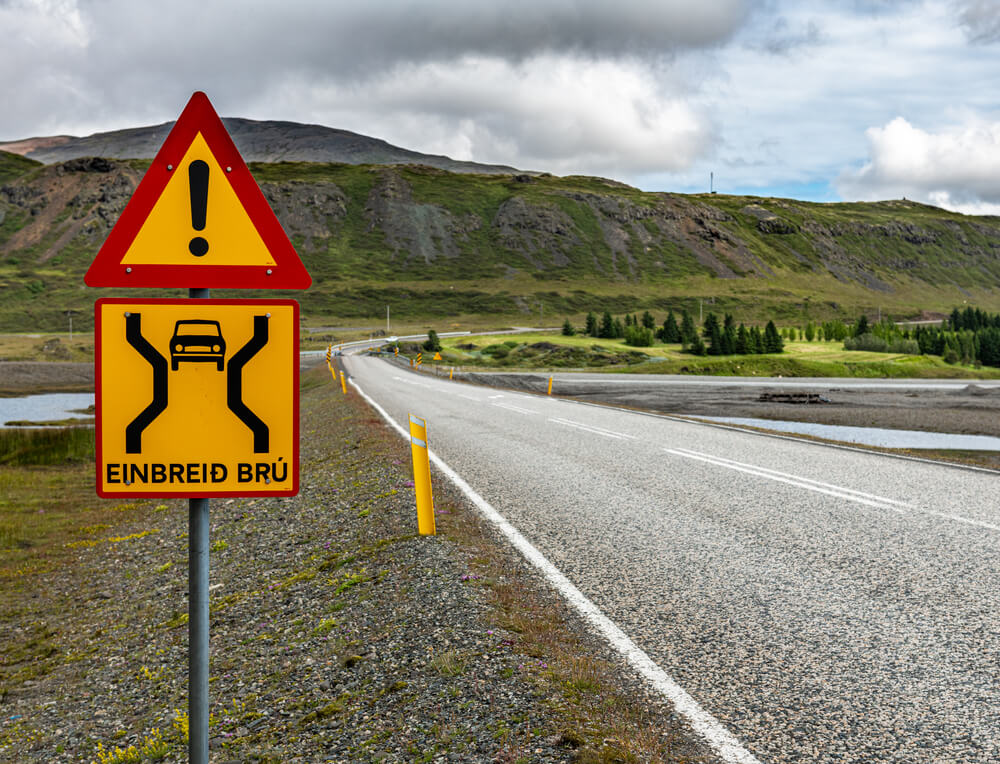
Understanding Iceland road signs is essential for a safe and smooth driving experience. Many signs are unique to Iceland and provide critical information about hazards, services, and road conditions. Familiarize yourself with these signs before hitting the road to ensure you can navigate safely and avoid unnecessary risks.
Warning Signs
- Yellow diamond-shaped signs indicate hazards
- Sheep crossing signs are common and important
- Blue squares indicate services
- Red circles indicate restrictions
Unique Icelandic Signs
- "Malbik endar" - Pavement ends
- "Blindhæð" - Blind hill
- "Einbreið brú" - Single-lane bridge
- "Vegavinna" - Road work
Navigation Tips
Proper navigation is crucial when exploring Iceland, especially in remote areas where services are sparse, and roads can be challenging. Equip yourself with the right tools and plan your routes carefully to make the most of your journey.
Essential Tools
- GPS navigation system
- Updated offline maps
- Traffic info for Iceland road conditions
- 112 Iceland app for emergency
- Icelandic Met Office website for forecasts
Best Practices
- Download offline maps before your trip
- Don't rely solely on GPS - carry a physical map
- Plan routes considering daylight hours
- Calculate driving times generously
- Mark fuel stations to refuel on your route
Additional Travel Tips
Knowing how to prepare is key when driving in Iceland. From emergency supplies to communication tools, having the right equipment ensures a safer and more enjoyable journey. Here are some practical tips to help you navigate Iceland's unique challenges.
Emergency Preparedness
- Save emergency number 112
- Keep a fully charged phone
- Carry basic supplies (food, water, blankets)
- Pack a basic tool kit
- Bring a first aid kit
Communication
- Have international roaming enabled
- Download useful apps beforehand
- Save important phone numbers
- Know your rental company's emergency contact
Renting a Car in Iceland: Why Choose Blue Car Rental?
Renting a car is the best way to explore Iceland's breathtaking scenery at your own pace. At Blue Car Rental, we specialize in providing vehicles tailored for Iceland's unique driving conditions. Whether you need an economy car for city driving or a robust 4x4 for winter travel or exploring the highlands, our fleet has you covered. With excellent customer service, easy pick-up and drop-off options, and vehicles equipped for Icelandic weather, Blue Car Rental ensures a zero worries driving experience. Our local team can share practical Iceland driving tips at pickup.
Our Conclusion
Remember that Iceland's weather can change dramatically within minutes. Always check Iceland road conditions before starting your journey at road.is, and never hesitate to adjust your plans based on weather and road conditions. Safe travels!
Click here for more tips about Driving in Iceland and other Practical Info.
Or better yet see our instruction video about the roads in Iceland:
 4X4 RENTAL IN ICELAND: ROUTE AND SEASON REQUIREMENTS