
Iceland rewards photographers with glacier lagoons, black sand beaches, waterfalls you can walk behind, and, if the sky cooperates, the northern lights. This guide covers the locations that consistently produce the strongest images, what season and vehicle each one needs, and how to string them into a realistic self-drive route.
Short answer: The most reliable photography stops in Iceland are the Golden Circle, Jökulsárlón Glacier Lagoon and Diamond Beach, Reynisfjara black sand beach, Skógafoss and Seljalandsfoss waterfalls, the Snæfellsnes Peninsula, and, in winter, any dark spot away from town lights for the aurora. Most of these are reachable in a 2WD car on paved roads; only the Highlands (Landmannalaugar) and winter routes require a 4x4.
1. The Golden Circle: the easiest place to start
The Golden Circle is the most accessible photography loop in Iceland and a natural first stop for anyone renting a car out of Keflavik or Reykjavik. It combines Gullfoss waterfall, the geothermal area at Geysir, and Þingvellir National Park in a single day trip on paved roads, so it's a good way to test your gear and your rental car before heading further afield.
- Gullfoss, best photographed in the afternoon light, with mist rising off the double drop.
- Geysir, Strokkur erupts every few minutes, so a fast shutter or burst mode helps.
- Þingvellir, the rift valley where the North American and Eurasian plates meet, good for wide landscape shots.
2. Jökulsárlón Glacier Lagoon and Diamond Beach's black sand
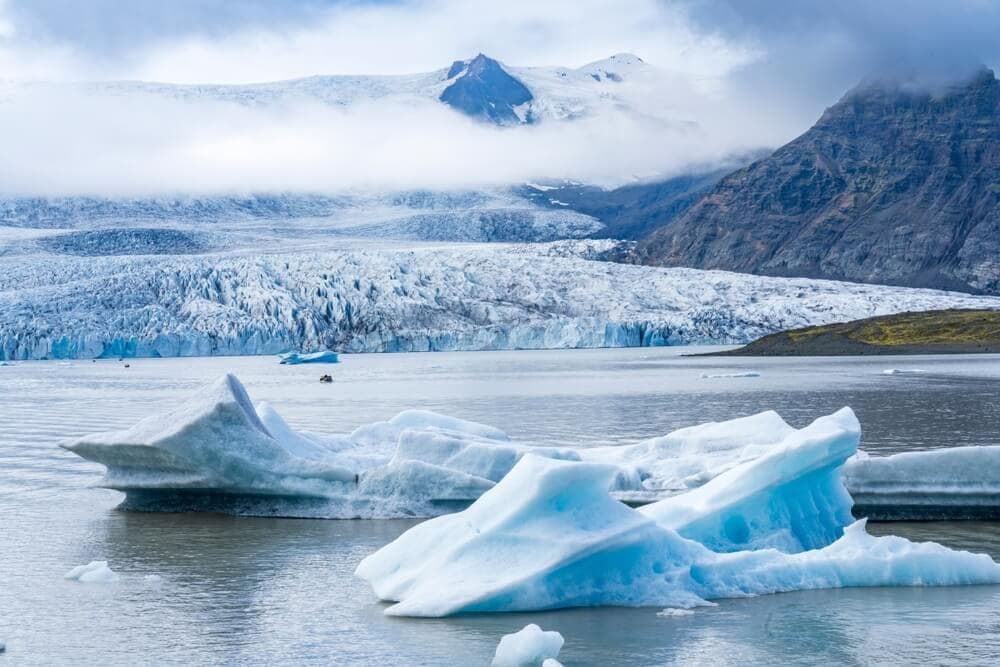
Jökulsárlón, on the south coast at the edge of Vatnajökull National Park, is where icebergs calve off the glacier and drift across the lagoon before washing onto the black sand beach across the road, known as Diamond Beach. The contrast between clear ice and black sand is one of the most photographed pairings in Iceland, and it changes daily depending on which bergs have floated in.
Diamond Beach is the answer if you're specifically searching for black sand Iceland photography: the beach itself is fine black volcanic sand, and ice chunks of every size sit on it like glass. Early morning and late evening light tend to work best here, and in summer the long daylight hours mean you're rarely rushed for the shot.
3. Vatnajökull National Park
Vatnajökull National Park surrounds Europe's largest ice cap and covers a large share of southeast Iceland, including highland peaks, glacier tongues, and, in winter, ice caves. Photographers who want more than the roadside lagoon views often book a guided glacier or ice-cave tour from within the park, since safe access to the ice itself requires local guiding rather than independent driving.
4. Snæfellsnes Peninsula: Iceland in miniature
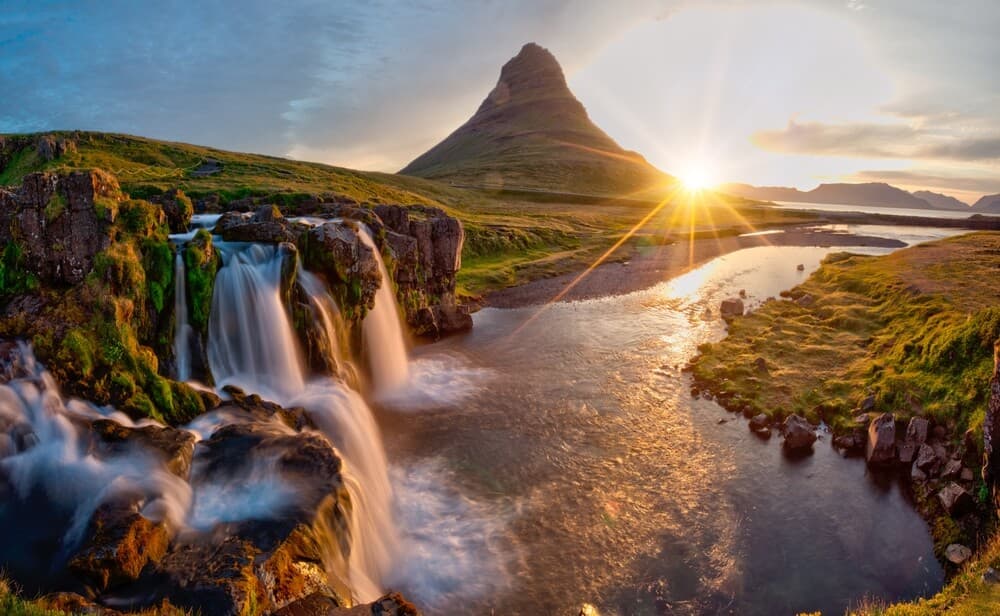
Snæfellsnes is often described as Iceland in miniature because it packs glaciers, black sand beaches, lava fields, and a working fishing village into one peninsula a few hours from Reykjavik. It's a strong pick if your trip is short and you still want variety in your photos.
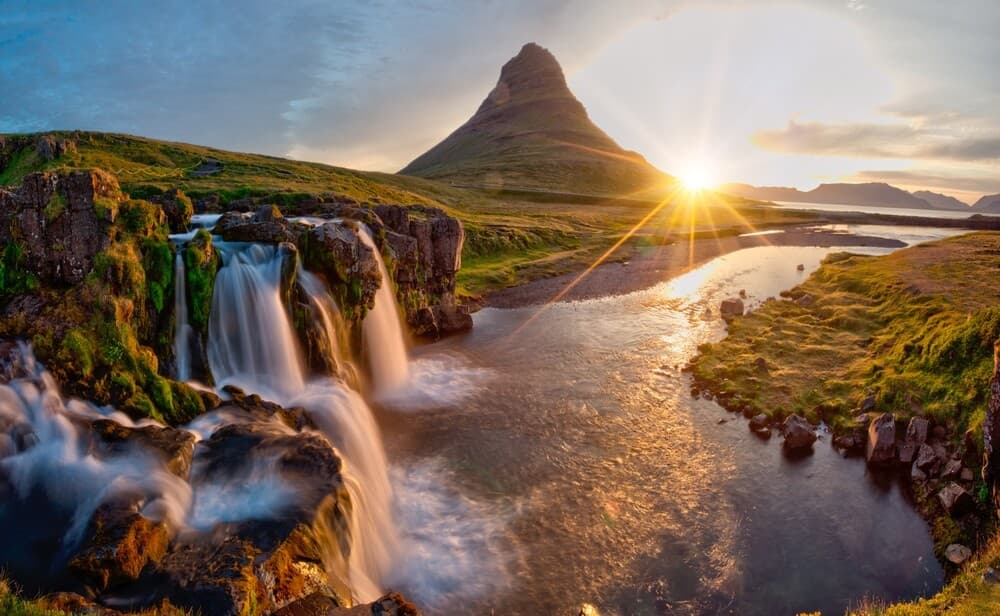
- Kirkjufell mountain, the "Arrowhead Mountain," best known from its waterfall-framed shot on the north side.
- Djúpalónssandur, a black pebble beach with old shipwreck remains and dramatic sea stacks.
- Arnarstapi, coastal cliffs and the Gatklettur stone arch.
5. Reynisfjara and Iceland's black sand beaches
Reynisfjara, near the town of Vík, is Iceland's best-known black sand beach and one of the most photographed coastlines in the country. Basalt columns, sea caves, and the Reynisdrangar sea stacks rising out of the surf give it a moody, dramatic look that holds up in almost any weather.
The sand itself is what makes it distinct: fine, dark volcanic grains that soak up light differently to anywhere else on the south coast. It's worth noting that Reynisfjara has powerful sneaker waves, and posted warnings should be taken seriously, stay well back from the waterline regardless of how calm the sea looks.
6. The Westfjords for fewer crowds
The Westfjords sit off the main Ring Road loop, which keeps visitor numbers noticeably lower than the south coast. Expect steep fjord roads, isolated waterfalls, and beaches where you may be the only car parked. It's a good add-on for travellers with extra days who want landscapes without other tourists in the frame, though driving times here are longer and roads narrower than the Ring Road, worth budgeting extra time, especially outside summer.
7. Skógafoss and Seljalandsfoss: two waterfalls, two approaches
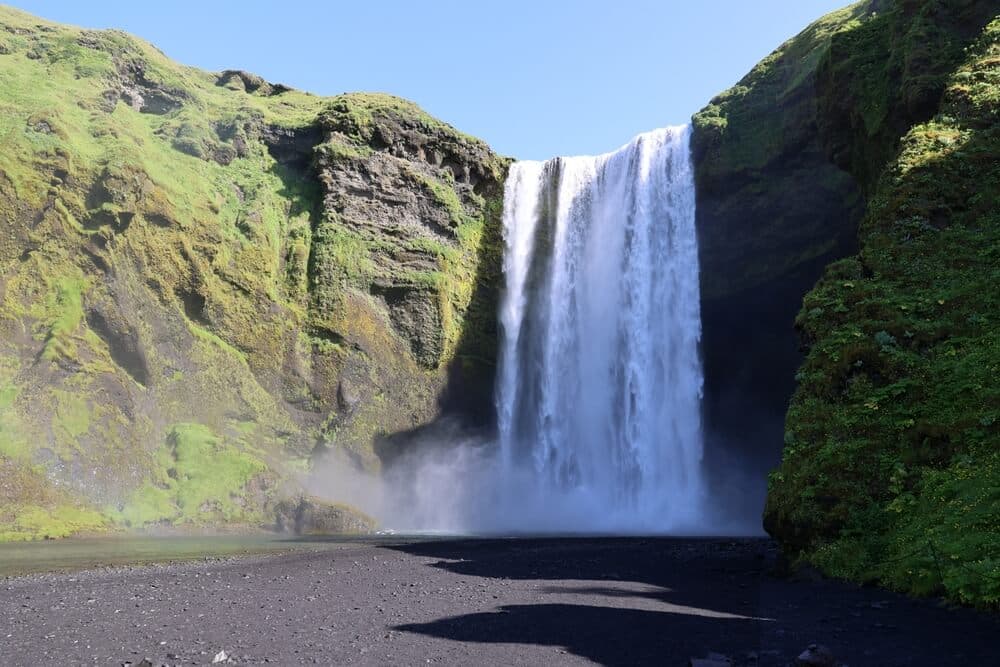
These two waterfalls sit close together on the south coast and are almost always visited as a pair. Skógafoss drops in a wide, powerful curtain and frequently produces a rainbow in sunny afternoon light. Seljalandsfoss is narrower but lets you walk behind the falls on a marked path, bring a dry bag or rain cover for your camera, since the spray is constant.
8. Landmannalaugar's highland colours
Landmannalaugar, in Iceland's central Highlands, is known for rhyolite mountains in shades of red, gold, and green, along with natural hot springs. It's a genuinely different landscape to the coast, and in summer the midnight sun stretches the usable light for hours.
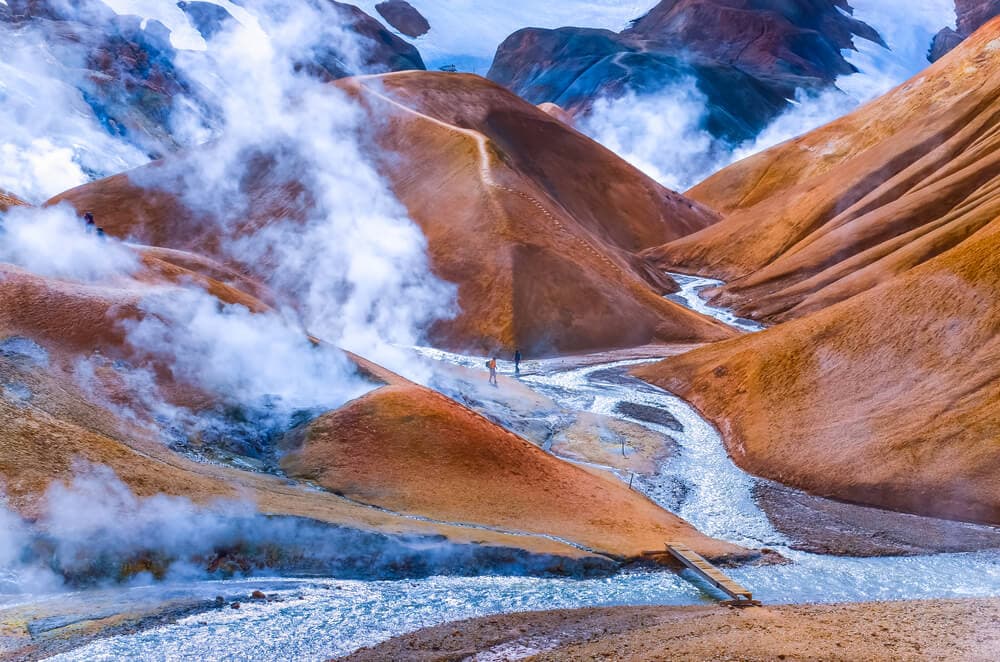
Access is the catch: Landmannalaugar is reached via F-roads, which are legally restricted to 4x4 vehicles and only open for a few months each summer, typically depending on snowmelt and conditions confirmed by umferdin.is and safetravel.is. Some routes also involve river crossings; if you're unsure about a crossing, the safest choice is to turn back rather than attempt it, and to check conditions before you set out. Our guide to F-roads and the Highlands covers what a proper 4x4 rental needs to handle this route, and our seven questions for deciding between a 2WD and a 4x4 rental help you decide before you book.
9. Chasing the northern lights
The aurora is visible roughly from September to April, on clear nights away from town lighting. A rental car is genuinely useful here: rather than relying on a fixed-departure tour, you can drive a short distance out of Reykjavik or whichever town you're staying in, check the sky, and reposition if cloud rolls in. Winter driving comes with its own considerations, icy roads, shorter daylight, and changing conditions, so it's worth reading our winter driving guide before a night-time aurora drive.
Iceland's top photography locations at a glance
| Location | Region | Best season | Vehicle needed | Known for |
|---|---|---|---|---|
| Golden Circle | Southwest | Year-round | 2WD | Gullfoss, Geysir, Þingvellir |
| Jökulsárlón & Diamond Beach | Southeast | Year-round | 2WD | Icebergs, black sand contrast |
| Vatnajökull National Park | Southeast | Year-round (ice caves in winter) | 2WD to access points, guided tours for ice | Glacier landscapes |
| Snæfellsnes Peninsula | West | Year-round | 2WD | Kirkjufell, black pebble beaches |
| Reynisfjara | South | Year-round | 2WD | Black sand, basalt columns, sea stacks |
| Westfjords | West/Westfjords | Summer preferred | 2WD, more time needed | Isolated fjords and cliffs |
| Skógafoss & Seljalandsfoss | South | Year-round | 2WD | Waterfalls, rainbows |
| Landmannalaugar | Highlands | Summer only (dates vary, check umferdin.is) | 4x4 required | Coloured mountains, hot springs |
| Northern lights viewing | Anywhere dark | September–April | 2WD or 4x4 | Aurora |
Which vehicle actually gets you to these spots?
Most of this list, the Golden Circle, the south coast, Reynisfjara, Snæfellsnes, is on paved roads reachable in a standard 2WD car for most of the year. The exceptions are the Highlands, where F-roads legally require a 4x4, and winter driving generally, where a 4x4 or at least good winter tyres and driving experience matter more than horsepower.
Blue Car Rental's vehicle range covers 2WD, 4x4, EV, family, and premium options, so you can match the car to the route rather than defaulting to the biggest vehicle "just in case." If your itinerary includes both the Ring Road and a highland detour, it's worth booking the 4x4 for the whole trip rather than trying to swap partway through.
Mistakes to avoid on a photography road trip
A few recurring issues show up on Iceland photography trips:
- Underestimating driving time between stops. Golden hour light is short in winter and locations are further apart than they look on a map.
- Driving an F-road in a 2WD. It's not just inconvenient, it's outside what insurance and the rental agreement cover, and it can leave you stranded.
- Ignoring beach warnings at Reynisfjara. Sneaker waves are a real hazard, not a tourism cliché.
- Skipping a check of umferdin.is or vedur.is before a highland or winter drive. Conditions change quickly, and both sites are the reliable source rather than trip-planning blogs.
- Parking illegally for a "quick photo." Reykjavik and many attraction car parks operate defined zones or paid parking, see our Reykjavik parking guide if you're basing yourself in the city.
Getting your rental sorted before you land
Since most of this itinerary starts and ends near Keflavik, it helps to have pickup sorted in advance. Blue Car Rental offers online check-in and key-box pickup (for customers who add the Liability Waiver and complete online check-in) at Keflavik Airport, so you're not queuing at a counter after a long flight when you'd rather be driving toward the first waterfall. Insurance is worth reviewing before you go too, full coverage options are outlined on the insurance page, which matters more than usual on a trip built around driving to remote coastlines and glacier edges.
 CAN YOU DRINK TAP WATER IN ICELAND?