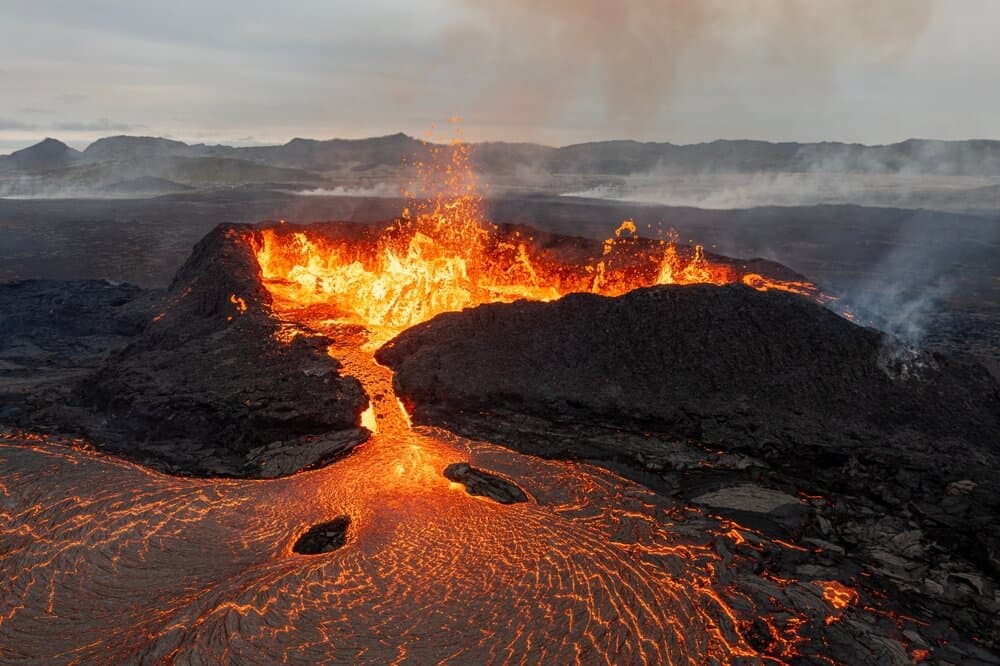

Since 2021, the Reykjanes Peninsula in southwest Iceland has entered an active volcanic period after roughly 800 years of dormancy, with eruptions at Fagradalsfjall and, from December 2023 onward, in the Sundhnúkagígar area near Grindavík. This has understandably raised questions for travellers planning a self-drive trip, especially since the peninsula sits close to Keflavík Airport, the Blue Lagoon and the main road into Reykjavik. This guide explains what the volcanic activity actually affects, what it doesn't, and how to check current conditions before and during your trip.
Short answer
Historically, Reykjanes volcanic activity has not disrupted flights, the Ring Road, or travel around most of Iceland, restrictions have been confined to a defined zone around Grindavík and the immediate eruption site. That said, volcanic activity is inherently variable, so the situation can change with little notice. Before you travel, and again once you land, check safetravel.is for official status updates and vedur.is, the Icelandic Met Office, for the latest hazard assessment. This article gives you the general picture; those two sources give you the picture on the day you're actually driving.
What is actually happening on the Reykjanes Peninsula?
The current eruptive period centres on two areas: Fagradalsfjall, where eruptions occurred in 2021, 2022 and 2023, and Sundhnúkagígar, a fissure system between Grindavík and the Blue Lagoon that has produced repeated eruptions since December 2023. Activity has come in cycles, periods of eruption followed by periods of quiet, and geologists monitoring the area have not ruled out further activity continuing for years.
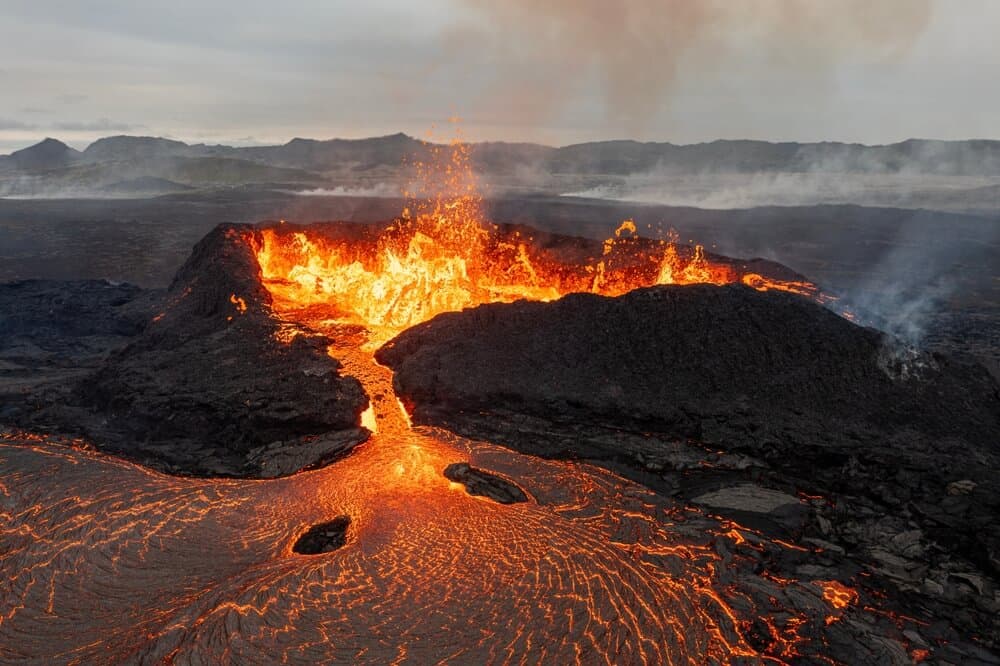
The town of Grindavík has, at various points, been partially evacuated as a precaution, and the area immediately around the fissures has been closed to the public for safety. Outside that specific zone, the rest of the Reykjanes Peninsula, including Reykjanesbraut (Route 41), the main road linking Keflavík Airport to Reykjavik, has generally continued to operate as normal.
Is it safe to travel to Iceland with the volcano active?
Yes, in general. Reykjanes eruptions have not disrupted international flights, and the vast majority of Iceland, including the entire Ring Road, remains unaffected by activity confined to this one peninsula. This is a different situation from the 2010 Eyjafjallajökull eruption, which grounded flights across Europe.
The key difference is geology, not intensity: Eyjafjallajökull erupted beneath a glacier, and the meltwater interacting with magma produced the fine ash cloud that disrupted air traffic. Reykjanes has no glacier. Eruptions there are effusive fissure eruptions, lava flowing at the surface, which do not generate the kind of ash plume that affects aviation. Keflavík Airport has continued normal operations throughout the various eruption episodes since 2021.
What does this mean for driving around Iceland?
For a self-drive trip, the practical impact of Reykjanes volcanic activity has generally been limited to a specific, well-defined area rather than the country as a whole. The table below summarises how different parts of a typical Iceland itinerary have generally been affected during past eruption episodes, always confirm current status before you rely on it.
| Area / activity | Typical status during eruptions | Notes |
|---|---|---|
| International flights, Keflavík Airport | Unaffected | No ash cloud produced; Reykjanes eruptions are effusive, not explosive |
| Route 41 (Keflavík–Reykjavik road) | Generally open | Main airport transfer route; check umferdin.is if diverted |
| Ring Road (Route 1) and rest of Iceland | Unaffected | Eruptions are localised to the Reykjanes Peninsula |
| Grindavík town and immediate fissure zone | Closed / restricted | Access controlled by civil protection authorities |
| Blue Lagoon | Has closed and reopened at various points | Confirm your booking status directly before travelling |
| Reykjanes hiking trails near active fissures | Closed during and after active phases | Enforced by local police and civil protection |
If you're planning your route, Iceland's Ring Road and the rest of the country outside this specific zone can generally be treated as any other Iceland trip, the same considerations around season, road conditions and vehicle choice apply as they always would.
Is it safe to visit the Blue Lagoon with volcanic activity nearby?
The Blue Lagoon sits close to the Sundhnúkagígar fissure system and has, at times, closed temporarily as a precaution during active eruption phases, then reopened once conditions were assessed as stable. Whether it's open on the day of your visit depends on current activity, so check your booking status directly with the Blue Lagoon and cross-reference with safetravel.is before you set off, rather than assuming a booking made weeks earlier still stands.
Can you see the volcano from the road?
During active phases, eruptions in the Sundhnúkagígar area have sometimes been visible from Route 41 between Keflavík Airport and Reykjavik, and from certain vantage points designated by local authorities. Access to the fissures themselves, and to areas closed by civil protection, is not permitted, this is enforced, not just advisory. If you want to pull over to look, do so at a marked layby rather than the roadside, and never approach or walk toward an active site. Follow the guidance published on safetravel.is, which is updated as the situation develops.
Should you still rent a car in Iceland right now?
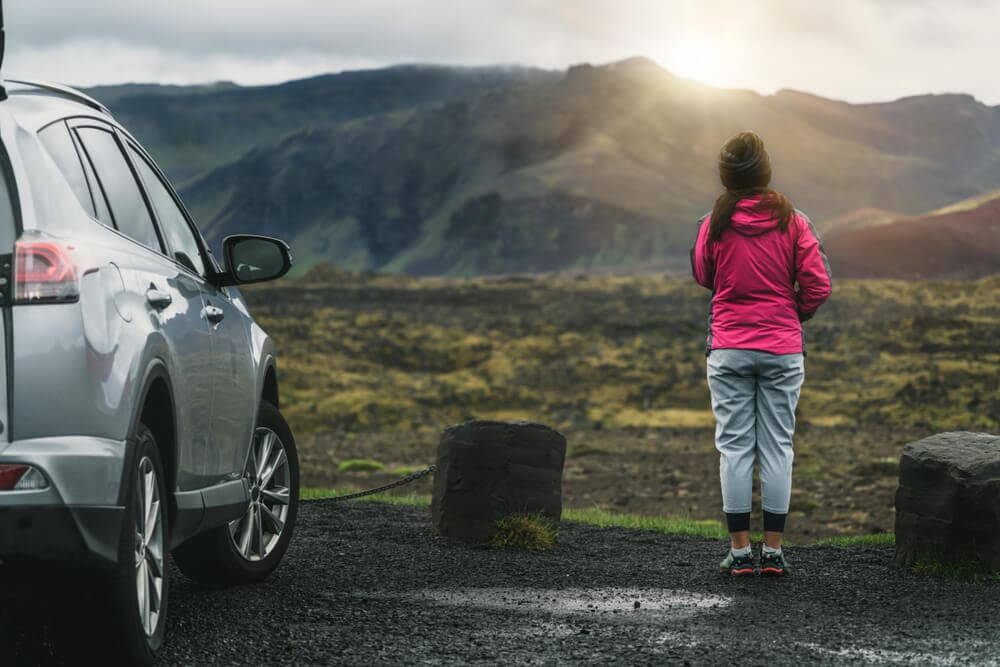
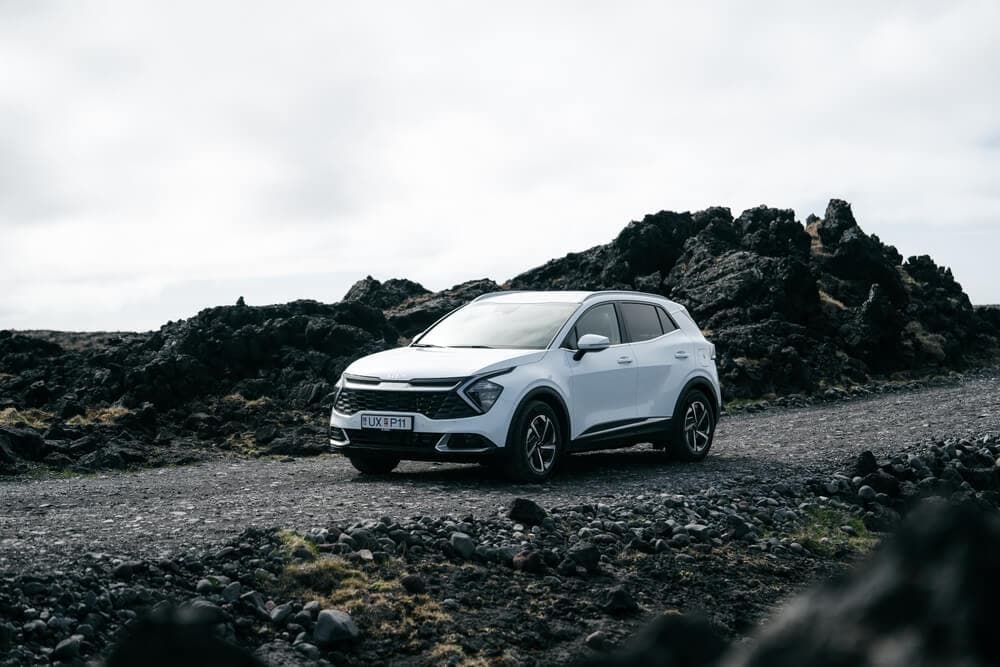
Yes, a rental car remains a practical way to see Iceland whether or not there's current activity on Reykjanes, because the areas affected have historically been small and well-defined relative to the rest of the country. The main adjustment is route awareness near Grindavík and the Blue Lagoon, not a change to how you'd plan a trip otherwise.
A few practical points worth keeping in mind:
- Vehicle choice doesn't need to change because of volcanic activity, pick a car based on your season and route, as covered in our guide to choosing between 2WD and 4x4 in Iceland.
- Pickup at Keflavík Airport works the same as usual; Blue Car Rental's online check-in lets you complete paperwork in advance and collect your car from the key box (for customers who add the Liability Waiver and complete online check-in) near the Keflavík Airport location without extra queueing.
- Insurance is worth understanding regardless of volcanic activity, Blue Car Rental's rentals include CDW, SCDW, Gravel Protection, Theft Protection and Third-Party Liability as standard, with details in the insurance overview.
- Roadside closures near Grindavík are enforced by barriers, not just signage, treat a closed road as closed, and follow the detour if one's provided.
Mistakes to avoid
Don't rely on an old blog post or forum thread for current eruption status, activity has come and gone in cycles since 2021, and what was true last month may not be true this week. Don't attempt to drive around a closed roadblock near Grindavík out of curiosity; these closures exist for genuine safety reasons tied to gas, unstable ground or active lava. And don't assume the Blue Lagoon booking you made months ago guarantees entry on the day, confirm it close to your travel date.
The bottom line
The concern behind "is it safe to travel to Iceland with the volcano" is really a question about whether an eruption will derail a trip that's been planned and paid for. Based on how Reykjanes activity has played out since 2021, the honest answer is that it generally hasn't, flights have kept running, the Ring Road has stayed open, and the restricted area has stayed narrow and clearly marked. Iceland's volcanic activity is real and worth respecting, which is why the closures exist, but for the traveller renting a car and exploring beyond the immediate eruption zone, it hasn't been the trip-ending event it might sound like from the headlines. Check safetravel.is and vedur.is close to your travel dates, plan your route with that information in hand, and the rest of your Iceland self-drive trip can proceed as normal.
 CAN YOU DRINK TAP WATER IN ICELAND?