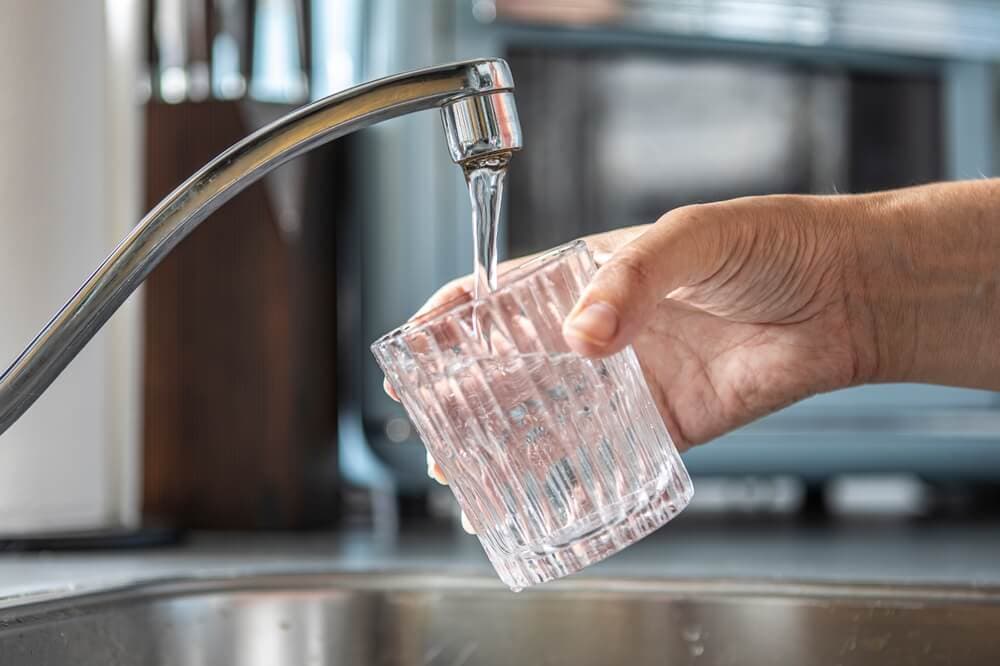

Yes. Cold tap water from Iceland's regulated public water supplies is safe to drink, and there is normally no reason to buy bottled water. For drinking and cooking, let the cold tap run briefly and fill your glass or reusable bottle with fresh cold water.
The hot tap is different. In many parts of Iceland, particularly in the Reykjavík area, hot water comes through a geothermal district-heating system. It can have a noticeable sulphur smell. That smell is normal, but the cold tap is the one travellers should use for drinking.
For a self-drive trip, the practical advice is simple: bring a reusable bottle, fill it before leaving your accommodation, and carry extra water when driving through remote areas.
Key points
- Icelandic tap water from public supplies is safe to drink.
- Use the cold tap for drinking and cooking.
- A sulphur smell from the hot tap is normal in many geothermal areas.
- Bottled water is generally unnecessary.
- Do not assume that every river or stream is safe to drink from.
- Carry extra water when travelling into the Highlands or other remote regions.
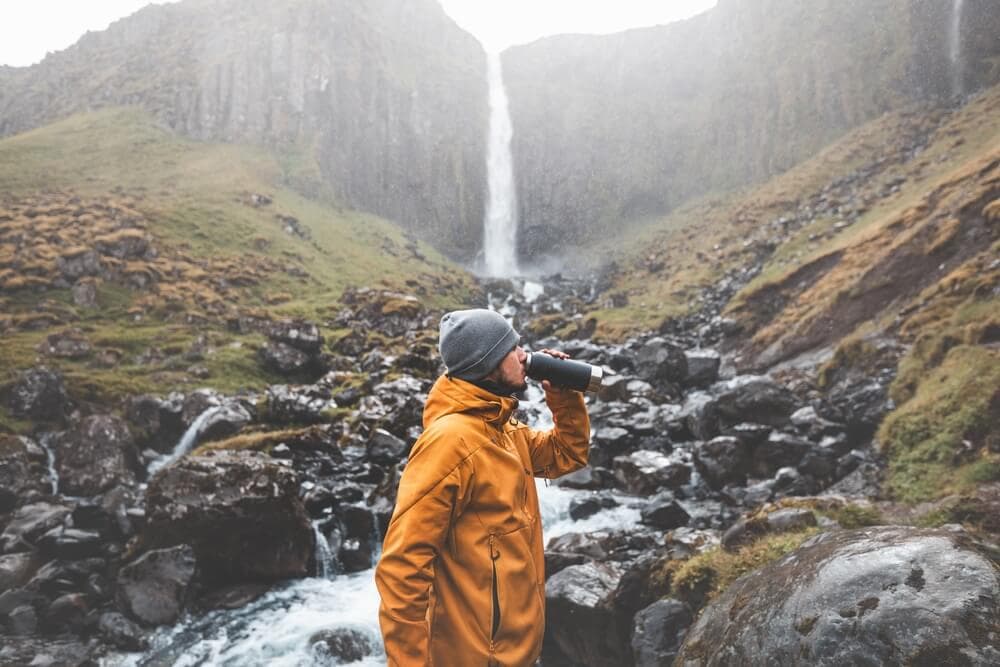
Why is Icelandic tap water so clean?
Much of Iceland's drinking water comes from groundwater and natural springs replenished by rain and snow. Water filters gradually through layers of porous lava and volcanic rock before reaching protected water sources.
The exact source and treatment method vary between municipalities. This is an important detail because Iceland does not have one single water system serving the entire country. Reykjavík, Akureyri, smaller coastal towns and rural communities each operate within their own local conditions and infrastructure.
Visitors do not need to understand those systems in detail to drink the water safely. Water supplied through public systems is monitored under Icelandic drinking-water requirements. Accommodation providers, restaurants, campsites and public buildings connected to those systems receive the same municipal water used by local residents.
Visit Reykjavík's guide to Icelandic tap water explains how the capital's water comes from natural sources fed by rain and snow and is filtered through volcanic rock.
Does Icelandic tap water contain glacier water?
Glaciers are a major part of Iceland's water cycle, but it is misleading to describe all Icelandic tap water as direct glacial meltwater. Many municipal supplies rely primarily on groundwater or springs. The source depends on the region.
Glacial rivers are also very different from water coming from a household tap. They often contain fine mineral sediment, sometimes called glacial flour, which gives them a grey, white or blue appearance. They should not be treated as convenient drinking-water sources.
Should you drink from the hot or cold tap?
Use the cold tap.
Let the water run until it is properly cold, particularly if the tap has not been used for several hours. Then fill your bottle, glass, kettle or cooking pot.
Hot water in many Icelandic communities is part of a geothermal district-heating supply. It is intended for washing, bathing and heating rather than as the first choice for drinking. In regions without direct geothermal hot water, local systems may operate differently, but using fresh cold water remains the clearest general advice.
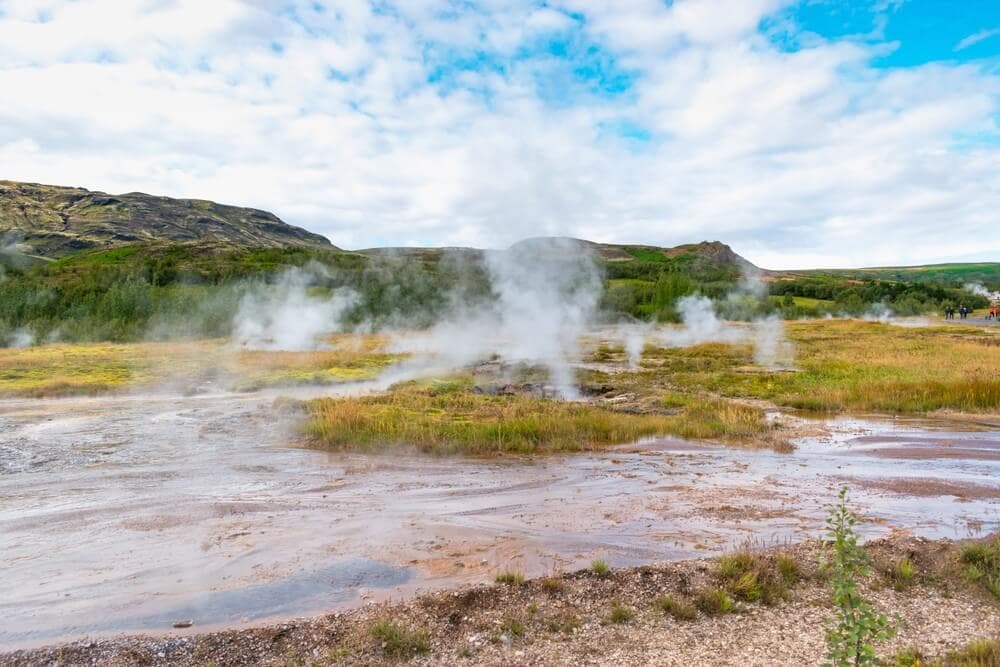
Why does hot water in Iceland smell like sulphur?
Visitors sometimes notice an egg-like smell when they turn on a hot shower or hot tap. It comes from naturally occurring sulphur compounds associated with geothermal water.
The smell is especially familiar in Reykjavík and other areas served by geothermal heating. It does not mean that the cold drinking water is contaminated. The smell normally fades quickly once the water is running and the room is ventilated.
Not every town has identical hot water. Iceland's heating systems vary by region. According to the National Energy Authority's district-heating overview, geothermal energy supplies about 90% of the energy used for domestic heating in Iceland. Other areas use electricity or different local heating arrangements.
If the cold water at an accommodation has an unusual smell, colour or taste, ask the host or local service provider before drinking it. That is a sensible precaution anywhere, particularly after maintenance or a local service notice.
Tap water versus bottled water in Iceland
For most travellers, tap water in Iceland is the easier and less expensive option.
| Factor | Cold tap water | Bottled water |
|---|---|---|
| Safety | Safe from regulated public supplies | Safe when properly sealed |
| Cost | Included at accommodation and public facilities | An avoidable daily expense |
| Taste | Usually cold, fresh and low in mineral taste | Varies by source and brand |
| Availability | Accommodation, restaurants and many public facilities | Shops, petrol stations and visitor centres |
| Waste | Very little when using a reusable bottle | Creates packaging waste |
| Best use | Everyday drinking and cooking | Backup when no reliable tap is available |
Most Icelanders use tap water at home. Travellers can normally do the same.
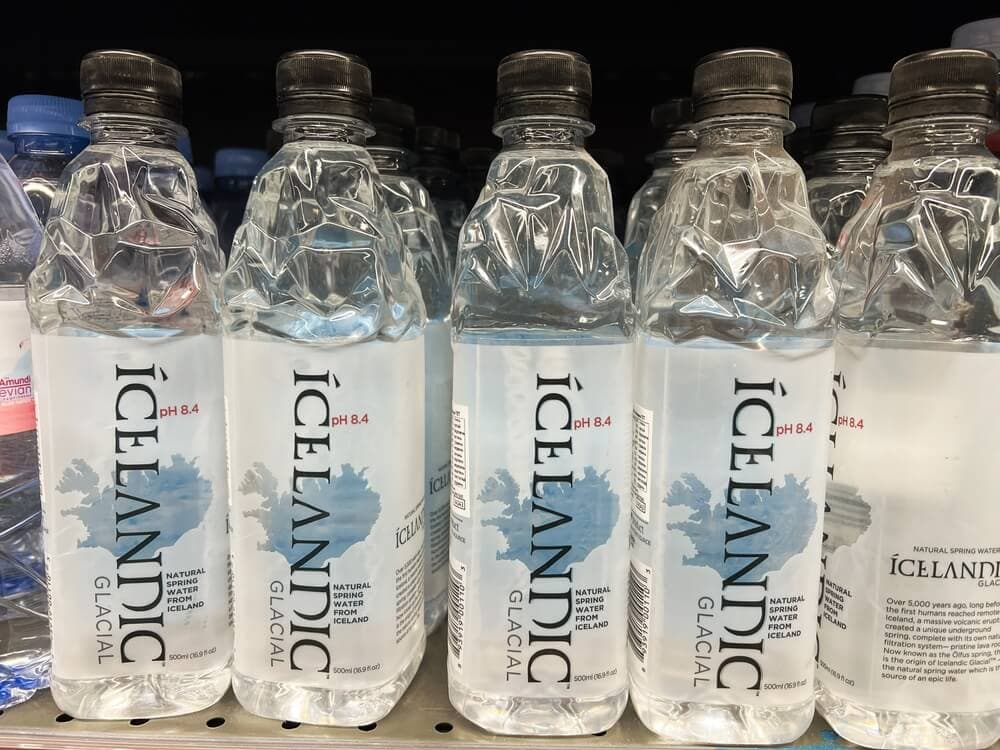
There may still be occasions when bottled water is convenient, such as during a local supply interruption or when travelling somewhere without access to a verified water source. But it does not need to be part of an ordinary daily travel budget.
Where can travellers refill water bottles?
The easiest place is your accommodation. Fill your bottle before leaving each morning, especially if the day's route includes long distances between towns.
Other possible refill points include:
- Restaurants and cafés
- Campsite kitchens and service buildings
- Visitor centres
- Museums and public buildings
- Petrol-station facilities
Access varies, so ask a staff member before using a tap in a commercial property. Do not rely on every roadside stop having a public refill point.
On the Ring Road and popular South Coast routes, services are relatively frequent. In the Westfjords, Eastfjords, North Iceland and the Highlands, distances can be longer and opening hours more limited. Carrying an extra filled bottle is a small precaution that can make a long drive more comfortable.
If you are planning your daily stops, Blue's guide to bathroom breaks on Icelandic roads also explains what to expect between towns.
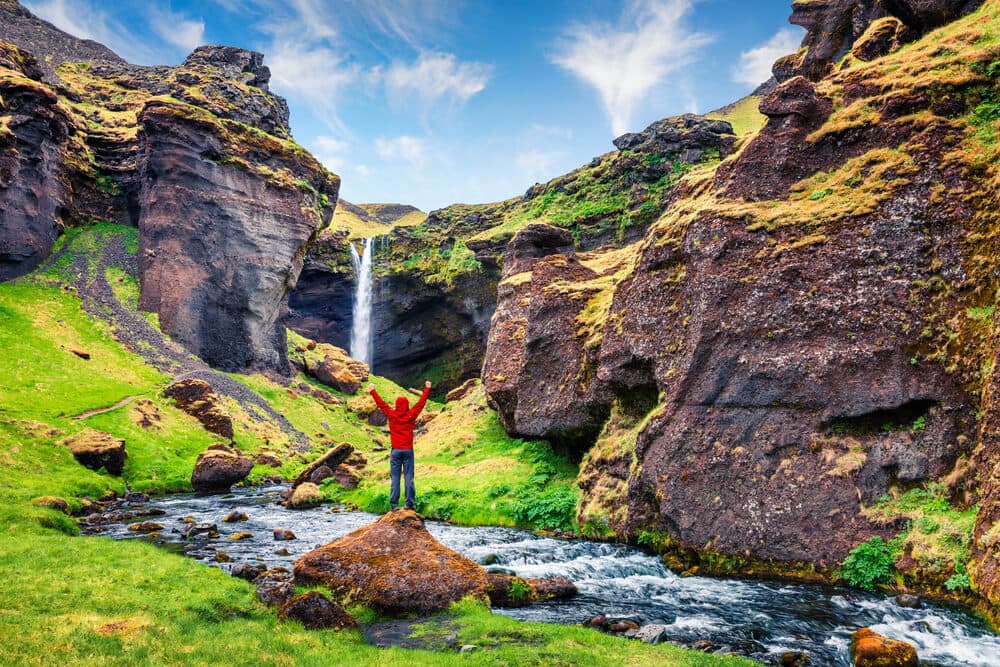
Can you drink water from rivers and streams in Iceland?
Do not assume that natural water is safe simply because it looks clear.
Some Icelandic springs and mountain streams may contain clean water, but travellers usually cannot see what is upstream. Possible risks include:
- Animals or bird activity
- Agricultural runoff
- Nearby roads or buildings
- Geothermal compounds
- Volcanic sediment
- Wastewater or other local contamination
Glacial rivers may also carry large amounts of fine sediment and can be dangerous to approach. Fast currents, unstable banks and cold temperatures are more immediate risks than thirst.
For ordinary road trips, fill up from a reliable cold tap instead. If an itinerary takes you away from services for a prolonged period, bring enough treated drinking water or use appropriate outdoor water-treatment equipment. Local advice should take priority over assumptions.
Water planning for an Iceland road trip
Water is easy to overlook when services appear close together on a map. Icelandic driving can take longer than expected because of weather, road conditions, photo stops and limited facilities outside towns.
Ring Road journeys
Most Ring Road itineraries pass through towns and service areas every day. One reusable bottle per person, refilled regularly, may be enough for normal driving. It is still wise to keep spare water in the car, particularly in summer or when travelling with children.
The Golden Circle and South Coast
These are among Iceland's busiest travel regions, with restaurants, visitor centres and accommodation throughout the main routes. Fill your bottle in the morning and refill at established facilities when necessary.
The Westfjords, Eastfjords and remote peninsulas
Services may close earlier or operate seasonally. Do not wait until every bottle is empty before looking for a refill. Carry enough for the planned drive plus a reasonable delay.
The Highlands and F-roads
Highland travel requires more preparation. Facilities are limited, phone coverage can be inconsistent and road conditions can change quickly. Bring sufficient drinking water from a reliable supply before leaving populated areas.
If your route includes the interior, read Blue's guide to F-roads and rental cars in Iceland before choosing a vehicle or setting your itinerary.
Winter driving
Hydration matters in winter too. Heated vehicles and accommodation can feel dry, while delays caused by wind, snow or road closures can extend a journey. Keep water inside the cabin when possible so it remains accessible and does not freeze in the boot overnight.
Practical water habits for self-drive travellers
A simple routine is enough:
- Refill every bottle from the cold tap before departure.
- Keep one bottle within reach of the driver, but only drink when it is safe.
- Carry additional water on long or remote routes.
- Refill at established facilities rather than unknown outdoor sources.
- Take reusable bottles with you when leaving the car for a hike.
- Never stop in an unsafe place simply to reach water.
Water bottles should be stored securely. A bottle rolling into the driver's footwell can interfere with the pedals. Use a cup holder, door pocket or closed bag instead.
A local note from Blue Car Rental
Our team regularly helps travellers prepare for long drives around Iceland. The practical approach is to begin each day with full bottles and treat reliable refill points in smaller towns as part of the route plan.
This matters more than buying a particular brand of water. Good preparation means you are less dependent on shop opening hours and less likely to make an unnecessary stop when road or weather conditions are difficult.
If you are still selecting a vehicle for your itinerary, Blue Car Rental's vehicle range includes options for city trips, the Ring Road, family travel and permitted Highland routes.
Final thoughts
Drinking water is one of the easiest parts of travelling in Iceland. Use the cold tap, carry a reusable bottle and refill before long drives. The sulphur smell from geothermal hot water may be unfamiliar, but it is not a reason to buy bottled water.
The main exception is remote travel. Do not rely on unknown streams, and take more water than you expect to need when services are limited. That small amount of planning will keep the focus where it belongs: on enjoying the journey safely.
 BITING MIDGES IN ICELAND: HOW TO AVOID BUG BITES ON YOUR ROAD TRIP