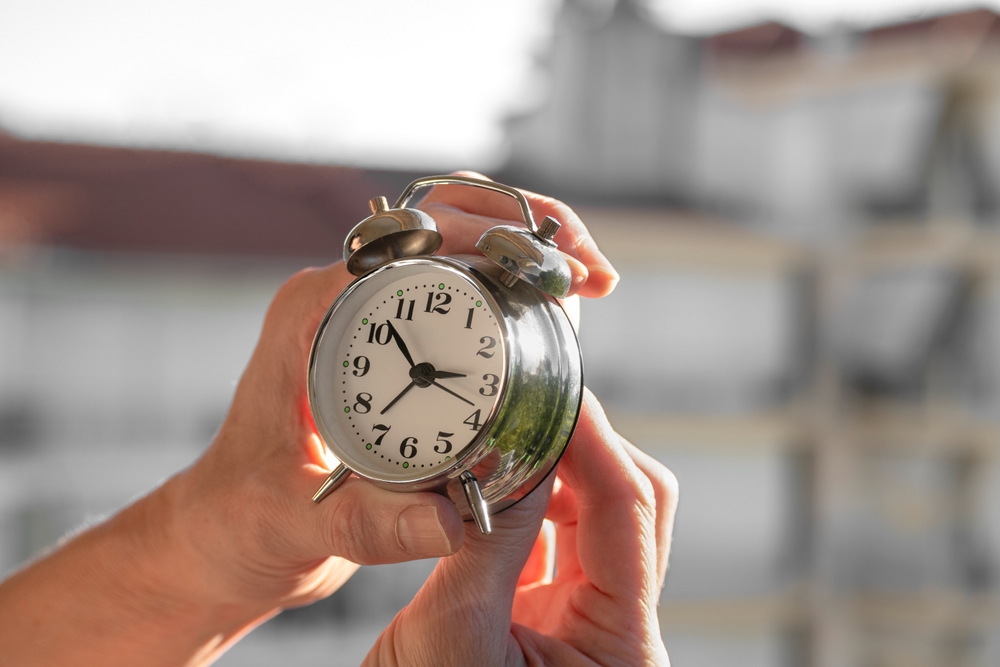

If you’re planning a trip to Iceland, there’s one simple detail about the clock that often surprises visitors: Iceland does not use daylight saving time. While most of Europe and North America shift their clocks forward in spring and back in autumn, Iceland keeps its time the same all year. No “spring forward.” No “fall back.” Just one steady time zone, always.
This might seem like a small thing, but it can affect your travel plans more than you think. Flight schedules, meeting times, and even calls home can get confusing when your home country shifts but Iceland doesn’t. In this guide, we’ll explain how time works in Iceland, why the country chose to stay off daylight saving, and what this means for you as a traveler. We’ll also share cultural insights and practical tips so you can plan your self-drive trip with ease.
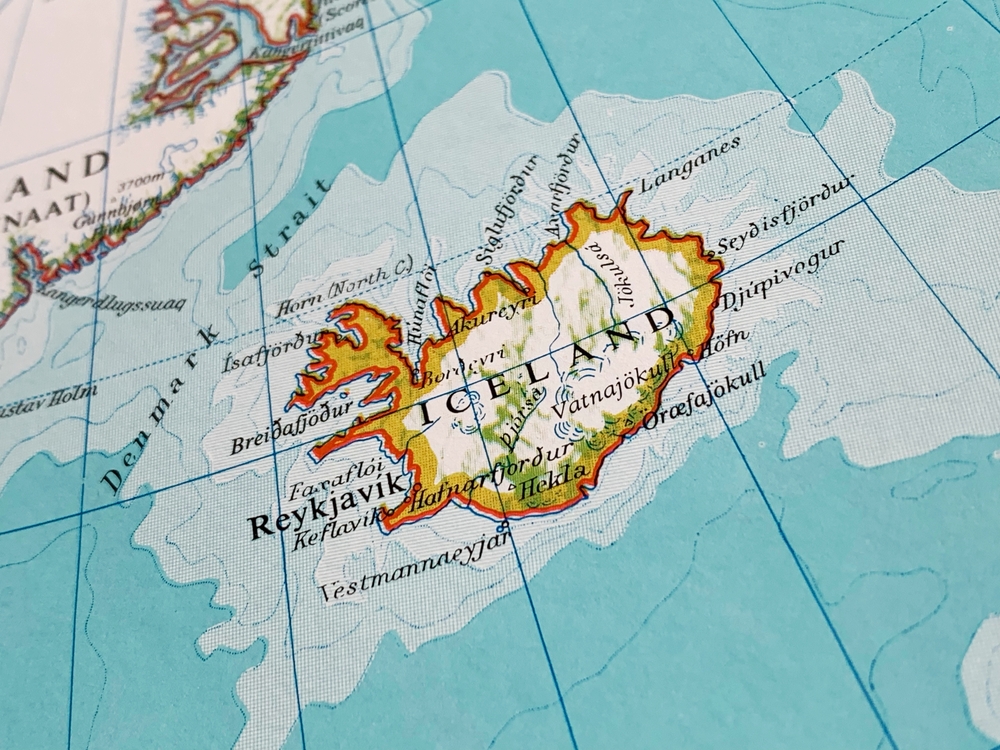
Iceland’s time zone: Simple and steady
Iceland follows Greenwich Mean Time (GMT/UTC+0) throughout the year. Unlike other countries that use daylight saving, Iceland’s time never shifts to summer or winter hours.
-
Clocks stay the same: Whether you visit in January or July, Iceland’s time zone remains GMT+0.
-
No confusion at home: Your offset to Iceland may change, but Iceland’s local time does not.
-
Atlantic/Reykjavík time: This is the official zone name used on computers and phones.
This system has been in place since 1968, when Iceland decided to align with GMT permanently. The reasoning was straightforward: at such a northern latitude, shifting the clock doesn’t really change people’s experience of daylight.
Why Iceland doesn’t use daylight saving
Daylight saving time was designed to make better use of daylight by shifting the clock forward in summer and back in winter. For countries closer to the equator, it provides a useful extra hour of evening light. But for Iceland, the idea never made much sense.
Here’s why:
-
Extreme seasonal daylight
-
In summer, the sun barely sets in many parts of Iceland. Around the June summer solstice, the nights are so bright you can read outside at midnight. Moving the clock doesn’t make this brighter.
-
In winter, days are short, especially in December and January. No matter how you set the clock, there will still be long hours of darkness.
-
-
Limited benefit
-
Unlike central Europe, where shifting the clock gives people more usable evening light, in Iceland the change would not have improved daily life.
-
-
Practical simplicity
-
By staying on GMT all year, Iceland avoids confusion and keeps in step with international timekeeping, aviation schedules, and broadcasting.
-
How time differences change for visitors
Even though Iceland’s clocks never move, the time difference between Iceland and your home country does change—because your country may use daylight saving.
-
Europe: Most of Europe moves clocks forward on the last Sunday in March and back on the last Sunday in October.
-
United States and Canada: Most regions change clocks on the second Sunday in March and the first Sunday in November.
This means that if you’re traveling to Iceland around these dates, you might notice your offset to Iceland is suddenly one hour different from what it was the week before.
Example: United Kingdom
-
Winter: Iceland is the same time as the UK.
-
Summer: The UK is +1 hour ahead of Iceland.
Example: Germany/France
-
Winter: Central Europe is +1 hour ahead of Iceland.
-
Summer: Central Europe is +2 hours ahead.
Example: United States (New York)
-
Winter: Iceland is +5 hours ahead.
-
Summer: Iceland is +4 hours ahead.
Example: United States (Los Angeles)
-
Winter: Iceland is +8 hours ahead.
-
Summer: Iceland is +7 hours ahead.
Time-difference table
| City (Zone) | When your country is on standard time | When your country is on daylight saving time |
|---|---|---|
| London (UK) | Same time as Iceland | UK is +1 hour ahead |
| Berlin / Paris | +1 hour ahead | +2 hours ahead |
| New York (US ET) | Iceland +5 hours ahead | Iceland +4 hours ahead |
| Los Angeles (US PT) | Iceland +8 hours ahead | Iceland +7 hours ahead |
| Toronto (Canada ET) | Iceland +5 hours ahead | Iceland +4 hours ahead |
Practical tips for travelers
Keeping track of time zones might sound easy, but mistakes happen—especially if you’re planning trips across multiple countries. Here are a few things to keep in mind:
-
Check flight schedules carefully
Airlines use local times. If your home country has just switched clocks, double-check your departure and arrival times to avoid missing flights. -
Tours and activities
Local tours in Iceland follow GMT year-round. If you’re booking tours from abroad, make sure you’re comparing the right time zones. -
Car rental pick-ups
If you’ve arranged to collect your car at Keflavík Airport or Reykjavík downtown, confirm your booking times in Icelandic local time. Blue Car Rental makes this easier with flexible online check-in and key-box pick-up, so you won’t run into surprises if your plane lands late. -
Business calls or online meetings
If you’re working remotely during your trip, schedule meetings using UTC+0 to avoid mistakes. -
Plan around daylight, not the clock
In Iceland, daylight hours matter more than the exact time. In summer, you’ll have endless light for road trips, while in winter, you’ll want to plan drives during the short daylight window.
Seasons, sunlight, and Icelandic life
One of the most fascinating parts of Icelandic culture is how people adapt to extreme light changes.
-
Summer: Endless daylight means long evenings outside, midnight hikes, and road trips that stretch past midnight.
-
Winter: Short days encourage cozy traditions like gathering indoors, enjoying hot drinks, and visiting geothermal pools under the stars.
Because the daylight changes are so extreme, Icelanders never saw much point in adjusting the clock twice a year. Instead, the rhythm of daily life simply follows the natural rise and fall of the sun.

Car rental in Iceland: Why time awareness matters
When you book a car rental in Iceland, understanding local time helps you manage your trip more smoothly.
-
Airport pick-ups: Keflavík International Airport operates on Icelandic time, so make sure your pick-up slot matches your flight arrival.
-
Downtown Reykjavík office: Blue Car Rental also has a convenient office at Fiskislóð 22 in downtown Reykjavík. This location is easy to reach and offers 24-hour key-box service.
-
No deposit or credit card hold: Unlike many international companies, Blue Car Rental does not require a deposit, making your trip more stress-free.
-
Insurance clarity: Blue includes important protections like gravel insurance and offers full coverage options, so you don’t have to worry about hidden fees if your timing is off and you return later than expected.
Cultural insight: Time and Icelandic mentality
Time in Iceland isn’t just about clocks. It reflects a broader cultural approach. Icelanders value simplicity and practicality. By refusing to complicate life with daylight saving, they keep things straightforward. Travelers often notice this mindset—clear rules, direct communication, and a relaxed pace of life.
This approach extends to travel too. Renting a car gives you freedom to experience Iceland at your own pace, without worrying about schedules shifting with the season.
Conclusion
Daylight saving may shape life in much of the world, but in Iceland, the clock never changes. The country stays on GMT/UTC+0 year-round, offering travelers a simple system that avoids confusion. For visitors, the only challenge is remembering that your time difference with Iceland might shift when your own country changes clocks.
When planning your trip, focus less on the time on the clock and more on the daylight hours available. Whether you’re driving under the midnight sun in July or chasing northern lights in December, Iceland’s unique light patterns will define your days.
Still confused? No need to worry, here you can find more information about what time it is in Iceland.
And with Blue Car Rental, managing your time becomes even easier. From smooth pick-ups at Keflavík Airport to convenient service in Reykjavík, you’ll have a reliable partner for your journey—no matter what the clock says.
 SUPERMARKETS IN ICELAND: HOW TO SAVE MONEY WHILE TRAVELING