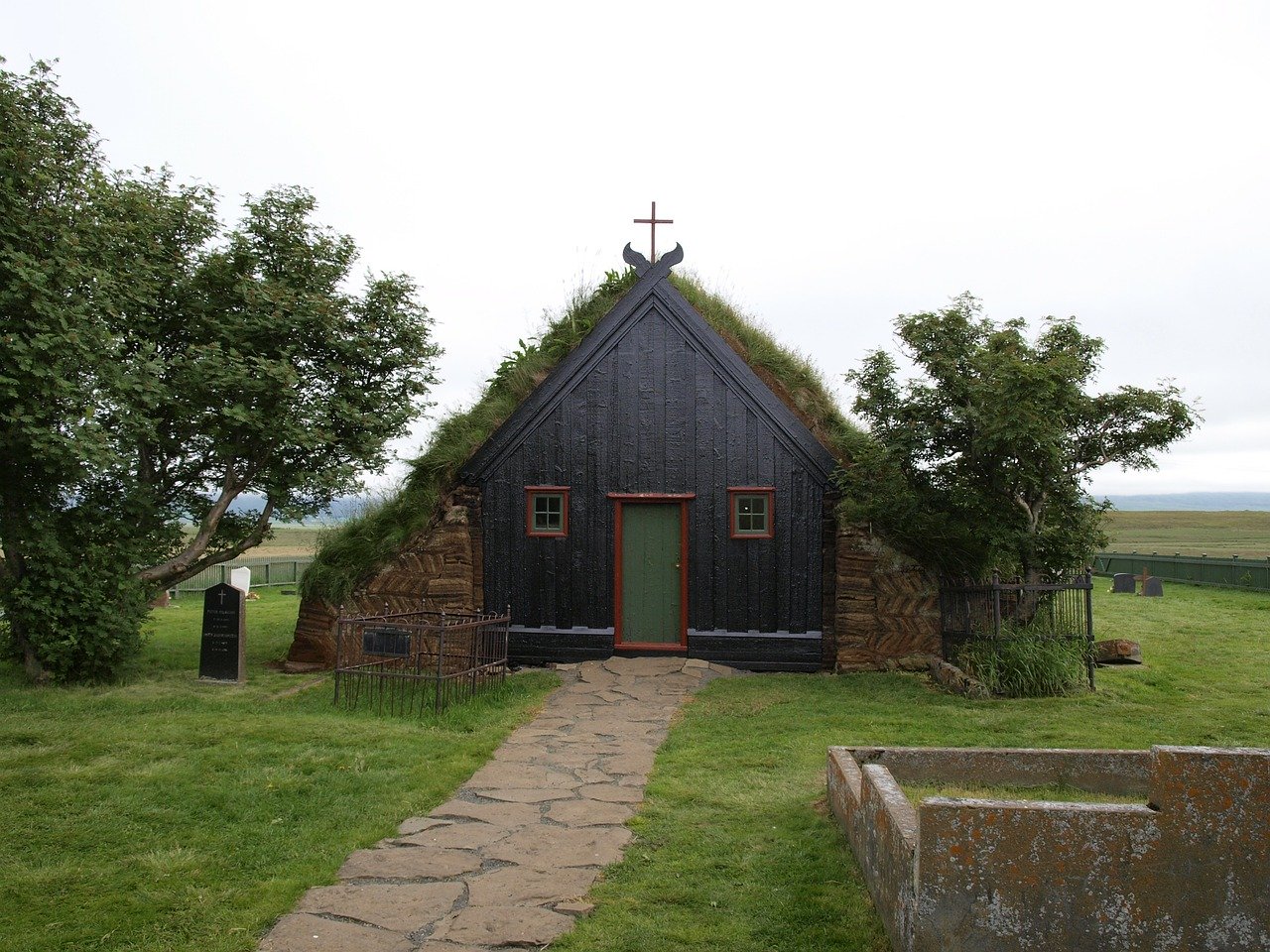

Iceland’s history is a story of exploration, resilience, and independence. For more than 1,100 years, this island in the North Atlantic has been shaped by its Viking settlers, natural forces, and a strong national identity. From the first Norse arrival to modern political milestones, Iceland’s past is full of turning points worth discovering.
If you’re visiting Iceland, exploring historical sites such as Þingvellir National Park, Skálholt, and the old harbor in Reykjavík can make these events come alive. Use this timeline as both a guide to Iceland’s history and a list of places to add to your itinerary.
Before 874 – The Age of Discovery
While permanent settlement began in the late 9th century, Iceland may have been known to Celtic monks (Papar) who visited or lived here before the Vikings arrived. Archaeological evidence suggests they left before the Norse settlers came, but their influence remains in early Icelandic place names.
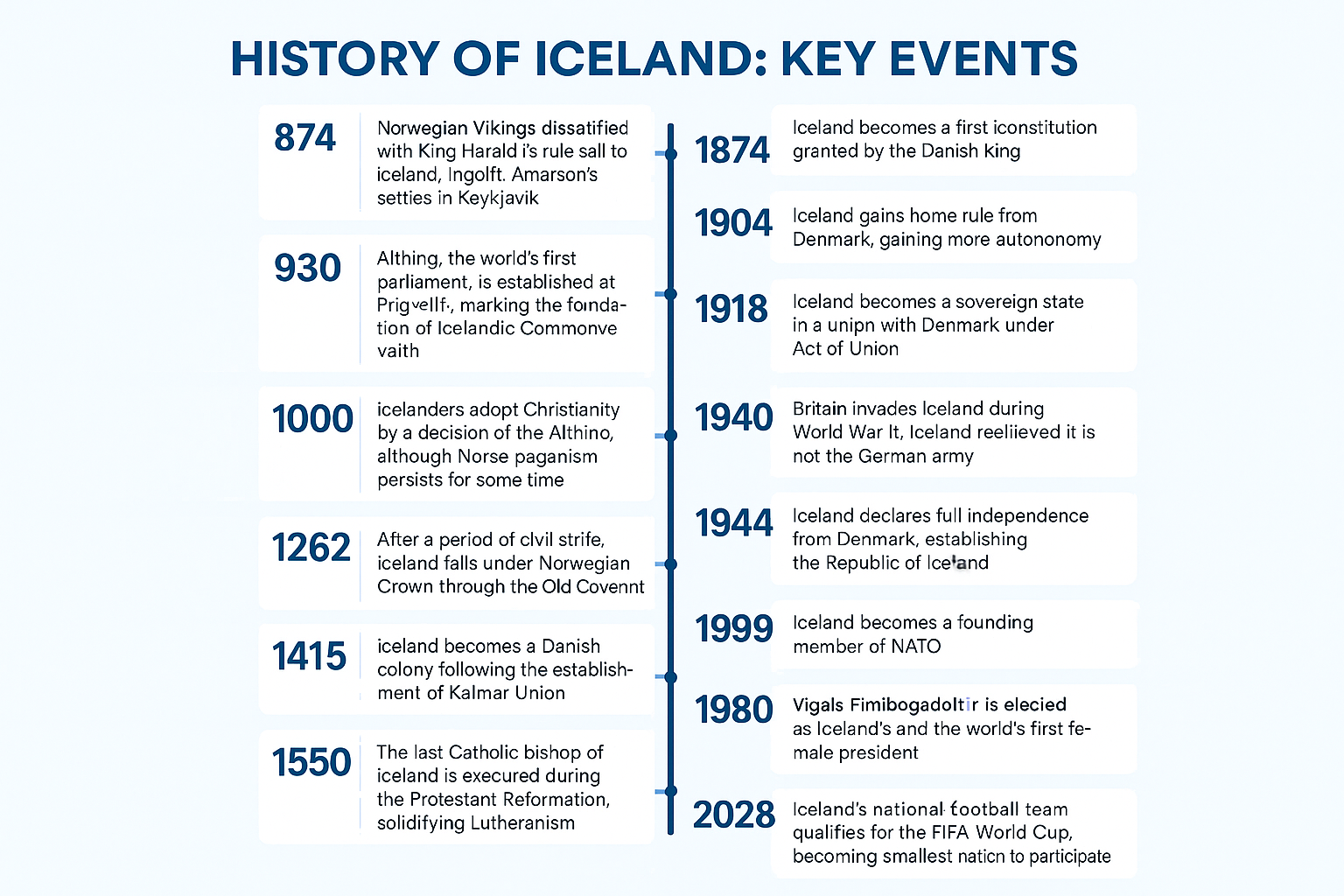
874 – Viking Settlement
Norwegian chieftain Ingólfur Arnarson, escaping the rule of King Harald I, sails west in search of a new home. Following Norse custom, he throws his high seat pillars into the sea and settles where they wash ashore — in what is now Reykjavík. This marks the beginning of Iceland’s permanent settlement.
930 – World’s First Parliament
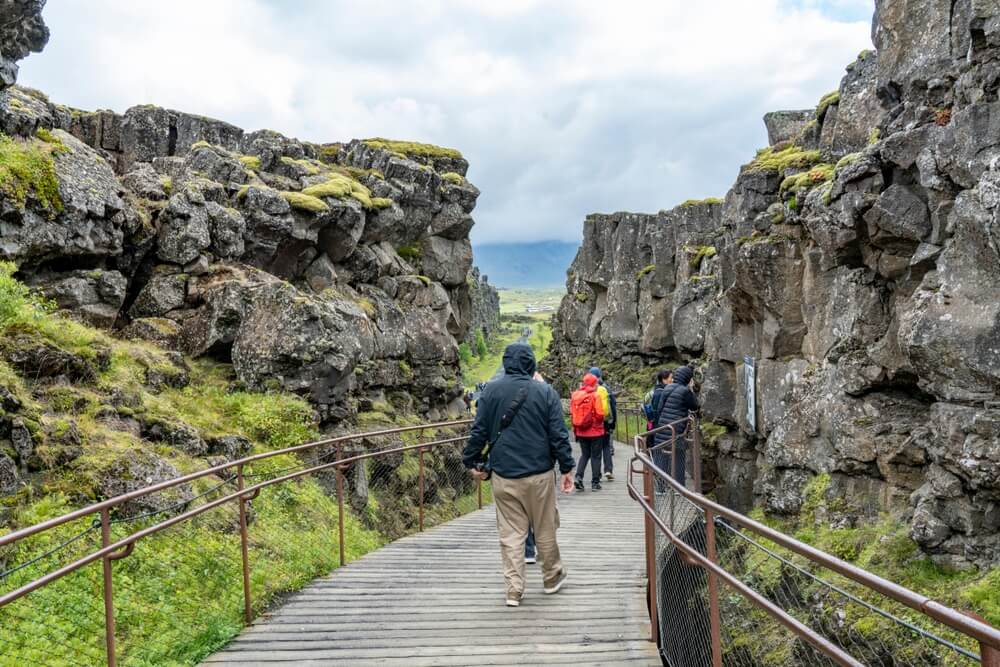
The settlers form Alþingi at Thingvellir national park, creating one of the earliest democratic parliaments in the world. Leaders meet annually in Almannagjá gorge to make laws and settle disputes. Today, Þingvellir is a UNESCO World Heritage Site and a must-visit for anyone interested in Icelandic history.
1000 – Conversion to Christianity
Under pressure from both Norway and internal disputes, Icelanders decide at Alþingi to adopt Christianity. This decision helps avoid civil conflict and strengthens ties with European powers, but Norse pagan traditions continue quietly for some time. Being the main reason for all the Churches you see in Iceland.
1100s – Era of the Sagas
The medieval period sees the writing of the Icelandic sagas, epic tales of heroes, voyages, and family feuds. These works, such as Njáls saga and Egils saga, preserve Iceland’s oral history and are still celebrated as literary treasures.
1262 – Under Norwegian Rule
Years of feuding between powerful chieftains weaken the Icelandic Commonwealth. The Old Covenant brings Iceland under the Norwegian crown. The East Fjords resist until 1264. This begins centuries of foreign rule.
1415 – Danish Rule Begins
When Norway unites with Denmark under the Kalmar Union, Iceland becomes part of the Danish kingdom. Trade restrictions and poverty follow, and Danish influence shapes law and religion in Iceland for the next 500 years.
1550 – Protestant Reformation
The last Catholic bishop, Jón Arason, is executed at Skálholt, ending Catholicism in Iceland. Lutheranism becomes the official religion, bringing new church laws and education reforms.
1602 – Danish Trade Monopoly
Denmark enforces a trade monopoly, allowing only Danish merchants to trade with Iceland. This severely limits economic growth until the monopoly is abolished in 1786.
1783 – The Laki Eruption
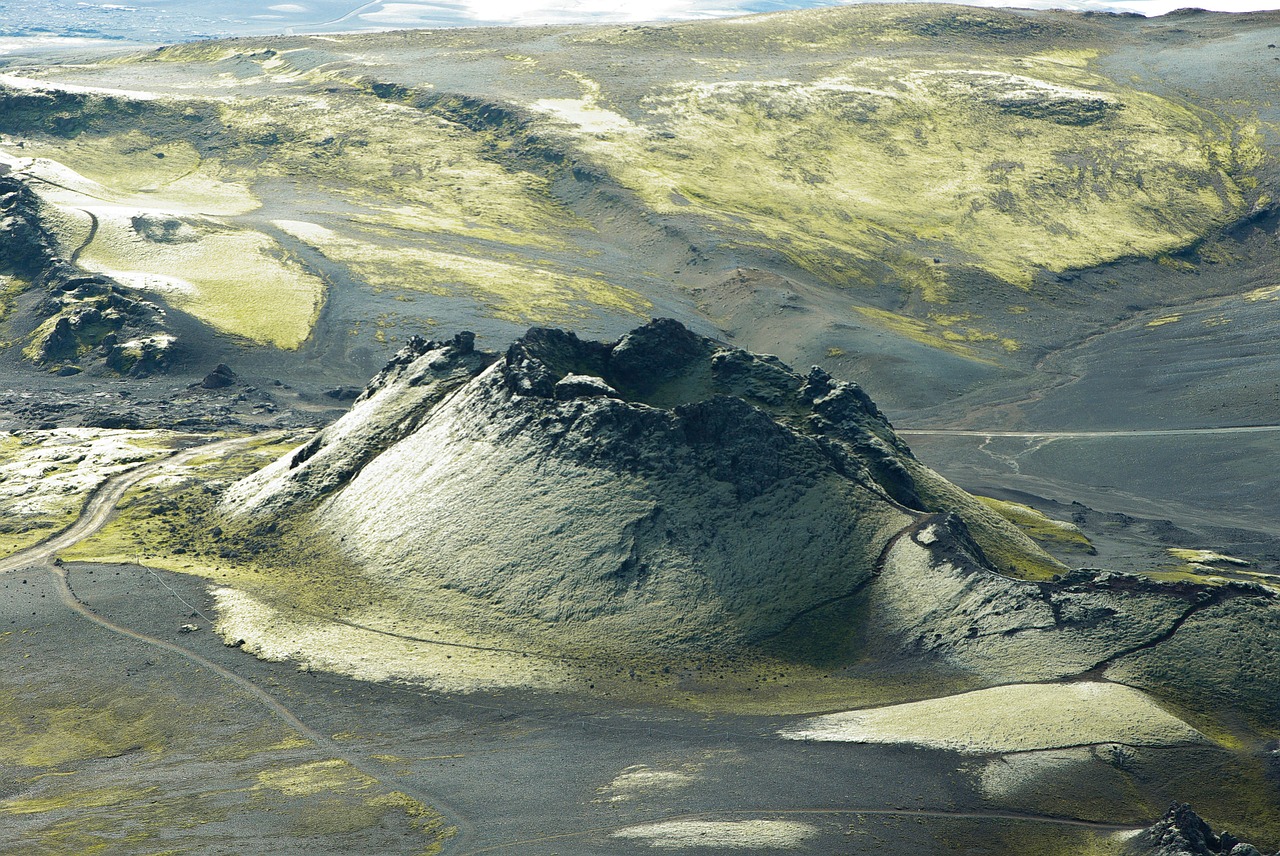
One of the most catastrophic volcanic events in recorded history of volcanic eruptions in Iceland, begins in June 1783. The Laki fissure erupts for eight months, releasing toxic gases and ash. Famine follows, killing around 20–25% of the population and devastating livestock. The eruption’s global climate effects are felt as far away as Europe, India, and North America.
1800 – Alþingi Abolished
Denmark dissolves the Icelandic parliament, moving legal authority to Copenhagen. A smaller assembly returns in 1845, eventually leading to the modern Alþingi.
1874 – First Constitution
On the thousandth anniversary of settlement, Denmark grants Iceland its first constitution. For the first time, Icelanders gain control over some domestic matters.
1904 – Home Rule
Iceland achieves home rule, meaning the Danish-appointed minister for Iceland must reside in Reykjavík. This marks a significant step toward full independence.
1918 – Sovereignty Recognized
The Act of Union makes Iceland a sovereign state in personal union with Denmark, sharing a monarch but managing its own affairs. Iceland declares itself neutral in foreign policy.
1940 – British Occupation
In World War II, Britain occupies Iceland to prevent a German invasion after Denmark is taken by Nazi Germany. While controversial, it ensures Iceland’s safety during the war.
1941 – U.S. Defense Agreement
The United States takes over military defense of Iceland from Britain. This brings infrastructure development, including roads and airfields still in use today.
1944 – Independence Declared
On June 17, 1944, Iceland officially becomes a republic, severing all ties with Denmark. The date is still celebrated annually as Iceland’s National Day.
1949 – NATO Membership
Iceland joins NATO as a founding member, sparking protests in Reykjavík. With no standing army, Iceland relies on NATO agreements for defense.
1973 – Westman Islands Eruption
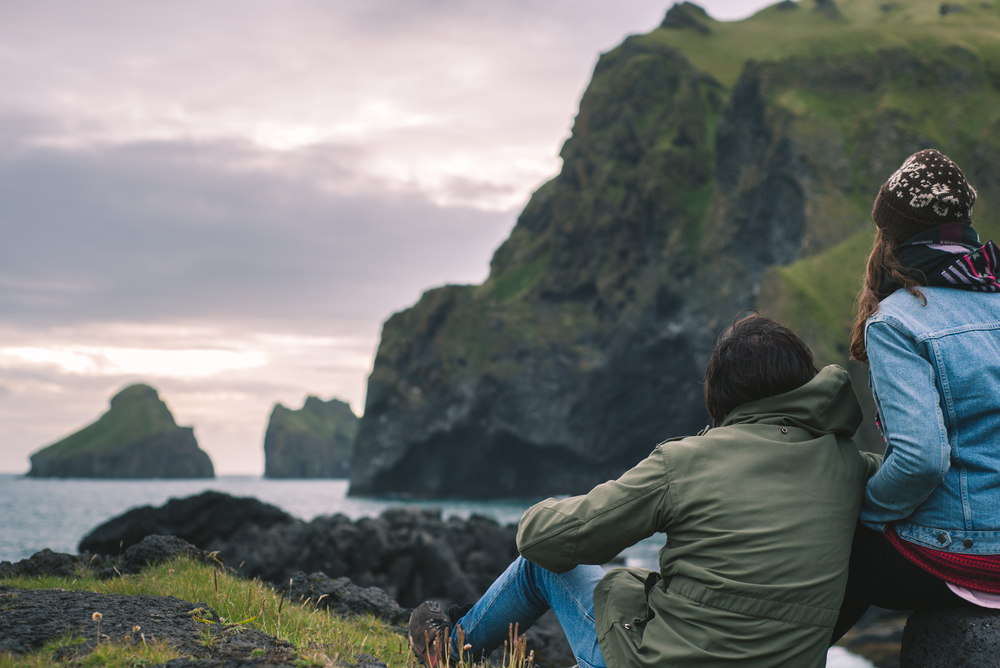
In January 1973, a sudden volcanic eruption begins on Heimaey, the largest of the Westman Islands (Vestmannaeyjar). A fissure opens near the edge of town, forcing the evacuation of nearly all 5,000 residents in a matter of hours. Lava flows threaten to close off the harbor — the community’s lifeline — but an ambitious effort to cool the advancing lava with seawater saves it. Today, the story is told at the Eldheimar Museum, built around preserved homes buried in ash.
1975 – Women’s Strike
On October 24, 90% of Icelandic women stop working for a day to protest gender inequality. This event becomes a landmark moment in the global women’s rights movement.
1980 – First Female President
Vigdís Finnbogadóttir becomes the world’s first democratically elected female president, serving for 16 years and becoming a symbol of Iceland’s progressive values.
2008 – Financial Crisis
Iceland experiences the largest financial crash per capita in history. Banks collapse, the currency falls sharply, and the country undergoes a major economic and political shift.
2010 – Eyjafjallajökull Eruption
The volcano erupts, grounding flights across Europe for days due to massive ash clouds. The eruption puts Iceland’s geology back in global headlines.
2015 – Equal Pay Legislation
Iceland introduces laws to enforce equal pay for men and women, strengthening its reputation as a leader in gender equality.
2018 – Iceland at the FIFA World Cup
Iceland makes football history by becoming the smallest nation ever to qualify for the FIFA World Cup. With a population of just over 330,000, the national team’s journey captures global attention. After a strong performance at Euro 2016, Iceland faces powerhouse teams in Russia, including Argentina, and earns a memorable 1–1 draw against them in the group stage. The achievement boosts national pride and puts Iceland firmly on the map for sports fans worldwide.
2021–2024 – Reykjanes Peninsula Eruptions and the Evacuation of Grindavík
After centuries of dormancy, the Reykjanes Peninsula becomes one of the most active volcanic regions in Iceland. In 2021, Fagradalsfjall erupts, attracting thousands of visitors who hike to see flowing lava up close. Further eruptions follow in 2022 and 2023. In late 2023 and early 2024, a series of strong earthquakes and eruptions occur near the fishing town of Grindavík, damaging infrastructure and forcing residents to evacuate. These events mark the beginning of a new volcanic era for the region, reminding everyone that Iceland is still very much a land in the making.
Conclusion
Iceland’s history is shaped by the forces of nature, the strength of its people, and the determination to remain independent. Each event in this timeline has left its mark on the culture you see today.
If you’re visiting Iceland, take time to explore historic sites like Þingvellir, Skálholt, and the Settlement Exhibition in Reykjavík. Understanding the past will give you a deeper appreciation for the landscapes, traditions, and spirit of this unique island nation.
And for the freedom to explore these places at your own pace, book your rental car in Iceland with Blue Car Rental.
 SUPERMARKETS IN ICELAND: HOW TO SAVE MONEY WHILE TRAVELING